
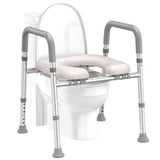
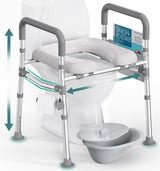
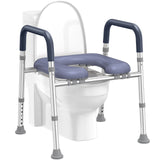
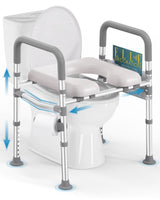
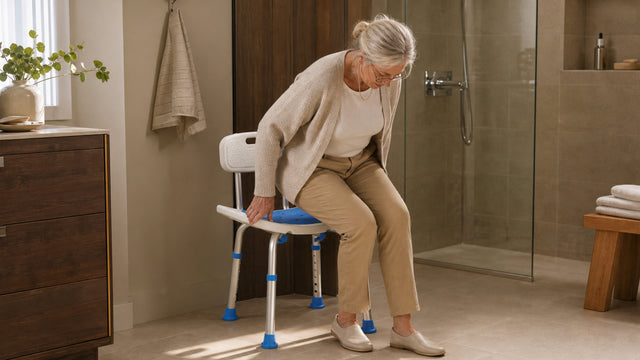
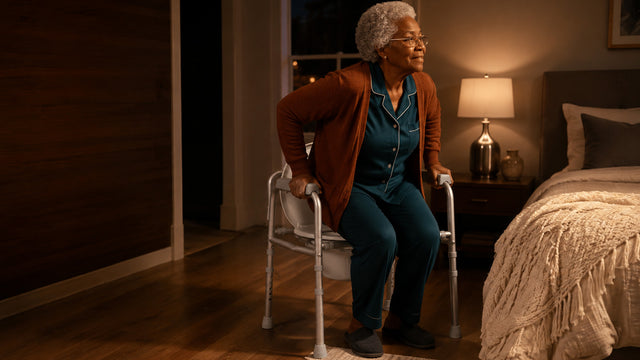
A grab bar is a sturdy bar mounted to the wall that gives a person a firm, secure handhold in the bathroom. Placed near the toilet, tub, or shower, it provides something solid to hold while sitting, standing, or stepping — one of the simplest and most effective ways to prevent slips and falls at home.
In short: a strong wall-mounted handle that gives you something safe to grip near the toilet, tub, or shower.
What Is a Grab Bar?
A grab bar is a rail — usually metal — fixed to the wall to give a reliable handhold exactly where balance is hardest. Unlike a towel bar, which is only meant to hold light weight, a proper grab bar is anchored into the wall so it can bear a person’s full weight when they lean, pull, or steady themselves.
Grab bars come in different lengths and mounting angles. A horizontal bar is good for pulling up to stand; a vertical bar helps with stepping in and out of a tub or shower; an angled bar supports movement between sitting and standing. They’re commonly placed beside the toilet, along the tub wall, and at the shower entrance — the spots where wet floors and awkward movements make falls most likely.
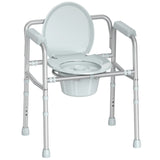
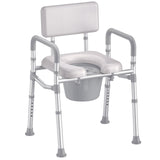
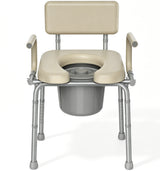
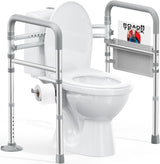
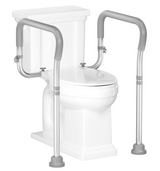
Because a grab bar bears real weight, secure installation matters. It should be anchored into wall studs or with heavy-duty fixings so it holds firm every time. It’s closely related to toilet safety rails, which give two-sided support at the toilet specifically, while a grab bar offers a single, flexible handhold wherever it’s needed.
Who Is It For and When Is It Used?
A grab bar is a good fit for someone who:
- Feels unsteady stepping into or out of the tub or shower.
- Needs something firm to hold while sitting down or standing at the toilet.
- Wants extra security at the spots in the bathroom where footing is uncertain.
The bathroom is one of the most common places for a fall at home — wet, hard surfaces, tight spaces, and few things to hold onto. Falls are a serious concern as we age: the CDC reports that about 1 in 4 adults aged 65 and older falls each year, and falls are the leading cause of injury in this age group.1 A well-placed grab bar gives a solid handhold at exactly the moments footing is least secure, which is why it’s often the very first safety upgrade a family makes.
For a caregiver, grab bars mean a loved one has support built into the room itself — steady help that’s always there, preserving their privacy and independence in the bathroom.
Grab Bar vs Toilet Safety Rails: What’s the Difference?
People often weigh these two against each other. The difference is where and how the support sits:
| Grab Bar | Toilet Safety Rails | |
|---|---|---|
| Placement | Mounted to the wall, anywhere it’s needed | A frame or arms on both sides of the toilet |
| Support | One firm handhold at a chosen spot | Balanced, two-sided support at the toilet |
| Flexibility | Can go at the toilet, tub, or shower | Focused on the toilet |
| Installation | Anchored into the wall for full weight | Often freestanding, no tools needed |
The simple guide: choose a grab bar when you want a firm handhold at several spots around the bathroom, especially at the tub or shower. Choose toilet safety rails when the main need is two-sided support for sitting and standing at the toilet. Many bathrooms use both together for the fullest coverage.
How to Choose and Use a Grab Bar
A few things worth checking before you buy:
- 1Length and angle. Match the bar to the job — horizontal for pulling up, vertical for stepping in and out, angled for moving between sitting and standing.
- 2Secure mounting. A grab bar must be anchored into wall studs or with heavy-duty wall fixings so it holds a person’s full weight safely.
- 3Non-slip grip. Look for a textured or coated surface that stays easy to hold even when wet.
- 4Sturdiness. Choose a reinforced, heavy-duty bar built for extra support rather than focusing on a single figure.
- 5Placement. Position bars where the footing is hardest — beside the toilet, along the tub, and at the shower entrance.
To use a grab bar safely, always grip it fully with your whole hand rather than just resting fingers on it, and let it take your weight steadily as you sit, stand, or step. If a bar ever feels loose, stop using it until it’s re-secured.
Adding a grab bar is a small change that makes a bathroom noticeably safer, and it pairs well with other HOMLAND bathroom-safety equipment like toilet safety rails for full coverage.
Frequently Asked Questions
A grab bar is used to give a person a firm, secure handhold in the bathroom — near the toilet, tub, or shower. It provides something solid to hold while sitting, standing, or stepping over a tub wall, which helps prevent slips and falls on wet surfaces.
A grab bar is a sturdy bar mounted to the wall that a person can grip to steady themselves or bear their weight. Unlike a towel bar, it's anchored securely into the wall so it can safely support someone leaning, pulling up, or stepping in and out of the tub or shower.
A grab bar is a single bar mounted to the wall wherever support is needed, such as the tub or shower. Toilet safety rails are a frame with arms on both sides of the toilet for balanced two-sided support. Grab bars are more flexible in placement; rails focus on the toilet.
Grab bars are most useful where footing is hardest: beside the toilet to help with sitting and standing, along the tub wall for getting in and out, and at the shower entrance. Place them so they're easy to reach at the moment support is needed, and anchor them firmly into the wall.
- Centers for Disease Control and Prevention (CDC) — Facts About Falls. www.cdc.gov/falls/data-research/facts-stats/index.html