

A home health aide (HHA) is a trained caregiver who comes to a person’s home to help with daily living — bathing, dressing, grooming, moving around safely, light housekeeping, and companionship. Working under a care plan, an aide supports people who need a hand with everyday tasks so they can keep living at home.
In short: a trained in-home caregiver who helps with daily tasks like bathing, dressing, and moving safely around the house.
What Is a Home Health Aide?
A home health aide is a professional who provides hands-on, personal care in someone’s own home rather than in a facility. For families choosing to keep a loved one at home, an aide is often the person who makes it possible day to day.
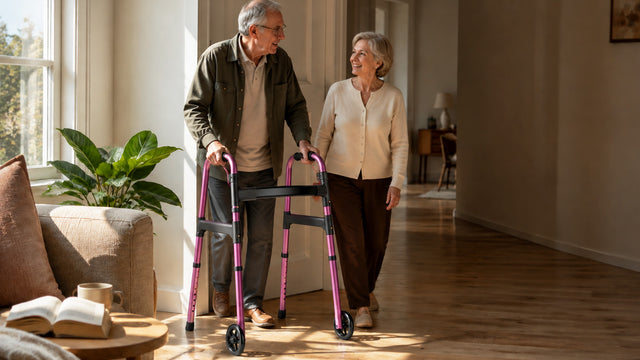
The role centers on “activities of daily living” — the ordinary tasks that become harder with age, illness, or reduced mobility. That typically includes helping someone bathe and dress, assisting with grooming and toileting, supporting safe movement from bed to chair or across the room, preparing simple meals, light housekeeping, and reminding a person to take medications on schedule. Just as importantly, aides offer companionship and a watchful, friendly presence.
Home health aides usually complete training and work under a care plan, often coordinated with a nurse or care agency. It’s worth knowing the boundary of the role: aides provide personal and supportive care, not skilled medical treatment — tasks like wound care, injections, or clinical assessments are handled by nurses or therapists. Aides support daily life; they don’t replace a doctor or nurse.
Who Is It For and When Is It Used?
A home health aide helps older adults, people recovering from surgery or illness, and anyone who needs regular assistance with daily tasks but wants to stay in their own home. For the family, an aide is often the key that lets a parent age in place safely.
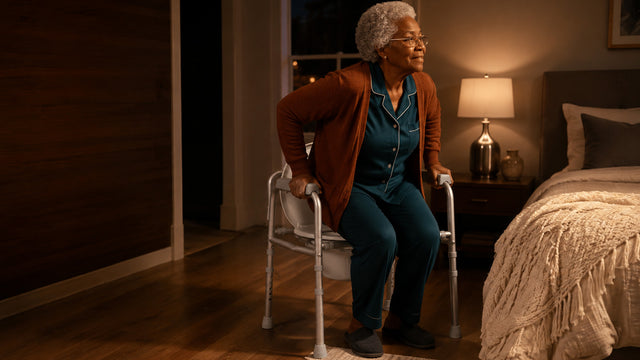
For the person receiving care, a good aide preserves dignity and independence — help arrives for the hard parts of the day, while the person keeps their home, their routine, and their sense of self. For an adult child, an aide brings relief and reassurance: knowing a trained caregiver is helping mom bathe safely or is there when dad is unsteady removes a huge weight, especially for families who live far away or juggle jobs of their own. Aides are commonly brought in after a fall or hospital stay, when caregiving becomes too much for the family alone, or simply as needs grow and a steady hand is needed each day.
How to Choose a Home Health Aide
A few things to weigh when arranging in-home help:
- 1Match skills to needs. List the daily tasks help is needed for — bathing, transfers, meals, medication reminders — and confirm the aide is trained and comfortable with them.
- 2Go through a reputable source. A licensed home-care agency handles screening, training, and backup coverage; if hiring privately, check references and background carefully.
- 3Confirm the scope. Remember that aides provide personal care, not skilled medical treatment — make sure a nurse or care team covers any clinical needs.
- 4Check the fit. Personality and trust matter as much as skills, since this person will be in the home often and up close.
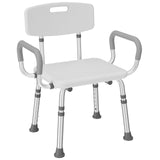
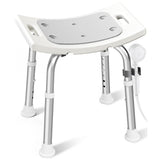
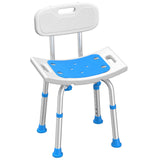
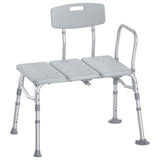
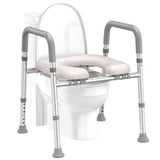
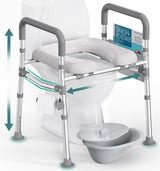
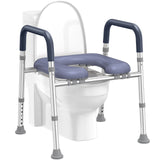
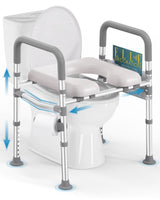
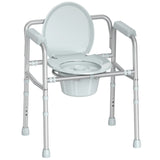
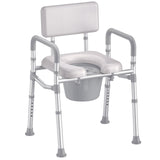
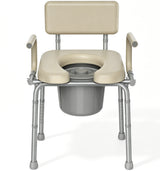
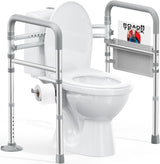
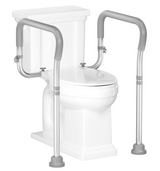
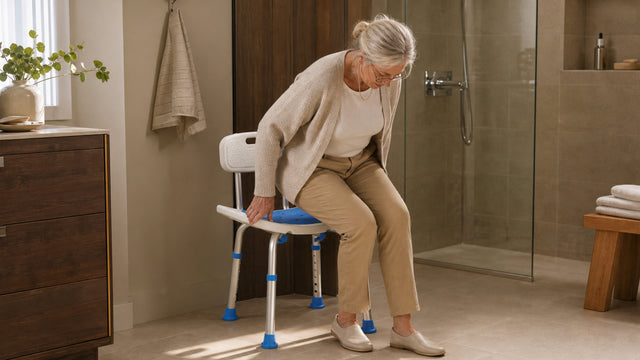
- 5Set up the home for safe care. Grab bars, a shower chair, a raised toilet seat, and good lighting make an aide’s help with bathing and transfers safer for everyone.
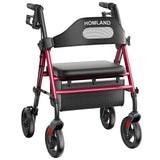
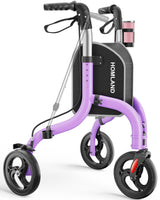
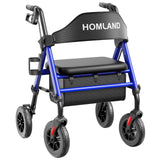
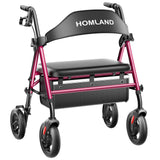
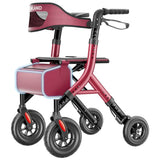
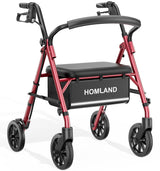
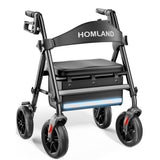
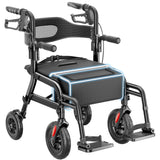
Getting the home ready is a practical first step; the HOMLAND range of tool-free, adjustable mobility and bathroom-safety equipment helps make daily care safer for both the person and their aide.
Frequently Asked Questions
A home health aide (HHA) is a trained caregiver who comes to a person's home to help with daily living — bathing, dressing, grooming, safe movement, light housekeeping, meal prep, medication reminders, and companionship. Working under a care plan, an aide supports people who need help with everyday tasks so they can stay at home.
A home health aide helps with activities of daily living: bathing, dressing, grooming, and toileting; assisting with safe movement and transfers; preparing simple meals; light housekeeping; reminding a person to take medications; and offering companionship. They provide personal and supportive care rather than skilled medical treatment.
A home health aide provides personal, non-medical care — help with bathing, dressing, moving safely, and daily tasks. A nurse provides skilled medical care such as wound care, injections, and clinical assessments. Aides support everyday living, while nurses handle treatment; the two often work together as part of a care plan.
Start by listing the daily tasks help is needed for, then work through a licensed home-care agency that screens and trains its aides and can provide backup coverage. If hiring privately, check references and backgrounds carefully. Look for someone whose skills match the needs and whom the person feels comfortable with.