
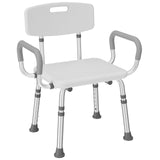
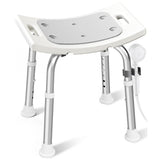
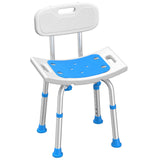
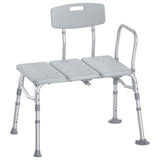

Home modification means adapting a home so it stays safe and easy to use as a person’s needs change with age, injury, or limited mobility. Common changes include adding grab bars, installing ramps or stair rails, widening doorways, improving lighting, and raising seating so everyday tasks take less effort and carry less risk.
In short: changing the home to fit the person — grab bars, ramps, raised seating, and better lighting that make daily life safer.
What Is Home Modification?
Home modification is the practice of adjusting a living space to match what someone can comfortably and safely do. Rather than asking a person to work around a home that no longer fits them, it reshapes the home around them — often through small, targeted changes rather than a full renovation.
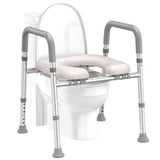
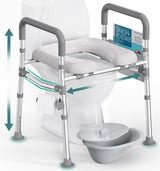
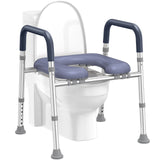
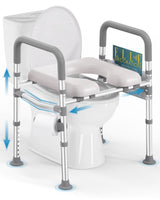
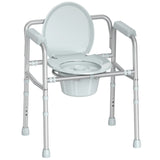
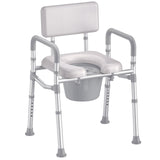
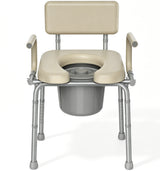
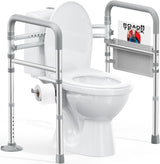
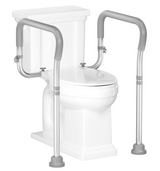
The modifications range from simple to substantial. On the simpler end are grab bars, a raised toilet seat, better lighting, and removing trip hazards. On the larger end are wheelchair ramps, walk-in showers, wider doorways, and stair rails or lifts. For most homes, a handful of well-chosen changes covers the highest-risk moments of the day.
Home modification is a cornerstone of aging in place — it’s often what makes staying at home possible in the first place. The goal is always the same: keep the person independent and steady, and take the fear out of ordinary tasks like bathing, using the toilet, or getting from room to room.
Who Is It For and When Is It Used?
Home modification helps older adults, people recovering from surgery, and anyone living with reduced strength, balance, or mobility. It also gives the family peace of mind, which is why an adult child is often the one who starts the conversation.
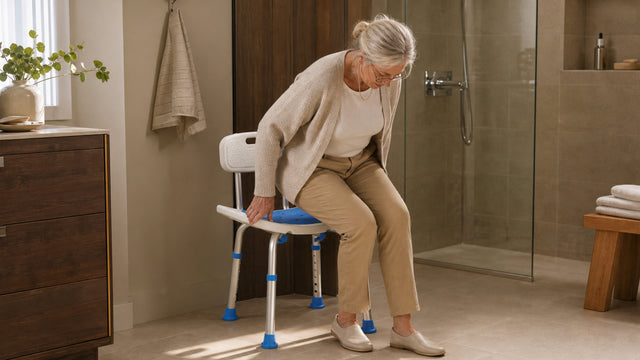
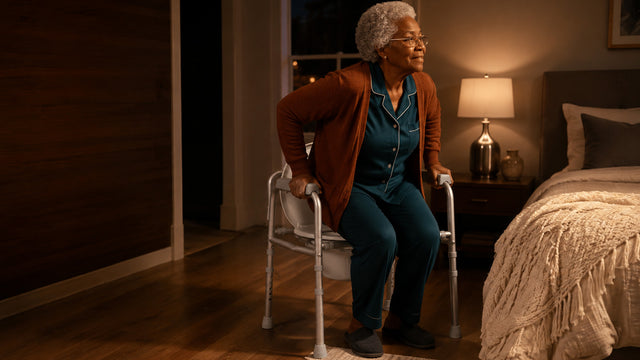
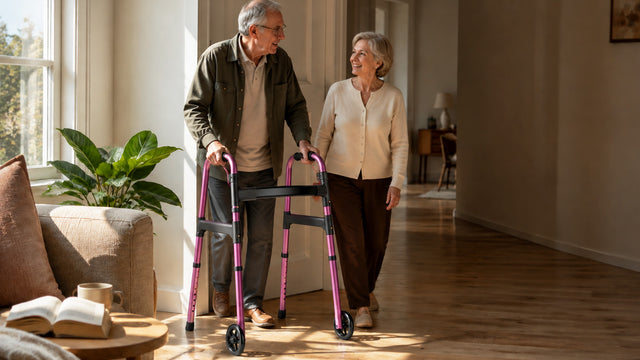
For the person living there, the right changes mean keeping their routines and their dignity — bathing without help, reaching the front door, getting up at night safely. For a caregiver, modifications reduce the strain and worry of helping, and lower the odds of the fall or hospital stay that everyone dreads. The most common triggers are a recent fall, a new diagnosis, a hospital discharge with new mobility needs, or simply planning ahead so the home is ready before it’s tested.
A good approach is to walk through the home one room at a time and ask a plain question at each step: where does this feel hard, unsteady, or risky? Those answers point straight to the changes worth making.
How to Choose Home Modifications
A practical way to prioritize:
- 1Start with the bathroom. It carries the highest fall risk, so grab bars, a shower chair or transfer bench, non-slip mats, and a raised toilet seat usually come first.
- 2Fix the paths people travel most. Improve lighting, clear clutter, secure loose rugs, and add rails on stairs and in hallways.
- 3Address entry and access. A ramp, a threshold ramp, or a sturdy handrail can turn a risky doorway into an easy one.
- 4Raise and steady seating. Raised seating and bed rails reduce the strain of sitting down and standing up.
- 5Match the change to the need — and the future. Choose adjustable, sturdy equipment that can flex as needs evolve, and favor tool-free installs where you can.
- 6Get help for big jobs. Structural changes like widening doorways or fitting stair lifts call for a qualified professional; many smaller aids you can add yourself.
Many of the everyday, add-it-yourself pieces — grab-friendly rails, shower seating, raised toilet seats — are available across the HOMLAND range, engineered for tool-free assembly, adjustable heights, and FSA/HSA eligibility so a home can be adapted a step at a time.
Frequently Asked Questions
Home modification for the elderly means adapting a home so an older adult can live in it safely and independently. It ranges from small additions like grab bars, a raised toilet seat, and better lighting to larger changes like ramps, walk-in showers, wider doorways, and stair rails.
The most common are grab bars and non-slip surfaces in the bathroom, a raised toilet seat, improved lighting, removing trip hazards like loose rugs, handrails on stairs, ramps at entrances, and raised or sturdier seating that makes sitting and standing easier.
Cost varies widely. Simple, add-it-yourself changes like grab bars, a raised toilet seat, or a shower chair are inexpensive, while structural work such as widening doorways, installing a walk-in shower, or fitting a stair lift costs much more. Many families start small and add changes over time.
Start with the bathroom, since it carries the highest fall risk — grab bars, a shower chair, non-slip mats, and a raised toilet seat are common first steps. Then improve lighting and clear walkways along the paths a person travels most, such as bedroom to bathroom.