

Independent living means an older adult manages their own daily life — cooking, bathing, dressing, and getting around — with little or no hands-on help. It can happen in a person’s own home or in an independent living community, and is often supported by home modifications and mobility aids that make everyday tasks safer and easier.
In short: living life on your own terms as you age, handling daily tasks yourself, with the right support to stay safe.
What Is Independent Living?
Independent living describes a way of life in which an older adult carries out their everyday routine without needing constant help from others. They decide when to eat, when to rest, and how to spend the day — the ordinary freedoms that make a life feel like their own.
The phrase is used in two related ways. It can simply mean living independently in one’s own home, which overlaps closely with aging in place. It can also refer to an “independent living community” — housing designed for active older adults who don’t need daily care, but who want amenities, social activities, and a maintenance-free lifestyle without the responsibilities of a house.
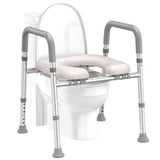
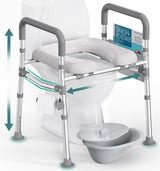
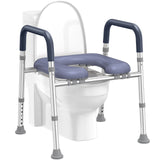
In both senses, the emphasis is on capability and dignity: the person is doing things for themselves. Where a task becomes harder, the answer is usually a small support — a grab bar, a rollator, a raised toilet seat — rather than someone taking over. The goal is to remove obstacles, not independence.
Who Is It For and When Is It Used?
Independent living suits older adults who are generally healthy and mobile and want to keep running their own lives, with only light support here and there. It also reassures the family, who want a parent to stay active and self-reliant for as long as possible.
For the person themselves, independent living is about agency — keeping their home, their hobbies, their routines, and their say over each day. For an adult child, it often means finding the small changes that let a parent stay independent safely: better lighting, steadier footing in the bathroom, a walker for longer outings. Independent living is the starting point on the care spectrum, before any regular hands-on help is needed, and the right supports can extend how long it lasts.
Independent Living vs Assisted Living: What’s the Difference?
Families weigh these two constantly. The core difference is how much daily help is provided:
| Independent Living | Assisted Living | |
|---|---|---|
| Daily help | Little or none — you manage yourself | Hands-on help with bathing, dressing, medications |
| Best for | Active older adults who are mostly self-sufficient | People who need regular help with daily tasks |
| Setting | Own home, or an active-adult community | A care community with on-site staff |
| Staff on site | Not for personal care | Yes, around the clock |
| Focus | Lifestyle, independence, convenience | Support, safety, and supervision |
The simple guide: if a person handles daily life on their own and just wants convenience or a lighter workload, independent living fits. Once they need regular help with personal care — bathing, dressing, medication — assisted living is usually the safer match. Many people move from one to the other as needs change over time.
How to Support Independent Living
Practical ways to help someone stay independent longer:
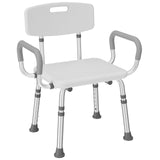
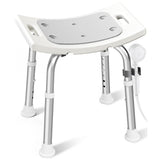
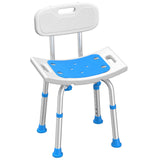
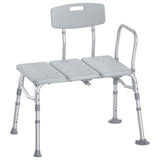
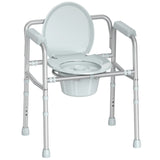
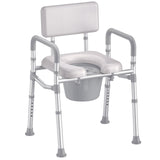
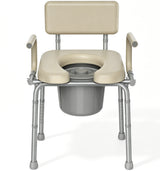
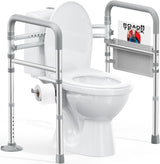
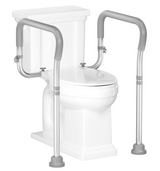
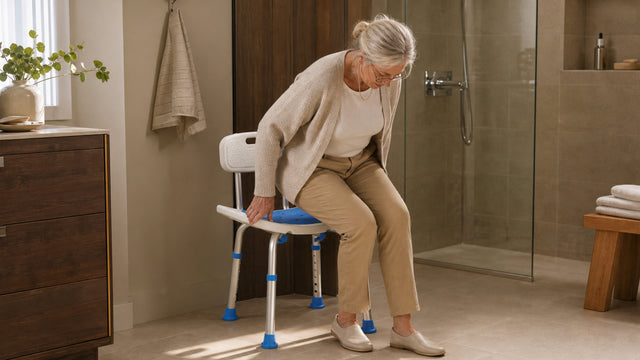
- 1Make the bathroom safe. Grab bars, a shower chair, and a raised toilet seat remove the riskiest obstacles to bathing and toileting alone.
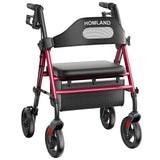
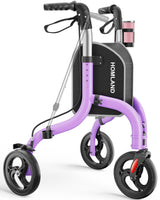
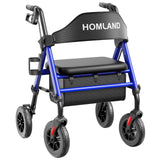
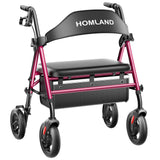
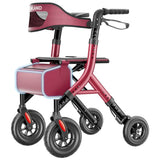
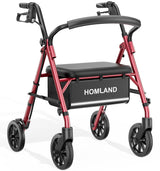
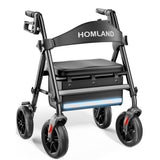
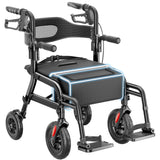
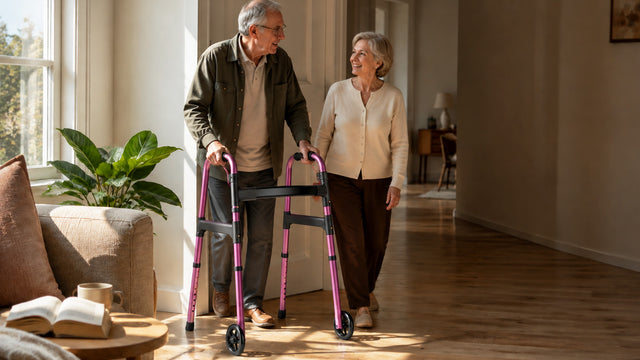
- 2Keep movement easy. A cane, walker, or rollator supports steady, confident walking indoors and out.
- 3Reduce fall hazards. Improve lighting, clear clutter, secure loose rugs, and add stair rails.
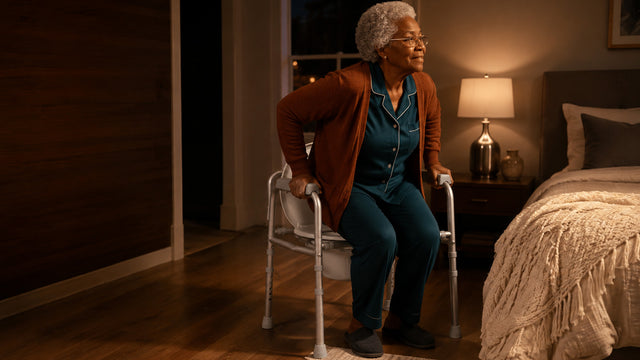
- 4Ease getting up. Bed rails and raised seating cut the effort of standing and sitting.
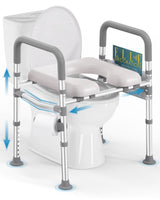
- 5Choose adjustable, sturdy equipment. Height-adjustable, tool-free aids adapt to the person and their home.
- 6Plan ahead. Add supports before they’re urgent, so independence isn’t lost to a preventable fall.
The HOMLAND range is designed around exactly this — home-friendly, adjustable mobility and bathroom-safety equipment, FSA/HSA eligible and backed by a US local warehouse, that helps people keep doing things for themselves.
Frequently Asked Questions
Independent living means an older adult manages their own daily life — cooking, bathing, dressing, and getting around — with little or no hands-on help. It can take place in a person's own home or in an independent living community designed for active older adults who don't need daily care.
Independent living is for older adults who handle daily life on their own and need little to no personal care. Assisted living provides hands-on help with tasks like bathing, dressing, and medications, with staff on site around the clock. Many people move from one to the other as needs grow.
Make everyday tasks safer and easier: add grab bars, a shower chair, and a raised toilet seat in the bathroom, use a cane or walker for steady walking, improve lighting, remove trip hazards, and add bed rails and raised seating. Small supports like these remove obstacles without removing independence.
They overlap closely. Aging in place specifically means staying in your own home as you grow older. Independent living is a broader idea about managing daily life yourself — which can happen in your own home or in an independent living community built for active older adults.