
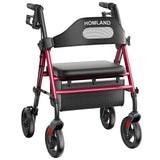
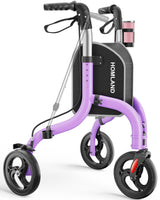
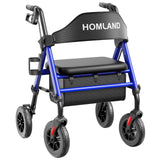
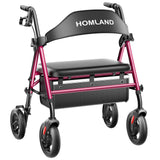
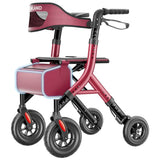
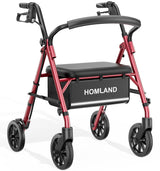
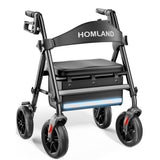
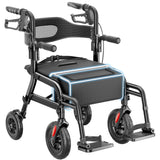
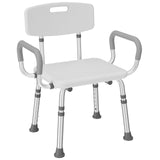
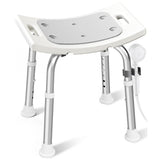
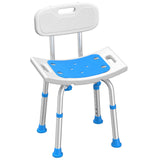
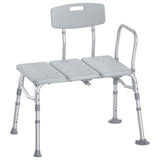
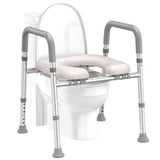
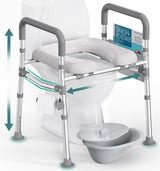
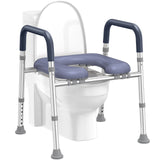
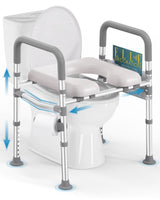
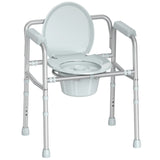
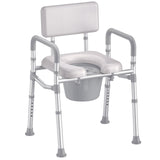
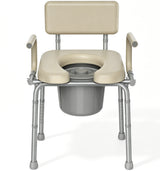
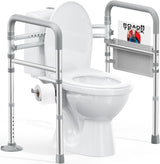
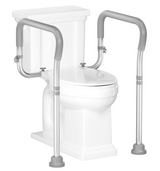
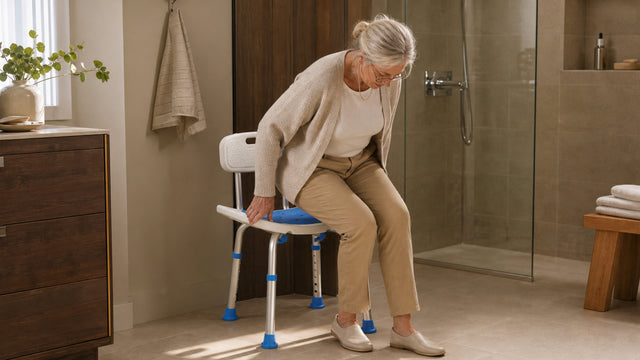
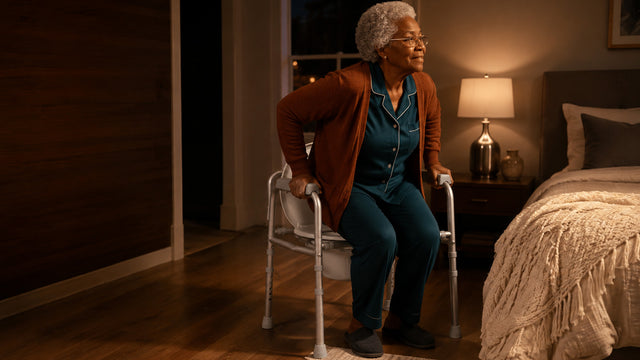


Medicare DME is durable medical equipment — reusable home-health gear like walkers, wheelchairs, and commodes — that Medicare may help pay for when a doctor decides it is medically necessary. Under Original Medicare, this coverage generally falls under Part B, which covers qualifying equipment prescribed for use in the home.
In short: home medical equipment that Medicare Part B may help cover, as long as a doctor prescribes it as medically necessary.
What Is Medicare DME?
“Medicare DME” is shorthand for durable medical equipment that is covered, in whole or in part, through the Medicare program. Durable medical equipment means sturdy, reusable items used for a medical or mobility reason at home — walkers, rollators, wheelchairs, hospital beds, commodes, and similar gear.
Under Original Medicare, most of this equipment falls under Part B (medical insurance) rather than Part A (hospital insurance). For Medicare to help pay, the equipment usually has to be prescribed by a doctor as medically necessary, be intended for use in the home, and be supplied by a provider that is enrolled with Medicare. After you meet your plan’s deductible, Medicare typically pays its share and you pay a portion as coinsurance — the exact split depends on your plan.
Because rules, paperwork, and out-of-pocket costs vary by plan and by item, the safest approach is always to confirm coverage with Medicare or your plan before you buy. This page explains how the coverage generally works; it does not promise that any specific product will be paid for.
Who Is It For and When Is It Used?
Medicare DME coverage matters most for people enrolled in Medicare — usually adults 65 and older, and some younger people with qualifying conditions — who need equipment to stay safe and mobile at home.
It comes up at very practical moments: a parent being discharged after surgery who needs a walker, someone whose balance has declined and needs a wheelchair, or a family setting up a bedroom or bathroom so a loved one can manage day to day. In each case, a doctor’s order is the starting point, because Medicare’s coverage hinges on that finding of medical necessity.
For an adult-child caregiver, understanding the basics saves stress. Knowing to ask the doctor for a written order, and to check whether a supplier is Medicare-enrolled, can be the difference between coverage and an unexpected bill. When you’d rather not navigate the paperwork for a given item, many families simply buy the equipment directly and, where eligible, use an FSA or HSA instead.
What Medicare DME Typically Covers vs Doesn’t
Coverage always depends on your specific plan, but the general pattern looks like this:
| Usually Considered | Usually Not Covered | |
|---|---|---|
| Reason | Medically necessary, doctor-prescribed | Comfort or convenience only |
| Examples | Walkers, wheelchairs, hospital beds, commodes | Items bought purely for convenience |
| Setting | Used in the home | Equipment only for use outside the home |
| Supplier | Enrolled with Medicare, accepts assignment | Non-enrolled retailer |
The simple guide: equipment a doctor prescribes as necessary for use at home is the most likely to qualify, while items chosen purely for comfort or convenience generally are not. Always verify specifics with Medicare — do not assume any single product is covered.
How to Choose and Navigate Medicare DME
A few practical steps:
- 1Start with the doctor. Ask for a written order that documents why the equipment is medically necessary.
- 2Check the supplier. Confirm the provider is enrolled with Medicare and accepts assignment, which affects what you pay.
- 3Confirm coverage first. Contact Medicare or your plan to understand your deductible, coinsurance, and any prior-authorization steps before you buy.
- 4Consider the alternative. For items you’d rather not run through Medicare, an FSA or HSA is often a simpler way to use pre-tax dollars.
- 5Keep your paperwork. Save the order, receipts, and supplier details in case you need to file or appeal.
HOMLAND products are durable medical equipment and are FSA/HSA eligible, backed by a US local warehouse for fast delivery and a manufacturer warranty. Whether Medicare will help cover a specific item depends on your plan and supplier, so confirm the details with Medicare before purchasing.
Frequently Asked Questions
Medicare may help cover durable medical equipment, usually under Part B, when a doctor prescribes it as medically necessary for use in the home and it comes from a Medicare-enrolled supplier. You typically pay a share of the cost after meeting your deductible. Confirm the specifics with your plan.
Generally yes. Medicare coverage for durable medical equipment hinges on medical necessity, so a doctor's written order documenting why you need the item is usually required before Medicare will help pay.
Equipment chosen purely for comfort or convenience, items not intended for use in the home, and gear from a supplier that is not enrolled with Medicare are generally not covered. Because rules vary, always check with Medicare about a specific item.
Often, yes. Many people buy durable medical equipment directly and pay with FSA or HSA funds, which cover qualifying medical purchases with pre-tax dollars. HOMLAND products are FSA/HSA eligible, making this a straightforward option for a lot of families.