
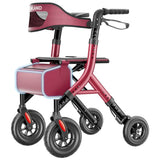
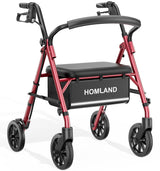
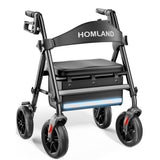
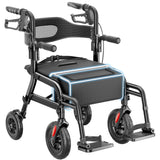
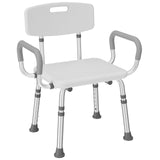
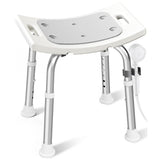
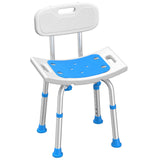
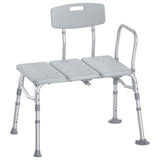



A mobility aid is any device that helps a person move around more safely and independently when walking on their own is difficult. Common examples include canes, walkers, rollators, knee scooters, and wheelchairs. Each one supports balance, takes weight off tired or unsteady legs, or provides a way to get around.
In short: a device — cane, walker, rollator, knee scooter, or wheelchair — that helps someone move safely when walking alone is hard.
What Is a Mobility Aid?
A mobility aid is exactly what the name suggests: something that aids mobility. When age, injury, surgery, or a health condition makes walking unsteady or tiring, a mobility aid gives a person the support they need to keep moving through their day with confidence.
Mobility aids range from simple to substantial. A cane offers a little extra balance on one side. A walker or rollator gives a stable frame to lean on and, in the case of a rollator, a seat to rest. A knee scooter keeps weight off a healing foot. A wheelchair provides a full seated way to get around. The right choice depends entirely on how much support the person needs and where they need it.
The goal of any mobility aid is the same: to help someone stay independent and safe at home and out in the world, doing the everyday things they want to do without relying on another person for every step.
Types of Mobility Aids
The mobility-aid family covers a wide range of devices. Here are the most common:
- 1Canes — a single point of extra balance for someone who’s mostly steady but needs light support.
- 2Walkers — a lightweight frame you lift and set down with each step, for people who need to lean their weight for balance.
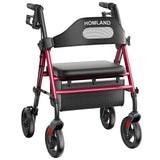
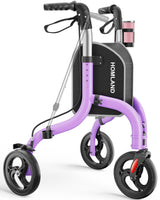
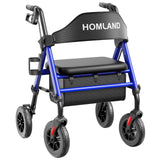
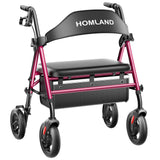
- 3Rollators — a wheeled walker with hand brakes and a built-in seat, for steadier walkers who want to rest along the way.
- 4Knee scooters — a wheeled aid that keeps weight off a healing foot or ankle during recovery.
- 5Wheelchairs — a seated device for people who can’t safely walk longer distances on their own.
Many people use more than one over time, or switch as their needs change — a knee scooter during recovery, then a rollator for everyday steadiness.
Who Is It For and When Is It Used?
A mobility aid is a good fit for someone who feels unsteady on their feet, tires easily when walking, is recovering from surgery or an injury, or simply wants more confidence getting around. That includes seniors, people healing from a procedure, and anyone whose balance or strength has changed.
The moment often arrives quietly: a parent starts holding the wall to steady themselves, or avoids going out because walking feels risky. Choosing the right mobility aid means they can keep running errands, walking the neighborhood, and moving freely at home — on their own terms.
For an adult-child caregiver, the right aid brings peace of mind. It means a loved one can stay active and self-reliant, and it lowers the worry that comes with every trip across the room. Matching the device to the real daily need — not over- or under-supporting — is the key to keeping both safety and dignity intact.
How to Choose a Mobility Aid
A few things worth checking before you buy:
- 1Match the support level. Start with how much steadiness the person needs: light balance (cane), a frame to lean on (walker or rollator), or a seated option (wheelchair).
- 2Height fit. Look for adjustable heights so the aid suits the user’s body and lets them stand tall rather than hunch.
- 3Where it’s used. Larger wheels handle outdoor ground and thresholds; a compact frame maneuvers better in tight indoor spaces.
- 4Sturdiness. For heavier users, choose a reinforced, heavy-duty or bariatric model built for extra support.
- 5Ease of transport. A foldable frame is easier to store and lift into a car.
HOMLAND mobility aids are engineered for tool-free assembly and adjustable heights, and are FSA/HSA eligible, backed by a US local warehouse for fast delivery and a manufacturer warranty — so choosing one is low-risk. If you’re not sure where to start, a rollator suits many people who can walk but want steadiness and a place to rest.
Frequently Asked Questions
A mobility aid is any device that helps a person move around more safely and independently when walking on their own is difficult. Canes, walkers, rollators, knee scooters, and wheelchairs are all mobility aids, each offering a different level of support for balance, strength, or getting around.
It means a piece of equipment used to aid mobility — to help someone walk or get around when age, injury, surgery, or a health condition makes moving unaided unsafe or tiring. The device supports balance, takes weight off the legs, or provides a seated way to travel.
A mobility aid is generally defined as a device that assists a person with walking or moving from place to place, improving their safety and independence. Examples range from a simple cane to a walker, rollator, knee scooter, or wheelchair, chosen to match how much support the person needs.
It depends on how much support you need. A cane suits someone mostly steady who wants light balance; a walker or rollator suits people who need to lean their weight or want a seat to rest; a knee scooter suits foot or ankle recovery; a wheelchair suits those who can't safely walk longer distances.