
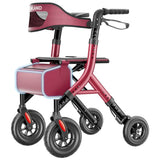
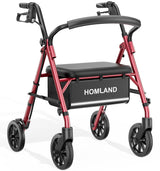
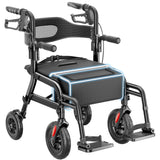
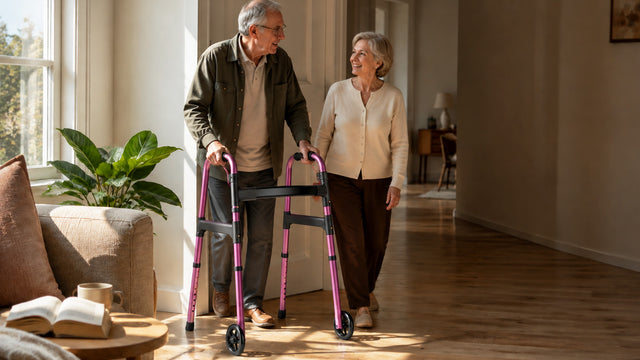
Non-weight-bearing means a healing leg, foot, or ankle must carry none of a person’s body weight while it recovers. The limb is kept completely off the ground, so weight is supported by the other leg and a mobility aid such as a knee scooter or crutches instead.
In short: a recovery rule where a healing leg takes zero weight, so a device like a knee scooter does the work.
What Is Non-Weight-Bearing?
Non-weight-bearing, sometimes shortened to NWB, is the strictest of the weight-bearing instructions a care team can give after an injury or surgery. It means the affected leg, foot, or ankle should not press on the ground at all — not for standing, not for walking, not even to steady oneself.
The reason is protection. Keeping all weight off gives the bone, joint, or soft tissue the best chance to heal without being disturbed. Because the limb cannot take any load, the person needs another way to get around — which is where a mobility aid becomes essential.
Non-weight-bearing is common after foot or ankle surgery, a fracture, or an injury like a torn Achilles tendon. It usually lasts for a set period and then eases into partial and full weight-bearing as the limb recovers, always on a care team’s schedule.
Who Is It For and When Is It Used?
Non-weight-bearing status applies to anyone told to keep a lower-leg injury completely off the ground. The instruction shapes daily life, so understanding it helps both the person recovering and the family supporting them.
For the person, the challenge is staying mobile and independent while one leg is out of action. A knee scooter is the classic aid for exactly this situation — it lets someone rest the healing leg on a padded cushion and push along with the good leg, keeping both hands free and all weight off the injury.
For a caregiver, non-weight-bearing recovery means helping a loved one move safely without letting the healing leg touch down. Setting up a clear path through the home and choosing a comfortable, stable aid makes those weeks far easier on everyone.
Non-Weight-Bearing vs Weight-Bearing: What’s the Difference?
Seeing the two side by side makes the instruction clear:
| Non-Weight-Bearing | Weight-Bearing | |
|---|---|---|
| Weight on the limb | None at all | Some (partial) or all (full) |
| Standing on it | Not allowed | Allowed, within the set limit |
| Typical aid | Knee scooter or crutches | A cane or walker, or no aid |
| Best for | Protecting an injury that must not be loaded | Later recovery, as the limb regains strength |
The simple guide: non-weight-bearing is a complete rest for the limb, while weight-bearing allows some load. Most recoveries move gradually from non-weight-bearing toward full weight-bearing, so follow the current instruction rather than the last one.
How to Get Around While Non-Weight-Bearing
A few practical, plain-language tips:
- 1Choose a comfortable aid. A knee scooter takes far less arm strength than crutches and frees both hands, which helps over a recovery of more than a few days.
- 2Keep the injured leg supported. Rest it on the scooter cushion or hold it clear of the ground so it never takes weight by accident.
- 3Clear the route. Remove rugs and clutter, and plan how to handle thresholds and stairs before you need to.
- 4Follow the timeline. Stick to the non-weight-bearing period your care team sets, and only add weight when they say it’s time.
Frequently Asked Questions
Non-weight-bearing means a healing leg, foot, or ankle must not carry any of the body's weight. The limb is kept completely off the ground, so the person relies on the other leg and a mobility aid such as a knee scooter or crutches to get around while it heals.
The definition of non-weight-bearing is a recovery status in which no body weight is placed on the affected limb at all. It is the strictest weight-bearing instruction and is used to protect an injury or surgical site as it heals.
A knee scooter is the classic aid for keeping weight off a healing lower leg. It lets a person rest the injured leg on a padded cushion and push with the good leg, using less arm strength than crutches and keeping both hands free. The right choice depends on the home and how long the recovery lasts.
It depends on the injury and the person, and only a care team can say. Non-weight-bearing is usually a set period that then progresses to partial and full weight-bearing, so it is important to follow the current instruction and timeline.