


Occupational therapy helps a person regain the everyday skills they need to live independently — things like dressing, bathing, cooking, and moving safely around the home. An occupational therapist focuses on the practical tasks of daily life, adapting activities and suggesting equipment so a person can do more for themselves.
In short: care that helps people manage everyday tasks — dressing, bathing, cooking — so they can stay independent at home.
What Is Occupational Therapy?
Occupational therapy, often shortened to OT, is a type of care built around the ordinary activities that fill a day. The word “occupation” here doesn’t mean a job — it means the everyday things that occupy us, from making breakfast to getting dressed to stepping into the shower.
An occupational therapist helps a person do those activities more easily and safely after an injury, surgery, illness, or a gradual change in ability. They might teach a new way to approach a task, suggest a small change to the home, or recommend equipment that makes a daily routine possible again.
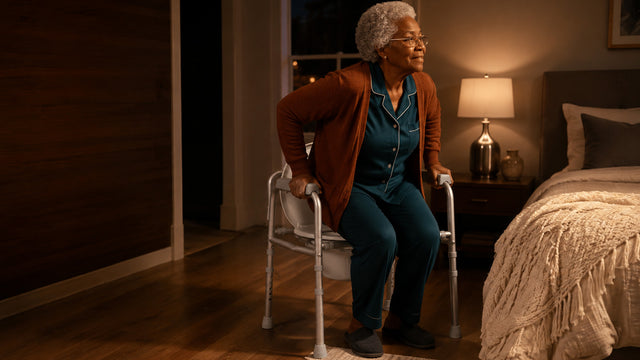
Much of occupational therapy is practical and home-focused. A therapist may look at how someone gets in and out of the bathroom, reaches the kitchen counter, or gets up from a chair, then find ways — including simple aids and safety equipment — to make each task work.
Who Is It For and When Is It Used?
Occupational therapy is used by people recovering from a stroke, surgery, or injury, and by anyone finding daily tasks harder than they used to be. The goal is always the same: help the person keep doing what matters to them.
For the person, occupational therapy is about dignity and independence — being able to dress, wash, and cook on their own terms rather than relying on others for every task. Even small adjustments can restore a lot of freedom.
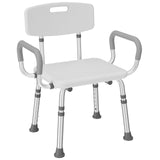
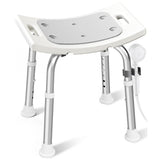
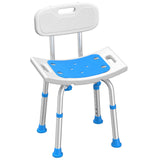
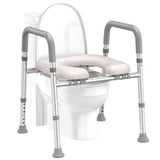
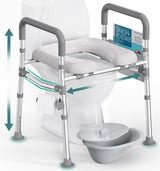
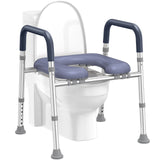
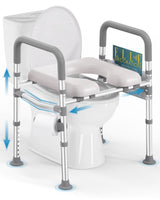
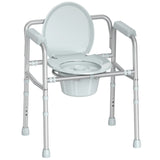
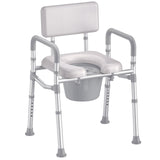
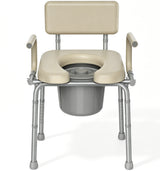
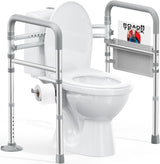
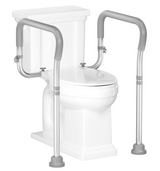
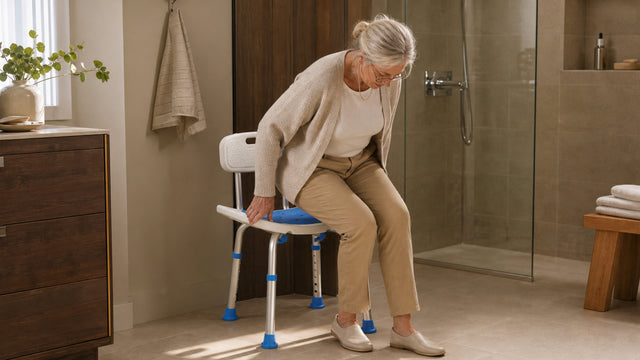
For a caregiver, occupational therapy is a source of practical solutions. A therapist can point out where a grab bar, a shower chair, a raised toilet seat, or a rearranged room would make a loved one’s day safer and less frustrating — and help everyone worry a little less.
Occupational Therapy vs Physical Therapy: What’s the Difference?
These two are closely related and often work together, but they focus on different things:
| Occupational Therapy | Physical Therapy | |
|---|---|---|
| Main focus | Everyday tasks and daily living skills | Movement, strength, and balance |
| Typical goals | Dressing, bathing, cooking, getting around the home | Walking, standing, climbing stairs, reducing pain |
| Example | Finding a safe, easier way to get in and out of the shower | Rebuilding leg strength to walk steadily |
| Question it answers | “How do I do daily tasks more easily?” | “How do I move better?” |
The simple guide: occupational therapy helps you do the activities of daily life, while physical therapy helps you move your body better. Many people work with both, and the two often overlap during recovery.
How Occupational Therapy Helps at Home
A few plain-language points on what it can look like:
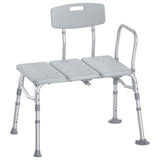
- 1Safer bathing. A therapist might suggest a shower chair, a transfer bench, or grab bars so washing feels secure rather than risky.
- 2Easier daily routines. Rearranging often-used items within easy reach, or adding a raised toilet seat, can make everyday tasks far less of a strain.
- 3Practicing real tasks. Occupational therapy often means rehearsing actual activities — getting dressed, making a cup of tea — in the place where they happen.
- 4Building on what works. The focus is on the person’s own goals, keeping their independence and dignity front and center.
Frequently Asked Questions
Occupational therapy means care that helps a person do everyday activities — such as dressing, bathing, cooking, and moving around the home — more easily and safely. An occupational therapist adapts tasks and suggests equipment so the person can stay as independent as possible.
The definition of occupational therapy is care that helps people take part in the everyday activities, or occupations, that matter to them. It focuses on practical daily living skills after an injury, illness, or change in ability, often by adapting tasks or the home environment.
Occupational therapy focuses on everyday tasks like dressing, bathing, and cooking, while physical therapy focuses on movement, strength, and balance such as walking and climbing stairs. The two often overlap, and many people benefit from both during recovery.
Yes. Occupational therapists often look at how a person manages daily tasks at home and may suggest changes or equipment — such as grab bars, a shower chair, or a raised toilet seat — to make bathing, toileting, and moving around safer and easier.