
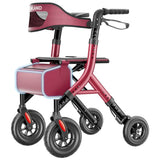
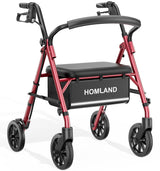
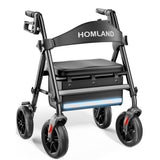
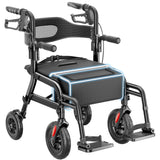
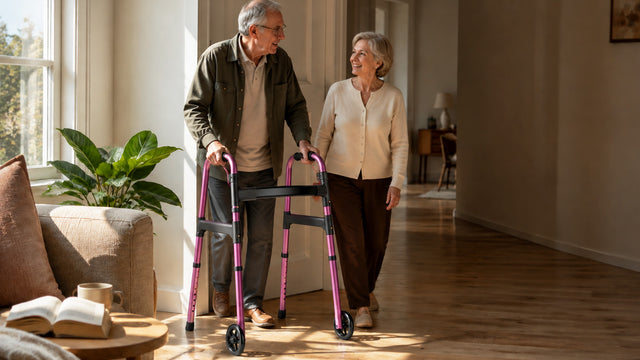
A patient transfer is the act of helping a person move from one surface to another — for example from a bed to a wheelchair, or from a chair to the toilet. Done with the right technique and equipment, a safe transfer protects both the person being moved and the caregiver helping them.
In short: safely moving a person from one place to another — bed to chair, chair to toilet — without a fall or strain.
What Is a Patient Transfer?
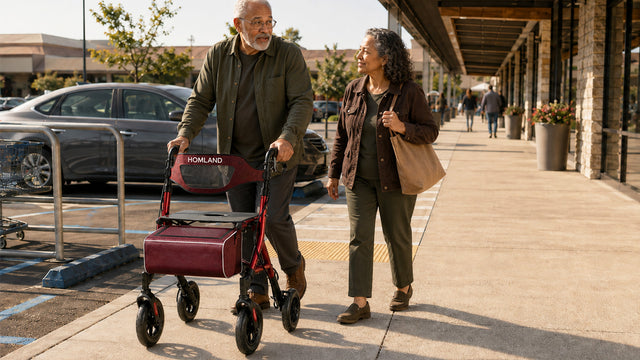
A patient transfer is simply the move from one seat or surface to another when a person can’t do it easily on their own. Common transfers happen every day at home: bed to a chair, chair to a walker, wheelchair to the toilet, or a car seat to the front door.
The word “transfer” describes both the moment and the method. A good transfer is smooth, controlled, and safe — the person is supported the whole way, and the helper uses good body mechanics so no one is hurt. A rushed or awkward transfer is where falls and back strains tend to happen.
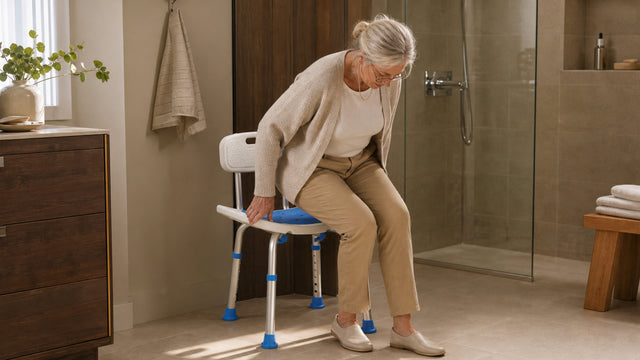
Transfers can be independent, where the person moves with a little support like a rail or a raised seat, or assisted, where a caregiver helps. The right approach depends on how much the person can do themselves and how far they need to move.
Who Is It For and When Is It Used?
This entry speaks mainly to you, the caregiver, because transfers are often where a family member’s help matters most. Understanding how to do them safely protects your loved one from falling — and protects your own back from injury.
For the person being moved, a confident, unhurried transfer preserves dignity. Being helped up gently, at their own pace, feels very different from being tugged or rushed. Keeping the move calm and predictable makes it easier for everyone.
For you as the caregiver, transfers come up around the bed, the bathroom, and the chair many times a day. Knowing a safe method and having the right equipment on hand turns a stressful moment into a routine one, and greatly lowers the chance that either of you gets hurt.
How Transfers Are Done Safely
Transfers are done with a mix of good technique and the right equipment. A few plain-language principles:
- 1Plan the move first. Clear the path, lock any wheels or brakes, and make sure both surfaces are close and at a workable height before you start.
- 2Use good body mechanics. Keep your back straight, bend at the knees and hips, hold the person close, and let your legs do the lifting rather than your back.
- 3Give the person a role. Ask them to push up with their arms, rock forward, or stand on a count of three so you’re working together, not lifting dead weight.
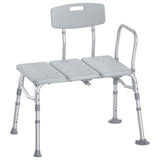
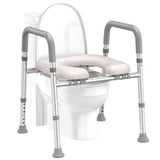
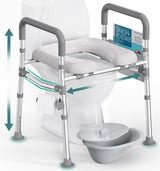
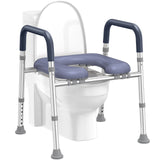
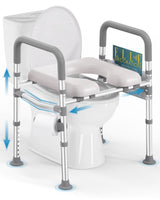
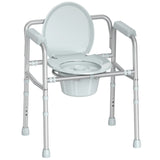
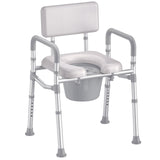
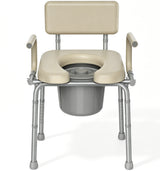
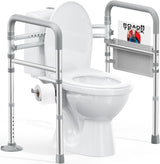
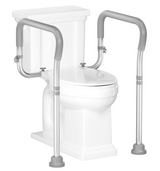
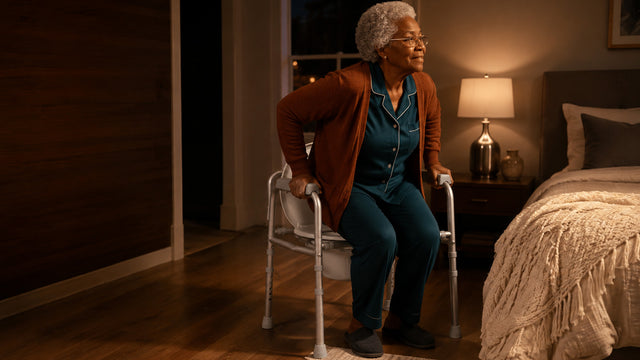
- 4Use helpful equipment. A gait belt gives a caregiver a secure handhold around the person’s waist during a stand-and-pivot transfer. A transfer bench bridges the tub wall so bathing starts and ends sitting down. A drop-arm commode has arms that swing out of the way for an easy side-to-side move onto the seat. Grab bars and raised seats reduce how far a person has to lower and lift themselves.
- 5Go slow and steady. A calm, controlled pace is safer than a quick one. If a transfer feels beyond what you can manage safely, ask for a second pair of hands.
Always follow any technique your care team has shown you for a specific person, since needs vary from one situation to the next.
Frequently Asked Questions
A patient transfer is the act of moving a person from one surface to another, such as from a bed to a wheelchair or a chair to the toilet. Done with the right technique and equipment, it keeps both the person and the caregiver safe from falls and strain.
Plan the move first, lock any wheels, and keep both surfaces close and at a workable height. Keep your back straight and lift with your legs, hold the person close, and ask them to help by pushing up or standing on a count of three. Equipment like a gait belt, grab bars, or a raised seat makes it safer and easier.
Several items help: a gait belt gives a secure handhold around the waist, a transfer bench bridges a bathtub wall, a drop-arm commode has arms that move out of the way for a side move, and grab bars and raised seats shorten the distance a person must lower and lift themselves. The right mix depends on the transfer.
Protect your back by bending at the knees and hips instead of the waist, keeping the person close, and letting your legs do the work. Prepare the space, use a gait belt or grab bars for a secure hold, and never rush. If a transfer is too heavy or awkward to do safely alone, get help.