


Physical therapy is a form of care that helps a person restore movement, strength, and balance after an injury, surgery, or illness. A physical therapist guides exercises and hands-on techniques to reduce pain and rebuild the ability to walk, stand, and move safely — often as part of recovery at home.
In short: care that helps rebuild movement, strength, and balance so a person can get back to daily life.
What Is Physical Therapy?
Physical therapy, sometimes shortened to PT, is a type of health care focused on how the body moves. It helps people recover from injuries, surgeries, and conditions that affect walking, standing, balance, or strength.
A physical therapist works with a person to set goals — walking farther, climbing stairs, standing up from a chair without help — and then guides them there with exercises, stretches, and hands-on techniques. The aim is to reduce pain and restore as much comfortable, independent movement as possible.
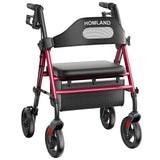
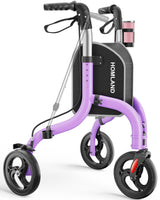
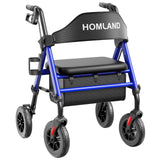
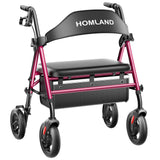
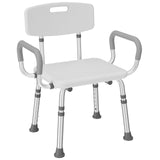
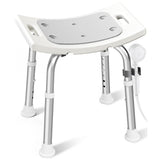
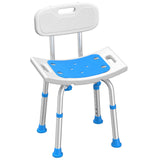
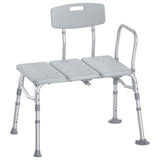
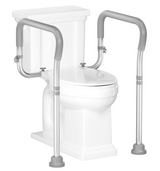
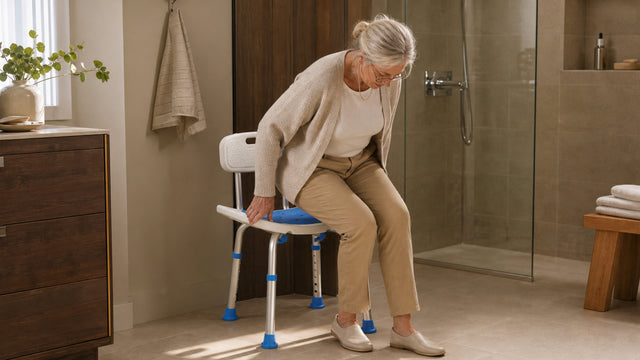
Physical therapy happens in many places: a clinic, a hospital, or a person’s own living room. Home-based physical therapy is common during recovery, and it often pairs well with everyday mobility aids that make it safer to practice moving between sessions.
Who Is It For and When Is It Used?
Physical therapy is used after all kinds of events — a hip or knee replacement, a fall, a stroke, a broken bone, or simply a gradual loss of strength and balance. It is for anyone who wants to move better and more safely.
For the person, physical therapy is about getting back to the things that matter: walking to the mailbox, playing with grandchildren, or moving around the house with confidence. Progress is often gradual, and small wins build toward real independence.
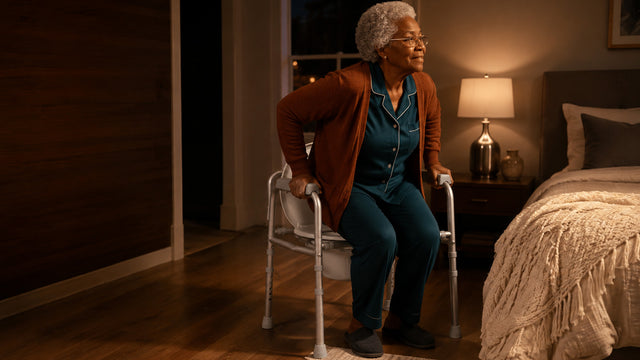
For a caregiver, physical therapy offers a plan and a set of exercises to support at home. Understanding what a loved one is working toward helps you cheer them on, keep the home safe for practice, and know when a walking aid or grab bar can make daily movement steadier between sessions.
Physical Therapy vs Occupational Therapy: What’s the Difference?
These two are often mentioned together, and people frequently mix them up:
| Physical Therapy | Occupational Therapy | |
|---|---|---|
| Main focus | Movement, strength, and balance | Everyday tasks and daily living skills |
| Typical goals | Walking, standing, climbing stairs, reducing pain | Dressing, bathing, cooking, getting around the home |
| Example | Rebuilding strength to walk without a limp | Learning a safe, easier way to get in and out of the shower |
| Question it answers | “How do I move better?” | “How do I do daily tasks more easily?” |
The simple guide: physical therapy works on how the body moves, while occupational therapy works on doing everyday activities. Many people benefit from both, and the two often overlap during recovery.
How to Make the Most of Physical Therapy at Home
A few plain-language pointers:
- 1Follow the plan. Do the exercises your physical therapist gives you at the recommended pace — steady, consistent practice usually beats occasional big efforts.
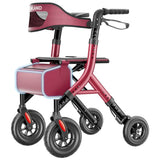
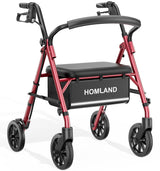
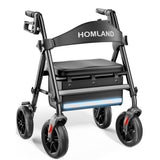
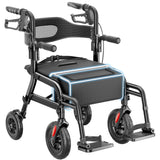
- 2Make practice safe. A clear, well-lit space and a sturdy walker, rollator, or grab bar can make moving between exercises steadier and less worrying.
- 3Track progress. Notice small gains — a few more steps, an easier stand-up. They show the work is paying off.
- 4Ask questions. If a movement hurts or feels unsafe, tell your care team so the plan can be adjusted.
Frequently Asked Questions
Physical therapy is a type of care that helps a person restore movement, strength, and balance after an injury, surgery, or illness. A physical therapist uses exercises and hands-on techniques to ease pain and rebuild the ability to walk, stand, and move safely.
Physical therapy means treatment focused on how the body moves. It helps people recover the strength, balance, and mobility they need for daily life, often through guided exercises and hands-on care from a physical therapist.
The definition of physical therapy is care aimed at restoring and improving movement, strength, and function of the body. It is used after injury, surgery, or illness to reduce pain and help a person move more comfortably and independently.
Physical therapy focuses on movement, strength, and balance — things like walking, standing, and climbing stairs. Occupational therapy focuses on everyday tasks such as dressing, bathing, and getting around the home. Many people benefit from both, and the two often work side by side.