











Respite care is short-term, temporary care that gives a family caregiver a break from looking after a loved one. Someone else steps in — at home, at an adult day center, or in a residential facility — for a few hours, a day, or longer, so the caregiver can rest, work, or handle their own life while their loved one stays safe.
In short: a temporary hand-off of caregiving so the family caregiver can rest and recharge.
What Is Respite Care?
Respite care exists for one reason: to support the people who do the caring. Looking after an aging parent or spouse is demanding, and no one can do it every hour of every day without a break. Respite care provides that break by bringing in temporary help so the caregiver can step away with peace of mind.
It comes in several forms. In-home respite sends a trained aide or companion to the house for a few hours or a day. Adult day programs offer supervised care and activities outside the home during daytime hours. Residential or facility-based respite provides a short overnight stay — useful when a caregiver travels, has surgery, or simply needs a longer rest.
Respite can be planned and regular (say, every Wednesday afternoon) or arranged for a one-off need. Either way, the goal is the same: the loved one is cared for safely, and the caregiver gets time back for their own health, work, and relationships.
Who Is It For and When Is It Used?
If you are caring for an aging parent, a spouse, or another loved one, respite care is for you. It’s easy to pour everything into caregiving and leave nothing for yourself — and that’s exactly when burnout, exhaustion, and your own health problems creep in. Respite care isn’t a luxury or a sign of failing; it’s part of caring well, over the long haul.
Caregivers reach for respite in all kinds of moments: to keep a job, to attend an appointment, to travel, to recover from their own illness, or simply to sleep and reset. Many find that regular, scheduled respite is what makes long-term caregiving sustainable at all. Your loved one benefits too — a rested caregiver is a safer, more patient one, and a bit of new company and routine can lift their spirits.
If you feel constantly drained, short-tempered, or unable to remember your last real break, that’s the signal to look into respite care sooner rather than later.
How to Choose Respite Care
A few things to think through as a caregiver:
- 1Match the setting to the need. In-home respite keeps your loved one in familiar surroundings; adult day programs add social activity; residential respite covers overnight or longer breaks.
- 2Check the level of care. Make sure the provider can handle specific needs — mobility help, medications, memory support — safely.
- 3Look at scheduling. Decide whether you need regular, recurring breaks or occasional coverage, and confirm availability.
- 4Ask about cost and coverage. Respite may be paid out of pocket, or partly covered by insurance, veterans’ benefits, or local programs — worth checking early.
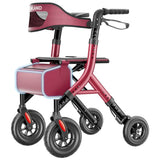
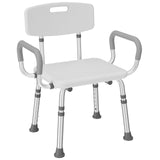
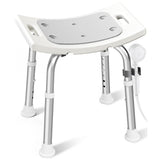
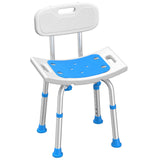
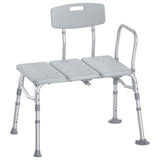
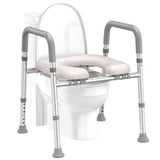
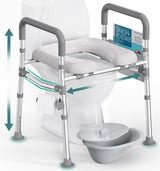
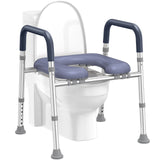
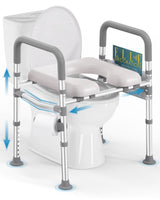
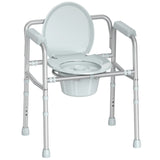
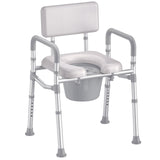
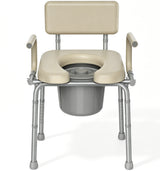
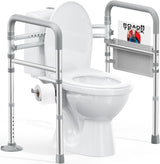
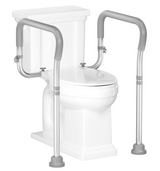
- 5Prepare the home. Whoever steps in will care for your loved one more safely in a home set up for it — good lighting, grab bars, a shower chair, and clear walkways help any caregiver, familiar or new.
Making the home steady and safe supports everyone who provides care, including a respite worker; the HOMLAND range of home-friendly mobility and bathroom-safety equipment can help with that groundwork.
Frequently Asked Questions
Respite care is short-term, temporary care that gives a family caregiver a break. Another caregiver steps in — at home, at an adult day center, or in a residential facility — for a few hours, a day, or longer, so the primary caregiver can rest, work, or manage other responsibilities while their loved one stays safe.
For the caregiver, respite care means time to rest and recharge without worrying about their loved one. It provides temporary, trusted coverage so a caregiver can attend appointments, keep a job, travel, recover, or simply sleep — helping prevent burnout and making long-term caregiving sustainable.
The main types are in-home respite, where an aide comes to the house; adult day programs, which offer supervised daytime care outside the home; and residential or facility-based respite, which provides short overnight or longer stays. Respite can be scheduled regularly or arranged for a one-time need.
Common signs are feeling constantly exhausted, short-tempered, isolated, or unable to remember your last real break. If caregiving is affecting your own health, work, or relationships, that's a strong signal to arrange respite care — taking a break is part of caring well, not a failure.