
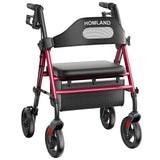
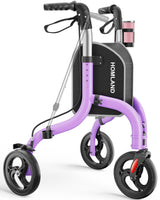
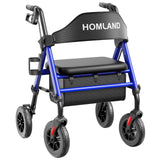
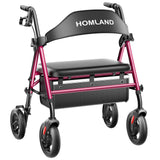
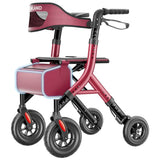
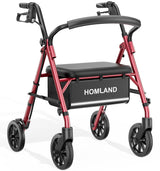
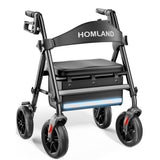
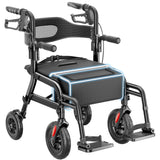
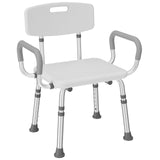
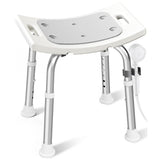
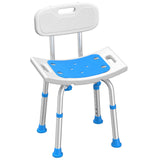
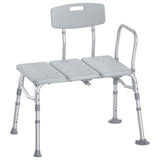
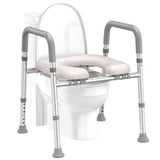
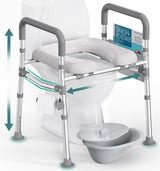
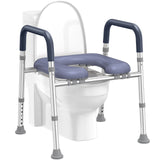
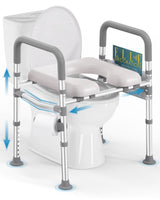
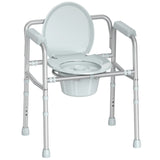
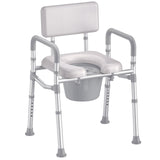
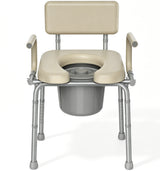
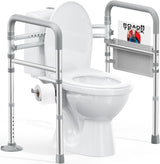
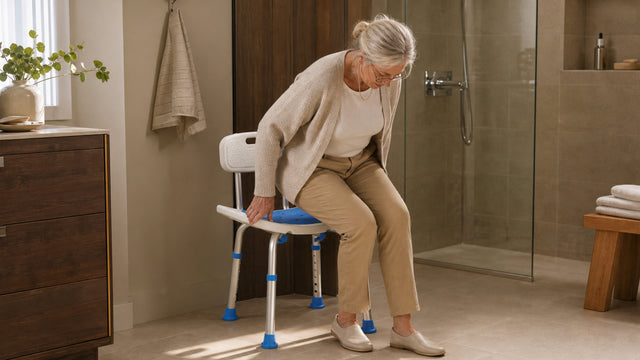



A shower bench is a wide, water-resistant seat placed inside a shower or tub so a person can bathe sitting down. Longer than a shower chair, it offers more room to sit, shift, or set down a sponge and soap — giving a steady, comfortable place to wash without standing on a slippery floor.
In short: a wider, bench-style shower seat with extra room to sit and move, for safer seated bathing.
What Is a Shower Bench?
A shower bench is a bathroom-safety seat built for washing while seated. Like a shower chair, it sits inside the shower or tub and gives the user a stable place to rest instead of standing on a wet surface. What sets it apart is the shape: a bench has a longer, wider seat, so there’s more room to sit comfortably, slide along, or keep bathing supplies within reach.
Most shower benches have a non-slip seat with drainage holes, rubber-tipped feet that grip the floor, and adjustable-height legs. Some come with a backrest for extra support; others are a simple flat bench. The wider surface makes a bench a good choice for larger users, for people who like more space, or for anyone who needs to shift position while bathing.
Because it sits fully inside the shower or tub, a shower bench suits someone who can step in safely on their own. It’s closely related to a shower chair and a tub transfer bench — the bench simply trades the compact footprint of a chair for a roomier, steadier seat.
Who Is It For and When Is It Used?
A shower bench is a good fit for someone who:
- Wants to bathe sitting down and prefers a wider, roomier seat than a standard shower chair.
- Is a larger user who needs a sturdy, spacious seat with extra support.
- Is recovering from surgery or illness and needs to wash without standing for long.
The bathroom is one of the most common places for a fall at home, with wet floors and little to hold onto. Falls are a serious concern as we age: the CDC reports that about 1 in 4 adults aged 65 and older falls each year, and falls are the leading cause of injury in this age group.1 Sitting on a stable bench removes the need to balance on a slick floor, which takes much of the worry out of everyday bathing.
For a caregiver, the extra width also makes it easier to help — there’s room to sit beside or support a loved one during a bath instead of steadying them on their feet.
Shower Bench vs Shower Chair: What’s the Difference?
These two are close cousins, and the choice mostly comes down to size and shape:
| Shower Bench | Shower Chair | |
|---|---|---|
| Seat | Longer, wider bench-style seat | Compact single-person seat |
| Room to move | More space to sit, shift, or slide | Snug fit, just enough to sit |
| Arms | Usually armless for open sliding room | Often has armrests to push up from |
| Best for | Larger users, or anyone wanting more space | Tight showers, or those who want arm support |
The simple guide: if space in the shower allows and the user wants more room or extra sturdiness, a bench is a comfortable choice. If the shower is small or the user wants armrests to push up from, a shower chair may fit better. Pairing either one with a wall-mounted grab bar adds a secure handhold.
How to Choose and Use a Shower Bench
A few things worth checking before you buy:
- 1Fits your space. Measure the shower or tub floor so the full length of the bench sits flat with every foot steady.
- 2Back or backless. A backrest adds support and comfort; a flat bench gives more open room to slide and reposition.
- 3Non-slip and rust-resistant. Look for a textured seat, rubber feet, and corrosion-proof materials that hold up in a wet room.
- 4Sturdiness. For heavier users, choose a reinforced, heavy-duty or bariatric bench built for extra support rather than focusing on a single figure.
- 5Adjustable height. Legs that adjust let you set the seat where the user’s feet rest flat and standing up feels easy.
To use it safely, set the bench with all feet flat and steady, step in carefully — holding a grab bar if you have one — and lower yourself onto the seat. Wash while seated, and stand up from the bench rather than the wet floor.
HOMLAND shower benches are engineered for tool-free assembly and adjustable heights, and are FSA/HSA eligible, backed by a US local warehouse for fast delivery and a manufacturer warranty.
Frequently Asked Questions
A shower bench is used to let a person bathe sitting down on a wide, stable seat instead of standing on a slippery floor. Its longer surface gives more room to sit, shift position, or keep bathing supplies close, making showering safer and more comfortable.
A shower bench has a longer, wider seat with more room to sit and move, and is often armless. A shower chair is a compact single-person seat, frequently with armrests to push up from. Benches suit larger users or those wanting more space; chairs suit tighter showers.
Neither is simply better — it depends on the person and the space. A bench offers more room and sturdiness, which suits larger users or bigger showers. A chair is more compact and often has armrests. Choose the one that fits the shower and the user's needs.
Yes. Shower benches are a common choice for larger users because of their wider seat and sturdy build. For extra support, look for a reinforced, heavy-duty or bariatric bench designed for greater capacity.
- Centers for Disease Control and Prevention (CDC) — Facts About Falls. www.cdc.gov/falls/data-research/facts-stats/index.html