
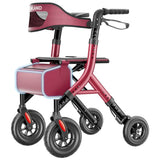
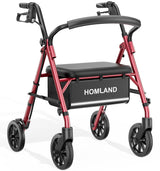
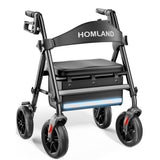
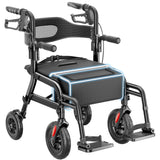
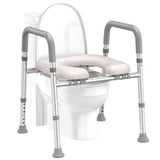
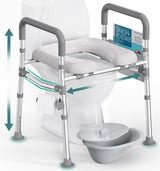
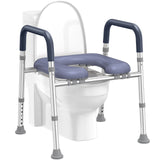
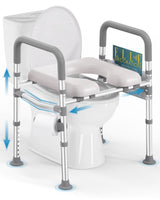

Universal design is an approach to designing homes, products, and spaces so they work for as many people as possible — regardless of age, size, or ability — without the need for special adaptation. Features like step-free entries, lever handles, and walk-in showers help everyone, from a child to a grandparent, use the same space with ease.
In short: designing spaces and products that work for everyone by default — no special version, no add-ons required.
What Is Universal Design?
Universal design is a design philosophy built on a simple idea: if something is made to work for people with the widest range of abilities from the start, it works better for everyone. A step-free entrance helps a wheelchair user, a parent with a stroller, and someone carrying groceries alike.
It differs from a “fix it later” mindset. Instead of building a standard home and then adapting it when a need arises, universal design bakes usability in from the beginning — so the home rarely needs retrofitting at all. The result usually looks like an ordinary, attractive home, not a clinical one, which is a big part of the appeal.
The concept is often described through a handful of guiding principles: equitable use (usable by diverse people), flexibility, simple and intuitive operation, clear information, tolerance for error, low physical effort, and enough size and space to approach and use things comfortably. In a home, that translates into features like lever door handles, rocker light switches, curbless showers, wider doorways, and grab-bar-ready walls.
Who Is It For and When Is It Used?
The honest answer is: everyone. That’s the point of universal design — it isn’t aimed at a single group. But it delivers the most obvious benefit to older adults, people with disabilities, and families who want a home that will still fit them as life changes.
For an older adult, a universally designed home means independence that lasts — bathing, cooking, and moving around without the space fighting back. For an adult child thinking ahead, it means a parent’s home (or their own) won’t need an urgent, stressful renovation the moment mobility changes. Universal design is most often applied when building or renovating a home, but its mindset also guides the everyday products a family chooses, from adjustable seating to easy-grip fixtures.
Because it plans for change rather than reacting to it, universal design pairs naturally with aging in place: the home is ready before the need arrives.
Universal Design vs Accessible (ADA) Design: What’s the Difference?
These terms overlap but aren’t the same. The difference is who the design targets:
| Universal Design | Accessible / ADA Design | |
|---|---|---|
| Goal | Usable by everyone, all ages and abilities | Usable by people with disabilities |
| Driven by | A design philosophy applied by choice | Legal standards and code requirements |
| Where it applies | Often private homes and products | Often public and commercial buildings |
| Look and feel | Blends in; looks like an ordinary home | Meets specific technical specifications |
| Approach | Built in from the start for all | Ensures a minimum standard of access |
The simple guide: ADA and accessible design set a required standard so people with disabilities can use a space. Universal design goes broader and voluntary — aiming for a space that works beautifully for everyone, which usually covers accessibility needs and then some.
How to Apply Universal Design at Home
Practical ways to bring the principles into a real home:
- 1Remove the steps. Aim for step-free or ramped entries and level thresholds between rooms.
- 2Choose easy-operate fixtures. Lever handles, rocker switches, and touch or pull-down features reduce grip and reach effort.
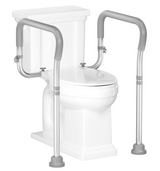
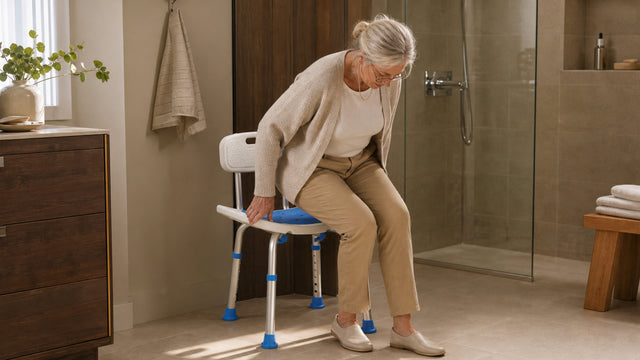
- 3Design the bathroom for all. A curbless walk-in shower, a built-in or add-on seat, and reinforced walls ready for grab bars serve every age.
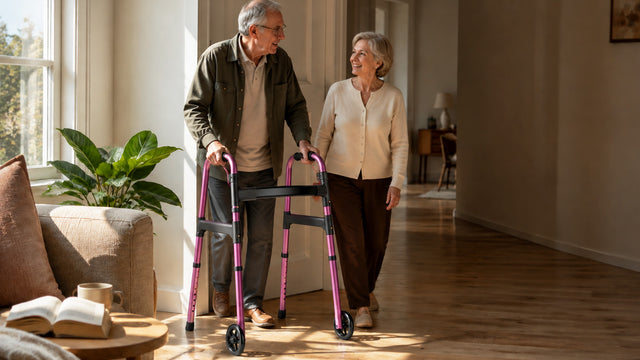
- 4Give space to move. Wider doorways and clear turning space help walkers, wheelchairs, and everyday traffic.
- 5Light it well. Bright, even, glare-free lighting supports aging eyes and everyone else.
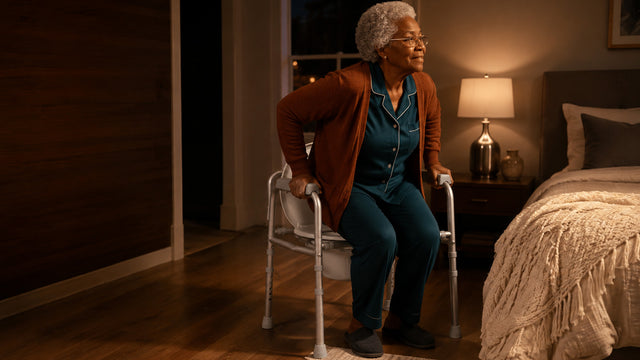
- 6Pick adjustable, sturdy products. Height-adjustable seating and reinforced, heavy-duty equipment flex to the person using them.
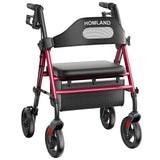
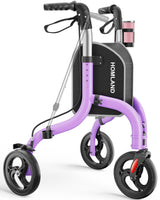
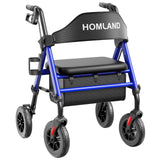
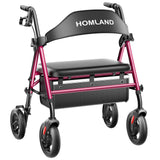
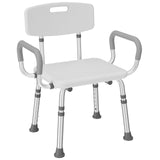
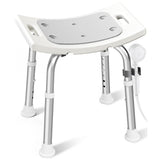
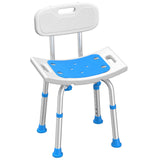
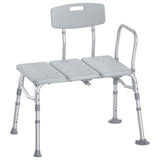
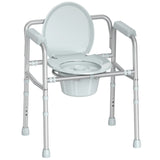
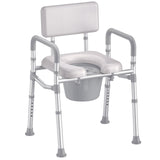
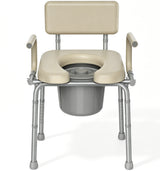
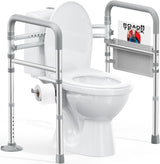
Many everyday universal-design pieces — adjustable, easy-to-use shower and toilet safety products — are available across the HOMLAND range, built for tool-free setup and adjustable heights so a home fits more of the people who live in and visit it.
Frequently Asked Questions
Universal design means designing homes, products, and spaces so they can be used by as many people as possible — across ages, sizes, and abilities — without special adaptation. Features like step-free entries, lever handles, and walk-in showers make the same space easy for nearly everyone to use.
Accessible or ADA design meets legal standards so people with disabilities can use a space, and it's common in public buildings. Universal design is a broader, voluntary philosophy aimed at making spaces usable by everyone. Universal design usually covers accessibility needs and then goes further.
Common examples include step-free or ramped entries, wider doorways, curbless walk-in showers, lever door handles, rocker light switches, walls reinforced for grab bars, bright even lighting, and height-adjustable seating. These features help older adults, people with disabilities, and everyone else alike.
Universal design plans for changing needs before they arise, so a home rarely needs an urgent renovation later. A home built or updated this way lets an older adult bathe, cook, and move around independently as mobility changes, making it far easier to stay at home safely.