
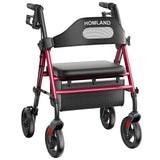
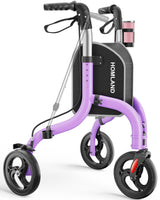
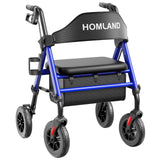
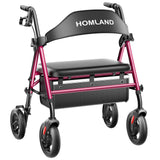
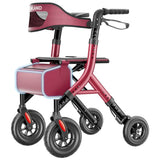
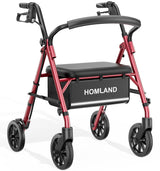
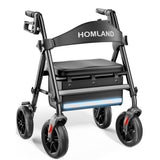
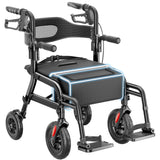
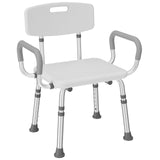
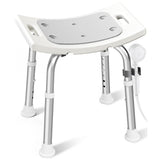
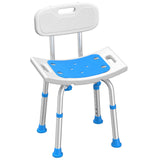
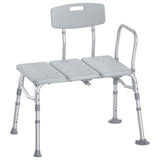
A walking cane is a handheld mobility aid — a single shaft with a grip on top and a rubber tip at the bottom — held in one hand to add balance and take some weight off a weaker or sore leg. It is the lightest, simplest walking aid, ideal for people who need a little extra steadiness rather than full support.
In short: a light, one-handed stick for balance and confidence, for people who need a little steadiness, not a full frame.
What Is a Walking Cane?
A walking cane is the most basic and widely used walking aid. It is a straight or curved shaft, usually of aluminum or wood, with a comfortable handle at the top and a non-slip rubber tip at the bottom. The user holds it in one hand — typically the hand opposite the weaker leg — and leans on it a little with each step for balance and support.
A cane does not carry a person’s full weight the way a walker does. Instead, it provides a helpful third point of contact with the ground, steadying the user and taking some pressure off a sore hip, knee, or ankle. That makes it a good match for people who are mostly steady but want a bit more confidence.
Canes come in several styles: a classic single-point cane with one tip, a quad cane with a four-footed base that stands on its own, an offset cane with an ergonomic handle that centers weight over the shaft, and folding canes that collapse for travel. The right style depends on how much support and stability the person needs.
Who Is It For and When Is It Used?
A walking cane is a good fit for someone who:
- Is mostly steady on their feet but wants a little extra balance and confidence.
- Has a weaker or painful leg, hip, or knee and wants to take some weight off it while walking.
- Is recovering and stepping down from a walker to something lighter as their strength returns.
Falls are a real concern as we age: the CDC reports that about 1 in 4 adults aged 65 and older falls each year, and falls are the leading cause of injury in this age group.1 For someone who only needs a small amount of support, a cane can add that steadying third point of contact without the bulk of a walker — helping them stay active and independent.
For a caregiver, a cane can be a reassuring first step. It lets a parent keep moving confidently around the house and neighborhood while signaling to others to give them a little space and care.
How to Choose and Use a Walking Cane
A few things worth checking before you buy:
- 1Height fit. Standing tall with arms relaxed, the cane’s handle should reach the crease of the wrist, so the elbow bends slightly when holding it. Look for an adjustable-height cane.
- 2Handle comfort. An ergonomic or padded grip is easier on the hand and wrist, especially for longer walks or arthritic hands.
- 3Base type. A single-point cane is lightest and simplest; a quad cane’s four-footed base adds stability and stands on its own; an offset cane centers weight for a steadier feel.
- 4Tip. A non-slip rubber tip in good condition is essential — replace it when the tread wears down.
- 5Foldability. A folding cane tucks into a bag for travel and outings.
- 6Sturdiness. For heavier users, choose a reinforced, heavy-duty model built for extra support rather than focusing on a single number.
To use it safely: hold the cane in the hand opposite your weaker leg, move the cane and the weaker leg forward together, then step through with the stronger leg. On stairs, lead up with the stronger leg and down with the weaker leg and the cane.
HOMLAND walking canes are engineered for adjustable heights and comfortable grips, and are FSA/HSA eligible, backed by a US local warehouse for fast delivery and a manufacturer warranty — so choosing one is low-risk.
Frequently Asked Questions
A walking cane is a handheld mobility aid — a single shaft with a grip on top and a rubber tip at the bottom — held in one hand to add balance and take some weight off a weaker or sore leg. It is the lightest, simplest walking aid, best for people who need a little extra steadiness.
"Walking cane" means a single-handed stick used to aid walking. It gives the user a steadying third point of contact with the ground, improving balance and easing pressure on a sore or weak leg. It is meant for light support, unlike a walker, which bears more of a person's weight.
By definition, a walking cane is a lightweight handheld support with a handle and a non-slip tip, held in one hand to improve balance and reduce strain on a weaker leg while walking. Styles include single-point, quad, and offset canes, differing in how much stability they provide.
Hold the cane in the hand opposite your weaker or sore leg. Move the cane forward together with the weaker leg, then step through with the stronger leg. This keeps you balanced and shares the load between the cane and your stronger side.
- Centers for Disease Control and Prevention (CDC) — Facts About Falls. www.cdc.gov/falls/data-research/facts-stats/index.html