
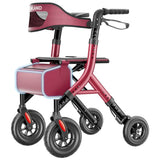
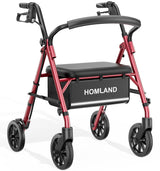
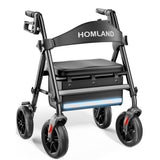
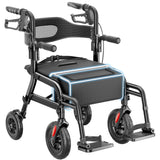


Weight-bearing describes how much of a person’s body weight a healing leg or foot is allowed to carry while it recovers. A care team sets the limit — from full weight-bearing, where all weight is fine, to non-weight-bearing, where the limb carries none at all — to protect the injury as it heals.
In short: the rule for how much weight a healing leg or foot may take, set by a care team during recovery.
What Is Weight-Bearing?
Weight-bearing means putting weight through a part of the body — usually a leg, foot, or ankle — by standing or walking on it. After an injury or surgery, a doctor often gives a “weight-bearing status,” which is simply the instruction for how much weight the healing limb may take.
These instructions matter because bones, joints, and soft tissue need the right amount of load to heal well: too much too soon can slow recovery, while the right amount at the right time supports it. The status usually changes over the course of recovery as the limb gets stronger.
You will hear a few common levels. Full weight-bearing means the person can stand and walk normally on the limb. Partial weight-bearing means only some weight is allowed. Non-weight-bearing means no weight at all. There are also in-between instructions like “weight-bearing as tolerated,” where the person adds weight to their own comfort level.
Who Is It For and When Is It Used?
Weight-bearing status is most relevant after a foot, ankle, leg, or hip injury or surgery. Knowing what the term means helps a person — and the family helping them — follow the recovery plan correctly.
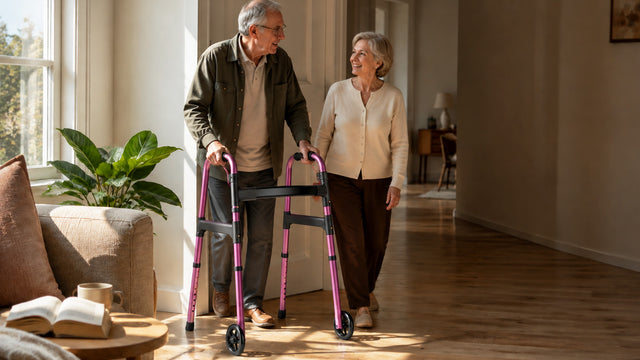
For the person recovering, the status shapes everyday life: whether they can walk to the kitchen normally, need to lean on a walker, or must keep the limb off the ground entirely. Matching the right mobility aid to the status keeps recovery on track without overdoing it.
For a caregiver, understanding weight-bearing takes the guesswork out of helping. It tells you when a loved one needs a steadying hand, a walker, or a device that keeps weight off the leg completely — and when they can safely do more on their own.
Weight-Bearing vs Non-Weight-Bearing: What’s the Difference?
The clearest way to understand the term is to see the levels side by side:
| Status | What It Means | Typical Support |
|---|---|---|
| Full weight-bearing | All of the body’s weight can go through the limb | Usually none, or a cane for confidence |
| Partial weight-bearing | Only some weight is allowed on the limb | A walker or crutches to share the load |
| Non-weight-bearing | No weight at all on the limb | Crutches or a knee scooter to keep it fully off the ground |
The simple guide: the less weight a limb is allowed to take, the more a mobility aid does the work of supporting or replacing that weight. Always follow the specific status a care team has given, since it can change as healing progresses.
How to Follow a Weight-Bearing Plan
A few plain-language pointers:
- 1Know your exact status. “Partial” and “non” are very different — confirm which one applies and for how long.
- 2Match the aid to the level. A cane or walker helps with partial weight-bearing; crutches or a knee scooter keep weight fully off for non-weight-bearing.
- 3Watch for changes. Weight-bearing status often advances during recovery. Follow the updated instruction rather than the old one.
- 4Set up the home. Clear paths and a plan for stairs make sticking to the status far easier.
Frequently Asked Questions
Weight-bearing means putting weight through a limb by standing or walking on it. After an injury or surgery, a care team sets a weight-bearing status that tells a person how much weight their healing leg or foot may safely carry as it recovers.
The definition of weight-bearing is the amount of body weight a person is allowed to place on a healing limb. It ranges from full weight-bearing, where all weight is fine, to non-weight-bearing, where no weight is allowed at all.
Weight-bearing means the limb can take some or all of the body's weight, while non-weight-bearing means it can take none. The less weight allowed, the more a mobility aid like crutches or a knee scooter is used to support or replace that weight.
It varies with the injury and the person, and only a care team can say. Weight-bearing status usually advances during recovery — often moving from non-weight-bearing to partial and then full — so it is important to follow the current instruction.