



Getting on and off the toilet is something most people never think twice about — until it becomes a challenge. For someone recovering from hip replacement surgery, managing arthritis in their knees, or simply noticing that standing up takes a little more effort than it used to, a standard toilet can start to feel like an obstacle. The good news: a raised toilet seat is one of the simplest, most affordable changes you can make to a bathroom — and it can restore real independence without a single renovation.
This guide covers everything you need to make a confident purchase: how different heights work, when handles genuinely help, which installation type suits your bathroom, and what physical therapists typically recommend for specific conditions. Whether you're buying for yourself or helping a parent or loved one, you'll leave knowing exactly what to look for — and what to skip.
Good to know before you start: HOMLAND raised toilet seats are FSA/HSA eligible, backed by a 1-year manufacturer warranty plus a 1-year extended warranty, and ship from a US local warehouse for fast delivery. They're also authorized by licensed Doctors of Physical Therapy (DPT), so every design decision is grounded in real mobility science — not guesswork.
What Is a Raised Toilet Seat?
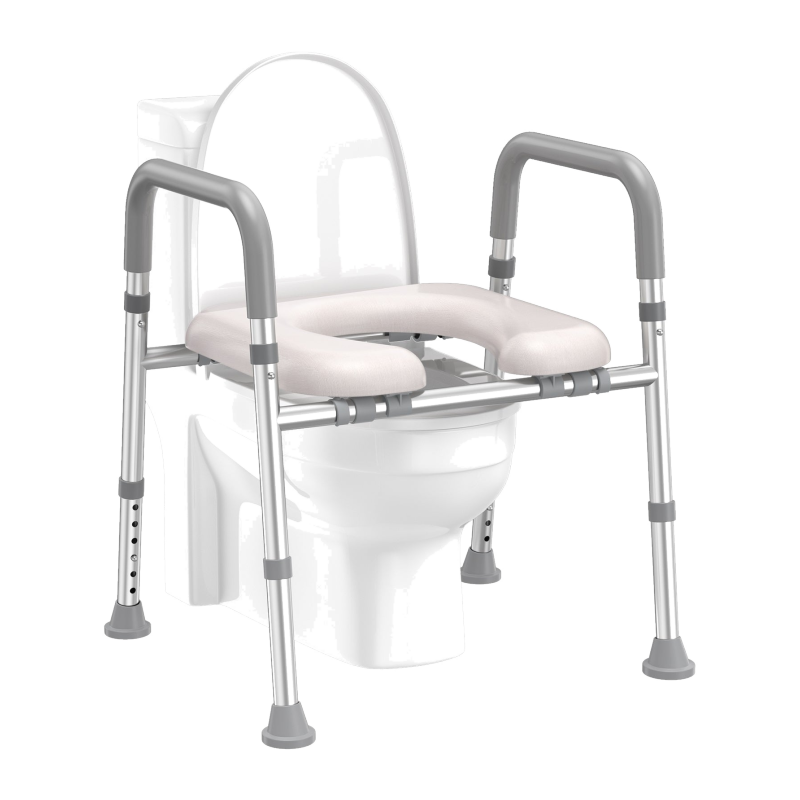
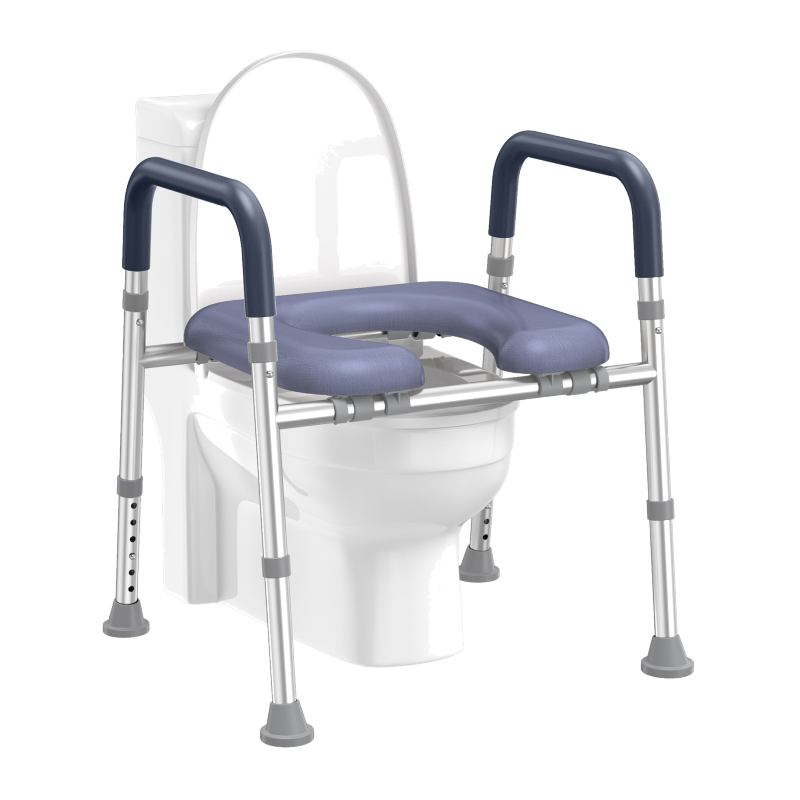
A raised toilet seat — also called a toilet riser, elevated toilet seat, or toilet booster seat — is a safety accessory that fits directly onto your existing toilet to increase its sitting height. That's it. There's no plumbing work, no replacing your toilet, and in most cases no tools required. You simply place or lock it onto the bowl, and your toilet is now several inches higher, making it noticeably easier to sit down and stand back up.
Standard residential toilets sit somewhere between 15 and 17 inches from the floor to the seat rim. For someone in good health, that's perfectly functional. But for someone with weakened leg muscles, a healing joint, or reduced balance, that low height forces a deep knee bend on the way down and a significant push to get back up — exactly the kind of movement that increases fall risk. A raised toilet seat closes that gap, making the sit-to-stand transition shorter, safer, and far less taxing on the body.
Raised toilet seats are part of the broader family of home bathroom safety products that help people maintain their routines without assistance — the kind of quiet, practical support that makes a real difference every single day.
Who Benefits from a Raised Toilet Seat?
Raised toilet seats are most commonly associated with older adults, but the people who benefit from them span a wide range of situations. Physical therapists often recommend them for anyone who notices that sitting down or standing up from the toilet requires more effort than it should, or who reaches for the wall, the sink, or a towel bar for support during the process.
A raised toilet seat is worth considering if you or someone you care for:
- Is recovering from hip, knee, or back surgery (surgeons often specify a minimum toilet height of 20–21 inches post-hip replacement to protect the new joint)
- Has arthritis, joint pain, or reduced lower-body strength
- Experiences dizziness or balance issues that make standing from a low position risky
- Has been diagnosed with Parkinson's disease, MS, or another condition affecting coordination
- Simply takes longer to use the bathroom due to physical limitations
- Currently needs a caregiver to assist with toileting — and would prefer not to
For caregivers: helping someone transfer on and off the toilet is physically demanding and carries its own injury risk. A raised toilet seat that gives the person enough height and support to manage independently isn't just good for them — it protects you, too.
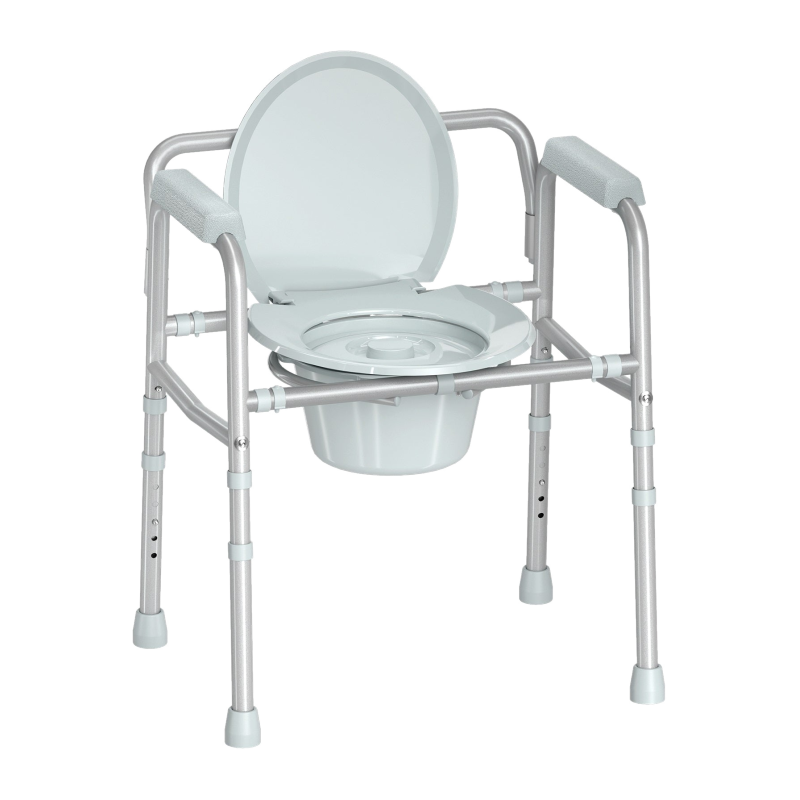
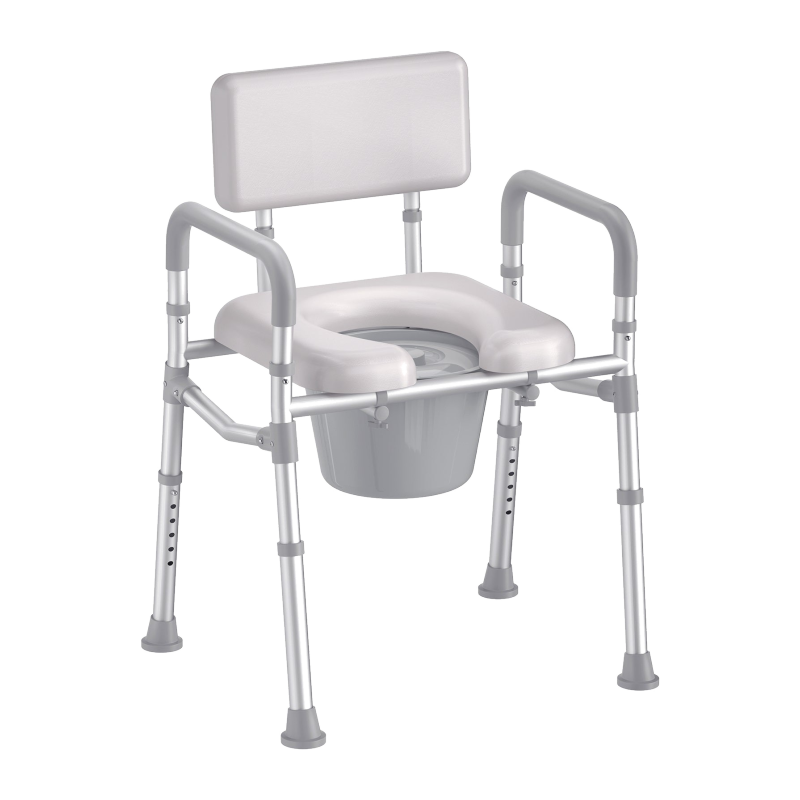
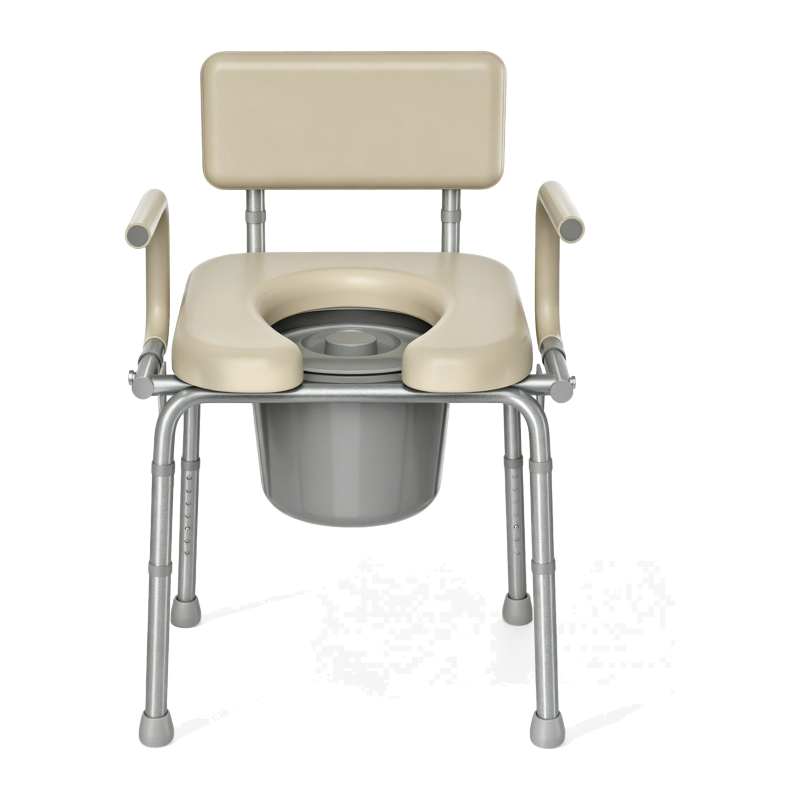
If the challenge isn't just height but also reaching the bathroom in time, a bedside commode placed closer to the bedroom may be the more appropriate solution. But for the majority of people with mobility concerns, a raised toilet seat used in their existing bathroom is the right first step.
Why Toilet Height Matters More Than You Think
Those extra inches might seem minor on paper, but they translate to a significant mechanical advantage for anyone with limited lower-body strength. When a toilet is too low, your knees end up higher than your hips when seated — a position that makes it much harder to generate the upward force needed to stand. Raise the seat by even 2 to 4 inches, and suddenly your hips are level with or above your knees, putting you in a position where your leg muscles can actually do their job.
The CDC has confirmed the bathroom as the most hazardous room in the home for older adults, and research consistently shows that toilet transfers — sitting down and standing up — are among the most fall-prone moments in a senior's day. A raised toilet seat directly reduces the distance and effort required for that transfer, lowering the opportunity for a slip or stumble.
For those recovering from hip replacement surgery in particular, most orthopedic care teams specify a minimum total seat height of 20 to 21 inches during the first several weeks post-surgery, to avoid bending the new joint beyond 90 degrees. A raised toilet seat is often the fastest and most affordable way to meet that requirement at home without replacing the toilet itself.
How to Measure for the Right Height
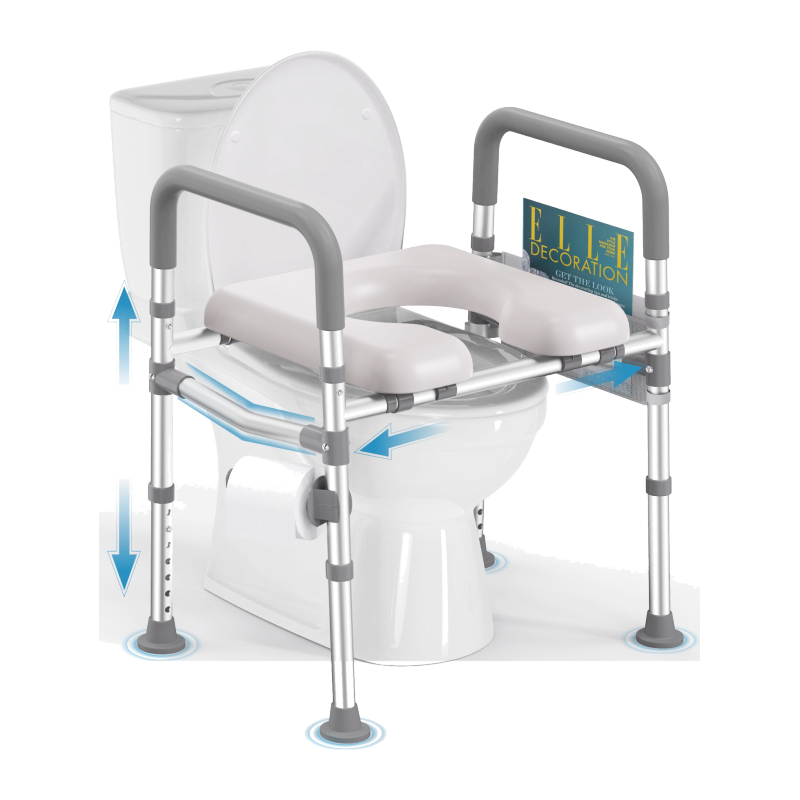
Raised toilet seats typically add 2, 4, or 6 inches to your existing toilet height, with some models offering 3.5 or 5 inches as well. Choosing the right one isn't about picking the tallest option — it's about finding the height that puts your hips at or just above knee level when seated, with your feet flat on the floor. Here's how to find that number in three simple steps:
- Measure from the floor to the back of the knee — Have the person stand upright and measure from the floor straight up to the crease behind the knee. This is your target seated height.
- Measure your toilet's current seat height — With the existing seat down, measure from the floor to the top of the seat surface.
- Subtract the toilet height from the knee measurement — The difference is the amount of elevation you need. For example, if the knee height is 19 inches and the current toilet seat is 16 inches, you need approximately a 3-inch riser (a 4-inch model would work well).
A quick rule of thumb: if the user's knees are noticeably higher than their hips when sitting on the current toilet, more height is needed. If the toilet is already at a comfortable height but standing up is the main challenge, a smaller riser combined with handles (covered below) may be the better call. When in doubt, physical therapists lean toward slightly more height rather than less — it's much easier to stand from a higher position than a lower one.
Handles or No Handles? How to Decide
This is the question most buyers wrestle with, and the answer comes down to one practical test: when the person tries to stand up from a chair, do they use their arms to push themselves up, or can they rise using just their legs? If the arms are involved — even just a little — handles on the toilet seat will make a meaningful difference.
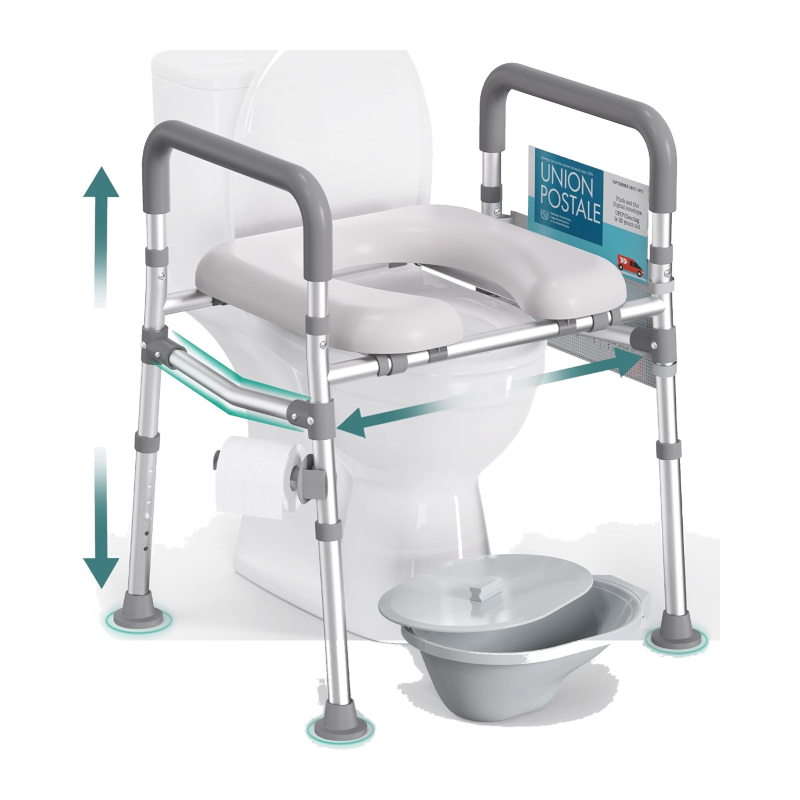
Raised toilet seats with handles (also called armrests) give the user something solid to grip and push down on during the sit-to-stand transfer. For anyone with weaker leg muscles, significant balance concerns, or who is early in a post-surgery recovery, that pushing assist can be the difference between managing independently and needing help. Physical therapists frequently recommend handle-equipped seats for people in these situations because the added upper-body support compensates for reduced lower-body power.
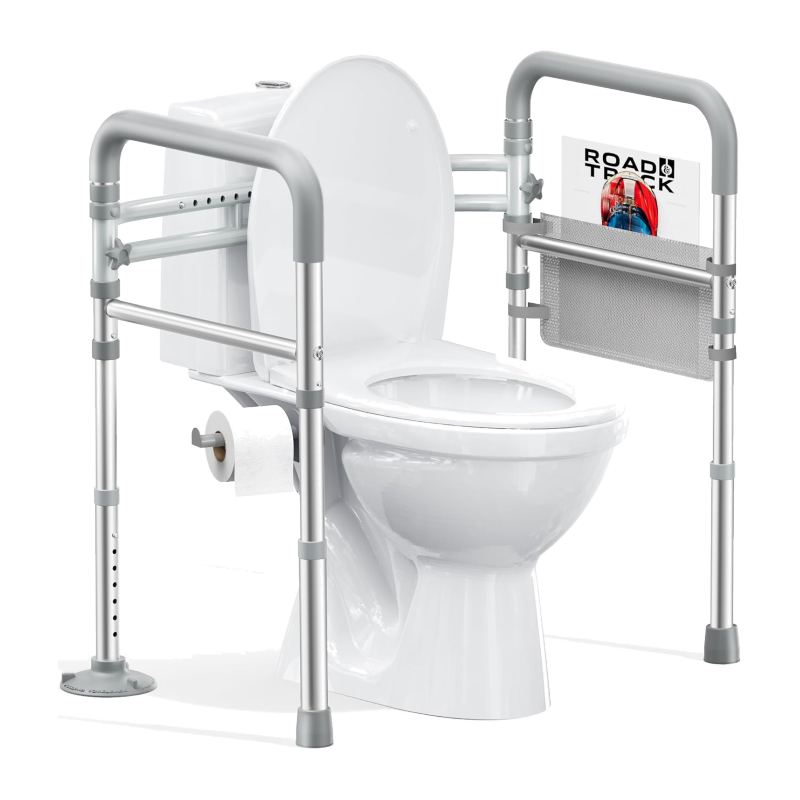
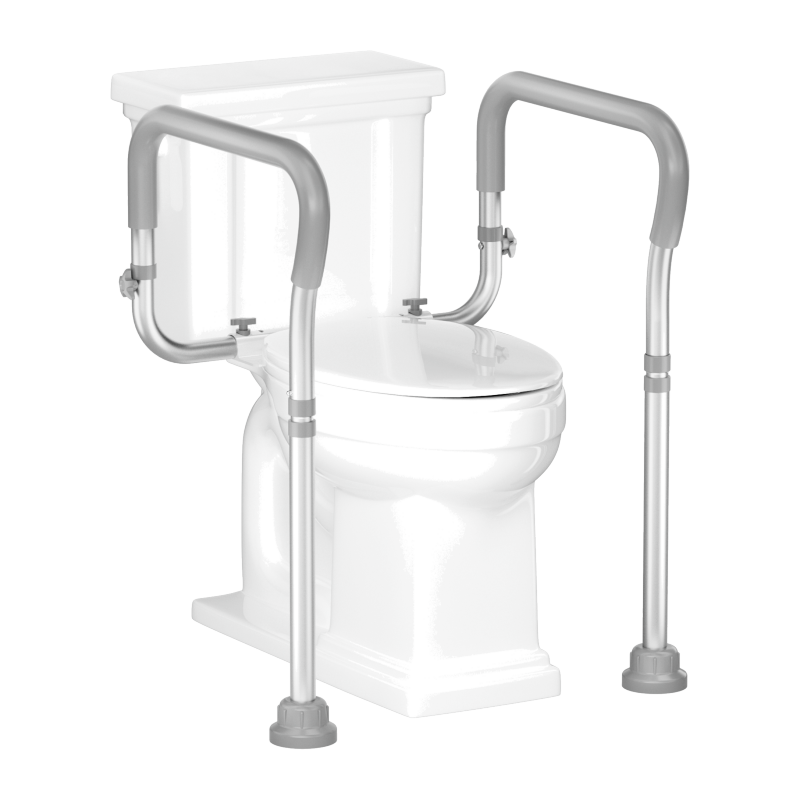
A seat without handles, on the other hand, offers a cleaner profile, is often easier to clean, and works well in smaller bathrooms where fixed armrests might bump into cabinetry or walls. For users who have reasonable leg strength and mostly need the height adjustment, a handleless model is a perfectly appropriate choice — and can be paired with a separate toilet safety rail that installs alongside the toilet for added grab support without the bulk of integrated arms.
If you do choose a model with handles, take one extra measurement: the width between the armrests. A user with a broader build needs enough clearance to sit comfortably without the handles pressing in from the sides. Many quality models feature adjustable-width armrests specifically to accommodate this.
Installation Types: Which One Is Right for Your Bathroom?
The way a raised toilet seat attaches to your toilet affects its stability, how easy it is to remove, and whether it can be shared with other household members who don't need it. There are three main installation types:
Locking (Clamp-On) Raised Toilet Seats
These are the most popular style for home use. A twist knob or bracket mechanism locks the seat firmly onto the toilet bowl without any tools. They're quick to install and remove, which makes them ideal when the bathroom is shared with other family members who want the toilet back to its standard height. The locking mechanism provides solid, stable support — noticeably more secure than non-locking models. This is the type most physical therapists and home health aides recommend for everyday use at home.
Bolted Raised Toilet Seats
Bolted seats attach using the toilet's existing bolt holes, installing beneath the seat lid for a more permanent, integrated fit. They offer the most stable foundation of any type and allow the toilet lid to function normally. The trade-off is that they require basic tools to install and remove, making them less convenient for shared bathrooms. They're a strong choice when the seat will be used by one person long-term and maximum stability is the priority.
Non-Locking Raised Toilet Seats
These simply rest on the toilet bowl — no tools, no knobs, no hardware. They're the easiest to move and are ideal for travel or temporary use. However, they provide the least stability of the three types, and for someone who relies heavily on the seat for support during transfers, a locking or bolted model is the safer choice. If portability is genuinely a priority, look for a model designed to fit both round and elongated toilet shapes.
Other Features Worth Considering
Weight Capacity
Always verify that the seat's weight capacity exceeds the user's weight with a comfortable margin. Most standard raised toilet seats support between 250 and 300 lbs. If higher support is needed, bariatric models are available with capacities up to 500 lbs — built for users who need that extra structural assurance so they can lean in and transfer with full confidence.
Contoured Design
A contoured seat — one shaped to match the natural curves of the body — distributes weight more evenly and reduces pressure points during longer bathroom visits. It also makes sitting and standing slightly easier by guiding the user into a more ergonomic position. If the person tends to spend more time seated or has sensitivity when sitting, a contoured model is worth the upgrade.
Hinged vs. Fixed
A hinged raised toilet seat can be flipped up, allowing the toilet to be used in its standard position — or making it easier to clean the bowl — without removing the riser entirely. This is particularly useful in shared bathrooms. The trade-off is a slightly more complex design that some users find a little awkward to flip up and down. Fixed models are simpler and often feel more solid during use.
Ease of Cleaning
Look for a smooth plastic surface without excessive crevices, which can harbor bacteria. Most quality raised toilet seats can be wiped down with warm water and a mild household cleaner — no abrasive scrubbing needed. Models with removable components (like detachable armrests) are easier to clean thoroughly.
Round vs. Elongated: Matching Your Toilet Shape
Before you finalize any purchase, confirm your toilet bowl shape. Round toilets have a roughly circular bowl measuring about 16.5 inches from bolt holes to the front edge. Elongated toilets have a more oval shape and measure approximately 18.5 inches. Many raised toilet seats are designed to fit both shapes, but some are shape-specific — and using the wrong shape will leave gaps, create rocking, or make the seat fit improperly. A quick way to confirm: check the toilet brand and model number (usually stamped inside the tank lid) and look it up online.
Caregiver Checklist: Questions to Ask Before You Buy
If you're purchasing on behalf of a parent or loved one, the following questions will help you narrow down the right choice quickly. Run through them before you shop:
- Is this a temporary need (post-surgery recovery) or a long-term solution?
- What is their current toilet height, and how much elevation is needed based on the measurement steps above?
- Do they use their arms to stand from a chair? If yes, handles are worth considering.
- What is their weight? Confirm the seat capacity covers it with a reasonable margin.
- How wide is their hip measurement? If choosing handles, verify armrest width clearance.
- Is the bathroom shared with others who don't need the riser? A locking model that's quick to remove is ideal.
- Is there space around the toilet for armrests without hitting the wall or cabinetry?
- Do they travel regularly? A portable, non-locking model that fits both toilet shapes adds peace of mind away from home.
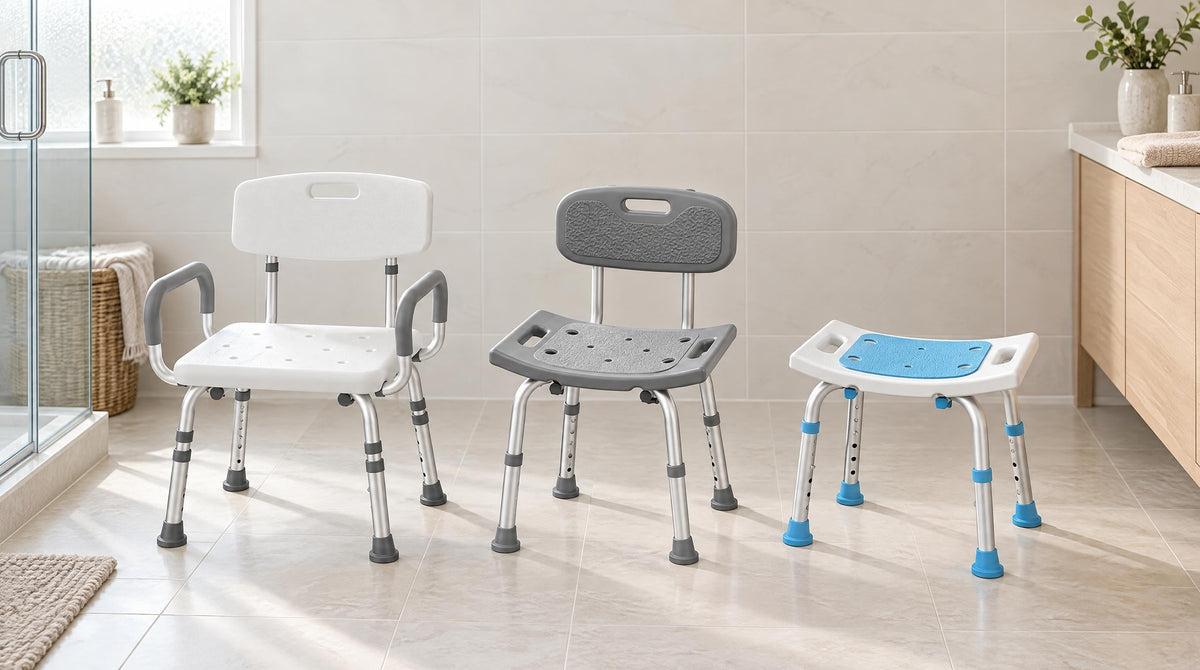
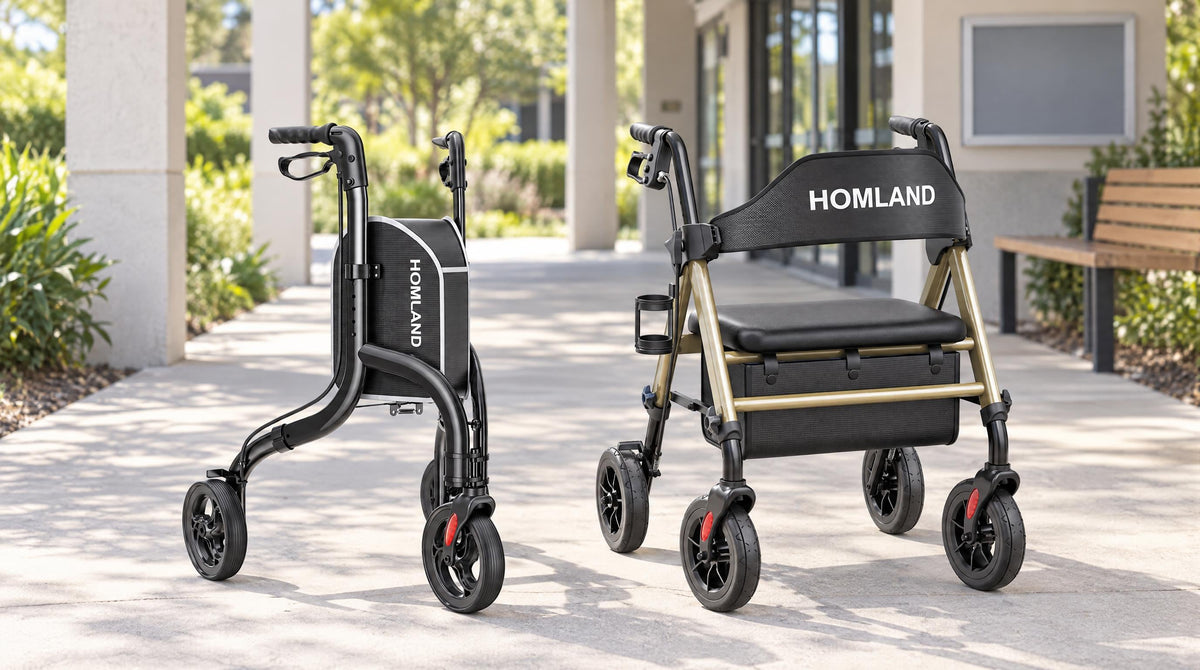
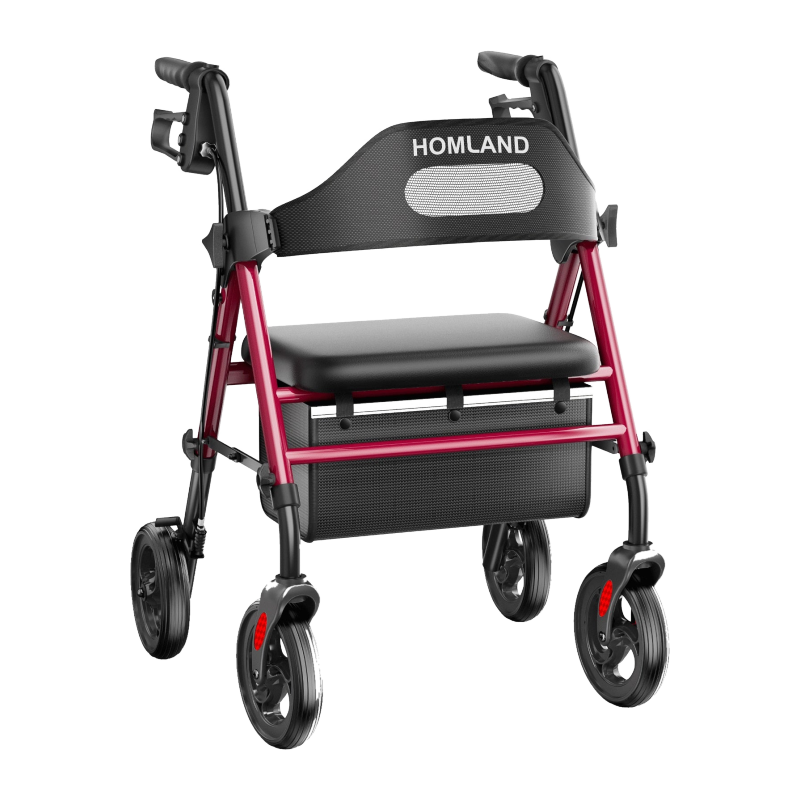
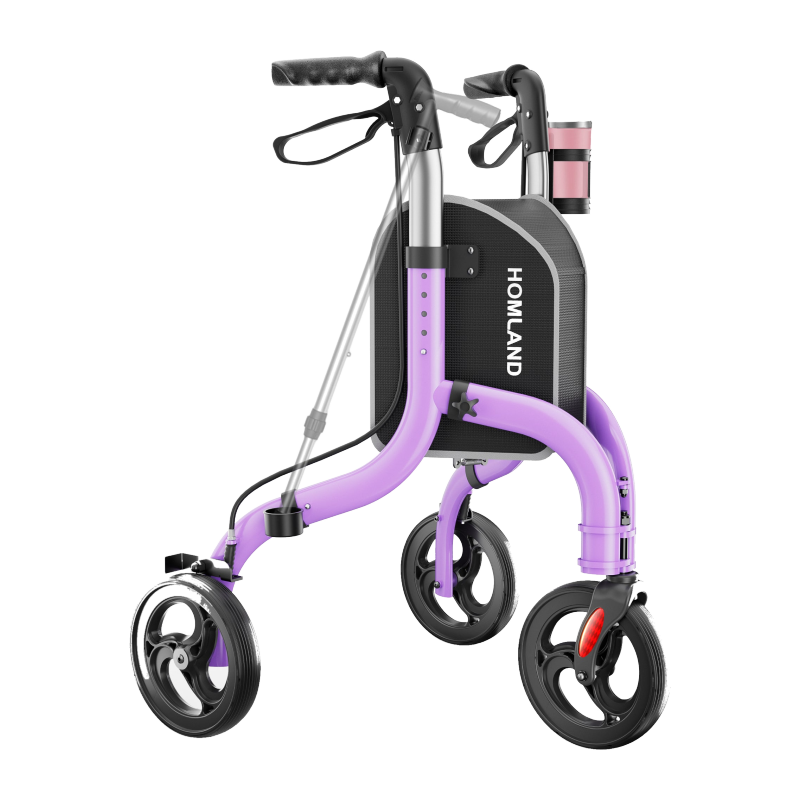
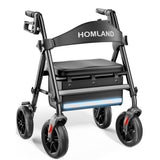
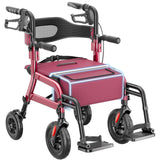
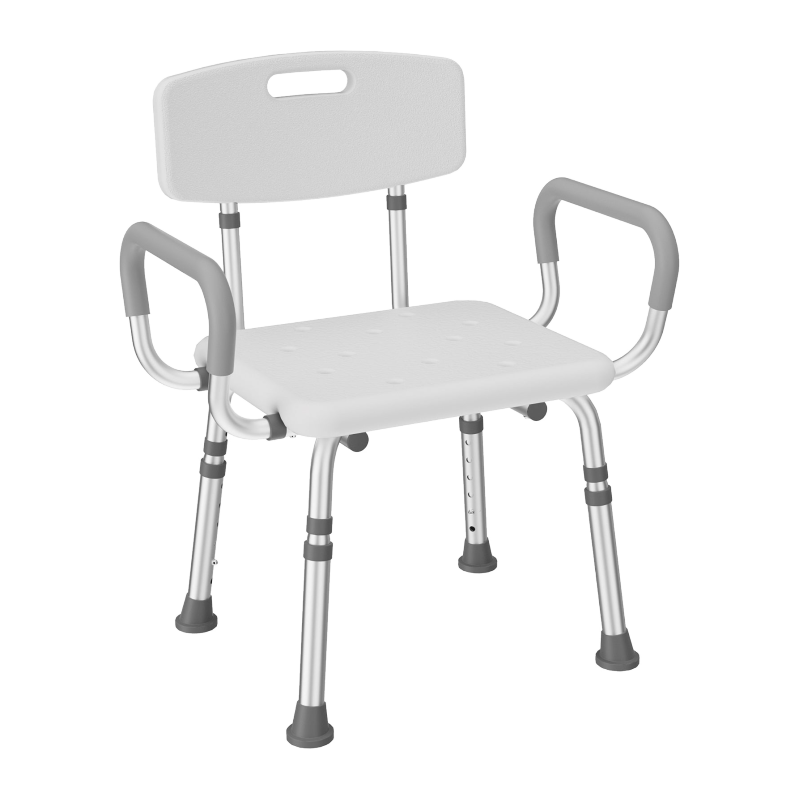
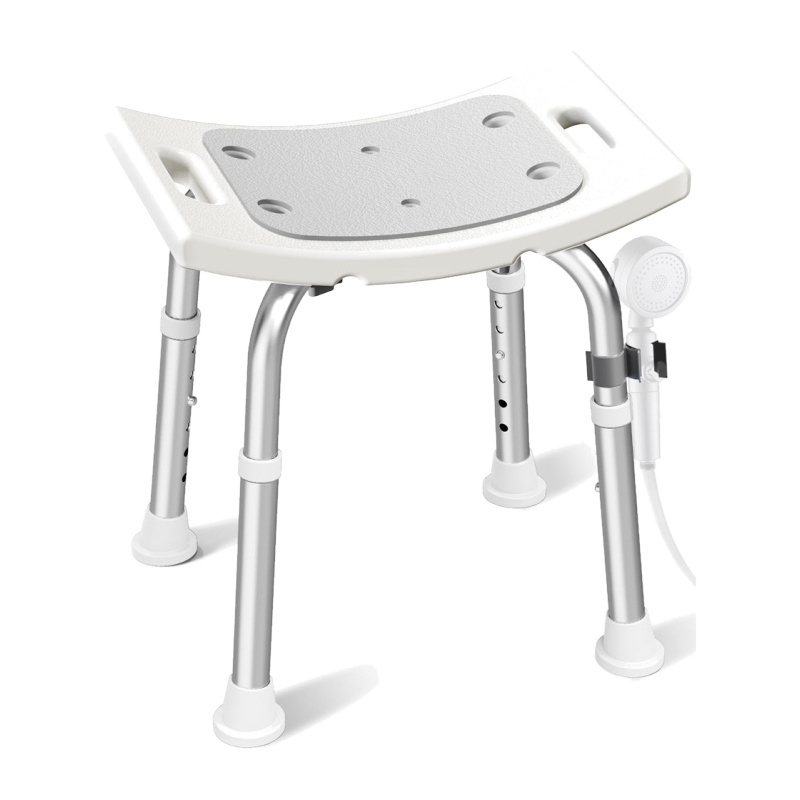
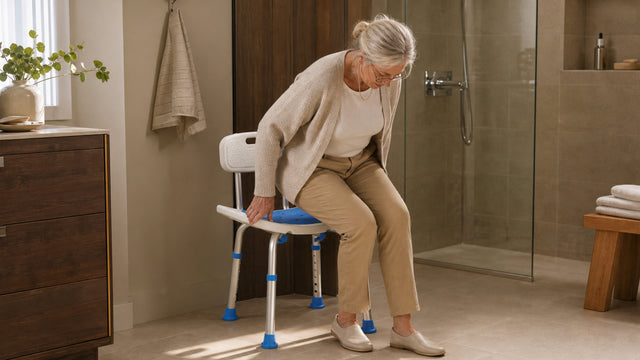
For added bathroom safety beyond the toilet itself, physical therapists often recommend pairing a raised toilet seat with a toilet safety rail and a shower chair — addressing the two highest-risk moments in the bathroom routine at the same time. And if your loved one has mobility challenges that extend beyond the bathroom, it's worth exploring rolling walkers or standard walkers that make moving through the home safer and more confident every day.
Frequently Asked Questions
How high should a raised toilet seat be?
The right height is the one that brings the seat up to roughly the height of the back of the user's knee — creating approximately a 90-degree bend at the knee when seated with feet flat on the floor. For most adults, this falls between 17 and 21 inches from floor to seat. Use the three-step measurement method above to find your specific number rather than guessing.
Are raised toilet seats FSA/HSA eligible?
Yes. Raised toilet seats (also called elevated toilet seats) are recognized as eligible medical products for reimbursement through a Flexible Spending Account (FSA) or Health Savings Account (HSA). HOMLAND raised toilet seats are FSA/HSA eligible, which means you may be able to use pre-tax dollars toward your purchase — reducing the out-of-pocket cost significantly.
Can I use a raised toilet seat after hip replacement surgery?
Yes, and in most cases your care team will specifically recommend one. Most orthopedic surgeons advise a total toilet seat height of 20 to 21 inches for the first several weeks post-surgery to avoid flexing the new hip joint beyond 90 degrees. A raised toilet seat is one of the fastest and most practical ways to achieve that height at home. Always confirm the target height with your surgical team before purchasing.
Do raised toilet seats fit all toilets?
Most raised toilet seats are designed to fit either round or elongated bowls, or both. Before purchasing, confirm your toilet's bowl shape. Round bowls measure approximately 16.5 inches from bolt holes to front; elongated bowls measure approximately 18.5 inches. Many quality models are universal-fit, but it's always worth double-checking the product specifications.
What is the weight limit on raised toilet seats?
Standard models typically support 250 to 300 lbs. Bariatric models are designed for higher capacities — up to 500 lbs on select heavy-duty designs. Always choose a seat rated above the user's actual weight to ensure a safe, stable margin.
How do I clean a raised toilet seat?
Wipe the seat down with warm water and a non-abrasive household cleaner or mild disinfectant. Avoid harsh scrubbing pads that can scratch the plastic surface. Models with removable armrests can be detached for more thorough cleaning. Aim to clean at least once weekly, or more frequently with regular use.
The Right Raised Toilet Seat Makes an Everyday Difference
A raised toilet seat is one of those small changes that quickly becomes indispensable. It doesn't announce itself, it doesn't require any construction, and it doesn't make the bathroom feel clinical or institutional. What it does do — quietly and reliably — is give someone the mechanical advantage they need to use the toilet safely and independently, every single time. That's not a small thing. For many people, it's the difference between managing daily life at home on their own terms and needing help for one of the most private moments of the day.
Start with the measurement. Get the height right. Then decide on handles based on how much upper-body assist is genuinely needed. Choose a locking install method for everyday home use, and confirm the toilet shape before you order. Follow those four steps and you'll end up with a seat that fits the person, the toilet, and the bathroom — and one that will earn its place in the home from day one.
HOMLAND raised toilet seats are DPT-authorized, FSA/HSA eligible, backed by a 1-year manufacturer warranty plus a 1-year extended warranty, and ship from a US warehouse so they arrive when you need them. Because at HOMLAND, the goal has always been the same: home, not hospital.
Need Help Choosing the Right Raised Toilet Seat?
Our team is here to help you find the right fit for your bathroom, your body, and your budget — no guesswork required.
Contact Us