



Think about your morning shower routine — the kind that starts your day right, helps you feel like yourself, and takes about ten minutes without a second thought. For millions of people managing limited mobility, recovering from surgery, or navigating the natural changes that come with aging, that same routine can feel unexpectedly daunting. Wet floors, narrow spaces, the effort of transferring from a wheelchair, or simply the energy it takes to stand — these aren't small inconveniences. They're real daily challenges that deserve real, practical solutions.
That's exactly where a rolling shower chair earns its place. Unlike a standard stationary shower seat, a rolling shower chair brings mobility into the bathing routine itself — allowing a caregiver to wheel a loved one directly into the shower, or enabling a more independent user to maneuver with far less strain. It's one of those deceptively simple tools that, when matched to the right person in the right situation, makes an enormous difference in both safety and dignity.
In this guide, we'll walk you through what a rolling shower chair actually is, who genuinely benefits from one (versus a standard shower seat), the features that matter most, and how to set up your bathroom for success. Whether you're shopping for yourself or helping someone you love stay comfortable and safe at home, you'll come away knowing exactly what to look for.
What Is a Rolling Shower Chair?
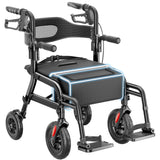
A rolling shower chair — sometimes called a shower wheelchair or wheeled shower commode — is a waterproof, rust-resistant seat mounted on lockable caster wheels. Unlike a standard shower bench or stool that stays in one place, a rolling chair can be moved across the bathroom floor before being locked firmly in position once inside the shower. The wheels are typically made from rubber-coated casters that maintain traction even on wet tile, and every quality model includes a locking mechanism to keep the chair completely stationary during bathing.
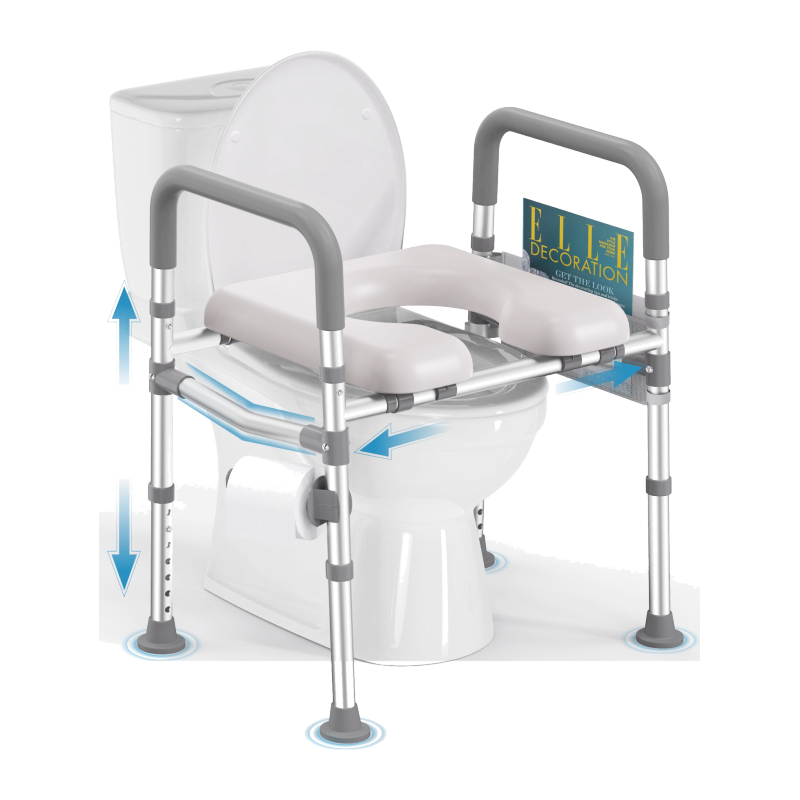
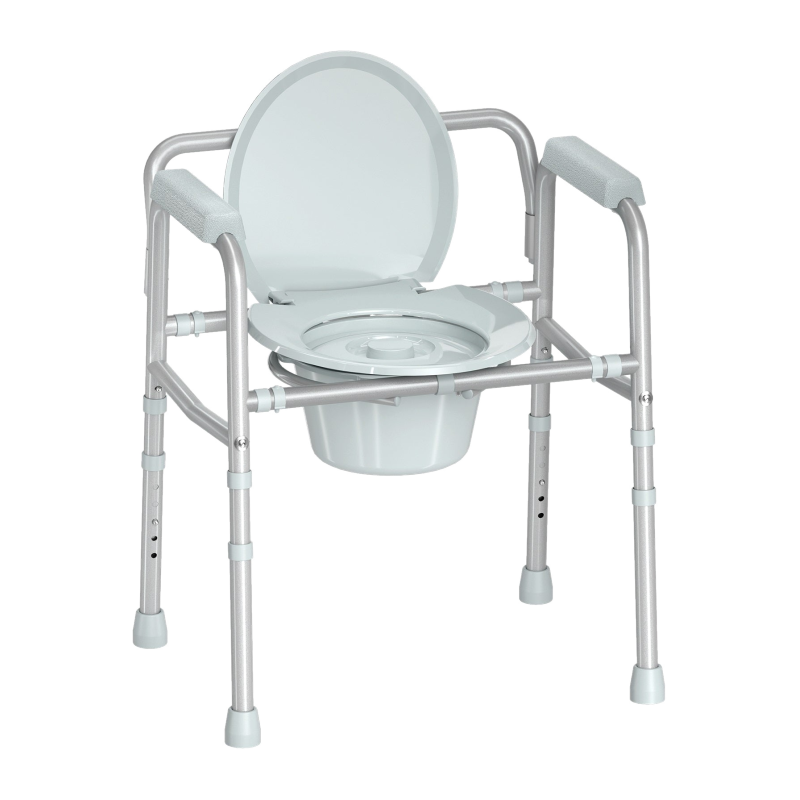
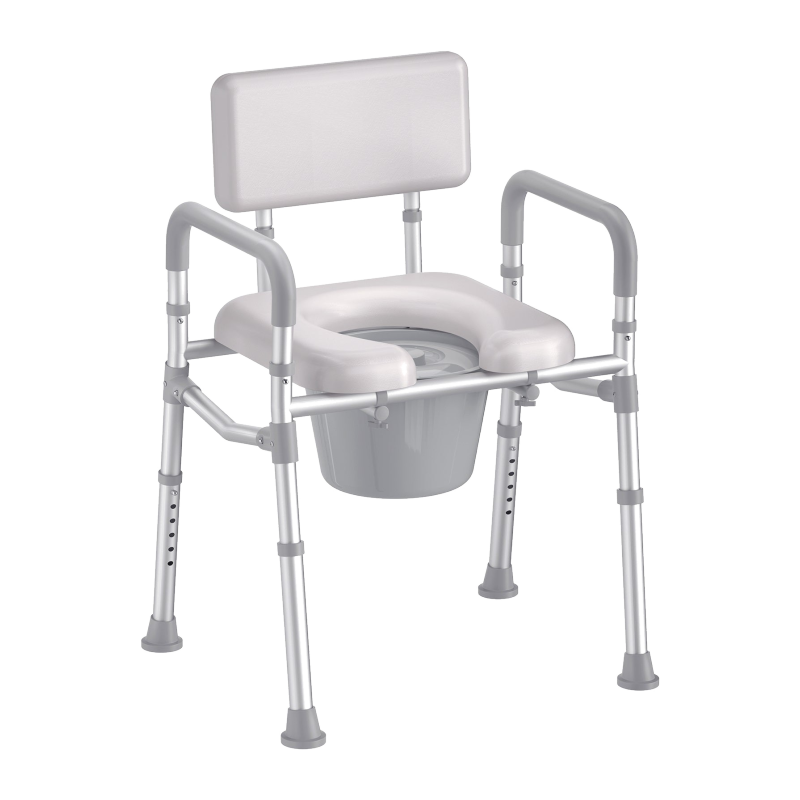
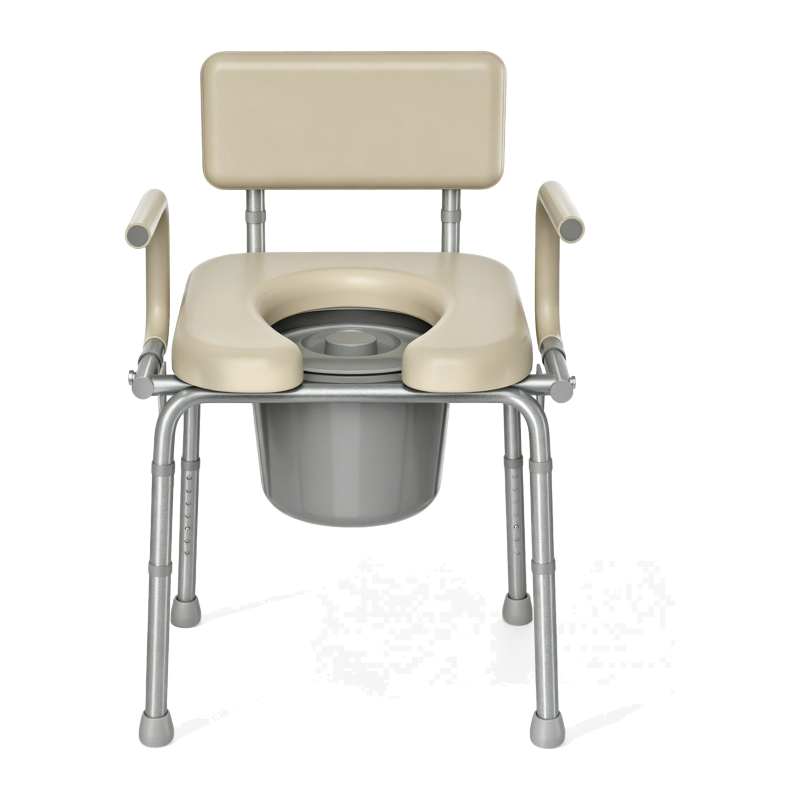
Most rolling shower chairs are also designed to function as commodes, featuring an open or removable seat cutout that allows for personal hygiene care without a separate transfer. This dual function — transport and bathing seat in one — is what makes them particularly valuable for people with more significant mobility needs. They're built from water-resistant aluminum or heavy-duty steel frames, with quick-drying seats designed so water doesn't pool or create discomfort during a long shower.
At HOMLAND, every shower chair in our lineup reflects 20+ years of manufacturing experience and up to 200,000 cycles of durability testing — because a chair that wobbles or degrades after a few months isn't a safety solution, it's a liability. Browse our full shower chair collection to see options engineered for real home use, not institutional settings.
Rolling vs. Stationary: What's the Real Difference?
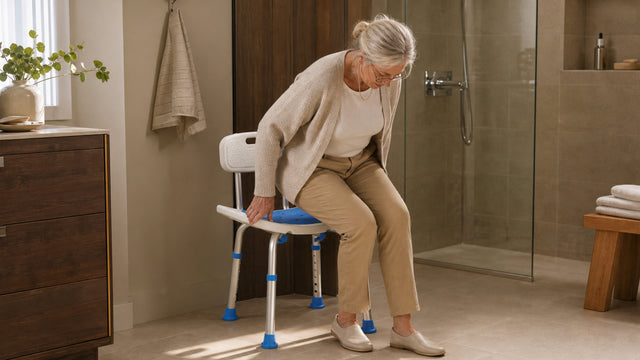
Both types of shower chairs serve the same core purpose — giving someone a safe, stable place to sit while bathing. The key difference comes down to how much mobility support is needed to get into the shower in the first place. A stationary shower chair works well for someone who can walk to the shower area independently but needs seated support once inside. A rolling chair solves a different problem: it helps bridge the gap between wherever someone starts (their bed, a wheelchair, a hallway) and the shower itself.
Think of it this way. If your mother can walk to the bathroom with a walker but simply needs somewhere safe to sit while she washes, a standard shower seat is likely sufficient. But if your father relies on a wheelchair, has difficulty with multiple transfers, or fatigues quickly with walking — a rolling shower chair means his caregiver can assist him into the seat in the bedroom, roll him smoothly to the bathroom, and lock the chair in place for showering. One transfer instead of three. Less strain on both of them.
Physical therapists often frame this distinction clearly: the decision between wheeled and stationary seating should follow the user's transfer needs, not just their bathing needs. Here's a quick reference to help you think through which direction makes more sense:
- Rolling shower chair is a strong fit when: the user needs caregiver-assisted transport from another room or from a wheelchair; when multiple daily transfers are exhausting or risky; when the bathroom has a barrier-free roll-in shower; or when toileting and bathing support are both needed from a single seat.
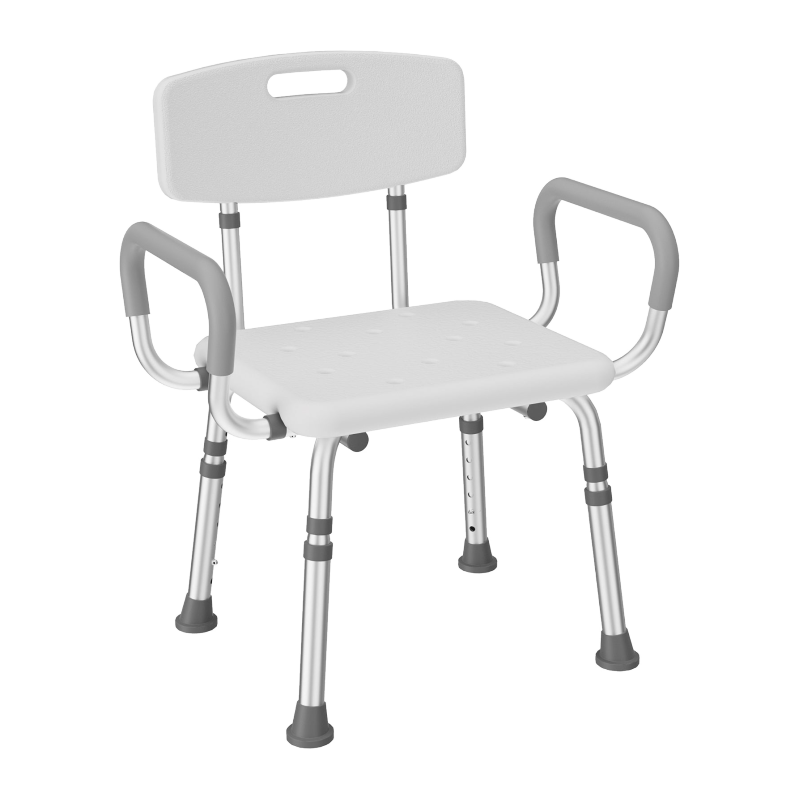
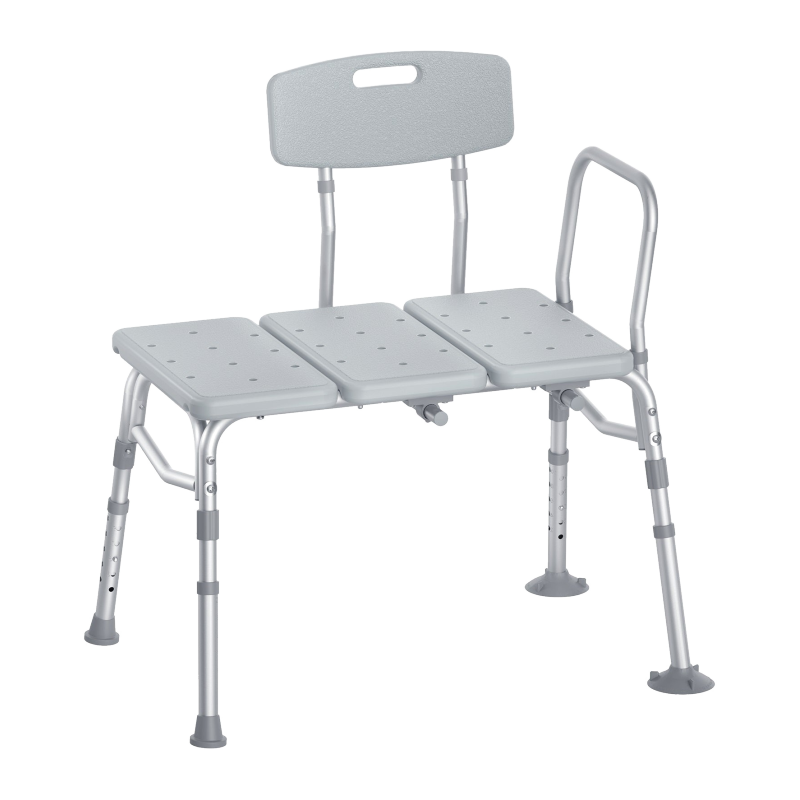
- A stationary shower chair or transfer bench may be more appropriate when: the user can walk to the bathroom independently; when the bathroom has a tub with a threshold (limiting roll-in access); or when maximum stability without any movement risk is the priority.
Neither option is universally better — the right choice is the one that fits the actual living situation. HOMLAND's shower chair range includes both stationary and wheeled options so you can match the solution to the person, not the other way around.
Who Benefits Most from a Rolling Shower Chair?
Rolling shower chairs aren't the right fit for every situation, which is actually a good thing — it means when they are the right fit, they solve the problem precisely. Here are the people who most consistently benefit from the wheeled design.
Seniors with Significant Mobility Limitations
For an older adult who is mostly chair-bound or who struggles significantly with walking, a rolling shower chair can transform what was a twice-weekly ordeal into a manageable, comfortable daily routine. The chair allows a family member or home aide to wheel them directly into a roll-in or curbless shower without asking them to stand and pivot multiple times. According to the CDC, approximately 235,000 people visit emergency rooms every year due to bathroom-related fall injuries — and the highest-risk moments are transfers in and out of the tub or shower. Reducing the number of transfers required is one of the most direct ways to reduce that risk at home.
Post-Surgery and Rehabilitation Patients
After a hip replacement, knee surgery, or a stroke, the last thing anyone needs is to navigate a complex bathing routine that strains the recovering area. Rolling shower chairs are particularly valued in the first weeks of recovery when weight-bearing is limited and transfers need to be smooth, controlled, and gentle. Instead of struggling with sponge baths or taking on the risk of a dangerous bathroom transfer, a rolling chair lets someone stay seated from bed to shower — maintaining proper hygiene and keeping recovery on track. Physical therapists frequently recommend this approach during early post-operative care because it protects the surgical site while preserving as much independence as possible.
People Who Fatigue Easily
Not every mobility limitation is about strength or balance. Conditions like multiple sclerosis, heart failure, or COPD can mean that the energy required just to walk to the bathroom and stand in a shower is genuinely exhausting. A rolling chair lets the user conserve energy before bathing even begins — sitting comfortably from the moment they leave their bed, rolling to the shower with minimal effort, and arriving ready to bathe rather than already worn out.
Family Caregivers and Home Aides
Caregiver wellbeing matters here too. Assisting a loved one with bathing is one of the most physically demanding parts of home care — particularly when it involves multiple awkward lifts and transfers in a small, wet bathroom. A rolling shower chair that can be wheeled in and locked in place gives the caregiver better body mechanics, more control, and significantly less risk of back strain. It also makes the experience more dignified for the person being helped, because they're being transported rather than maneuvered through uncomfortable positions.
Key Features to Look for in a Rolling Shower Chair
Not all rolling shower chairs are created equal. Some cut corners on locking mechanisms or use frames that corrode after a few months of exposure to bathroom humidity. Here's what to actually look for when evaluating a model — framed around what each feature means in daily use, not just on a spec sheet.
- Reliable wheel locks: The locking mechanism is the single most critical safety feature. Look for caster locks that engage fully and hold firm on wet tile without play or wobble. The brakes should be easy to operate even with limited hand strength — foot-operated locks are often preferable for caregivers.
- Rust-resistant, water-safe frame: Bathroom environments are persistently humid. Aluminum frames or powder-coated steel that are rated for repeated water contact will hold up far longer than frames that begin to corrode within months. A chair that degrades is a chair that can't be trusted.
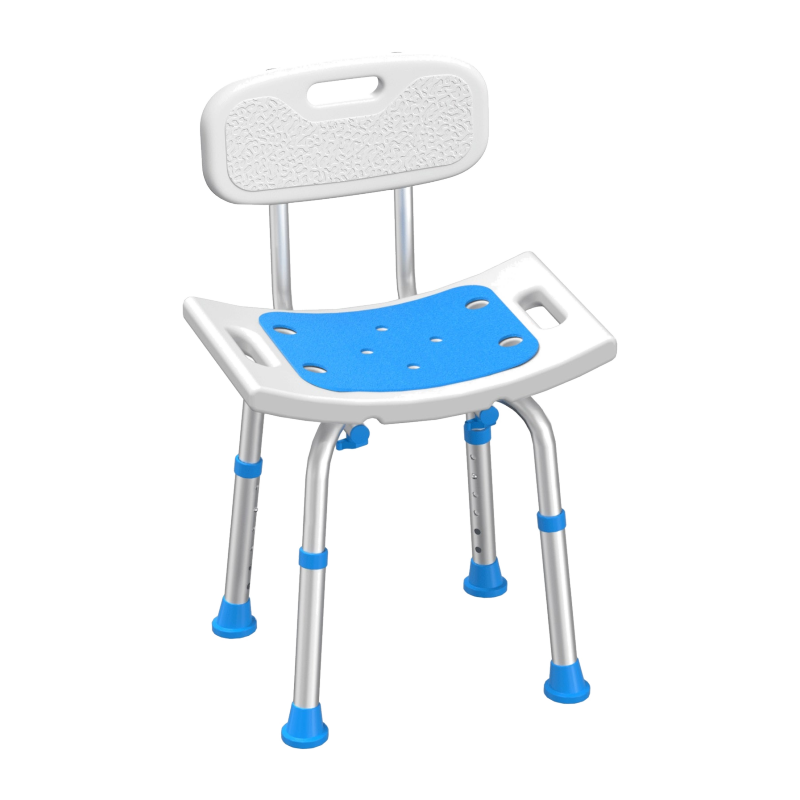
- Padded or contoured seat with drainage: Drainage holes in the seat prevent water pooling, which matters for both comfort and hygiene during a longer shower. Padded seats offer additional comfort for users who spend extended time in the chair.
- Adjustable height: A proper seat height means feet can rest flat on the floor and knees align comfortably — which is important for stability both during bathing and while transferring in and out of the chair. Tool-free height adjustment makes this practical to get right.
- Removable or swing-away armrests: Armrests that can be shifted out of the way make transfers far easier, especially when moving from a bed or standard wheelchair onto the shower chair. Fixed armrests that block a lateral transfer are a design flaw worth avoiding.
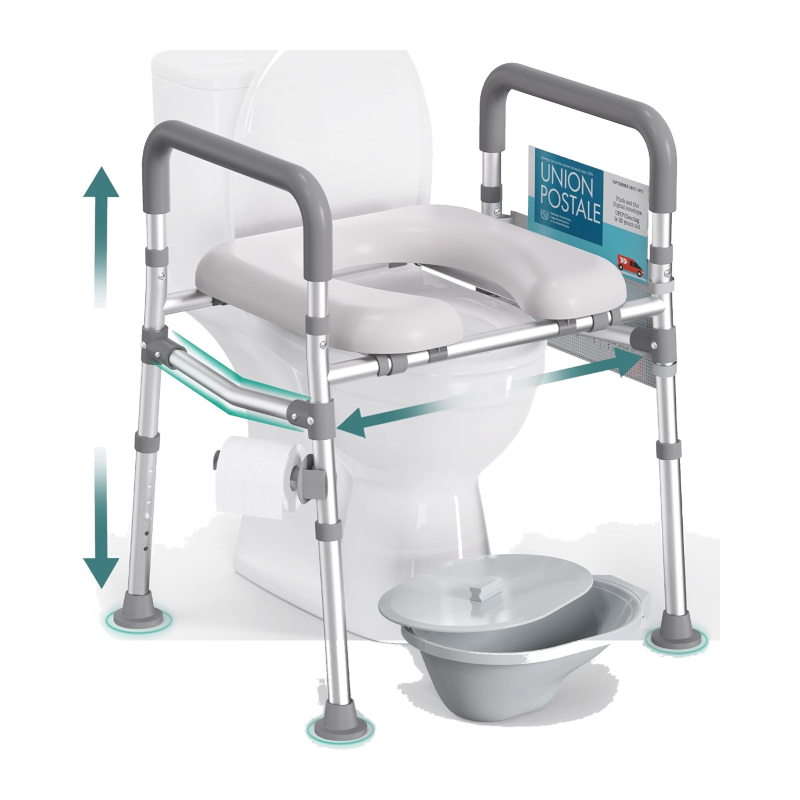
- Commode opening (for combined use): If the chair will also be used for toileting or rolled over a standard toilet, look for a model with a removable seat panel and a commode bucket. This multi-function design eliminates the need for a separate bedside commode.
- Appropriate weight capacity: Always choose a chair rated to support the user's weight with a reasonable margin. Standard models typically support up to 300 lbs; heavy-duty models support significantly more. Choosing a chair that's rated for exactly the user's weight and no more is not a safe practice.
HOMLAND products are authorized by licensed Doctors of Physical Therapy and undergo up to 200,000 cycles of durability testing — giving both users and caregivers confidence that what arrives at the door will perform safely over the long term. Explore the full HOMLAND product range to find options built around these principles.
Safety Tips for Using a Rolling Shower Chair at Home
Even the best rolling shower chair requires thoughtful use to deliver on its safety promise. A few consistent habits make a significant difference.
- Always lock the wheels before the user sits or stands. This is the most commonly skipped step — and the most consequential. Make locking the brakes a non-negotiable first action every single time, before any weight is placed on the chair.
- Check all four casters are level before each use. If your shower floor has a slight slope for drainage, verify that the chair sits evenly and doesn't have an uneven lean that could shift the user's weight unexpectedly.
- Use the armrests during transfers. Armrests aren't just for comfort during bathing — they give the user a stable handhold while lowering into or rising from the chair, which is when most transfer injuries happen.
- Clean the wheels regularly. Soap film buildup on wheel casters can reduce traction and make rolling less predictable, even with brakes applied. A quick wipe-down after each use prevents this from accumulating.
- Keep the pathway clear. Rolling through a bathroom cluttered with bath mats, towels, or toiletries on the floor introduces trip and obstruction hazards. A clear, unobstructed path from the starting point to the shower matters more with a wheeled chair than with a stationary one.
- Match the chair to the shower entry. A rolling shower chair works best with a barrier-free or low-threshold shower. If your shower has a raised curb, the chair may not roll in smoothly — and attempting to force it over a lip creates exactly the instability you're trying to avoid.
Is Your Bathroom Ready for a Rolling Chair?
Before purchasing a rolling shower chair, it's worth a five-minute walk-through of your bathroom with this specific question in mind: can a chair on wheels move safely from the bathroom door to the shower area without obstruction? The ideal setup is a curbless or zero-threshold shower (often called a roll-in shower) where the chair can be wheeled directly into the spray area. If you currently have a shower with a low threshold — one to two inches — a gentle ramp accessory can often bridge that gap without a full renovation.
Doorway width also matters. Standard interior bathroom doors are typically 24 to 28 inches wide, while a rolling shower chair needs at least 22 to 24 inches of clearance to move through comfortably. Measure your doorway before ordering, and check the chair's overall width specifications in the product details. If doorway width is a constraint, a transfer bench or standard shower chair that doesn't require rolling through the door may be a more practical choice — and HOMLAND's shower chair collection includes both options.
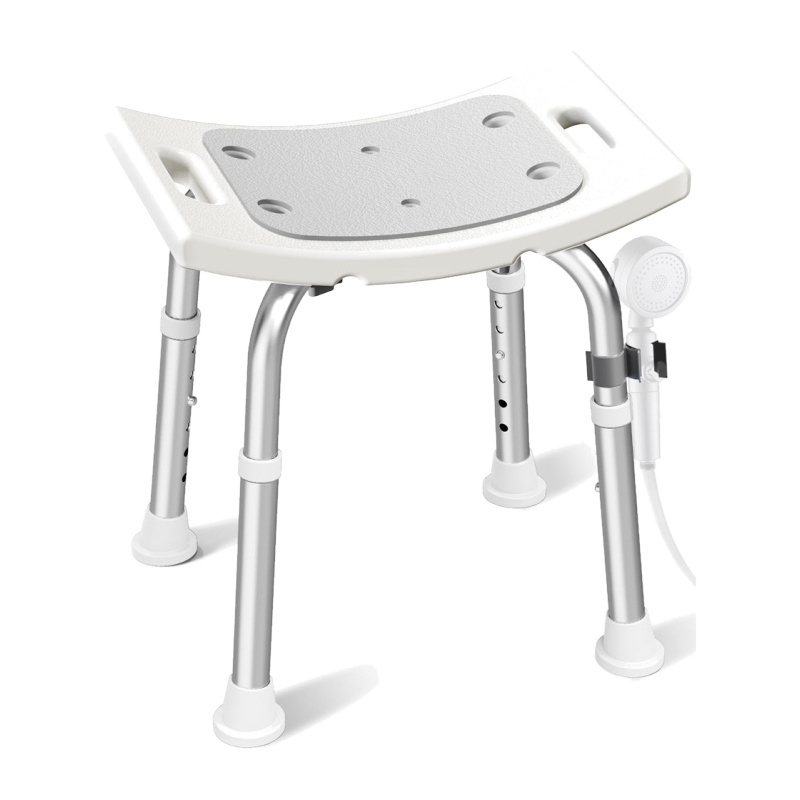
The floor surface matters too. Smooth, non-textured tile is the easiest surface for rolling, while heavy texture or grout lines can make maneuvering harder. A handheld showerhead is worth adding if you don't already have one — it allows the person in the chair to direct water precisely rather than trying to position the chair under a fixed overhead spray. Together, these small setup considerations turn a good piece of equipment into a genuinely smooth daily experience.
FSA/HSA Eligibility and Purchasing Confidence
One practical piece of good news: shower chairs — including rolling models — are FSA and HSA eligible when used for a medical or mobility need. That means if you or a family member has a Flexible Spending Account or Health Savings Account through an employer, you may be able to purchase a rolling shower chair using pre-tax dollars, effectively reducing the out-of-pocket cost. All HOMLAND shower chairs qualify for FSA/HSA purchase, making it easier to invest in a quality product without waiting for an insurance reimbursement process.
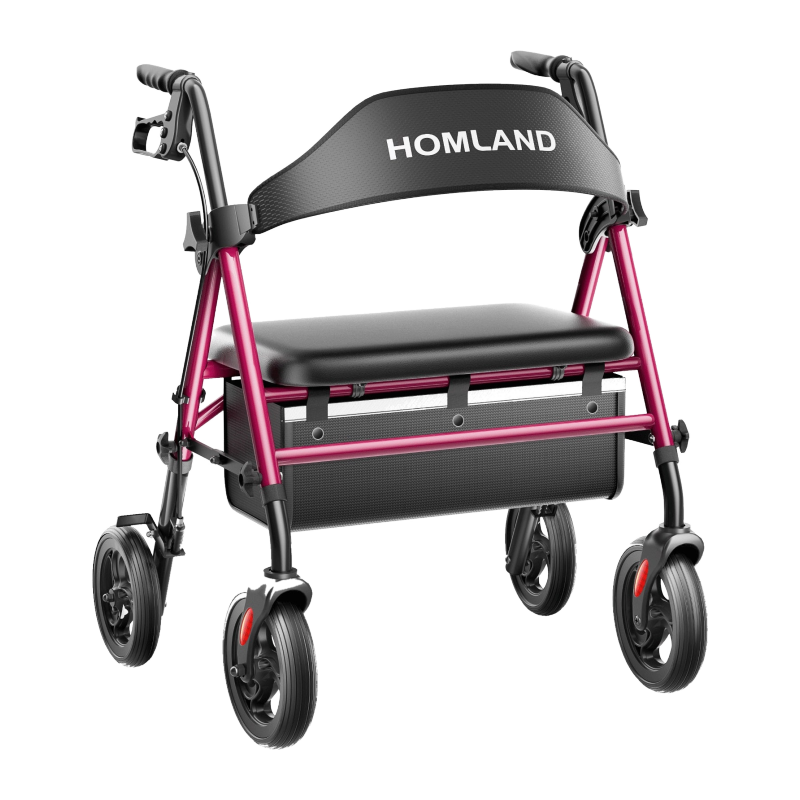
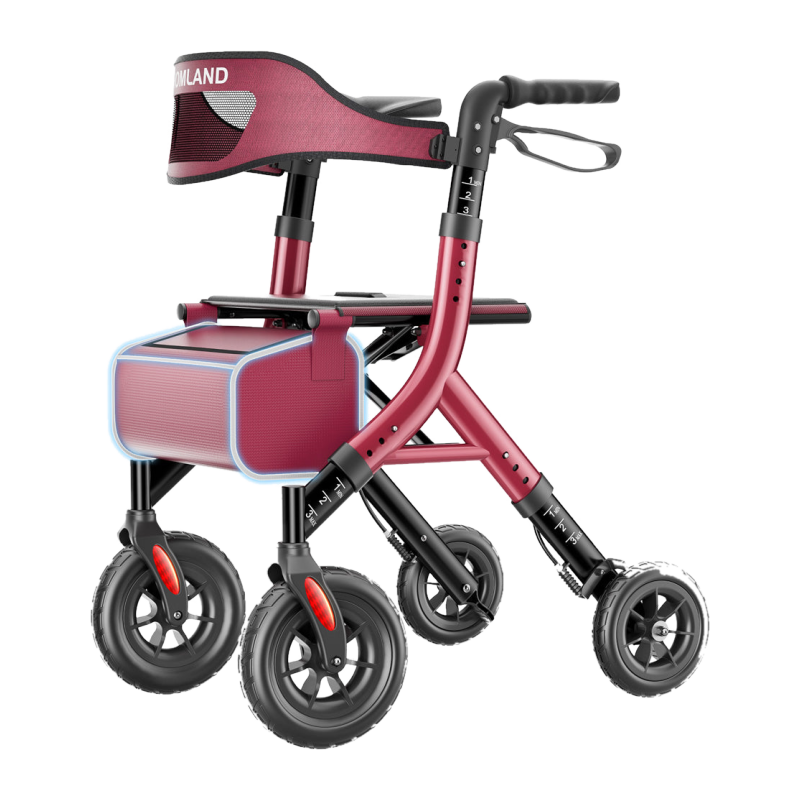
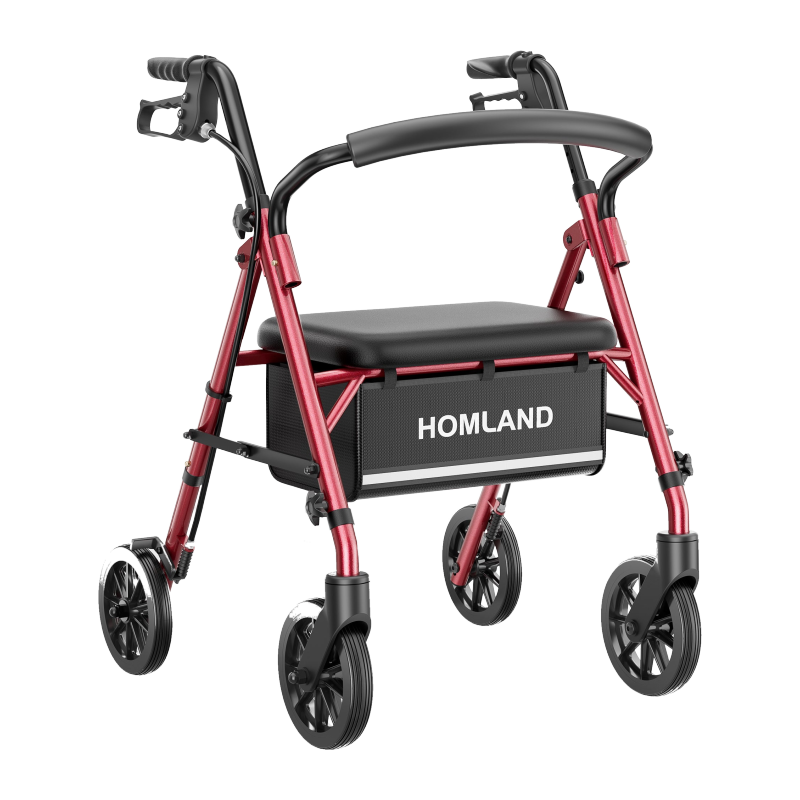
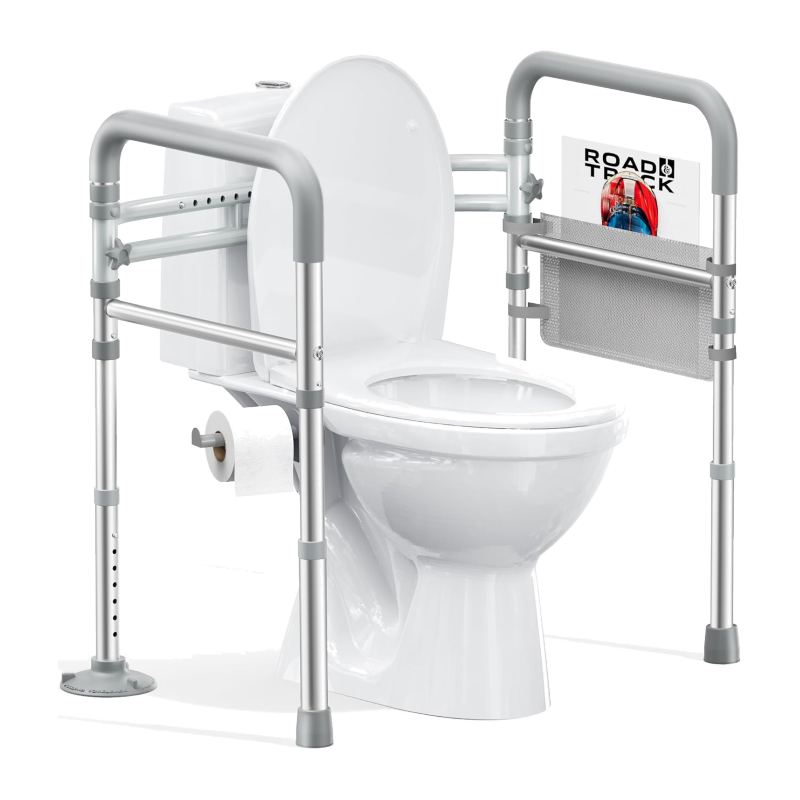
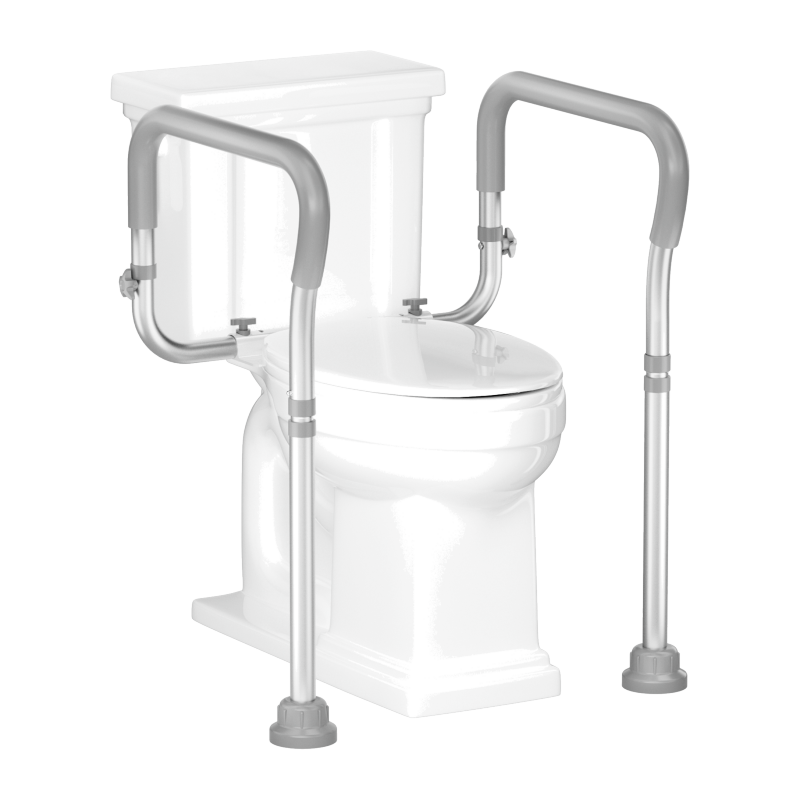
HOMLAND also ships from a US local warehouse for fast delivery, so there's no weeks-long wait when someone needs a solution now. Every shower chair comes backed by a 1-year manufacturer warranty plus an additional 1-year extended warranty — a total of two years of coverage. For families navigating a post-surgery recovery timeline or setting up a home care plan, that purchase confidence matters as much as the chair itself. If you're also looking at complementary safety equipment, HOMLAND's full lineup includes toilet safety rails, bed rails, and rolling walkers — all FSA/HSA eligible and designed around the same "home, not hospital" philosophy.
Frequently Asked Questions
Can a rolling shower chair be used over a toilet?
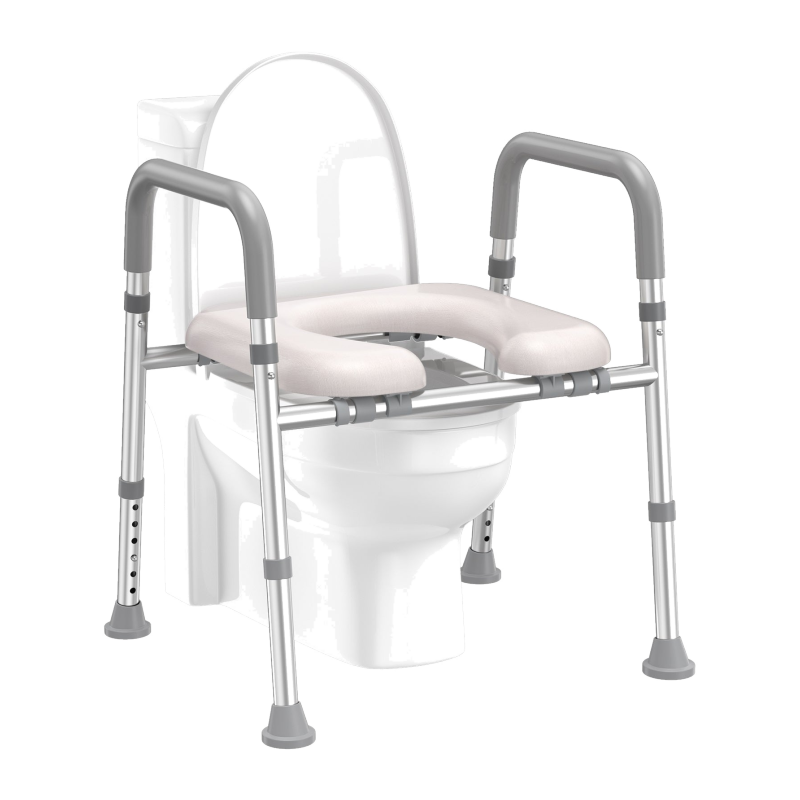
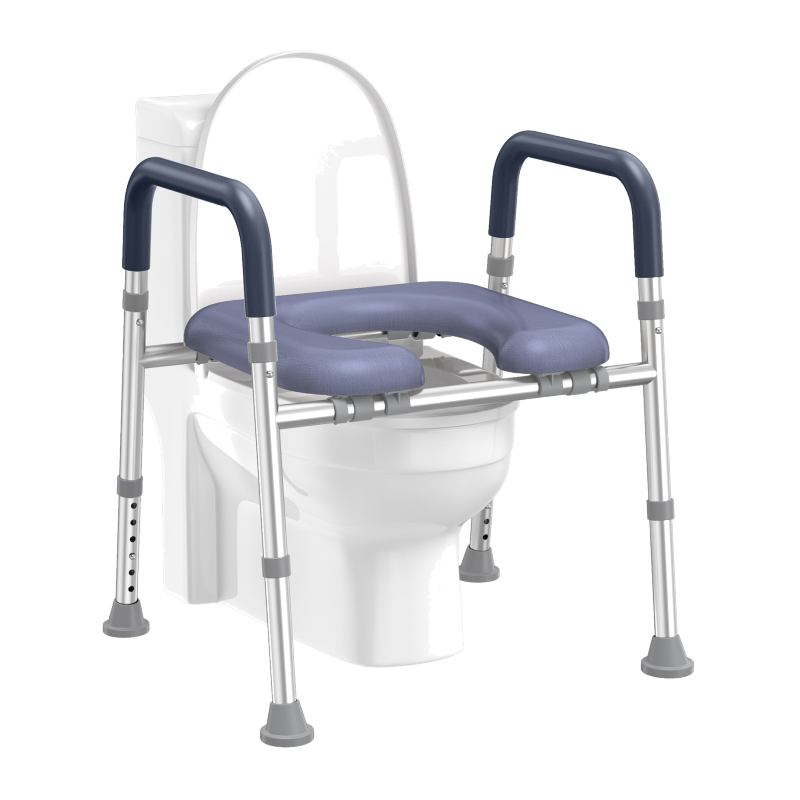
Many rolling shower chairs are designed to roll directly over a standard toilet, functioning as a raised commode seat as well. This is particularly useful for people who need consistent seated support across both toileting and bathing. Look for models with a removable seat panel and a commode bucket if this dual use is important — or a frame with a wide enough stance to straddle a standard toilet bowl. Check the product specifications for toilet compatibility before purchasing.
How high should a rolling shower chair be set?
The right seat height lets the user's feet rest flat on the floor with knees at roughly a 90-degree angle. This is both the most comfortable position and the most stable one for transfers. Most rolling shower chairs offer tool-free height adjustment via push-button or locking-pin leg extensions. If you're assisting someone whose legs are longer or shorter than average, adjustable legs are essential — not optional.
Is a rolling shower chair safe for someone who lives alone?
It can be, with some important caveats. Self-propelling models — those with larger drive wheels — allow a more independent user to move the chair themselves. For someone who is entirely chair-bound or has significant upper-body weakness, caregiver assistance with rolling is typically safer. The most important habit for any solo user is always locking the brakes fully before sitting or standing, without exception. If you're uncertain about the right level of support, a licensed physical therapist can assess the specific situation and make a personalized recommendation — something HOMLAND's DPT-endorsed product designs are built to support.
How do I clean and maintain a rolling shower chair?
Wipe down the seat, frame, and wheel casters with mild soap and water after each use, paying attention to the caster housings where soap film tends to collect. Rinse and allow to air dry — or leave the bathroom door open to speed drying. Check the wheel locks periodically to ensure they engage fully and haven't loosened over time. Rust-resistant aluminum frames require minimal maintenance, but a quick visual inspection of joints and leg connections every few months is good practice. Any chair that develops visible frame cracks, broken lock mechanisms, or corroded joints should be replaced.
What's the difference between a rolling shower chair and a transport wheelchair?
A transport wheelchair is designed for moving someone between rooms or outdoors but is not built for water exposure — using a standard wheelchair in the shower will damage it and is unsafe. A rolling shower chair is specifically engineered with waterproof, rust-resistant materials, drainage features, and a locking system rated for wet environments. It serves both the transport and the bathing function in one purpose-built piece of equipment.
The Right Chair Changes the Whole Routine
Bathing should feel like a moment of comfort and normalcy, not a source of anxiety. For people who need more support getting into the shower — whether because of age, recovery, limited energy, or mobility changes — a rolling shower chair isn't a compromise. It's a practical, thoughtfully engineered solution that keeps the experience as close to everyday life as possible, while giving families and caregivers meaningful peace of mind.
The decision between a rolling and a stationary shower chair comes down to one honest question: does the person need support in the shower, or support getting to the shower as well? Answer that honestly, match the features to the situation, set up the bathroom for a smooth roll-in experience, and you'll have a solution that works reliably for months and years — not just the first few uses. That's exactly what HOMLAND designs for: not the clinical ideal, but the real home, lived in by real people, day after day.
Find the Right Shower Chair for Your Home
Browse HOMLAND's full shower chair collection — FSA/HSA eligible, DPT-authorized, and backed by a 2-year warranty. Ships fast from our US warehouse.
Shop Shower ChairsHave a question about which model fits your situation? Contact our team — we're here to help.