

Picture this: you've just had foot or ankle surgery, and your doctor says you need to stay off that leg for several weeks. You leave the office with a pair of crutches tucked under your arms — and within 24 hours, your shoulders ache, your palms are raw, and carrying a glass of water from the kitchen to the couch feels like an Olympic event.
There is a better way. Knee scooters have become one of the most recommended tools for non-weight-bearing recovery at home — and for good reason. But they're not the right fit for every person or every situation. This guide breaks down the real-world differences between knee scooters and crutches so you (or the loved one you're helping) can make a confident, informed choice and get back to living — at home, on your own terms.
What Are Knee Scooters and Crutches?
Before diving into the comparison, it helps to understand exactly what each device is designed to do. Both are mobility aids intended to keep weight off an injured lower leg, foot, or ankle — but they go about it in completely different ways.
Crutches are the traditional choice: two long frames you grip and lean into, transferring your body weight from your legs up into your arms, shoulders, and underarms. They've been around for decades, they're lightweight, and they work in nearly any environment — including stairs. The trade-off is significant physical effort, and for many people, prolonged use leads to sore wrists, chafed underarms, and genuine fatigue.
A knee scooter (also called a knee walker or knee roller) is a wheeled platform device where you rest your injured lower leg on a padded cushion while your healthy foot propels you forward — similar to riding a push scooter. You steer with handlebars, control speed with hand brakes, and glide rather than hop. Physical therapists often recommend knee scooters as a practical, confidence-building alternative to crutches for injuries that require weeks or months of non-weight-bearing healing. Explore HOMLAND's full knee scooter collection to see what a well-engineered version looks like.
Head-to-Head: 6 Key Differences That Matter During Recovery
The choice between these two devices often comes down to six factors that shape your day-to-day experience during recovery. Here's how they honestly compare:
1. Comfort Over the Long Haul
Crutches place significant pressure on the underarms, hands, and wrists, which can lead to discomfort with prolonged use. On a knee scooter, your injured leg rests on a padded cushion, which takes the strain entirely off your arms and upper body. For anyone facing a recovery of four to twelve weeks — not uncommon after foot surgery or a fracture — that difference in daily comfort is enormous. If comfort is a priority, especially for longer recovery periods, knee scooters are generally the better choice.
2. Stability and Fall Risk
Crutches give you only two small points of contact with the floor, which means you're constantly engaging your core and upper body just to stay upright — and the risk grows on kitchen tile, hardwood floors, or any wet surface. A knee scooter's four-wheel base provides a wide, stable platform that dramatically reduces wobbling and the risk of falls. For seniors, people recovering from major surgery, or anyone with limited upper-body strength, this stability difference can be the deciding factor.
3. Energy and Independence
Crutches require your arms and shoulders to hoist your entire body weight with every single step. It's physically demanding — the kind of workout that leaves people exhausted well before their day is done. A knee scooter, by contrast, requires very little effort to propel. Your hands are free when you're stationary, which means you can actually carry a cup of coffee, answer the door, or fold laundry. That freedom to do small, everyday tasks is what keeps recovery feeling like home life rather than hospital confinement.
4. Speed and Ease of Movement
Knee scooters allow you to move more quickly and smoothly than crutches, especially over longer distances inside the home. Most people become comfortable with the gliding motion within just a few minutes of practice — the movement is intuitive, similar to riding a push scooter as a kid. Crutches, especially for new users, involve a stop-and-start rhythm that slows everything down and demands constant attention to balance and foot placement.
5. Versatility: Stairs, Tight Spaces, and Terrain
This is where crutches maintain a genuine edge. They work on stairs, navigate tight bathroom corners, and fit into cramped spaces where a knee scooter's footprint simply won't. Knee scooters cannot be used on stairs — you'll need help carrying them up or down. They can also be harder to maneuver in very small rooms or narrow doorways, though most standard four-wheel models handle typical home layouts without issue. If your home has multiple floors you use daily, this limitation is worth planning around before you commit to a knee scooter alone.
6. Cost and Practicality
Crutches are genuinely less expensive upfront — often a fraction of the cost of a quality knee scooter. However, crutches come with hidden physical costs: sore underarms, tired hands, and the real risk of a secondary injury from a stumble. Knee scooters are a larger purchase, but they're FSA/HSA eligible, and many insurance plans may offer partial coverage with documentation of medical necessity. For shorter recoveries, renting a knee scooter is a cost-effective middle ground. For anything beyond six to eight weeks, buying tends to make more practical and financial sense.
| Factor | Knee Scooter | Crutches |
|---|---|---|
| Comfort (long-term) | ✓ High — no arm or underarm strain | ✗ Can cause wrist, shoulder, and underarm pain |
| Stability | ✓ Wide four-wheel base, lower fall risk | ✗ Two-point contact, higher fall risk |
| Hands-Free Use | ✓ Hands free when stationary | ✗ Both hands required at all times |
| Speed and Ease | ✓ Smooth gliding motion, low effort | ✗ Tiring stop-and-start motion |
| Stair Use | ✗ Cannot navigate stairs | ✓ Can be used on stairs |
| Tight Spaces | ✗ Bulkier footprint | ✓ Compact, fits narrow hallways |
| Upfront Cost | ✗ Higher purchase price | ✓ More affordable |
| FSA/HSA Eligible | ✓ Yes | ✓ Yes |
Who Benefits Most from a Knee Scooter?
Knee scooters aren't right for everyone — but for the right person, they can genuinely change the recovery experience. Physical therapists tend to recommend them most for people who fit the following profile:
- Recovering from foot, ankle, or lower leg surgery — including bunionectomies, tendon repairs, ankle reconstructions, or fractures that require strict non-weight-bearing rest
- Limited upper-body strength — older adults or anyone who finds the arm and shoulder effort of crutches genuinely difficult
- Balance concerns — people who feel unsteady on crutches or who are at elevated risk for falls
- Active daily routines — individuals who need to stay on their feet for extended periods during the day (working from home, caring for others, staying mobile in a larger home)
- Post-surgery seniors — those who need a stable, confidence-restoring tool that supports independence at home without the exertion of crutch use
One important note: a knee scooter rests weight directly on your knee and lower leg platform. If your injury or surgery involves the knee itself, a knee scooter is not the right fit. Always confirm the choice with your doctor or physical therapist before purchasing.
When Crutches Still Make Sense
Crutches aren't obsolete — there are genuine situations where they're the smarter choice, or the only option. If your recovery is very short (a week or less), the cost and adjustment period of a knee scooter may not be worthwhile. If you live in a multi-story home and need to use stairs frequently on your own, crutches remain the only non-assisted option for getting up and down. And if you need to navigate very tight spaces regularly — a small apartment bathroom, a narrow boat, or a crowded workspace — the compact profile of crutches is hard to beat.
For travel, especially air travel, crutches are also far easier to transport and stow. Some people find using both during recovery works well: a knee scooter for moving through the home and daily tasks, and crutches kept handy for the occasional staircase or confined space.
The Quick Decision Guide: Which One Is Right for You?
Still weighing both options? These questions can help narrow it down:
- Is your injury below the knee? If yes, a knee scooter is likely a strong candidate. If the knee itself is involved, stick with crutches or another aid.
- Will you be mobile for most of the day? If you're up and about frequently, a knee scooter's low-effort gliding will save you significantly more energy than crutches.
- Do you live in a single-story home or use an elevator? A knee scooter works well in flat, open environments. Multi-story homes with no elevator require more planning.
- Do you have limited upper-body strength or balance concerns? Crutches demand both; a knee scooter requires very little of either.
- How long is your recovery? For anything beyond four to six weeks, the comfort and independence benefits of a knee scooter are almost always worth the investment.
- Are you buying for an older parent or family member? If falls are a concern or energy levels are limited, a knee scooter is usually the safer, more sustainable choice.
When in doubt, talk to your physical therapist or surgeon. They know your specific injury and can give you personalized guidance on which tool will protect your healing best.
Using a Knee Scooter at Home: Practical Tips for Daily Life
Once you've decided a knee scooter is the right fit, a little preparation goes a long way toward making your recovery smoother — and safer — at home.
Set It Up Correctly Before You Roll
Proper fit is everything. The knee pad height should let your injured leg rest comfortably at a 90-degree angle while your hip stays level. The handlebars should sit at approximately hip height so your arms remain relaxed. An improper setup doesn't just feel awkward — it can strain your back or put unintended pressure on your healing leg. Take five minutes to dial in the adjustments before your first ride.
Prepare Your Home Environment
Before bringing your knee scooter home, do a quick walkthrough of the spaces you use most. Secure any loose rugs or cords that could catch a wheel. Clear a path through high-traffic areas like the kitchen and hallway. If your bedroom is upstairs, consider temporarily setting up a sleeping area on the ground floor for the first few weeks. Small changes like these make an enormous difference in daily safety and ease of movement.
Keep a Bag or Basket on Board
One of the biggest day-to-day wins with a knee scooter is that your hands are free — but only if you're not carrying things. Use a small backpack or a handlebar basket to carry essentials like your phone, water bottle, or a snack. This keeps you genuinely hands-free and prevents the kind of overreaching that can cause tipping.
Always Engage the Brakes When Stopped
Even when you're parked and standing still, keeping the brakes engaged prevents the scooter from rolling should someone bump into it or if you shift your weight unexpectedly. It takes one second and removes a genuine risk — especially on hardwood or tile floors.
What to Look for in a Knee Scooter
Not all knee scooters are created equal. When shopping, these are the features that actually matter for a comfortable, safe home recovery:
- Padded knee platform — You'll be resting your weight here for weeks. Look for dense, supportive foam padding that won't flatten out quickly.
- Adjustable height — Both the knee pad and handlebars should be independently adjustable to fit your proportions precisely.
- Weight capacity — Make sure the scooter's rated capacity meets your needs. HOMLAND knee scooters are built to support a range of users with heavy-duty construction that doesn't sacrifice mobility.
- Wheel size — Smaller wheels work well on smooth indoor floors. If you'll spend time on outdoor surfaces or uneven terrain, look for larger wheels with more traction.
- Reliable brakes — Hand brakes should engage smoothly and hold firmly. Test them before relying on them.
- Foldability — If you'll be putting the scooter in a car or storing it in a smaller space, a folding design makes life considerably easier.
HOMLAND's knee scooters are engineered with all of these considerations built in — tool-free assembly, adjustable heights, sturdy construction, and a design built for home use rather than hospital hallways. Backed by physical therapy expertise and authorized by licensed Doctors of Physical Therapy, they're made for real life, not a waiting room. Browse the full HOMLAND knee scooter collection to find the right fit for your recovery.
FSA/HSA Eligibility and What to Know Before You Buy
One of the most common questions we hear: "Can I use my FSA or HSA for this?" The answer, for HOMLAND knee scooters, is yes — all HOMLAND mobility products are FSA/HSA eligible, which means you can use pre-tax funds to cover the cost and make the investment more manageable. No prescription is required to purchase a knee scooter. You can order one over the counter, directly from HOMLAND's US warehouse, with fast delivery so you're not waiting when you need it most.
For insurance coverage beyond FSA/HSA, outcomes vary. Some Medicare Advantage plans and private insurers will cover a knee scooter with documentation of medical necessity — it's worth contacting your provider before purchasing and asking for pre-authorization in writing. The HCPCS code for knee scooters is E0118 if your insurer needs a classification reference.
Every HOMLAND knee scooter comes with a 1-year manufacturer warranty plus a 1-year extended warranty, giving you coverage well beyond your recovery period. If you have questions about fit, features, or which model is right for your situation, the HOMLAND team is ready to help — just reach out to us directly.
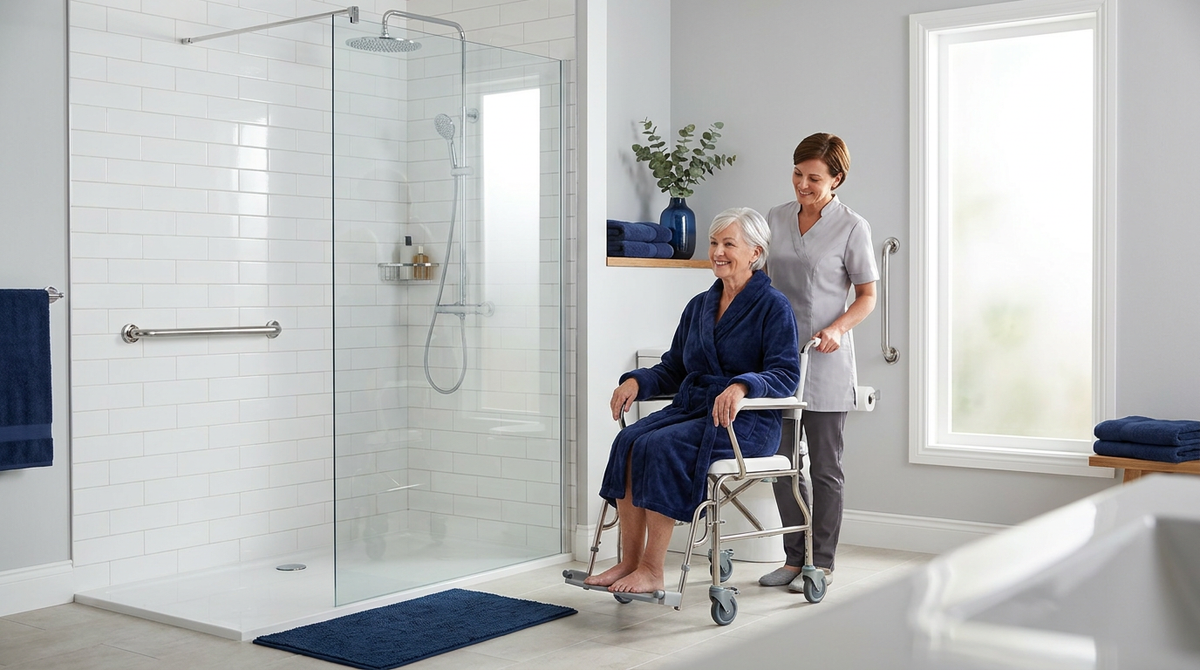
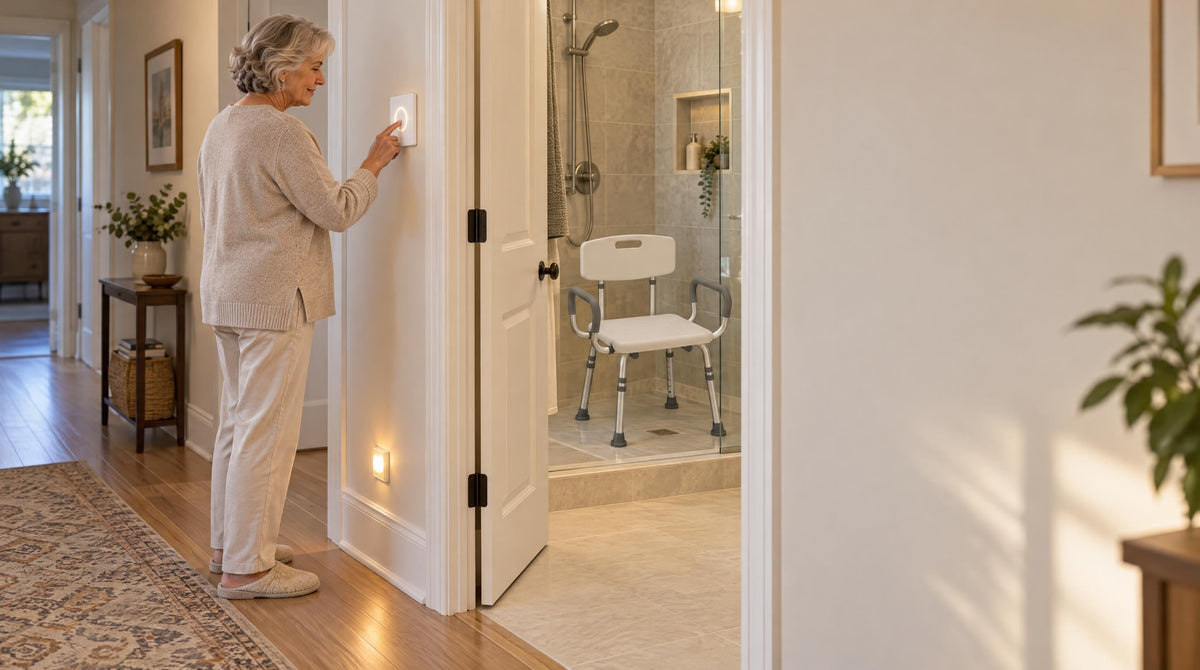
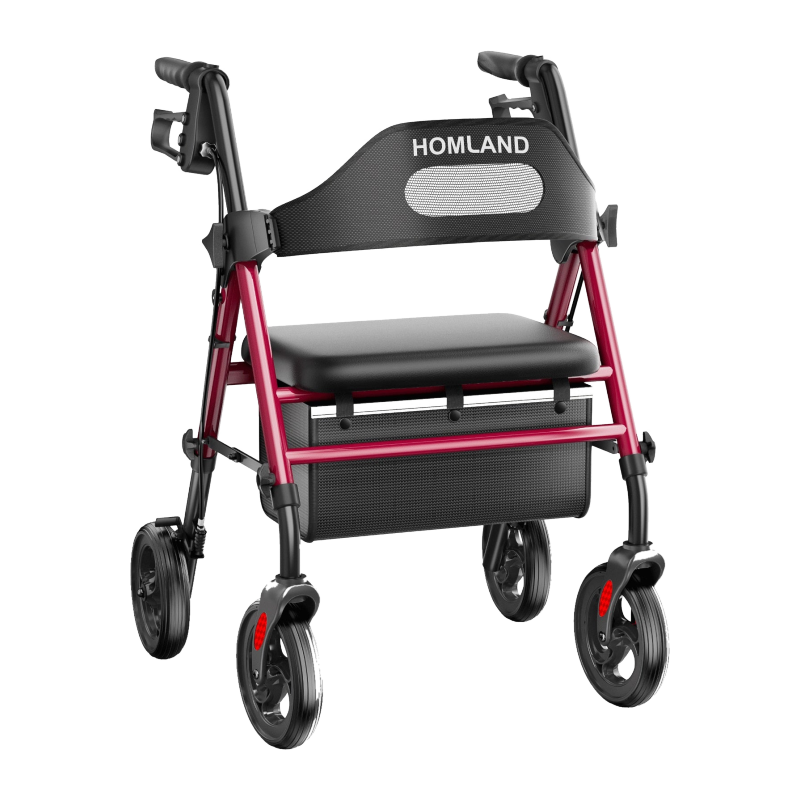
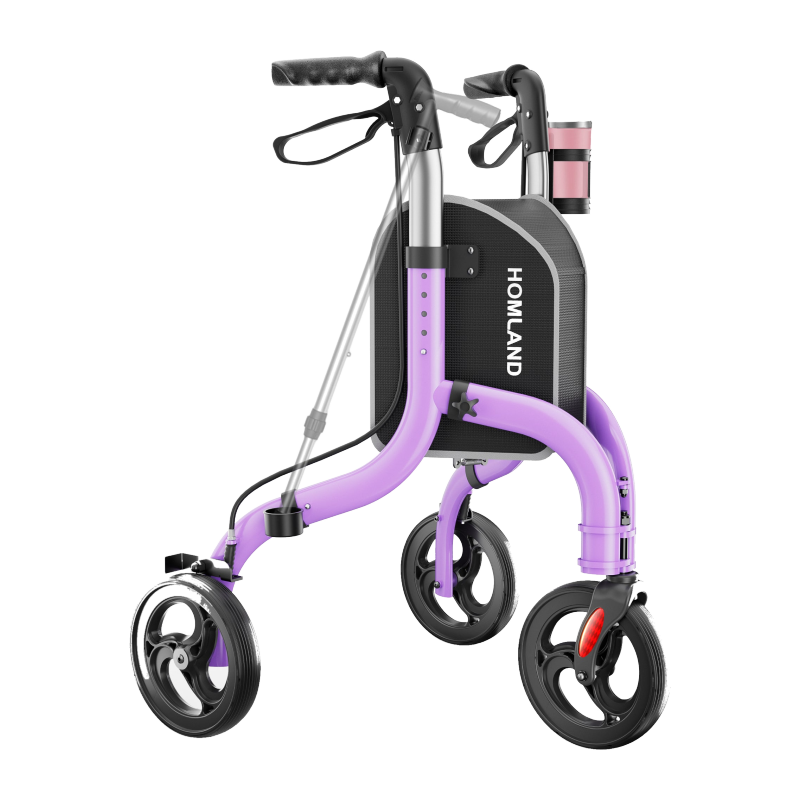
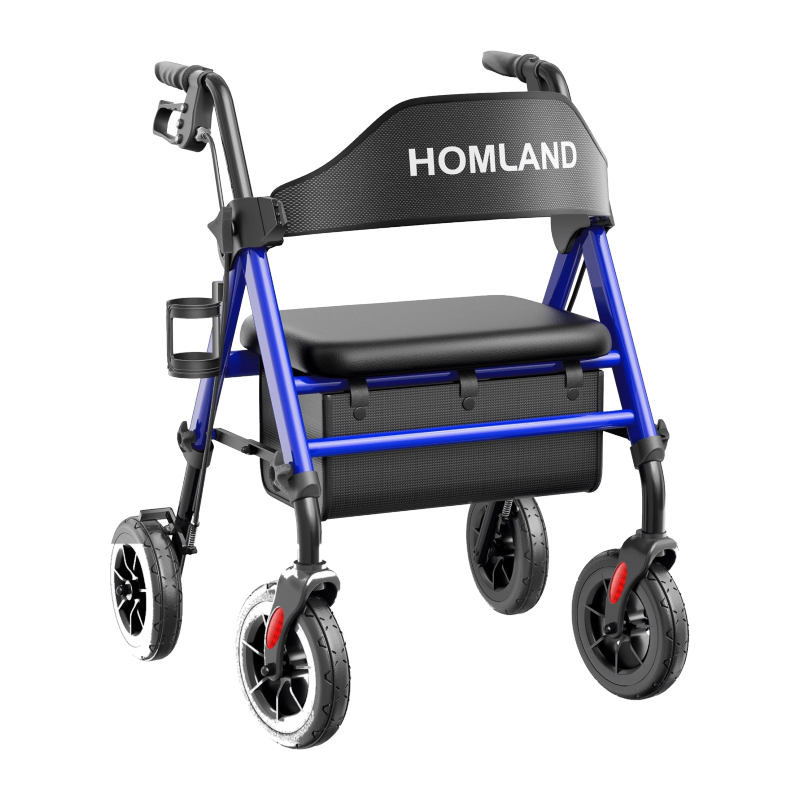
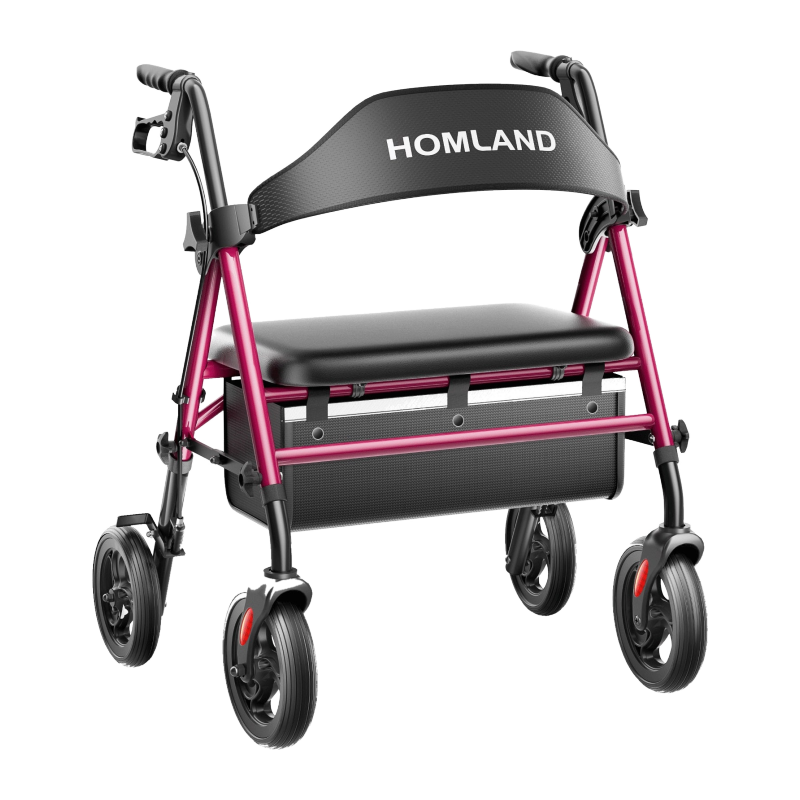
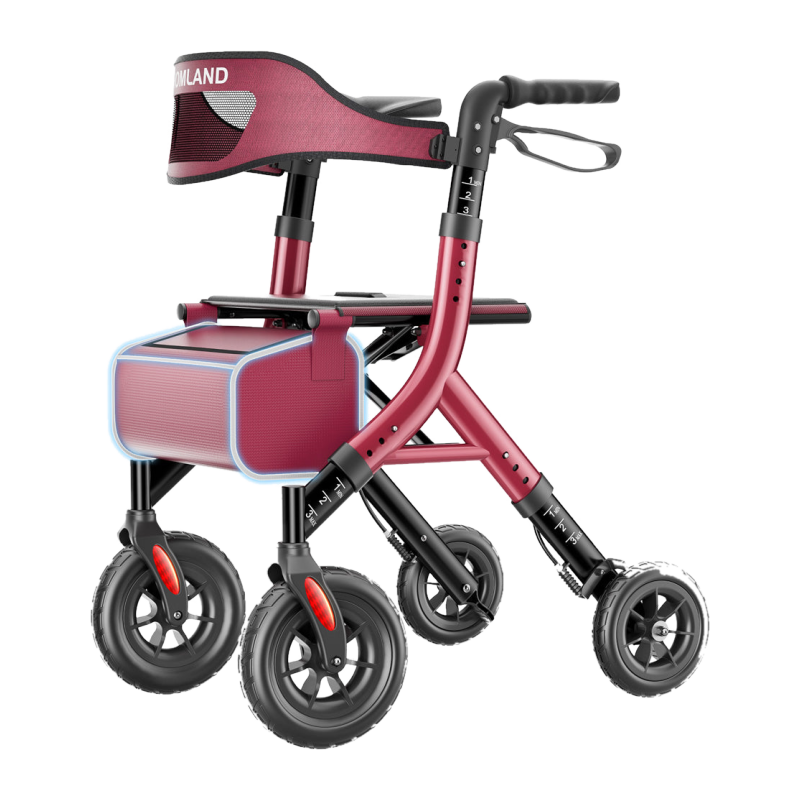
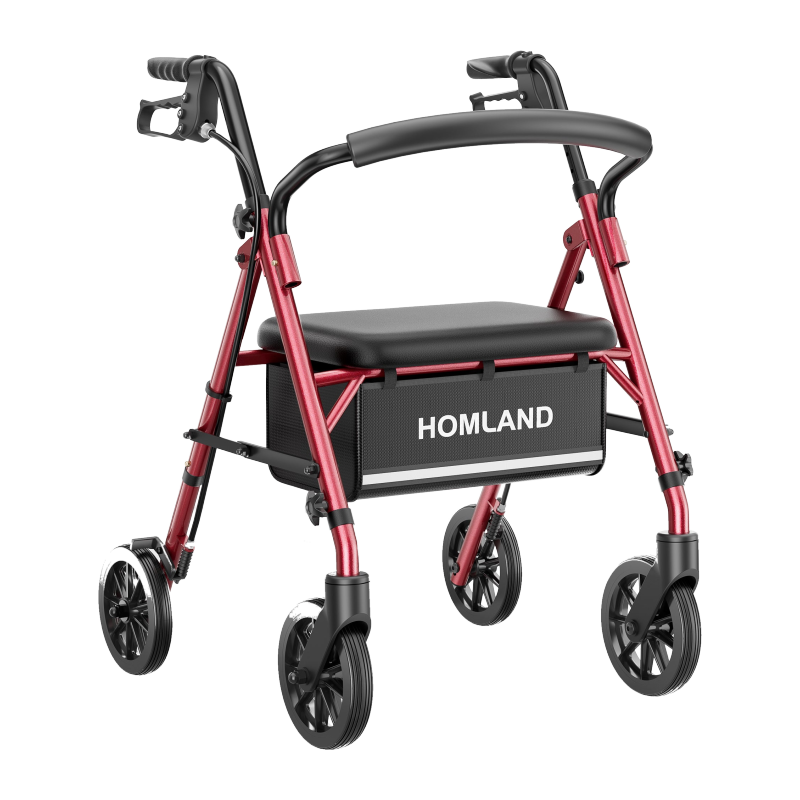
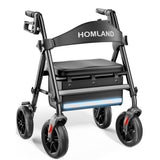
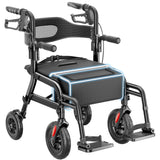
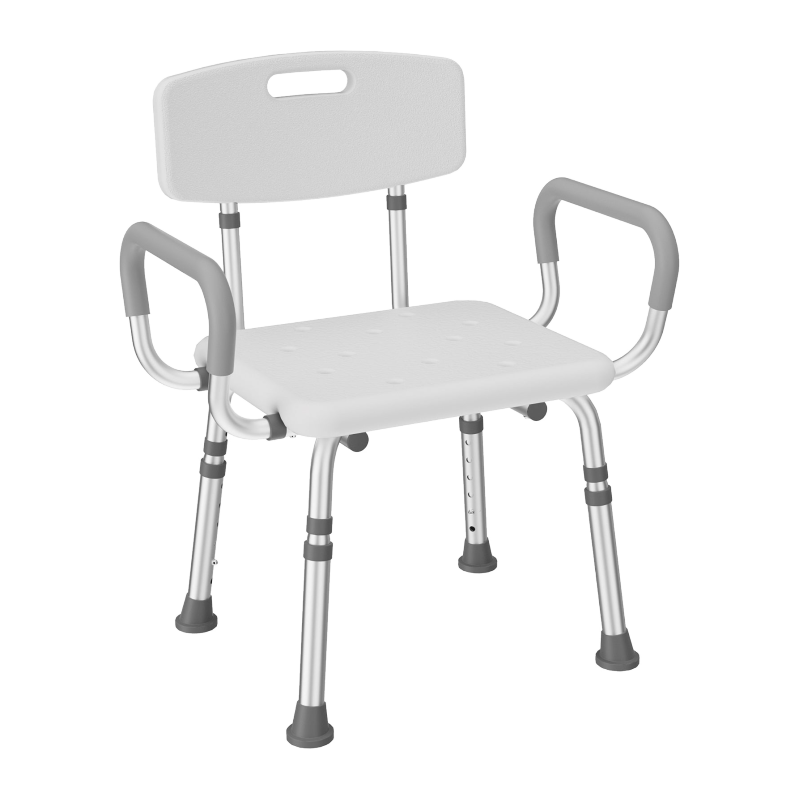
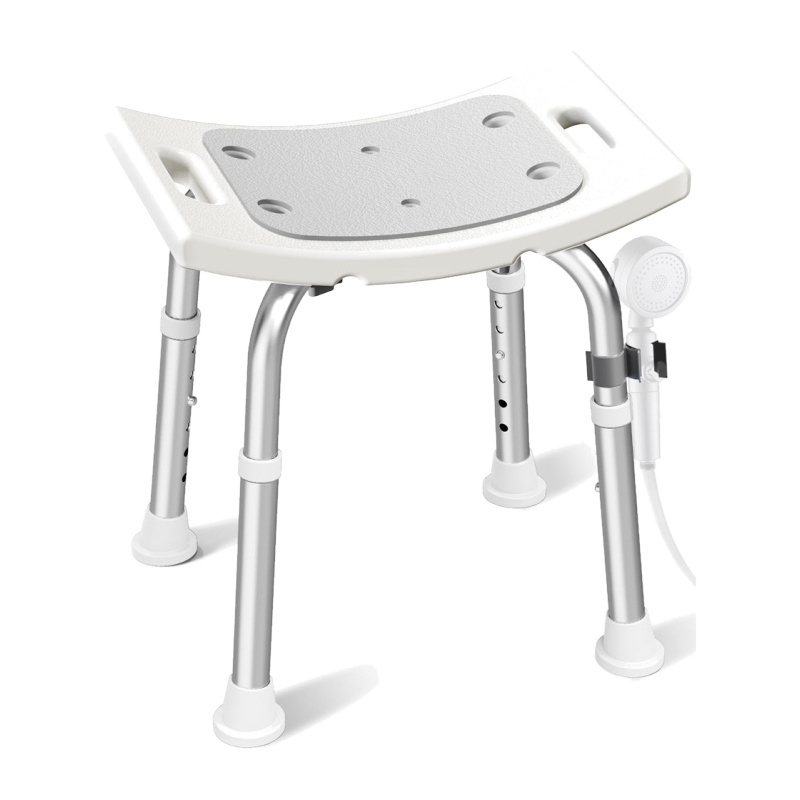
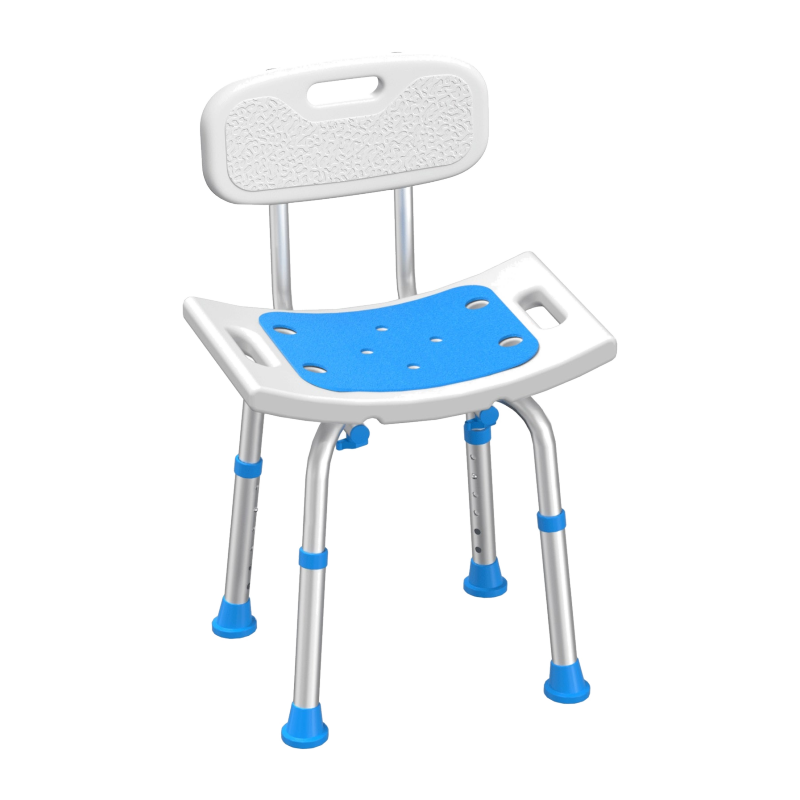
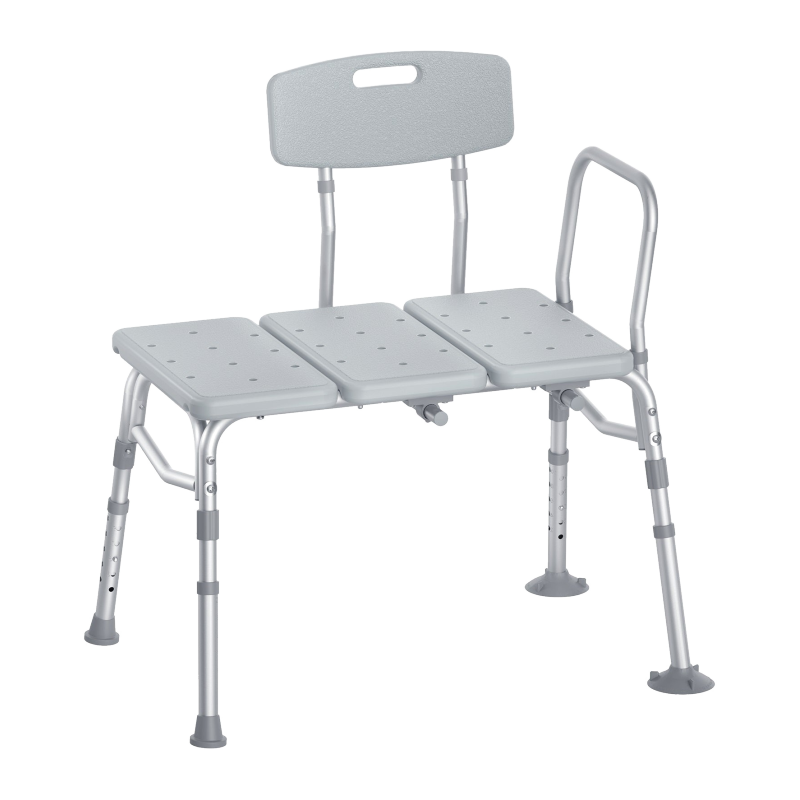
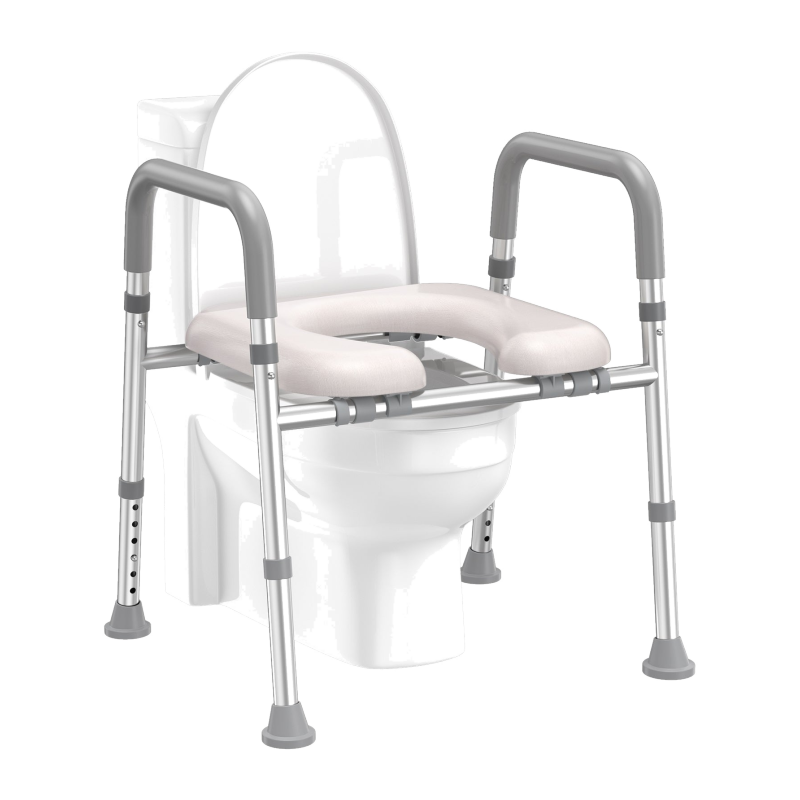
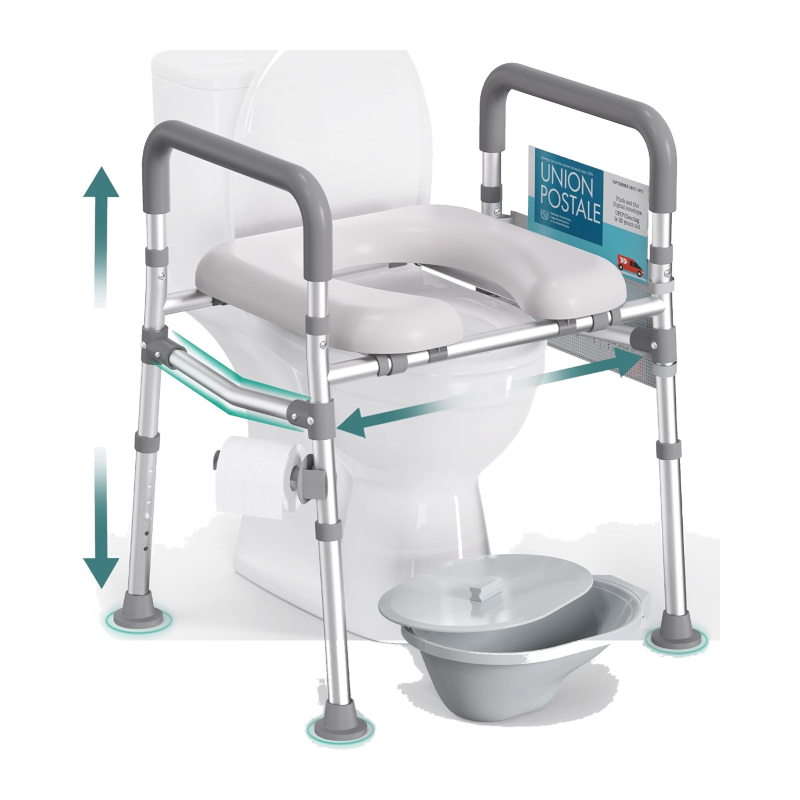
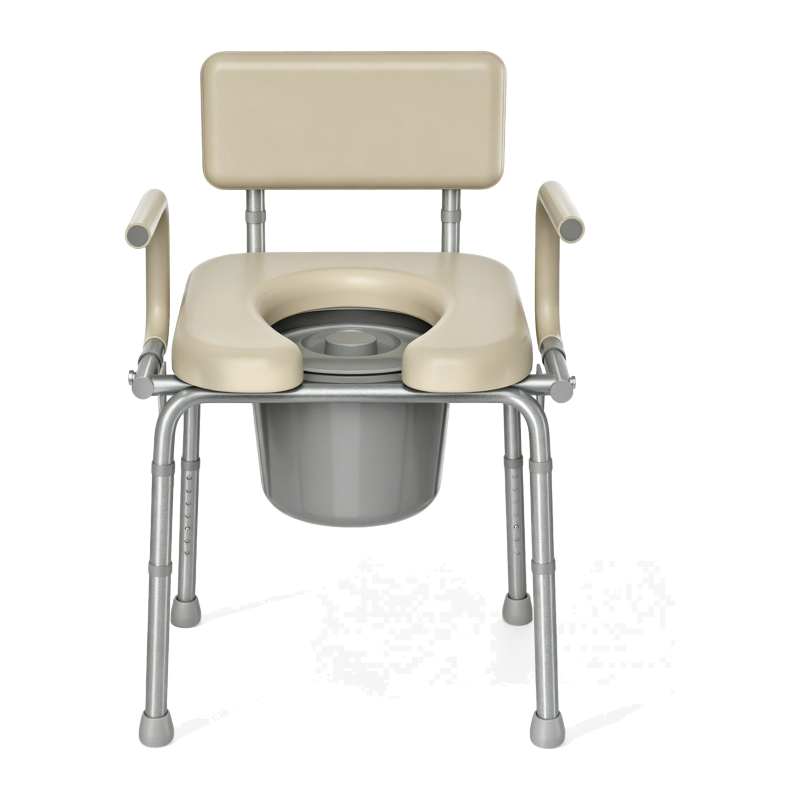
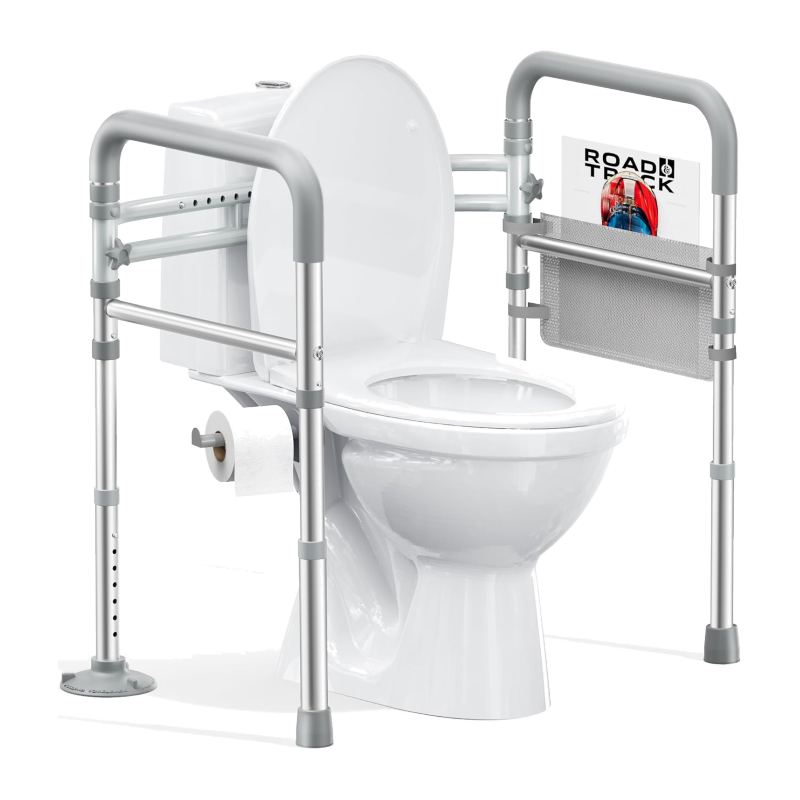
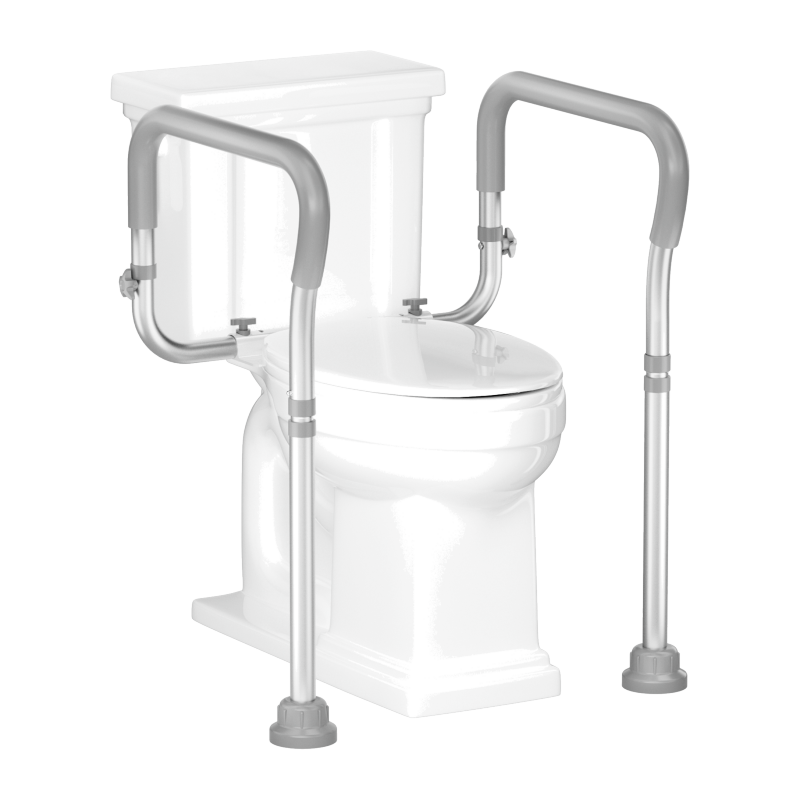
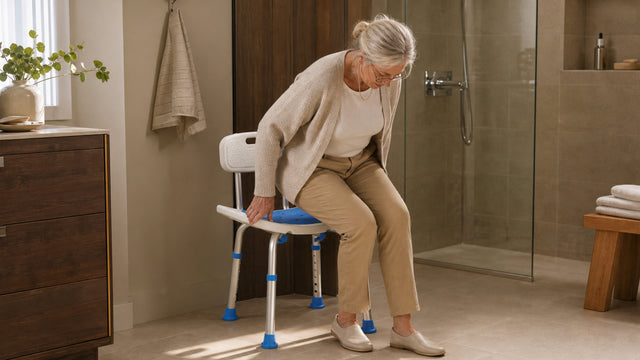
If you're setting up a more complete recovery environment at home, HOMLAND's full lineup has you covered — from shower chairs and toilet safety rails to bed rails and rolling walkers. Everything is designed with the same philosophy: home, not hospital.
So, Knee Scooter or Crutches?
For most people recovering from a foot, ankle, or lower-leg injury at home, a knee scooter offers a meaningfully better experience than crutches — more comfort, more stability, more independence, and far less daily fatigue. The research and physical therapy community increasingly reflect this, with occupational therapists observing that patients overwhelmingly prefer knee scooters when given the genuine choice.
That said, crutches remain a practical tool for short-term use, stair navigation, and situations where portability and compactness matter most. The best approach is often a combination — a knee scooter as your primary mobility aid at home, with crutches on hand for the occasions that require them.
What matters most is that you choose confidently, set up your aid correctly, and don't let the logistics of recovery strip away your sense of independence. The right mobility tool should make you feel capable at home — not dependent on others for every small task. That's exactly what HOMLAND is designed to support.
Ready to Find the Right Knee Scooter for Your Recovery?
Browse HOMLAND's full range of knee scooters — FSA/HSA eligible, backed by physical therapy expertise, and shipped from our US warehouse fast. Not sure which model fits your needs? Our team is here to help.
Shop Knee ScootersContact Us