
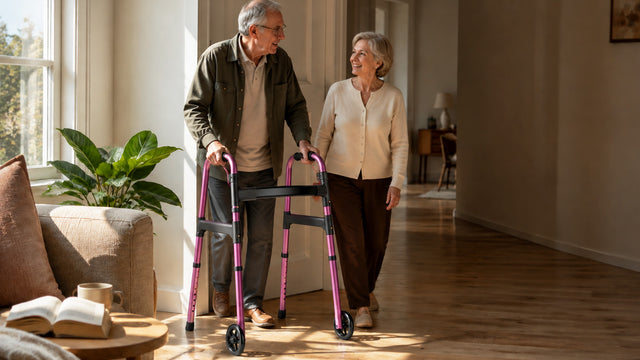

Caring for an aging parent, a spouse recovering from surgery, or a loved one with limited mobility is one of the most loving things a person can do. It is also, quietly and gradually, one of the most exhausting. Most family caregivers do not notice burnout creeping in — they are too focused on the next medication, the next meal, the next trip to the bathroom — until the day their body or mind finally says enough.
Caregiver burnout is not a character flaw. It is a predictable, well-documented response to sustained, high-demand caregiving without adequate rest or support. According to the National Alliance for Caregiving, more than 53 million Americans provide unpaid care to an adult or child with special needs — and a significant portion of them are showing signs of burnout right now without realizing it.
This article walks through 10 caregiver burnout symptoms that deserve your attention, explains why each one matters, and points toward practical ways to ease the physical and emotional load — including smarter home setups that reduce how much hands-on assistance your loved one needs in the first place.
10 Caregiver Burnout Symptoms
You Should Not Ignore
Recognizing early warning signs protects both your health and your loved one's care. Burnout builds quietly — until something breaks.
The 10 Warning Signs
Key Takeaways
-
Burnout Is Not a Character FlawIt is a predictable, documented response to sustained high-demand caregiving without adequate rest or support — and it deserves the same attention as any medical condition.
-
Your Burnout Affects Care Quality TooWhen a caregiver is depleted, small safety risks at home grow larger. Protecting your wellbeing directly protects your loved one.
-
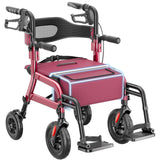
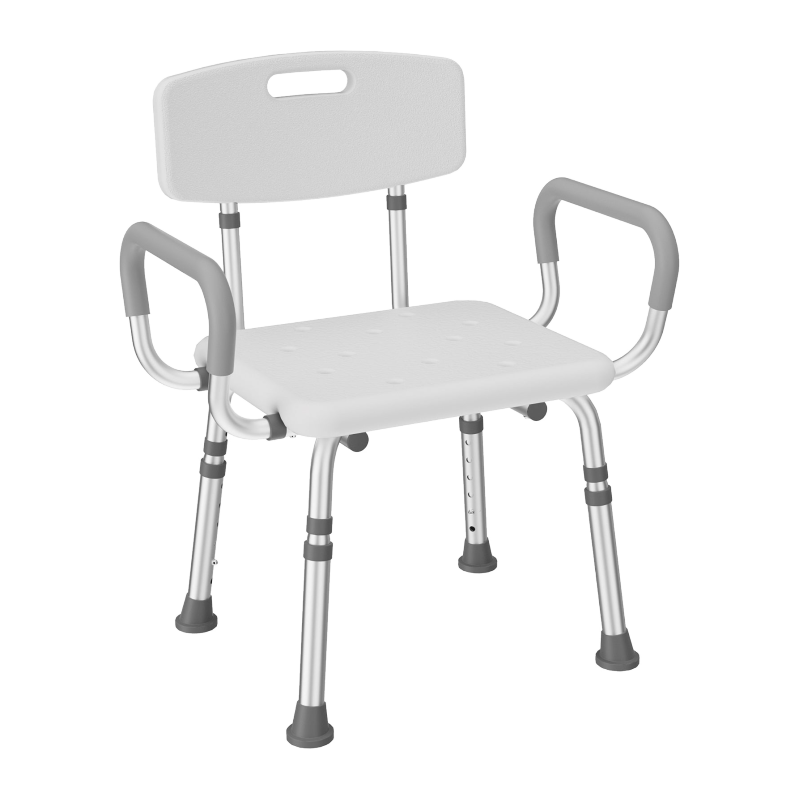
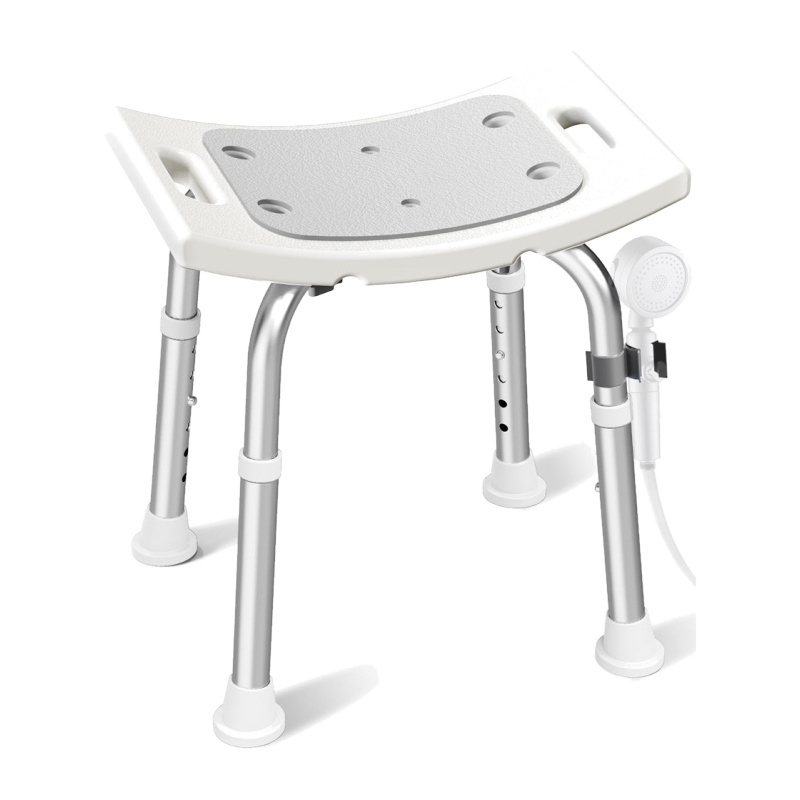
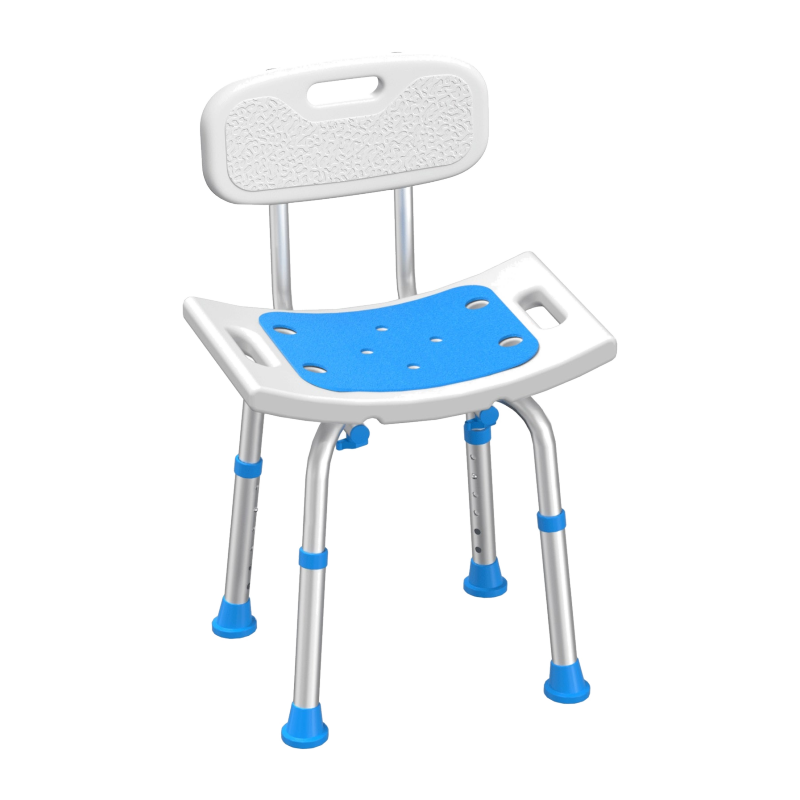
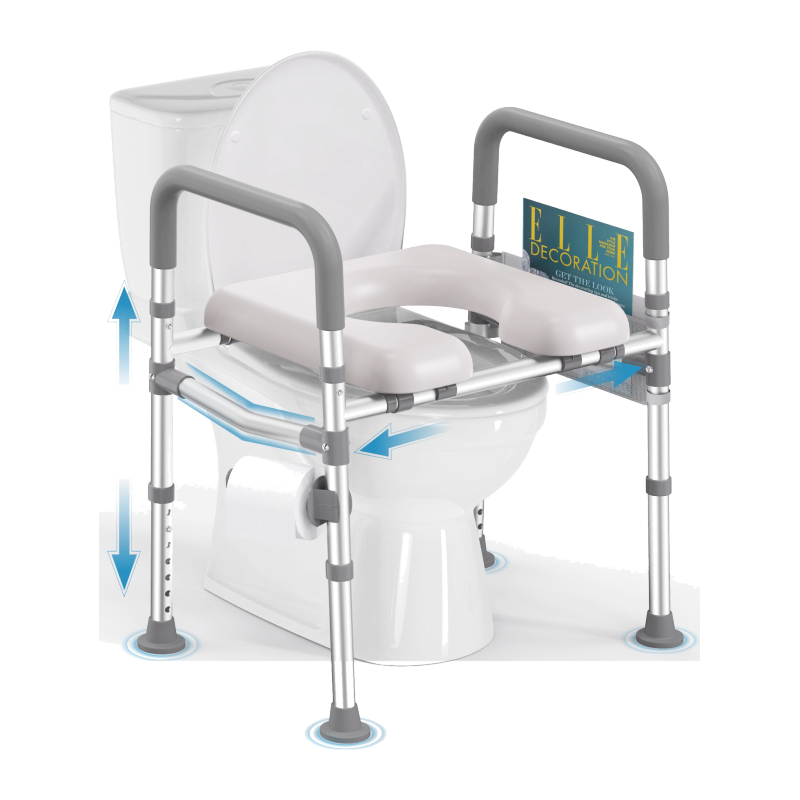
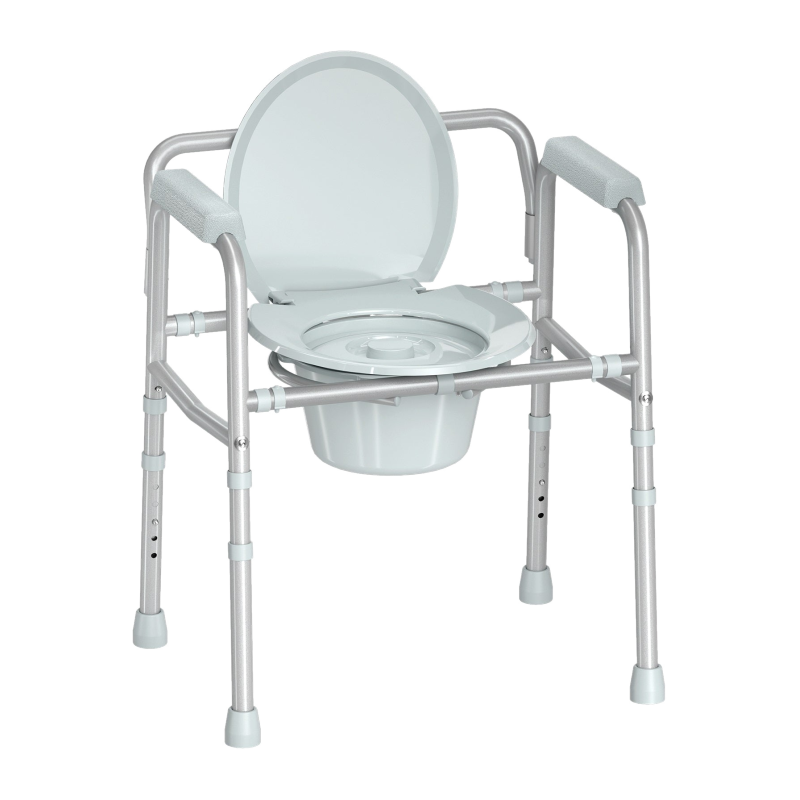
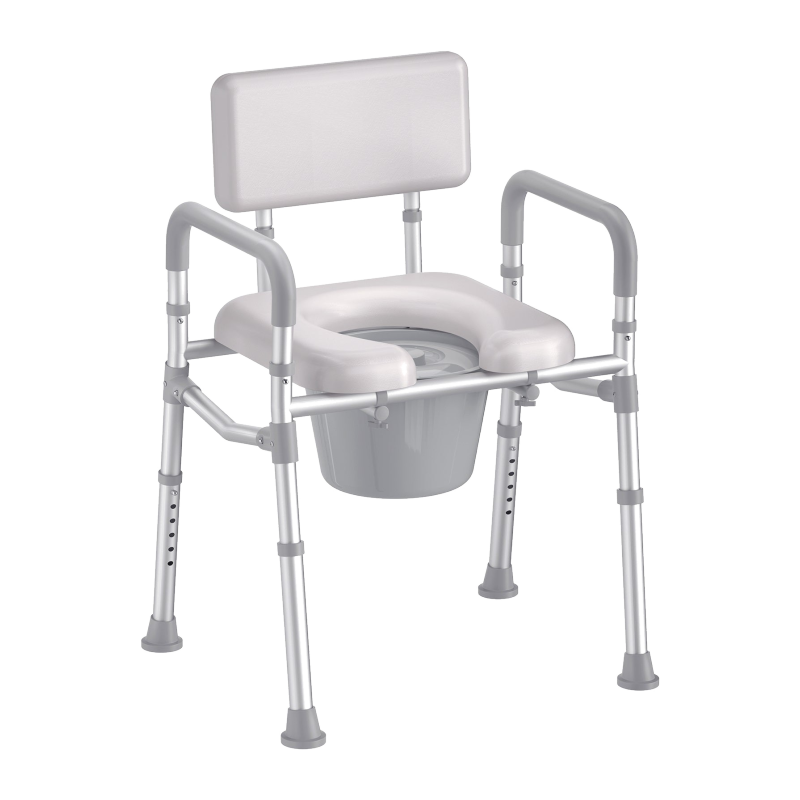
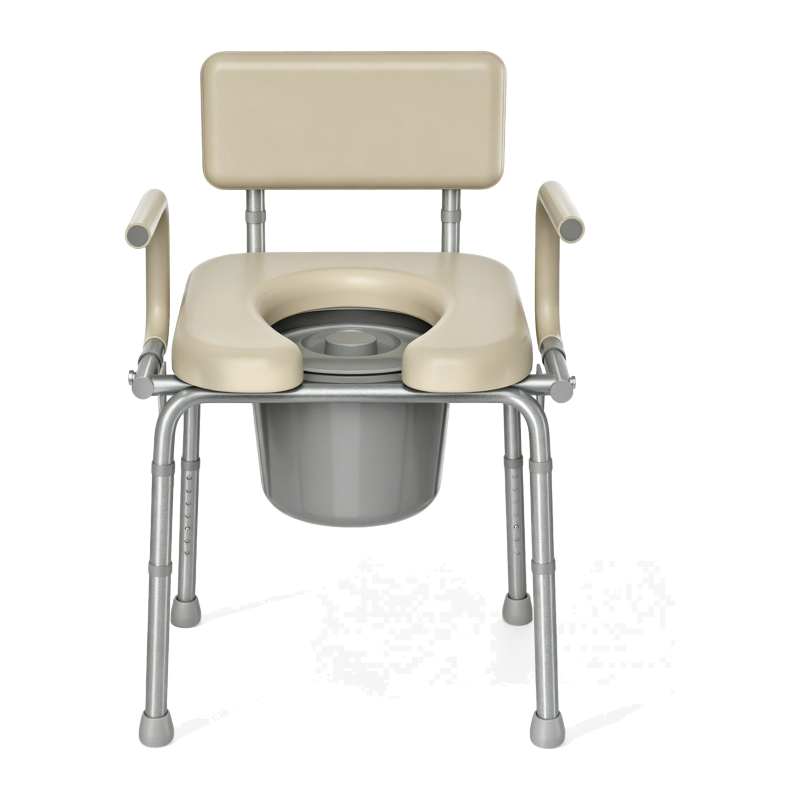
The Right Home Setup Reduces Physical LoadAdaptive equipment — shower chairs, bed rails, safety rails, walkers — helps loved ones do more independently, reducing lifting, transfers, and nighttime interruptions.
-
Reclaiming Yourself Is Not SelfishSmall acts of self-care — a walk, a hobby, a phone call — are clinical necessities for sustainable, quality caregiving over the long term.
Seek Help Immediately If You Experience
Persistent feelings of hopelessness, thoughts of harming yourself or your loved one, inability to function day-to-day, or a sense that you are completely trapped with no way out. These are signs that professional support is urgently needed — please talk to a doctor or mental health professional.
Home Safety Solutions That Help
Recovery Action Plan
What Is Caregiver Burnout?
Caregiver burnout is a state of physical, emotional, and mental exhaustion that develops when someone provides ongoing care without getting enough support, rest, or relief. It shares features with clinical burnout and depression, but it has a specific trigger: the relentless demands of caring for another person. Unlike ordinary tiredness, burnout does not lift after a good night's sleep. It accumulates over weeks and months, often disguised as dedication or selflessness, until it becomes impossible to ignore.
Physical therapists and healthcare professionals who work with home-care patients frequently observe that caregiver burnout affects not just the caregiver but the quality of care the loved one receives. When a caregiver is depleted, small safety risks at home grow larger — and that is where proactive changes to the home environment can make a meaningful difference for everyone involved.
1. Constant Exhaustion That Sleep Does Not Fix
This is usually the first symptom caregivers notice, and the one they are most likely to dismiss. You wake up tired. You go through the day tired. You fall into bed tired and repeat the cycle. This is not ordinary fatigue from a busy week — it is a bone-deep depletion that rest alone cannot touch. If you have been waking through the night to help your loved one to the bathroom, managing medications on a tight schedule, or simply lying awake with worry, your body has been running on stress hormones for far too long.
When physical assistance tasks like transfers, bathing help, and nighttime trips become easier — through adaptive equipment rather than pure muscle — caregivers often report sleeping better and feeling more restored. That reduction in physical labor matters more than most people expect.
2. Feeling Resentful Toward the Person You Care For
Resentment is one of the most uncomfortable caregiver burnout symptoms to admit, but it is also one of the most common. You might catch yourself feeling a flash of frustration when your parent calls for the fifth time before breakfast, or feel a quiet bitterness creeping in when you think about the plans you have canceled. These feelings do not mean you are a bad person or that you love your family member any less. They mean you are a person running on empty who needs relief.
Naming this symptom honestly is important because suppressed resentment tends to surface in ways that damage relationships — snapping at your loved one, pulling back emotionally, or going through the motions of care without genuine presence. Catching it early makes it much easier to address.
3. Withdrawing From Friends, Family, and Activities You Enjoy
Caregiving has a way of quietly filling every corner of a life. Social invitations get declined because there is no one to stay with Mom. Hobbies get shelved because there is no mental energy left by evening. Over time, the support network that could help most starts to feel out of reach. This withdrawal is a hallmark symptom of burnout — and it creates a difficult cycle, because social connection is one of the most effective buffers against burnout in the first place.
If you have noticed yourself turning down invitations more often, losing touch with people you care about, or feeling like your entire identity has been absorbed into the caregiver role, that pattern deserves your attention.
4. Neglecting Your Own Health
Caregivers are statistically more likely than non-caregivers to skip their own doctor's appointments, delay dental care, eat poorly, and stop exercising. The logic makes surface-level sense: there is barely enough time and energy to manage someone else's health needs. But the long-term cost is significant. When a caregiver's health declines, the entire care arrangement becomes vulnerable. You cannot pour from an empty cup, and you cannot care for someone else if you are hospitalized yourself.
Watch for specific signs: skipping medications, ignoring persistent pain, relying heavily on caffeine or alcohol to get through the day, or avoiding the mirror because you do not want to see how tired you look. These are not small things.
5. Increasing Irritability or Emotional Outbursts
A shortened fuse is one of the clearest external signals of burnout. You might snap at your spouse over something minor, feel disproportionately angry at a small inconvenience, or find yourself crying unexpectedly. Emotional dysregulation like this happens because a chronically stressed nervous system loses its capacity for measured responses — everything starts to feel like too much because, neurologically speaking, it is too much.
Family members often notice this symptom before the caregiver does. If someone close to you has mentioned that you seem different, angrier, or more on edge than usual, take that feedback seriously rather than dismissing it.
6. Feeling Hopeless or Helpless
There is a difference between a hard day and a pervasive sense that nothing will ever get better. When caregivers begin to feel genuinely hopeless — convinced that the situation will never improve, that their efforts do not matter, or that they are trapped with no options — that is a serious warning sign that crosses into territory where professional support becomes important. Hopelessness is also one of the defining features of clinical depression, which caregivers develop at substantially higher rates than the general population.
If this resonates with you, please reach out to a doctor or mental health professional. This is not weakness. It is a rational response to an unsustainable situation that needs to change.
7. Declining Work Performance or Financial Stress
Many family caregivers are also holding down jobs, managing households, and raising children of their own. Burnout does not stay neatly within the caregiving role — it spills into everything else. Missed deadlines, difficulty concentrating at work, using sick days to manage caregiving crises, or reducing work hours to accommodate care demands all create financial and professional ripple effects that compound the stress.
If your career is suffering or you are increasingly worried about money, it is worth stepping back and calculating the real cost of the current arrangement — and whether investing in some adaptive home equipment or respite care might actually be more sustainable (and affordable) than its absence.
8. Difficulty Concentrating or Making Decisions
Brain fog is a real physiological consequence of chronic stress. If you find yourself rereading the same paragraph three times, forgetting conversations you just had, or freezing up in front of simple choices, your cognitive load has exceeded what your stressed and sleep-deprived brain can reliably handle. This symptom matters beyond personal frustration — when a caregiver cannot concentrate effectively, medication errors, missed appointments, and safety lapses become more likely.
Think of it as a signal from your own body: the system needs maintenance before it can keep running reliably.
9. Physical Aches, Injuries, or Frequent Illness
Caregiving is physically demanding in ways that often go unacknowledged. Helping someone in and out of the shower, lifting from a bed, supporting someone on the stairs — these tasks put real strain on backs, shoulders, and knees, particularly when done repeatedly without proper technique or equipment. Physical therapists consistently flag transfer and bathing assistance as high-injury moments for caregivers. Add a suppressed immune system from chronic stress, and it becomes clear why caregivers get sick more often and take longer to recover.
Persistent back pain, a pulled muscle that keeps returning, or a string of colds and infections are your body's way of saying the physical demands of caregiving have become too high. Reducing that physical load — through well-designed adaptive equipment that helps your loved one do more independently — is not giving up. It is smart, sustainable care.
10. Losing Your Sense of Self
Perhaps the subtlest symptom, and in some ways the most significant. When you struggle to remember what you enjoyed before caregiving, when conversations with friends feel foreign because you have nothing to talk about except medical updates, when you look in the mirror and feel like a stranger — that is burnout reaching into your identity. Caregiving can become so all-consuming that the person doing the caring begins to disappear.
Reclaiming even small pieces of yourself — a half-hour walk, a phone call with a friend, a hobby revisited for twenty minutes — is not selfish. It is a clinical necessity for sustainable, quality caregiving over the long term.
What to Do When You Recognize These Signs
Recognizing caregiver burnout symptoms is the first and most important step. Once you can name what is happening, you have options. Start by talking to your own doctor — burnout has real physical and psychological health consequences that deserve medical attention. Explore respite care options in your area, which give you scheduled, reliable breaks. Connect with a caregiver support group, either locally or online, where others understand the specific texture of this experience. And if professional counseling is accessible to you, it can provide both coping tools and a protected space to process everything you are carrying.
At the same time, look honestly at the physical demands of daily caregiving in your home. Are there tasks that could be made safer and easier — for your loved one and for you — with the right equipment? This is often where the biggest, most immediate relief comes from.
How the Right Home Setup Can Reduce Caregiver Strain
One of the most overlooked sources of caregiver burnout is the sheer physical labor of daily assistance — and a great deal of that labor happens in the bathroom and bedroom. Bath time, getting on and off the toilet, transferring from bed to a chair: these moments require close physical assistance when the home is not set up to support the person doing them. But when the right equipment is in place, many older adults and post-surgery patients can manage these tasks with far greater independence, which means less lifting, less worry, and more rest for the caregiver.
Physical therapists often recommend a layered approach to home safety: start with the highest-risk areas (bathroom first, then bedroom), choose equipment that is easy to set up without tools, and prioritize pieces that encourage the user's own strength and confidence rather than dependence. HOMLAND's product line was built with exactly this philosophy in mind — every item is designed to help users do more for themselves, so the people who love them can breathe a little easier.
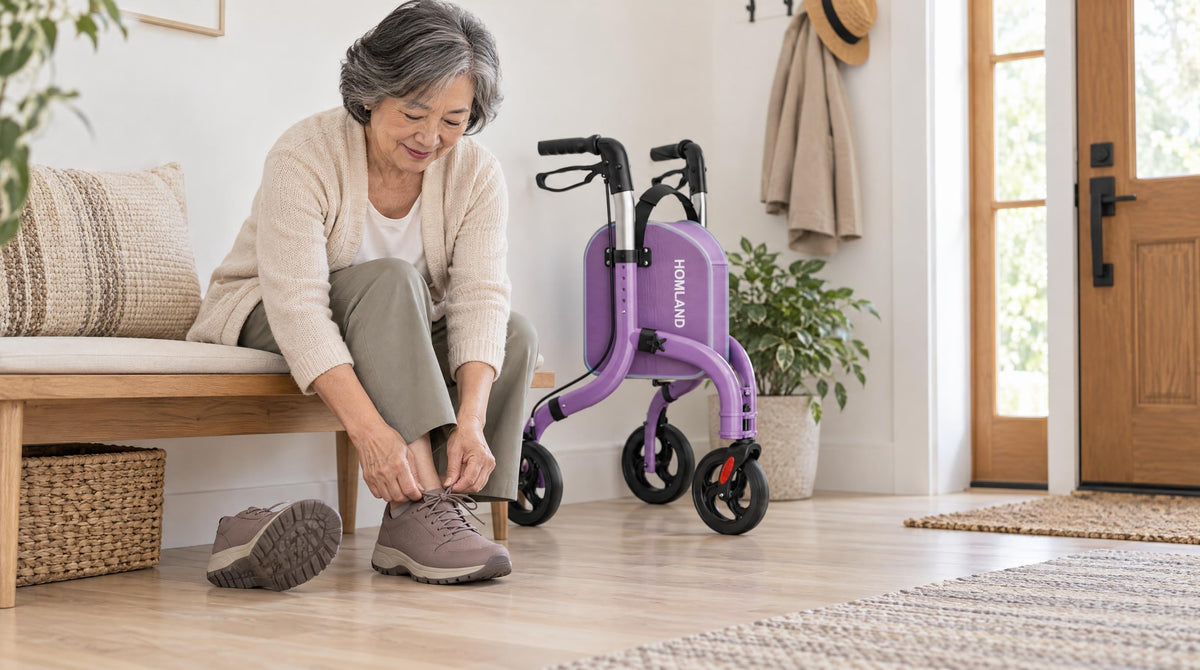
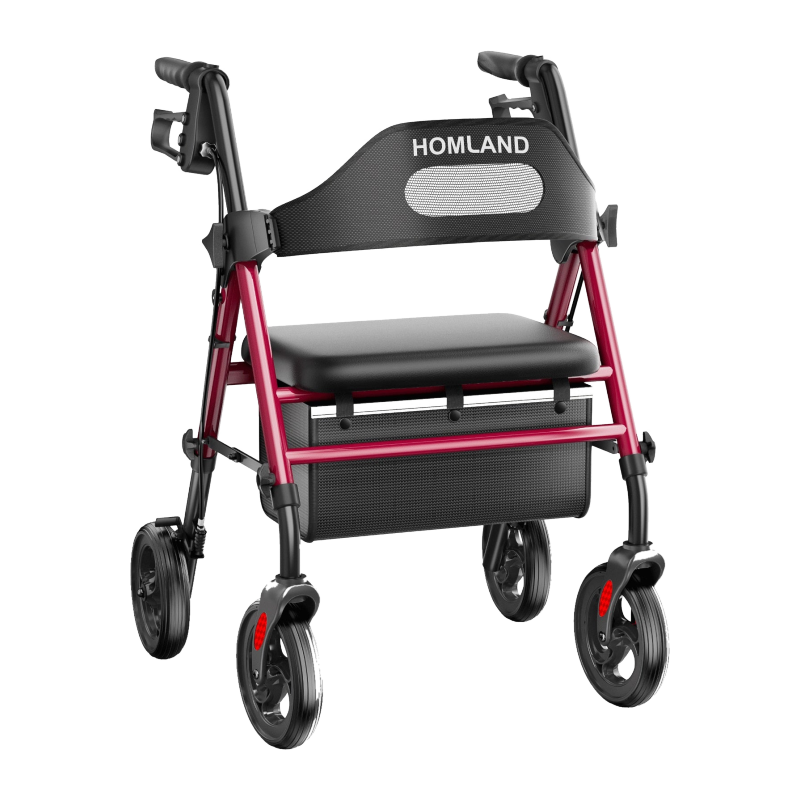
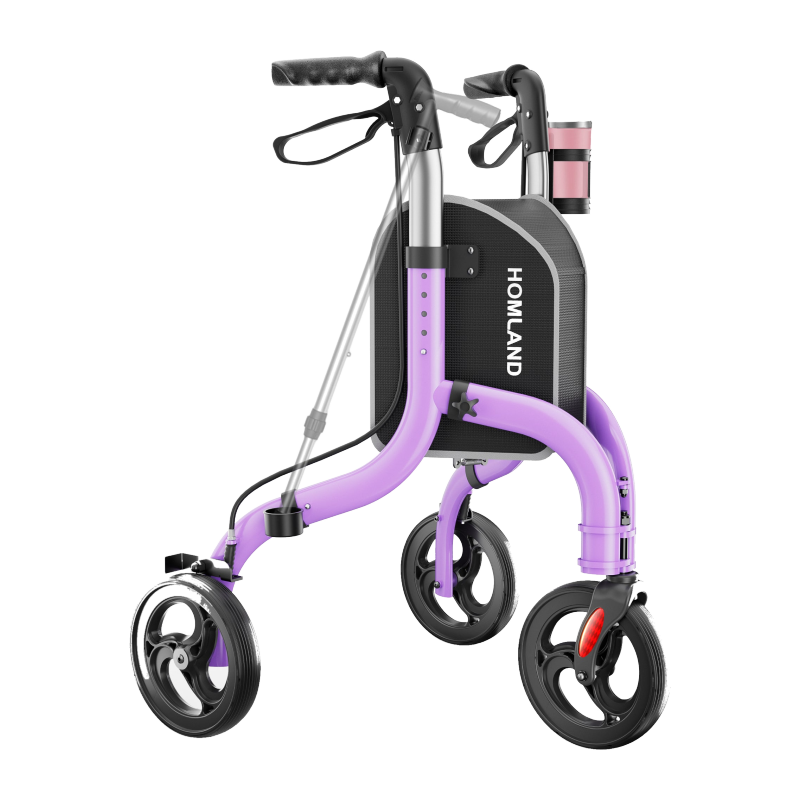
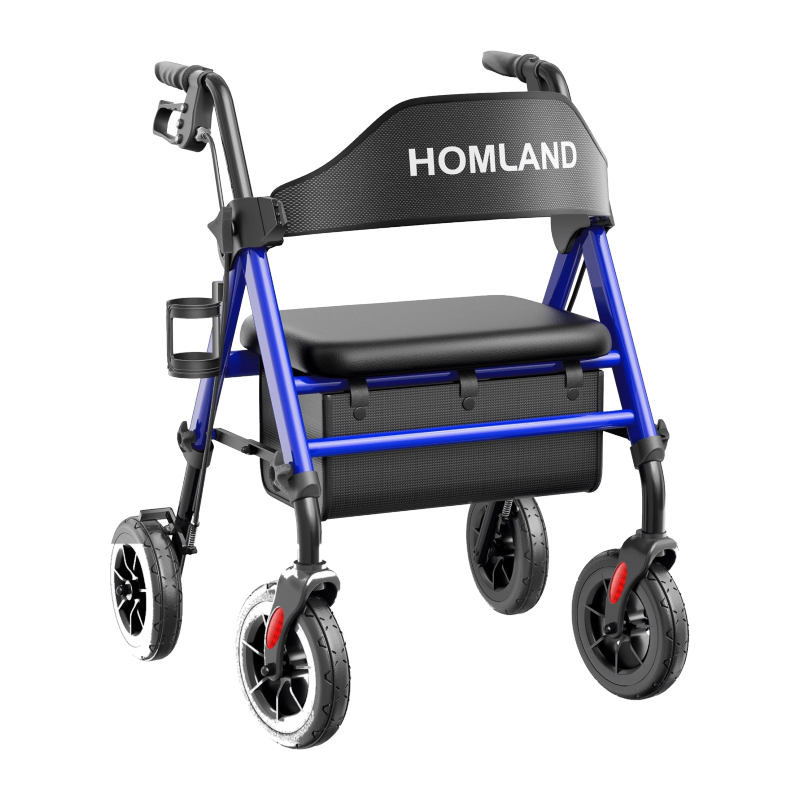
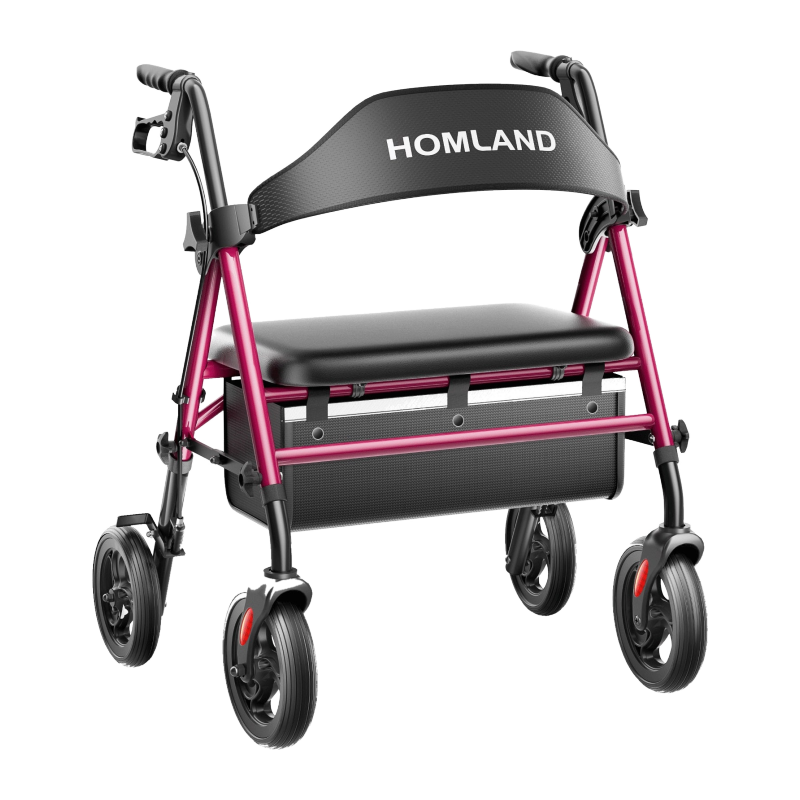
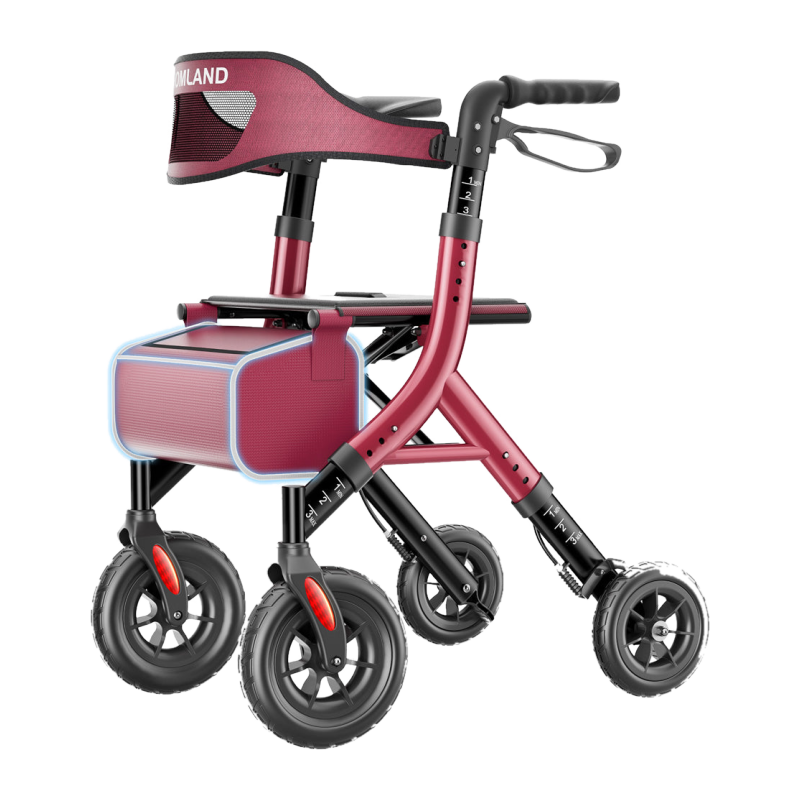
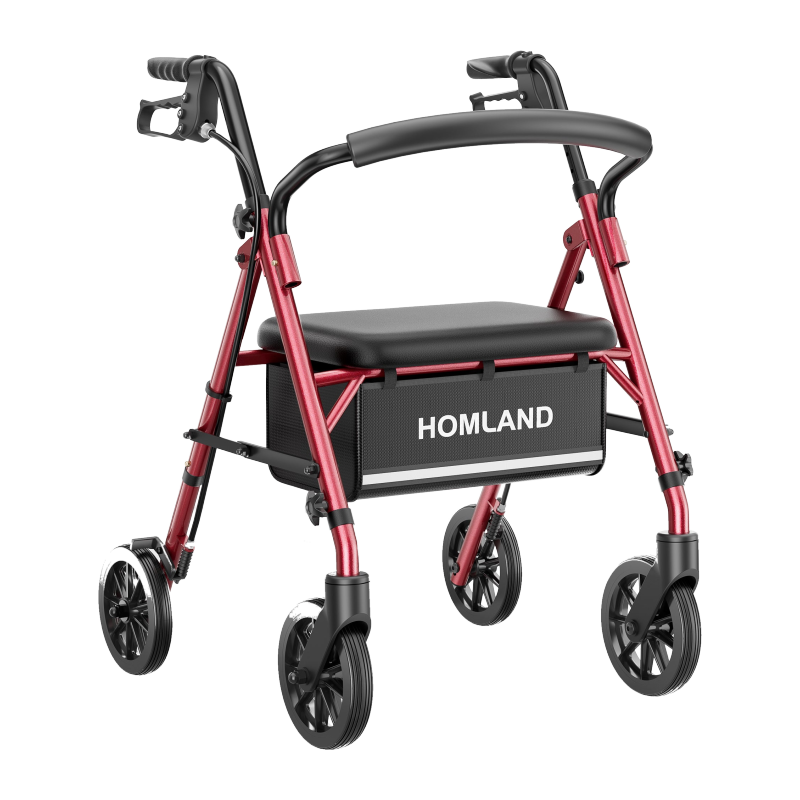
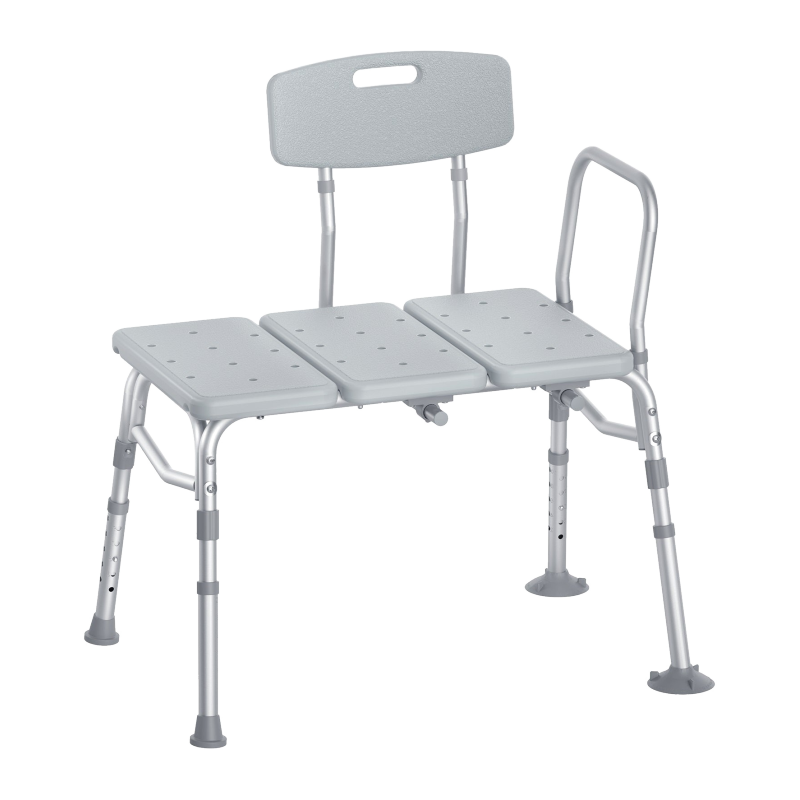
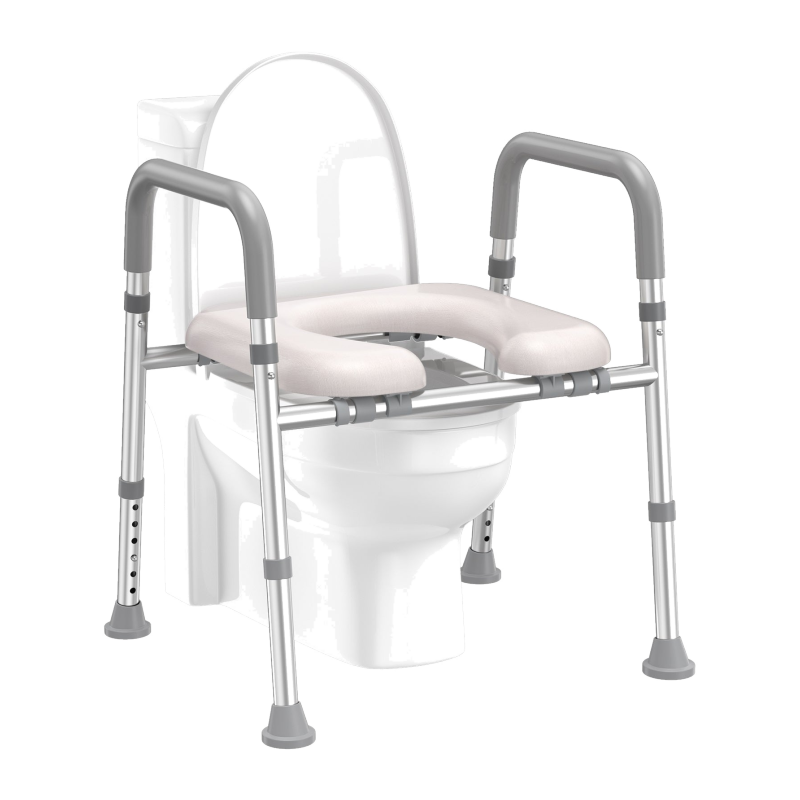
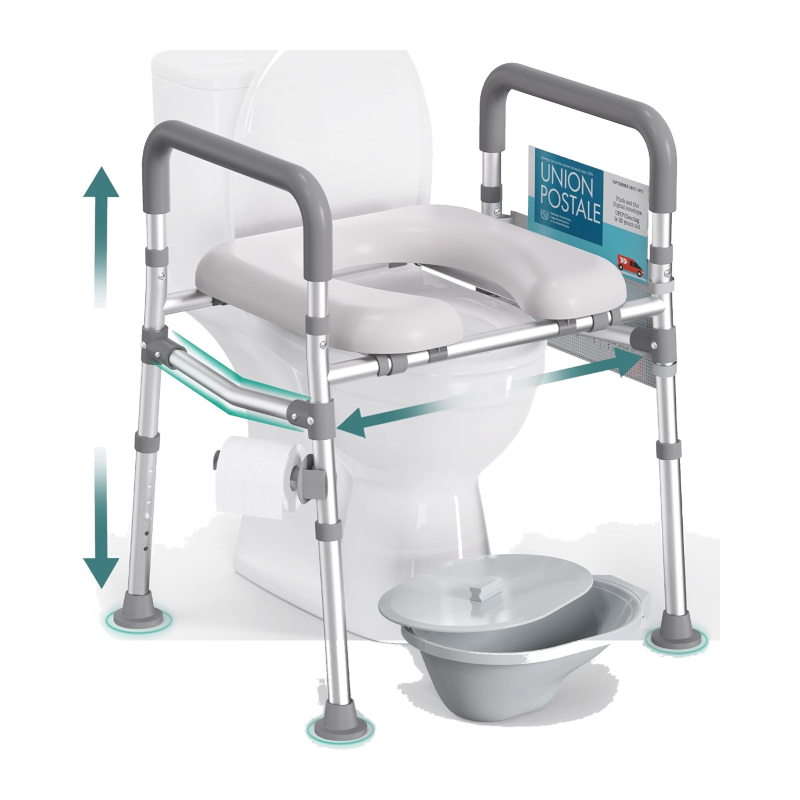
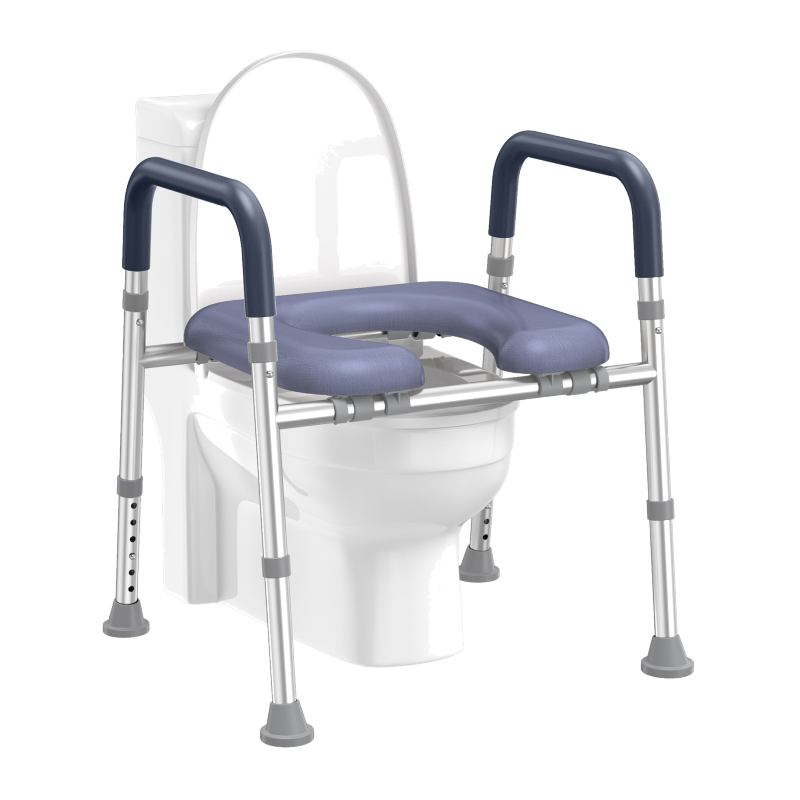
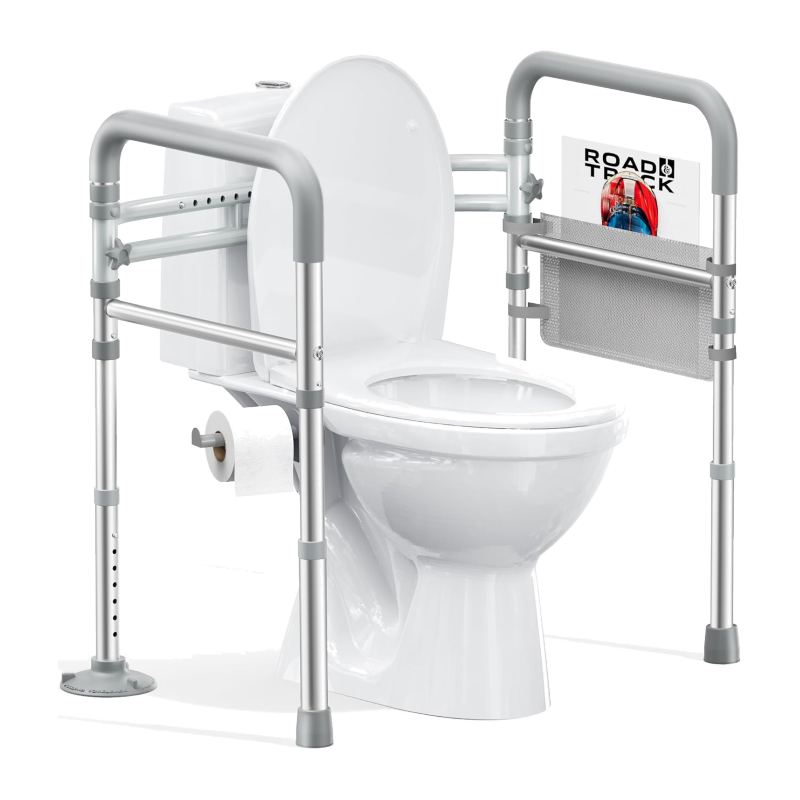
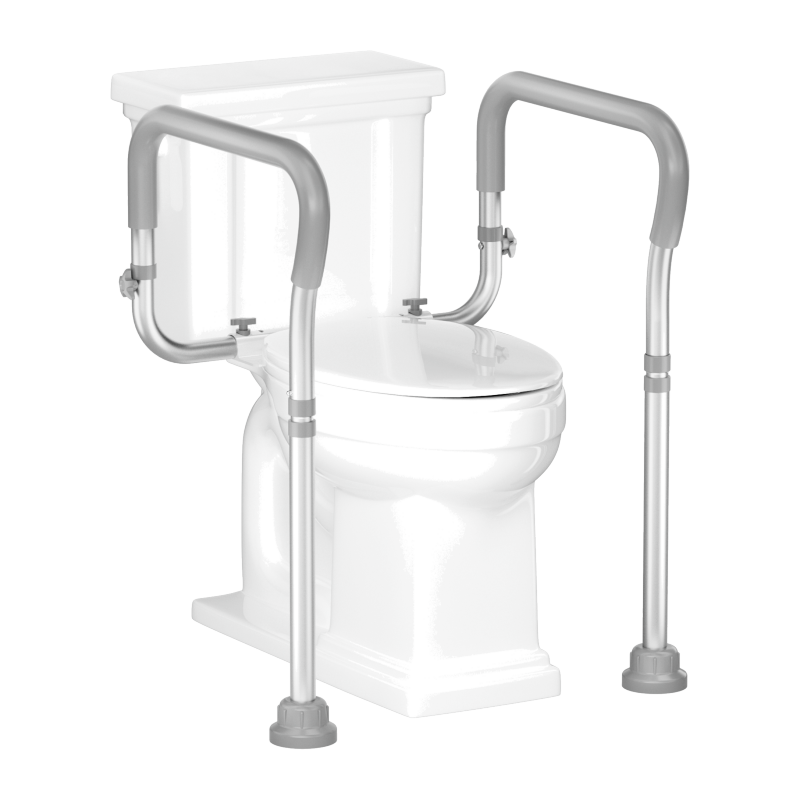
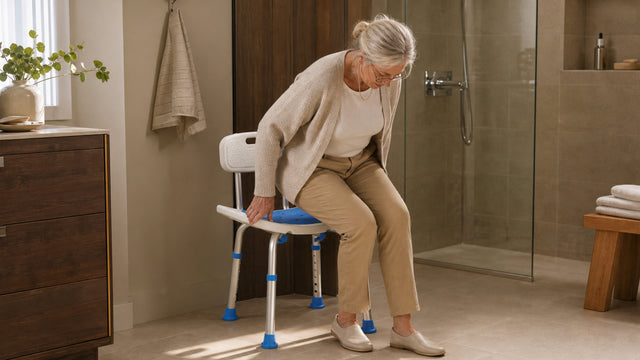
A shower chair can transform bath time from a high-anxiety, two-person task into something a loved one can manage safely with minimal oversight. Toilet safety rails give users the grip and confidence to sit down and stand up without calling for help — protecting both their dignity and the caregiver's back. A well-chosen rolling walker means your loved one can move through the house safely on their own schedule, rather than waiting for assistance with every trip to the kitchen.
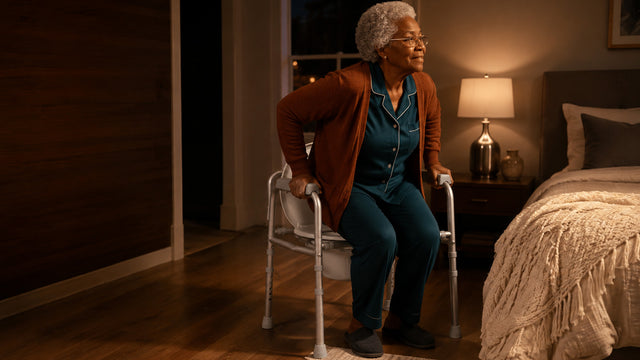
For caregivers managing nighttime check-ins and the anxiety of falls, bed rails provide a secure handhold that helps users reposition and get up independently — which means fewer nighttime interruptions for everyone. If mobility is a broader concern, a standard walker or knee scooter (for post-surgery recovery) can dramatically reduce how much physical support your loved one needs during the day.
All HOMLAND products are FSA/HSA eligible, backed by a 1-year manufacturer warranty plus a 1-year extended warranty, and ship from a US local warehouse for fast delivery — so you are not waiting weeks for something your household needs now. Authorized by licensed Doctors of Physical Therapy, each product is built to meet real home-care needs, not just check a box. Explore the full HOMLAND product collection to find what fits your situation best.
You Cannot Take Care of Someone Else If You Are Running on Empty
Caregiver burnout does not arrive all at once. It builds quietly, symptom by symptom, until something breaks. The ten warning signs covered in this article — from chronic exhaustion and resentment to physical injury and loss of identity — are not signs of weakness. They are honest signals from a person giving more than they should have to give alone.
The most important thing you can do right now is take those signals seriously. Talk to your doctor. Reach out for support. And take an honest look at the physical demands of daily caregiving in your home — because reducing that load, even incrementally, can restore more energy and peace of mind than almost any other single change. Your loved one deserves great care. So do you.
Need Help Finding the Right Equipment?
If you are not sure where to start, our team is happy to help you find the right home safety solution for your loved one's specific needs. HOMLAND products are FSA/HSA eligible, DPT-authorized, and backed by a two-year warranty — so you can feel confident in every purchase.
Contact Us Today