
Think about the last time you walked across a slick kitchen floor in socks, or stepped outside onto damp pavement in a worn-out pair of sneakers. That slight hesitation, that split-second recalibration — for a younger person, it passes without a second thought. For a senior managing balance challenges, that same moment can be genuinely frightening.
The shoes on your feet — or the shoes on the feet of someone you love — play a bigger role in daily safety than most people realize. According to the CDC, more than 14 million adults age 65 and older, or roughly 1 in 4, report falling each year. Falls are the leading cause of injury among older adults, and about 37% of those who fall sustain an injury serious enough to limit their activity or require medical attention. Yet footwear is one of the most actionable, manageable factors in fall prevention — something you can change today.
This guide breaks down exactly what to look for in shoes if balance is a concern, what features physical therapists point to as genuinely useful, which popular shoe styles to avoid, and how good footwear fits into a broader picture of home safety. Whether you're shopping for yourself or helping a parent find something that works for them, this is the information you need before you buy.
Why the Right Shoes Matter More Than You Think
Footwear is not just about comfort. The shoes a person wears directly influence how well their feet communicate with their brain about where they are in space. That communication — the technical term is somatosensory feedback — is one of three systems the body uses to maintain balance. When footwear disrupts that signal, or when it shifts weight in an unstable direction, the whole system has to work harder to compensate. For a senior whose balance systems are already working at reduced capacity, that extra demand can tip the scales toward a fall.
Research published in the Journal of the American Geriatrics Society synthesized over 45 years of physical therapy experience and found that shoes with wide soles, medium-firm materials, low heels, and high collars improved stability and reduced postural sway in older adults. Separately, a PubMed systematic review concluded that older people should wear shoes with low heels and firm slip-resistant soles both inside and outside the home. These are not small adjustments — they are structural choices that make everyday movement meaningfully safer.
How Balance Changes with Age
Balance is a team effort inside the body. The eyes, the inner ear, and the sensory nerves in the feet and joints all send signals to the brain, which then coordinates muscle responses to keep a person upright. With age, each of these systems can slow down or weaken. Vision sharpness declines. Inner ear function becomes less precise. The nerves in the feet, particularly in people managing diabetes or circulation issues, may lose some of their sensitivity. Muscle strength, especially in the lower legs and ankles, tends to decrease.
The result is that even a gentle, routine challenge — a slightly uneven sidewalk, a step up onto a curb, turning to look behind you — can cause more difficulty than it once did. None of this is inevitable or permanent, but it does mean that the tools and environment around a senior need to be designed with this reality in mind. Good shoes are one of the most direct and affordable tools available.
Key Features to Look For in Balance-Supporting Shoes
Not every shoe marketed to seniors actually delivers what older feet need. Physical therapists tend to focus on a specific set of structural features. Here is what genuinely matters and why.
1. Non-Slip, Rubber Outsoles
The outsole is the part of the shoe that contacts the ground, and it is the single most important safety feature for preventing slips. Look for shoes with rubber outsoles that include visible tread patterns — grooves and channels that channel moisture away and grip the surface underfoot. Smooth leather or plastic-like soles offer almost no resistance on tile, hardwood, or wet pavement. Physical therapy guidelines consistently point to treaded rubber outsoles as essential for minimizing slipping. Think of the tread the way you would think of tire treads on a car: the pattern matters as much as the material.
2. A Wide, Stable Base and Low Heel
A shoe's base — the footprint it creates on the ground — determines how much stable platform a person has to stand on. A wide base functions the same way a wide stance does: it creates a larger area of support and makes it harder to tip sideways. Evidence-based footwear research specifically identifies wide-soled shoes as beneficial for reducing postural sway in older adults. Equally important is heel height. A heel higher than about one inch shifts the body's center of gravity forward, increasing strain on the knees and the risk of pitching forward. Shoes with a flat or very low heel keep weight distributed evenly across the foot.
3. A Firm Heel Counter
The heel counter is the stiff cup-shaped section inside the back of a shoe that wraps around the heel. When it is firm, it prevents the foot from rolling inward or outward — a movement called pronation or supination — which is one of the most common contributors to ankle instability. A solid heel counter essentially acts as a brace for the rear of the foot, helping keep the ankle aligned during every step. You can test this in a shoe store by pressing your thumb against the back of the shoe: if it collapses easily, the heel counter is too soft to provide meaningful support.
4. Proper Arch Support and Cushioned Insoles
Arch support does more than prevent foot pain. By distributing body weight evenly across the foot, good arch support also improves how the foot senses the ground — contributing directly to the somatosensory feedback loop that keeps a person balanced. Cushioned insoles, meanwhile, absorb shock from each step, reducing the jarring impact that travels up the ankle and knee joints. Physical therapists often recommend removable insoles, which allow custom orthotics to be swapped in if needed. One note worth keeping in mind: research has shown that extremely thick, highly cushioned soles can actually impair foot awareness by creating too much distance between the foot and the ground, so a balance of cushioning and ground feel is the goal.
5. A Wide Toe Box
The toes play an active role in balance. They grip, spread, and push off the ground during walking. A narrow toe box cramps the toes together, preventing them from doing that work naturally and putting pressure on any bunions or hammertoes that may already be present. A wide toe box allows the toes to splay naturally, which supports a healthier walking gait and gives the foot a more solid base of contact with the ground. For seniors managing swollen feet — whether from circulation issues, medication side effects, or conditions like edema — a generous toe box is also simply a matter of comfort and avoiding additional pain.
6. Secure, Easy-to-Manage Closures
Traditional laces can be a genuine hazard. They come undone, they require bending down, and for anyone managing arthritis in the fingers or stiffness in the back, tying a shoe is not always a simple task. Velcro closures and adjustable hook-and-loop straps solve all of these problems: they create a snug, customizable fit, they are fast to use, and they do not require fine motor dexterity. Slip-on designs can also work well, but only when they have a structured back that keeps the heel securely in place. Backless slip-ons or loose-fitting slides, on the other hand, are among the footwear styles most linked to increased fall risk — the foot simply has nowhere to anchor itself.
7. Lightweight Construction
Heavy shoes make the legs work harder with every step. Over a long day of walking, that extra effort contributes to fatigue — and fatigue contributes to falls. Lightweight shoes reduce that effort, helping a person lift their feet fully with each stride rather than shuffling. Shuffling gait, where the feet barely clear the ground, is a significant trip hazard on even minor surface changes like thresholds, mats, or uneven pavement. Choosing shoes that are light enough to wear comfortably for hours encourages more confident, purposeful movement.
Shoes to Avoid
Just as important as knowing what to look for is knowing what to stay away from. Some very common shoe types are genuinely problematic for anyone managing balance challenges:
- High heels and wedges: These shift the body's center of gravity forward and dramatically increase instability. Even a modest heel on a dress shoe or casual boot raises fall risk.
- Backless slip-ons, flip-flops, and open-heel sandals: These lack the heel support necessary to anchor the foot securely. They are easy to slip out of mid-stride, making them one of the most frequently cited culprits in indoor falls.
- Soft, unstructured slippers without grip: A cozy slipper with a smooth sole and floppy construction offers essentially no fall protection. Research has specifically identified wearing socks and unstructured slippers indoors as impairing balance in older adults.
- Shoes with slick or worn-out soles: Even a shoe that was once well-designed becomes dangerous when the tread has worn flat. Cracking in the midsole, visible wear on the heel edge, or a sole that no longer sits evenly on a flat surface are all signs a pair needs to be replaced.
- Shoes that are too loose or too large: A shoe that slips at the heel or allows the foot to slide internally creates instability just as surely as an uneven surface. Proper fit is not negotiable.
Indoor vs. Outdoor Footwear: Does It Matter?
Many people assume that indoor slippers or bare feet are fine at home, saving their good supportive shoes for outside. This is a common and potentially costly assumption. Research shows that walking barefoot or in socks indoors actually impairs balance in seniors compared to wearing supportive footwear. Indoor surfaces like hardwood, tile, and laminate can be just as slippery as wet pavement, and the kitchen or bathroom — where many falls happen — offer no grip at all to an unshod foot.
The practical takeaway: a senior who spends most of their day at home still benefits from wearing a structured, non-slip shoe or a purpose-designed house shoe with a proper rubber sole. The same features that protect outdoors protect indoors. If a dedicated indoor shoe is the solution, it should still meet all the criteria above — firm heel counter, non-slip sole, secure fit — rather than being simply a soft slipper chosen for comfort.
Getting the Fit Right: Practical Tips
Even the best-designed shoe will not perform safely in the wrong size. Foot shape and size change with age — feet often flatten and widen, and some older adults experience swelling that varies throughout the day. Here are a few practical steps for finding the right fit:
- Shop or measure in the afternoon. Feet naturally swell as the day goes on, so measuring or trying on shoes later in the day gives a more accurate sense of how they will fit during active hours.
- Measure both feet. It is very common for one foot to be slightly larger than the other. Always fit to the larger foot.
- Leave room at the toe. There should be roughly a thumb's width of space between the longest toe and the end of the shoe. Enough room to wiggle the toes freely is a good sign.
- Check the heel. When walking, the heel should stay firmly in place with no slipping. If the heel lifts with each step, the shoe is too large or the design is too loose at the back.
- Replace shoes regularly. The structural support inside a shoe — the midsole cushioning and heel counter — compresses over time even before the outer sole shows visible wear. A shoe that has been worn daily for a year may look fine but no longer provide the support it once did.
Beyond Shoes: Building a Safer Home Environment
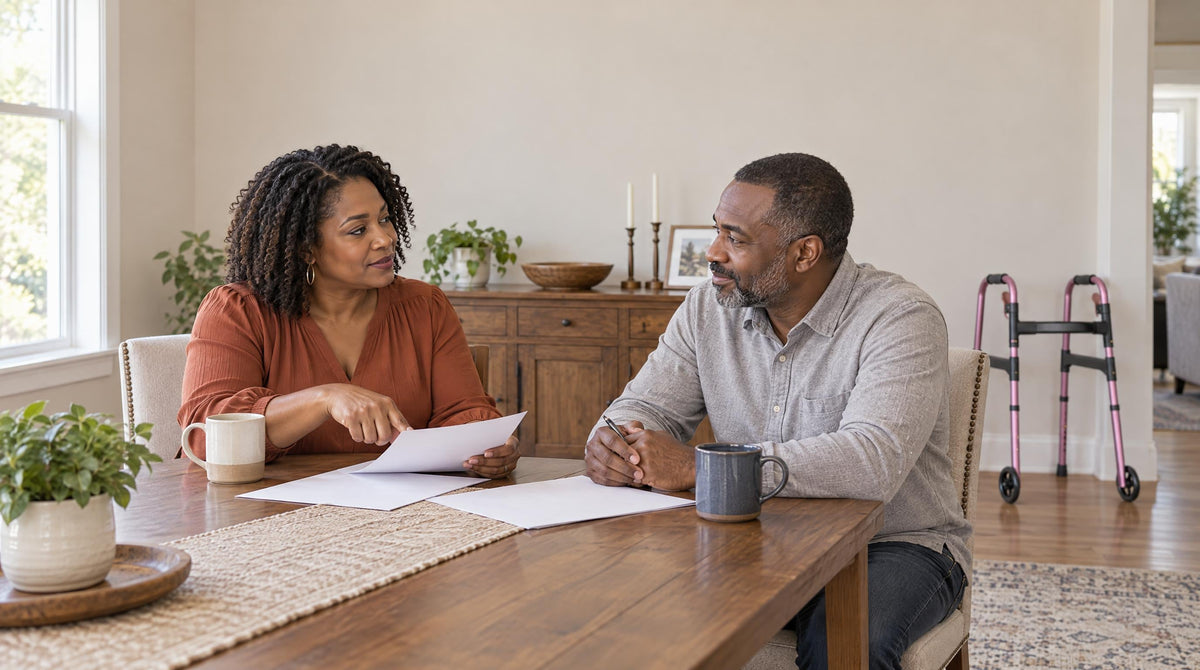
Good footwear is one piece of a larger safety picture. Physical therapists who work with seniors regularly emphasize that fall prevention works best as a layered approach — addressing the feet, the home environment, and mobility support together. Shoes can improve stability on the ground, but they cannot compensate for a slippery bathroom floor, a bed that is difficult to get in and out of, or a hallway without something to hold onto.
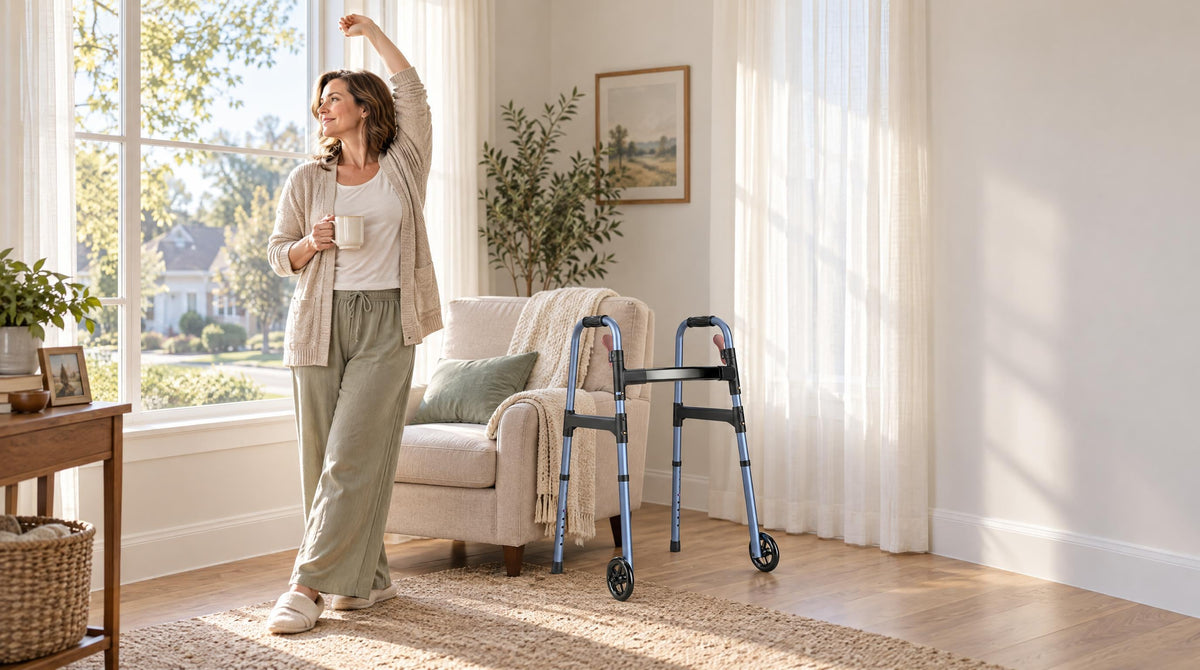
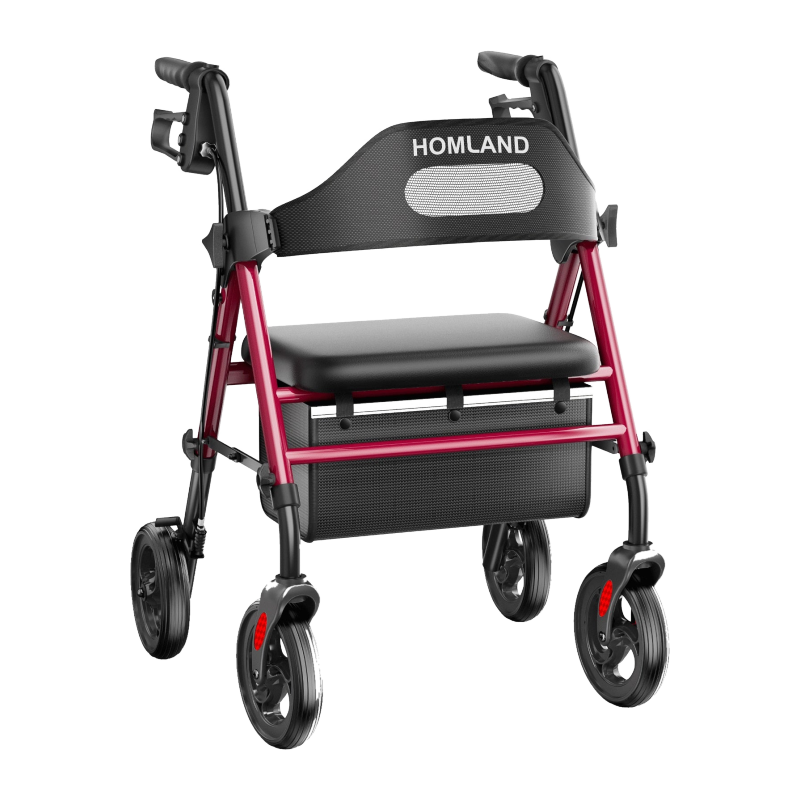
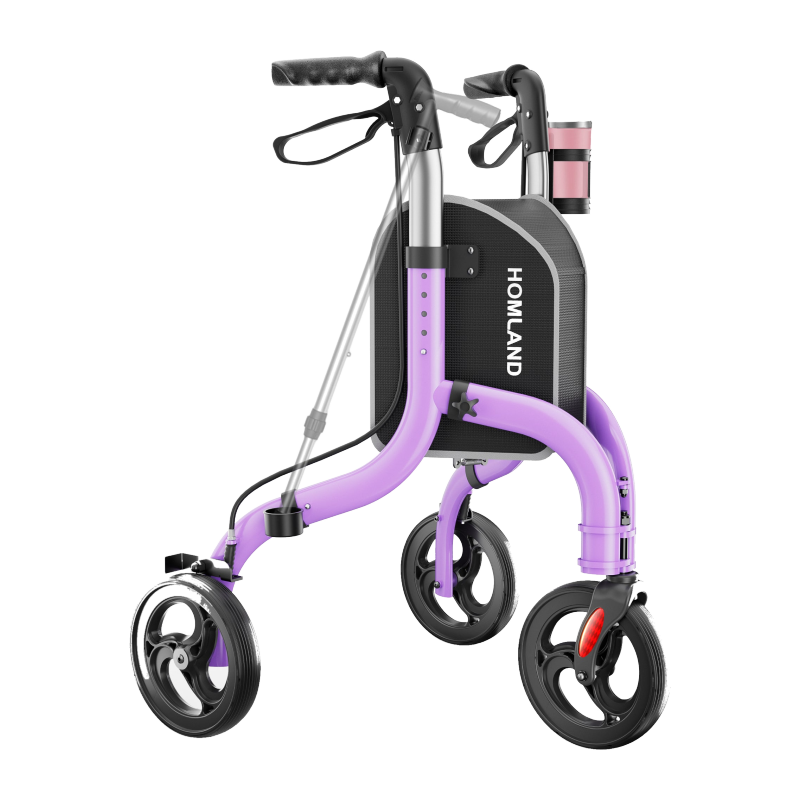
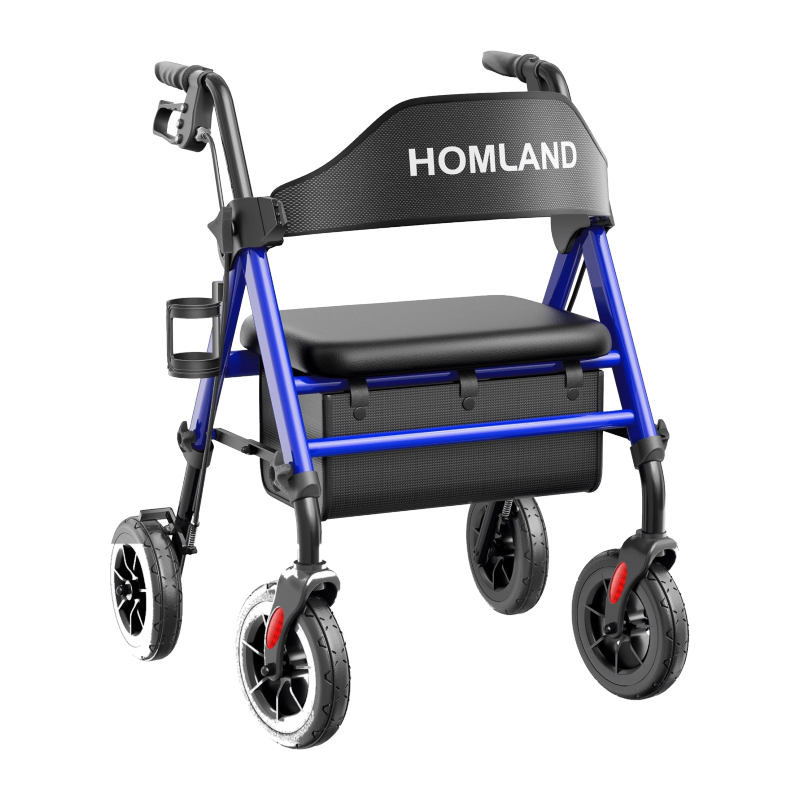
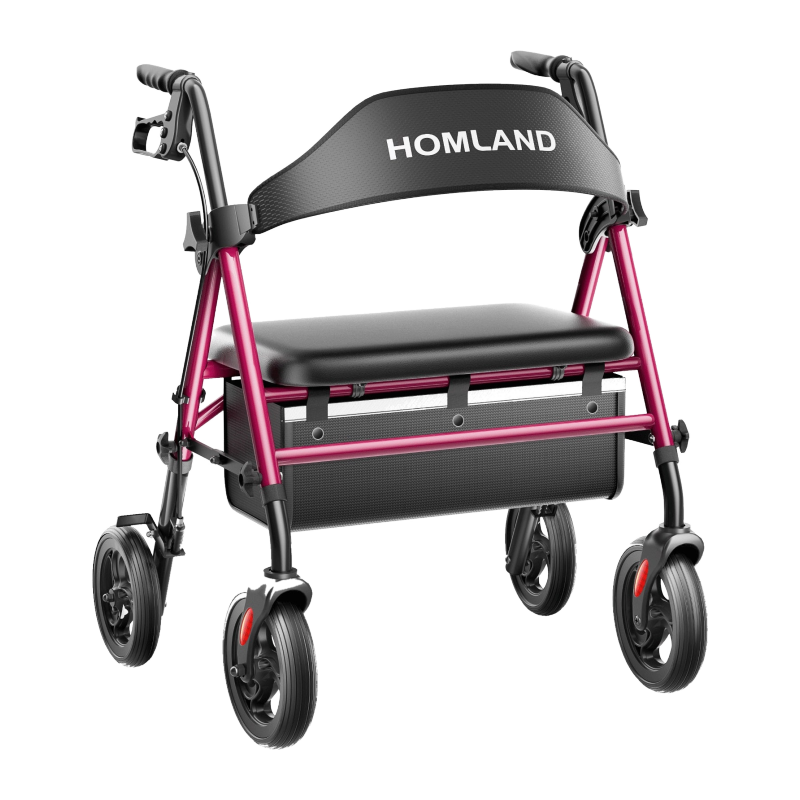
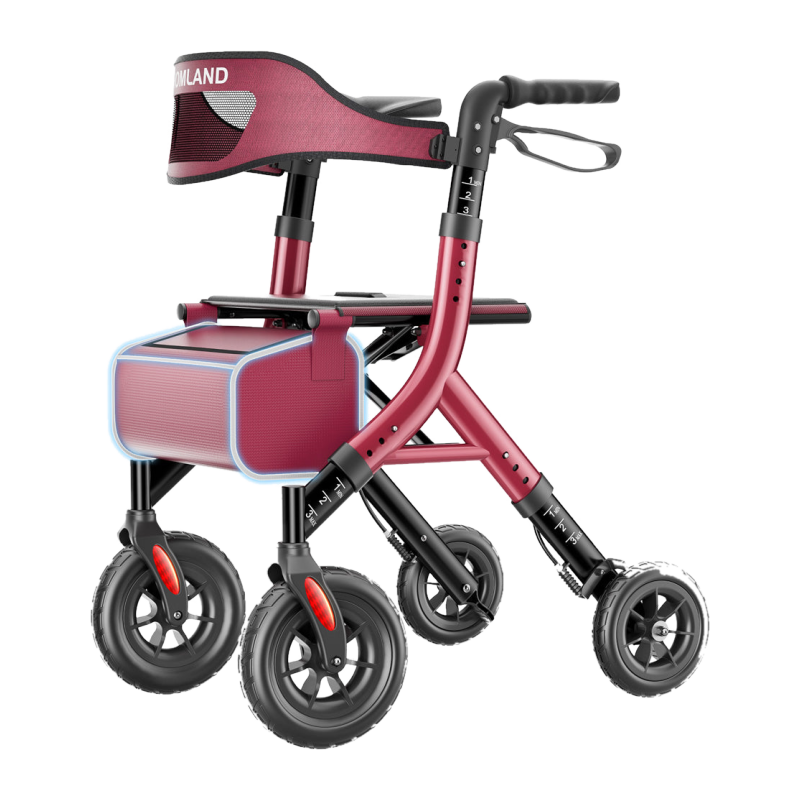
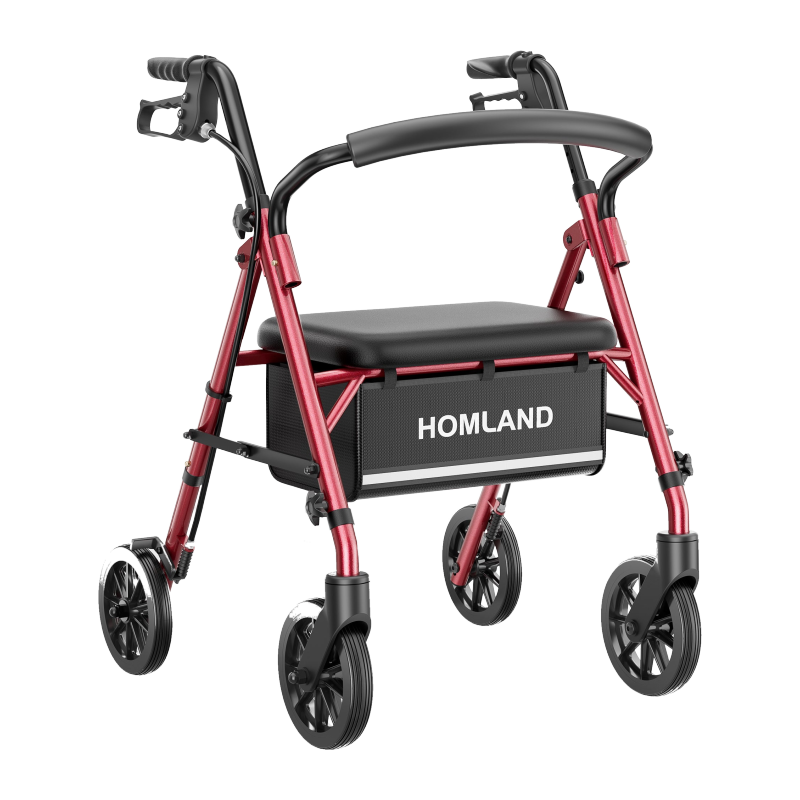
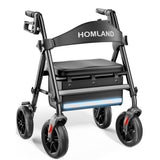
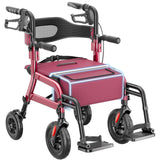
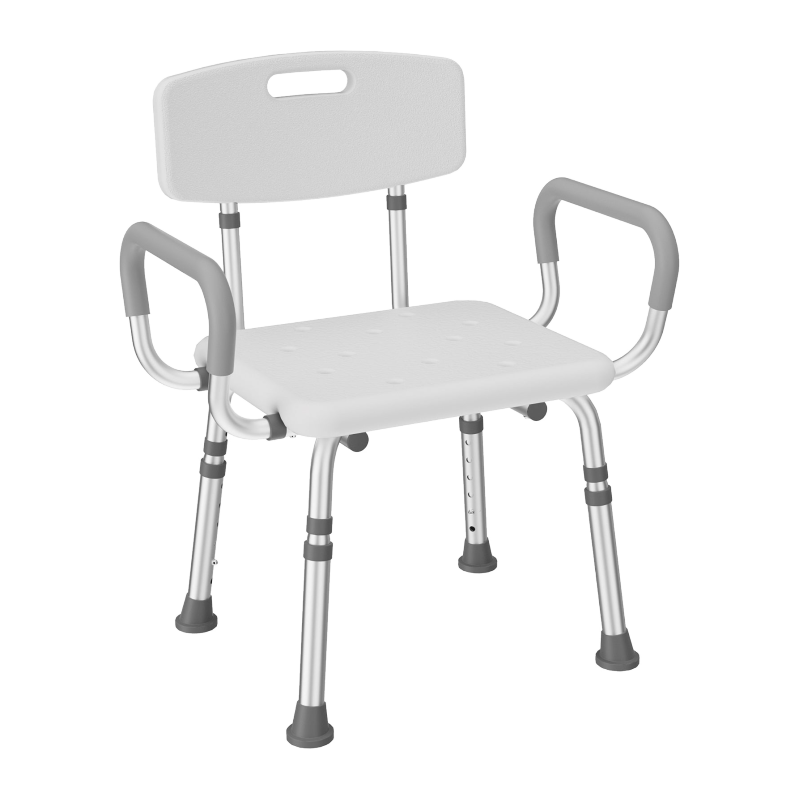
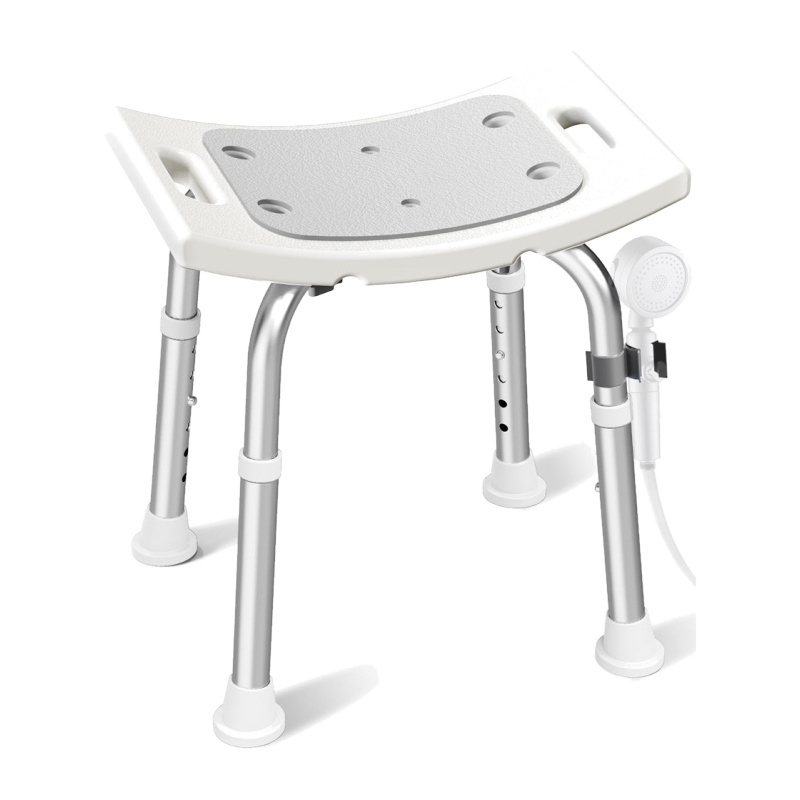
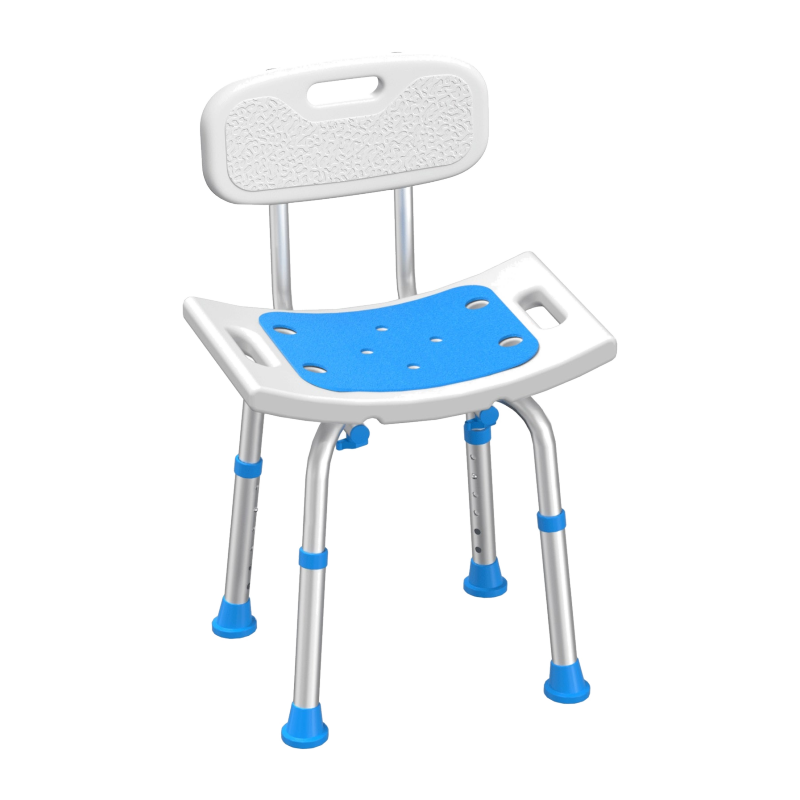
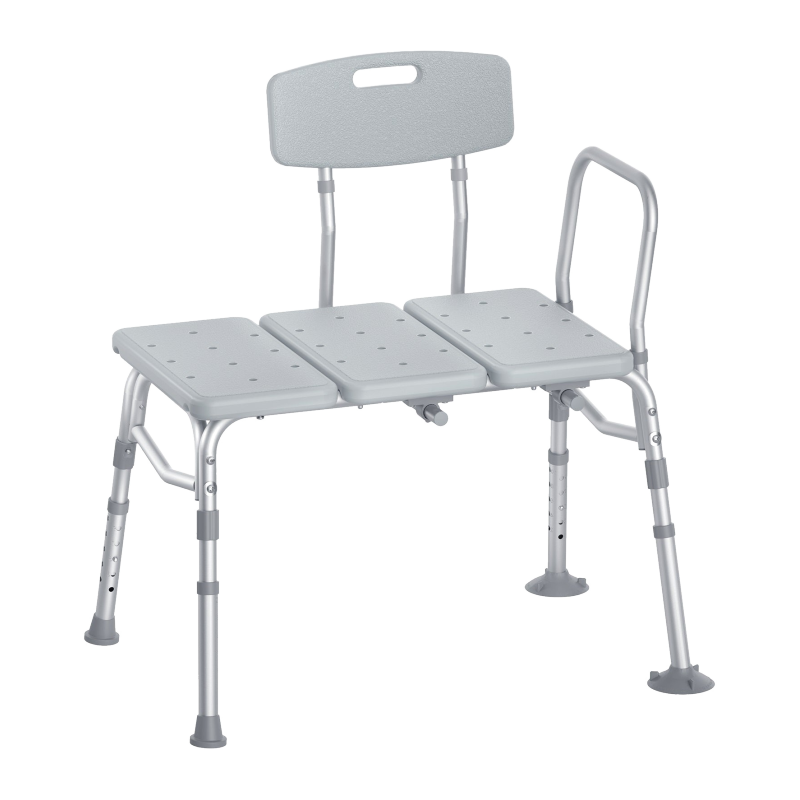
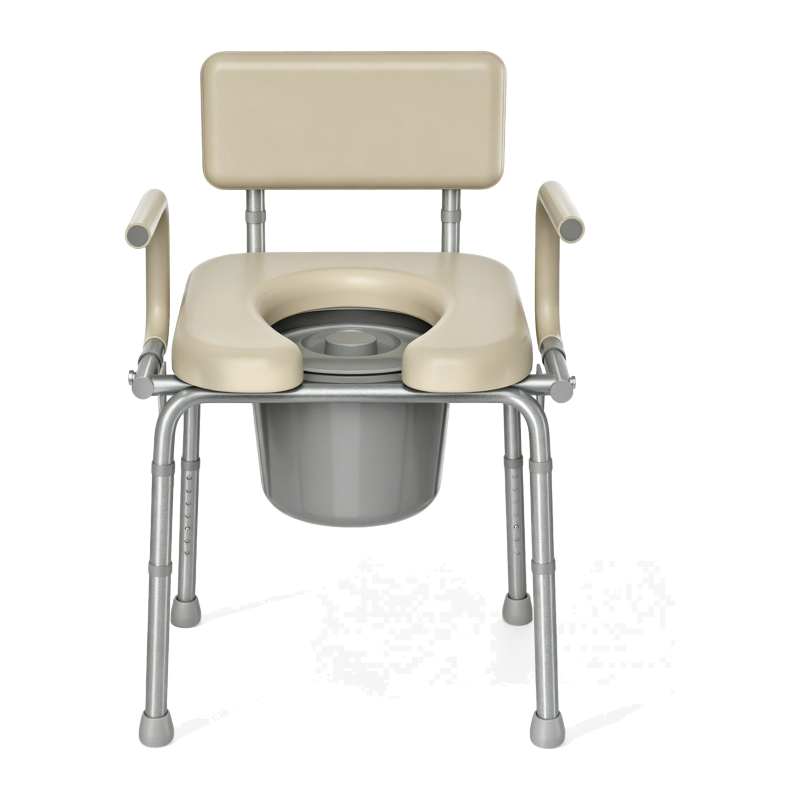
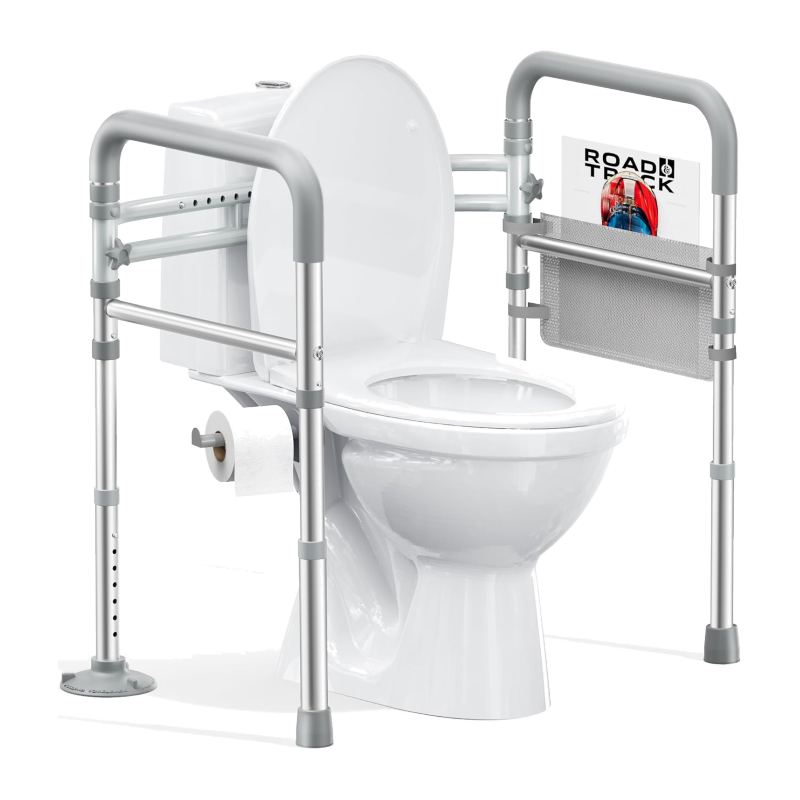
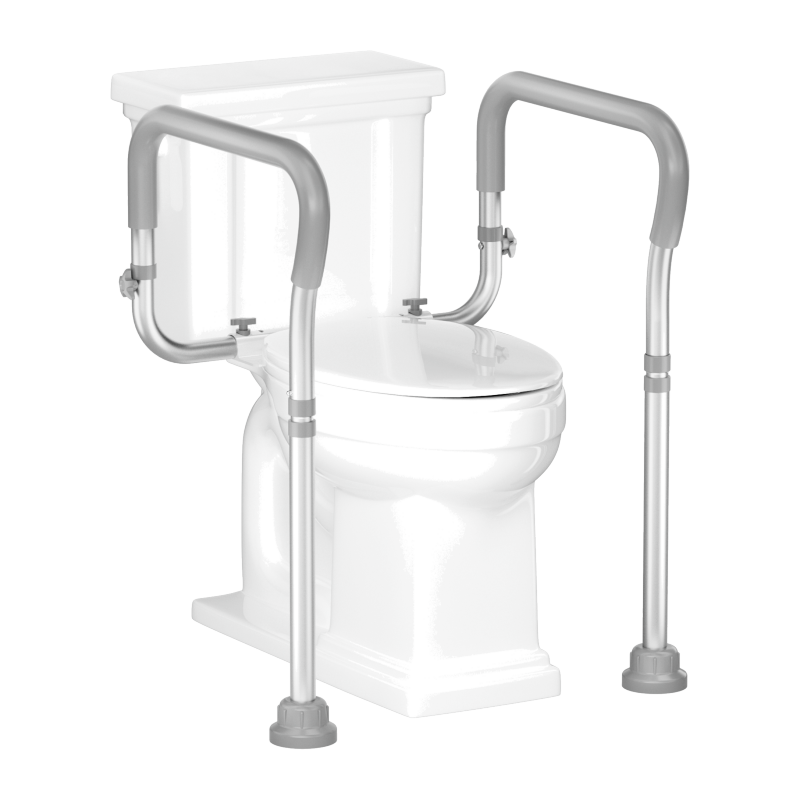
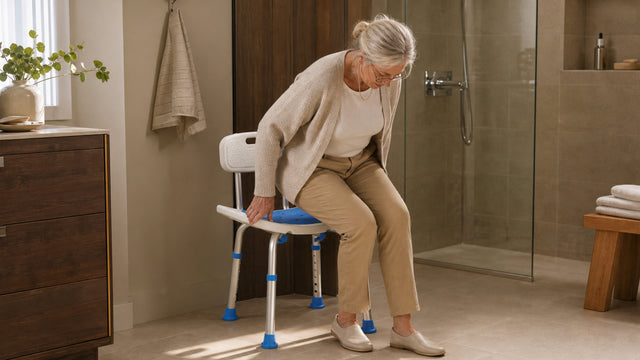
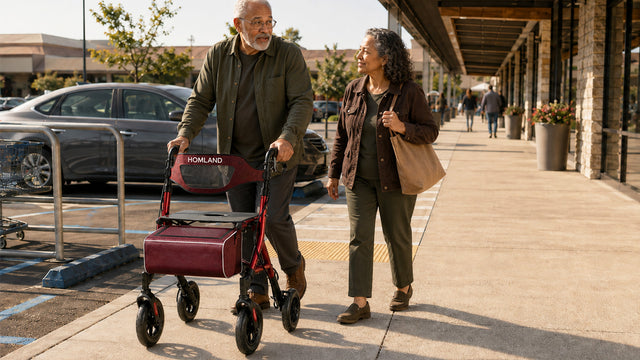
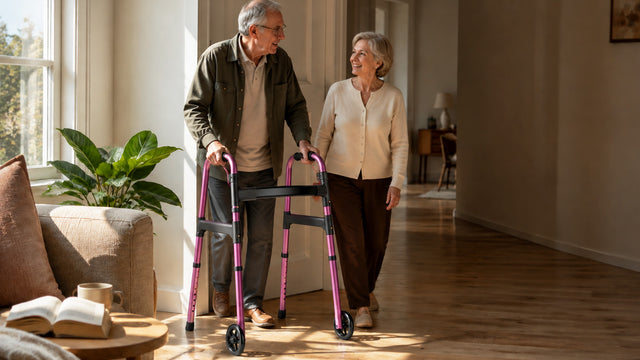
For families thinking through the full picture, HOMLAND's range of home mobility and safety products is designed around the same philosophy: keeping life at home comfortable, independent, and genuinely safe. A rolling walker provides the confidence to move through the house or around the neighborhood with a stable base of support — particularly useful during periods of recovery or when fatigue makes balance more variable. A standard walker offers a simpler, lighter option for those who need steady support without wheels. And for transitions that tend to be higher risk — getting in and out of bed, navigating the bathroom — products like bed rails and shower chairs address exactly those moments where a fall is most likely to happen.
All HOMLAND products are authorized by licensed Doctors of Physical Therapy, FSA/HSA eligible, and backed by a 1-year manufacturer warranty plus 1-year extended warranty, with fast delivery from US local warehouses. Whether you are setting up a safer home for yourself or for a parent, these tools are designed to complement — not replace — everyday independence.
Frequently Asked Questions
Can shoes actually improve balance?
Yes — within meaningful limits. The right shoe features (non-slip soles, firm heel counters, proper arch support, and a wide toe box) work together to stabilize the foot, improve ground feedback, and reduce the sideways rolling that leads to ankle instability. They will not reverse an underlying neurological or inner ear condition, but they can make every step more controlled and confident. Physical therapists consistently recommend footwear assessment as part of any fall-prevention conversation.
Are slip-on shoes safe for seniors with balance problems?
It depends entirely on the design. A slip-on shoe with a firm, structured back that holds the heel securely in place can be an excellent choice — it removes the hazard of laces and is much easier to put on independently. A backless slip-on or loose mule, however, is problematic: without heel enclosure, the shoe cannot anchor the foot and can easily slide off mid-stride. Look for slip-on designs with a closed heel and a non-slip sole.
Is it safe to walk barefoot at home?
Research suggests that walking barefoot or in socks indoors actually increases fall risk for older adults, particularly on smooth surfaces. While barefoot walking on textured surfaces may provide useful sensory stimulation for the feet, indoor floors — especially tile, hardwood, and vinyl — do not provide the traction or stability that a proper shoe does. A good house shoe with a non-slip sole and firm construction is generally a safer alternative than going barefoot at home.
How often should seniors replace their shoes?
More often than most people think. The internal support structures of a shoe — the midsole cushioning and heel counter — degrade with regular use even when the outer appearance still looks acceptable. A general guideline is to assess shoes every 6 to 12 months for daily-wear pairs, and to replace them if the heel counter has softened, the sole has worn unevenly, or the shoe no longer sits flat on a surface. If balance has noticeably worsened, worn-out footwear is always worth checking as a potential contributing factor.
Should shoes be the only fall-prevention strategy?
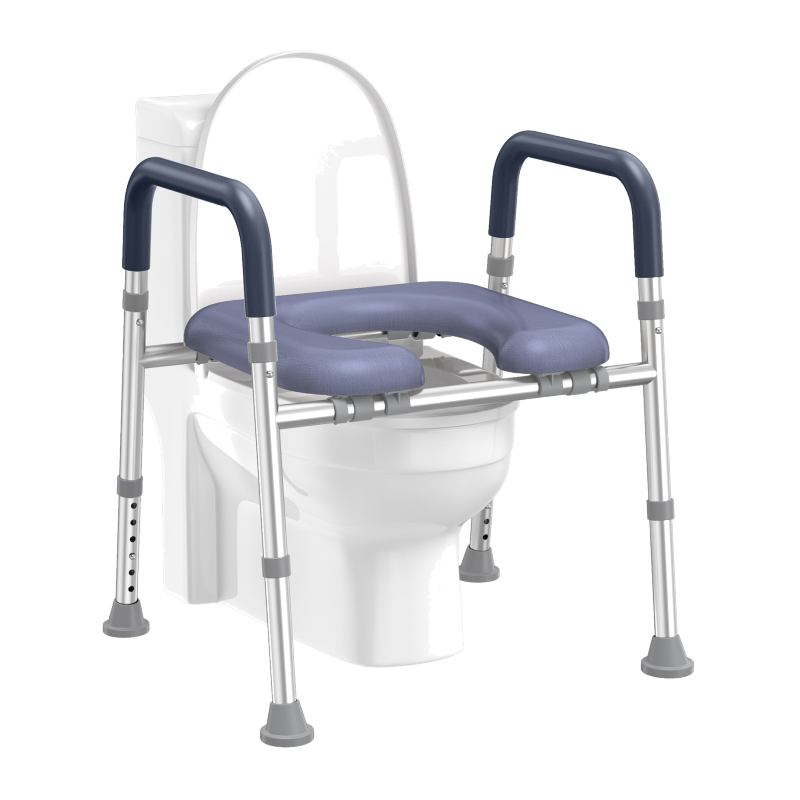
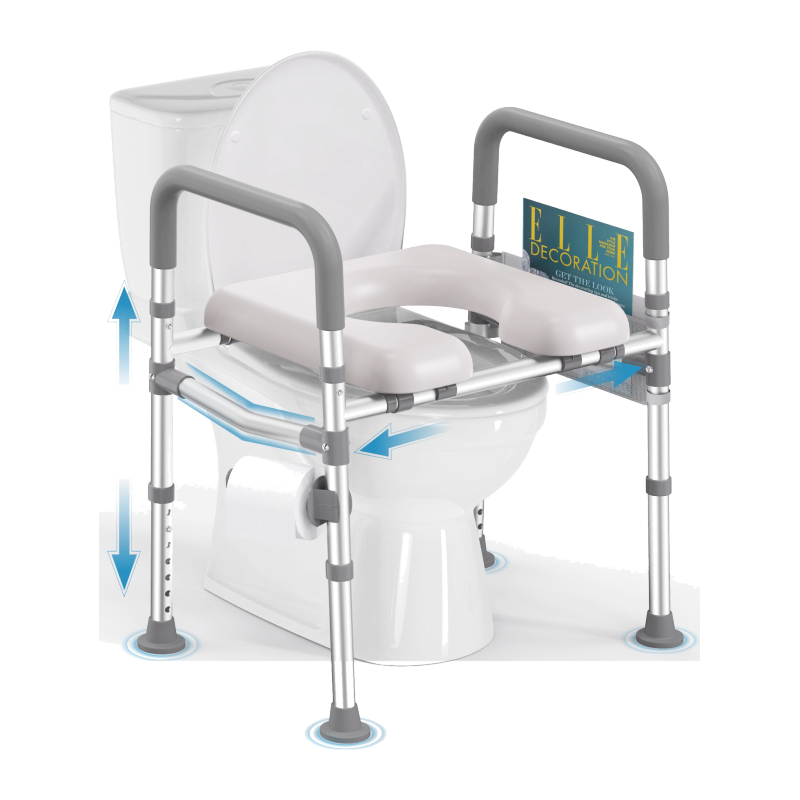
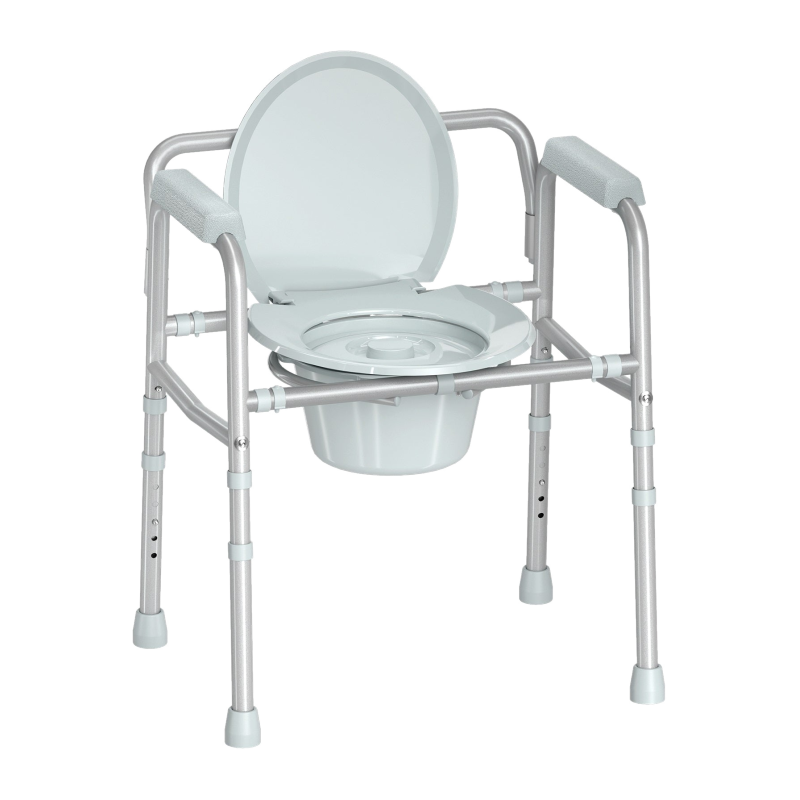
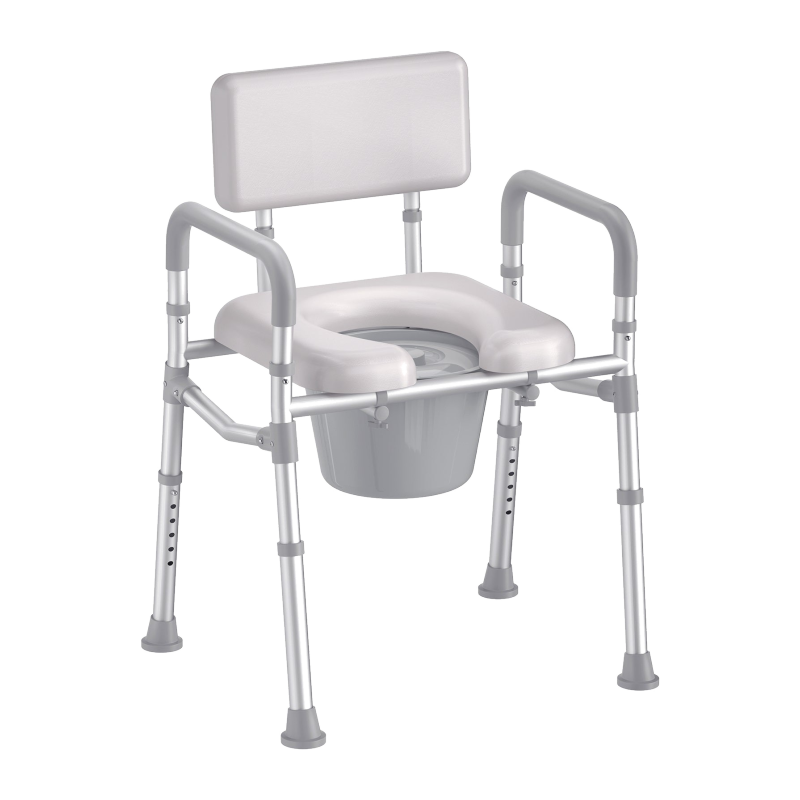
No — and physical therapists are clear on this point. Footwear is one important layer, but falls happen at the intersection of many factors: home environment, medication side effects, vision, strength, and the design of the furniture and fixtures a person relies on daily. A comprehensive approach pairs good footwear with strength and balance exercises, regular vision check-ups, a review of medications that may cause dizziness, and home modifications like grab bars, appropriate seating in the bathroom, and supportive mobility aids where needed.
The Bottom Line
Finding the right shoes for a senior with balance problems is not about choosing the most expensive pair or the one with the most features on the label. It is about understanding which specific structural elements — a firm heel counter, a rubber non-slip outsole, a wide stable base, proper arch support, and a secure closure — translate directly into steadier, more confident movement. It is also about recognizing what to avoid: the popular styles that look comfortable but actually work against stability.
For caregivers: this is one of the most practical, high-impact changes you can help make for a parent or loved one. A well-fitted, properly structured shoe costs less than a single emergency department visit and can be the difference between a minor slip and a serious injury.
Footwear is the foundation. But for days when a little extra support makes all the difference — or during recovery from surgery or illness — a rolling walker, standard walker, or other mobility aid from HOMLAND can extend that same feeling of confidence and independence to every room in the house. Because staying at home, moving freely, and feeling safe — that is exactly where life should be lived.
Have Questions About Home Safety and Mobility?
Our team is here to help you find the right combination of support tools for life at home — whether that is a walker for daily confidence, a shower chair for safer bathing, or advice on building a safer environment overall. All HOMLAND products are FSA/HSA eligible, backed by a 2-year warranty, and ship fast from our US warehouses.
Contact UsOr browse our full range of home mobility and safety products at homland.com.