









Picture this: it's 7 a.m., you reach for the kitchen faucet, and the simple act of turning the handle sends a sharp ache through your fingers. Or maybe it's the jar lid that won't budge, the pen that's harder to hold, the button on your shirt that takes twice as long. For millions of people, arthritis in the hands is not just a medical diagnosis — it's a daily negotiation with pain, stiffness, and frustration.
The good news? With the right information and the right tools, living well with hand arthritis is entirely possible. Physical therapists consistently remind their patients that early action — understanding your symptoms, exploring proven treatments, and making smart home adjustments — makes an enormous difference over time. This guide covers everything you need to know, from recognizing early warning signs and understanding your treatment options, to finding practical everyday aids that keep you doing the things you love, on your own terms.
What Is Arthritis in the Hands?
Arthritis is inflammation in one or more joints. When it affects the hands, it targets the network of small joints in the fingers, thumb, and wrist — areas that are in almost constant use throughout the day. Each finger has three joints, the thumb has two, and the wrist itself is a complex arrangement of several more. When the structures inside these joints become damaged or inflamed, everyday movements that once felt effortless can become painful and difficult.
Hand arthritis is among the most common forms of the condition, and it tends to become more prevalent with age. That said, it is not simply an "old person's problem." Younger adults — particularly those with autoimmune conditions or a history of hand injuries — can develop it too. Understanding which type you have is the first step toward managing it effectively.
The Most Common Types of Hand Arthritis
Not all hand arthritis is the same, and the distinctions matter because each type responds to different treatments and behaves differently day to day.
Osteoarthritis (OA)
Often called wear-and-tear arthritis, osteoarthritis develops when the cartilage cushioning the joints gradually breaks down. As the protective layer thins, the bones begin to rub against one another, causing pain, stiffness, and a loss of smooth movement. OA most commonly appears at the base of the thumb, at the middle finger joints, and at the joints closest to the fingertips. It tends to worsen with use during the day and can cause bony enlargements — known as Heberden's or Bouchard's nodes — at the finger joints.
Rheumatoid Arthritis (RA)
Rheumatoid arthritis is an autoimmune condition in which the immune system mistakenly attacks the thin membrane lining the joints (the synovium). Over time, this chronic inflammation can thicken the synovium and damage the surrounding cartilage and bone. RA most frequently targets the wrist and the knuckle joints, and a defining feature is that it typically affects both hands simultaneously. Periods of heightened symptoms (flare-ups) alternate with calmer periods of remission. Left unmanaged, RA can lead to permanent joint deformity.
Psoriatic Arthritis (PsA)
Psoriatic arthritis is a type of inflammatory arthritis associated with psoriasis, a skin condition. It can affect any joint in the body, including the hands, and may cause a distinctive sausage-like swelling of entire fingers (dactylitis). Like RA, it can affect both large and small joints and follows a pattern of flares and remission. People with psoriasis have a meaningful chance of developing PsA, making early recognition particularly important.
Symptoms to Watch For
The symptoms of hand arthritis vary somewhat depending on the type, but there are shared warning signs worth paying attention to. Physical therapists often advise their patients that catching these signs early — before significant joint damage occurs — gives you the best chance of preserving function and comfort long-term.
- Aching or sharp pain during or after use of the hands
- Morning stiffness that tends to ease with gentle movement
- Swelling, warmth, or tenderness around one or more joints (more common with RA and PsA)
- Reduced grip strength, making it harder to hold objects, open jars, or turn door handles
- Reduced range of motion — fingers that don't straighten or bend as freely as they once did
- Crunching or grating sensation when moving the fingers (common in OA)
- Bony bumps at the finger joints (Heberden's or Bouchard's nodes with OA)
- Symmetrical symptoms in both hands (a hallmark of RA)
Symptoms may come and go — some days are far better than others. With osteoarthritis, stiffness is often worst first thing in the morning and improves once you get moving. With rheumatoid arthritis, morning stiffness can persist for an hour or more, and flare-ups can be unpredictable. Tracking your symptoms in a simple journal can be a useful tool to share with your doctor.
Causes and Risk Factors
The underlying causes of hand arthritis differ by type. Osteoarthritis results from the gradual mechanical breakdown of cartilage over years of use — though past injuries like fractures or sprains can accelerate that process significantly. Rheumatoid arthritis is driven by a misfiring immune response; the exact trigger is not fully understood, though genetics and environmental factors (including certain infections) likely play a role.
Several risk factors can increase your likelihood of developing hand arthritis, regardless of type:
- Age — The risk increases with age as joints experience natural wear over time
- Sex — Women are more likely than men to develop both OA and RA
- Family history — Arthritis tends to run in families, suggesting a genetic component
- Previous hand or wrist injuries — Prior fractures, sprains, or dislocations raise the risk of OA in the affected joint
- Repetitive hand use — Certain occupations or hobbies that place repeated stress on the joints (such as typing, sewing, or carpentry) can contribute over time
- Obesity — Excess body weight promotes inflammation and increases stress on joints throughout the body
- Smoking — Smoking is associated with a higher risk of rheumatoid arthritis and tends to be linked to more severe disease
Getting a Diagnosis
If you notice persistent pain, swelling, or stiffness in your hands, seeing a doctor sooner rather than later is genuinely worthwhile. Early diagnosis opens up more treatment options and makes it easier to slow progression before significant joint damage occurs. Your doctor will typically start with a physical examination of your hands, checking for swelling, warmth, tenderness, and range of motion.
Depending on what that exam reveals, additional tests may follow. Blood tests can help identify markers associated with rheumatoid arthritis (such as rheumatoid factor and anti-CCP antibodies). Imaging — including X-rays, ultrasound, or MRI — can show cartilage loss, bone changes, and the extent of joint involvement. In some cases, fluid from an affected joint may be analyzed for signs of inflammation or crystal deposits (as seen in gout). A precise diagnosis is the foundation of any effective treatment plan.
Treatment Options That Actually Help
There is currently no cure for arthritis in the hands, but that doesn't mean you're without options. Far from it. Most people find that a combination of approaches — tailored to their specific type and severity of arthritis — allows them to manage their symptoms, protect their joints, and maintain a genuinely good quality of life. Physical therapists recommend starting with the least invasive approaches and building from there.
Medications
Over-the-counter nonsteroidal anti-inflammatory drugs (NSAIDs) like ibuprofen and naproxen are often the first line of relief, helping reduce both pain and inflammation. Topical versions (applied directly to the skin over the joint) can be effective with fewer systemic side effects. For rheumatoid arthritis, prescription disease-modifying antirheumatic drugs (DMARDs) are typically needed to slow immune-driven joint damage. Corticosteroid injections directly into an affected joint can provide targeted, temporary relief during flares. Always work with your doctor to determine what's appropriate for your situation.
Splinting and Bracing
Wearing a splint or supportive brace on affected joints can provide meaningful pain relief by keeping the joint in a stable, properly aligned position and reducing the strain placed on it during activity. Physical therapists often recommend splinting the thumb base for OA or using wrist splints for RA — particularly during flare-ups or at night when rest position matters. Splints don't have to mean reduced activity; the right brace can actually allow you to stay more active by protecting vulnerable joints.
Physical and Occupational Therapy
Working with a physical or occupational therapist is one of the most consistently recommended approaches for hand arthritis. A therapist can design a personalized exercise program to improve grip strength, maintain range of motion, and reduce stiffness. They can also teach you joint protection strategies — small but meaningful changes to how you move and position your hands — that add up to significantly less pain over time. Occupational therapists, in particular, are skilled at recommending adaptive tools and home modifications that make daily tasks genuinely easier.
Surgical Options
Surgery is generally considered when non-surgical approaches are no longer providing adequate relief. Options include joint replacement (where a damaged joint is replaced with an implant to restore movement) and joint fusion (where the bones are permanently joined to eliminate painful motion in exchange for stability). These decisions are made carefully in partnership with a hand specialist, weighing the individual's goals, overall health, and daily needs.
Managing Hand Arthritis at Home Every Day
Between doctor's visits, the most impactful work happens at home. Daily habits and small lifestyle adjustments can make a remarkable difference in how you feel — and how much hand arthritis interferes with the life you want to lead.
Heat and Cold Therapy
Heat and cold are two of the simplest, most accessible tools in the home management toolkit. Applying warmth — through a heating pad, warm water soak, or paraffin wax bath — helps loosen stiff joints, improve circulation, and ease morning stiffness before you begin moving. The Arthritis Foundation recommends a warm bath or shower in the morning before activity to help prepare the joints and reduce the likelihood of injury. Cold therapy, on the other hand, helps reduce acute inflammation and numbing pain after activity or during a flare-up. A simple cold pack or bag of frozen peas wrapped in a cloth can do the job.
Gentle Hand Exercises
Regular gentle exercise is one of the best things you can do for arthritic hands. Research backs up what physical therapists have long observed: targeted hand exercises can improve grip strength, flexibility, and overall hand function. Some simple options include making a loose fist and slowly opening the hand, bending each finger toward the palm one at a time, and gently spreading and closing the fingers. Doing these after a warm soak — when the joints are already loosened up — makes them more comfortable and more effective. Always listen to your body and stop if a movement causes sharp pain.
Rest and Pacing
One of the more counterintuitive pieces of advice from occupational therapists is to build in rest. When a hand arthritis flare strikes, pushing through prolonged activity can increase inflammation and set back recovery. Learning to pace yourself — alternating active tasks with rest, breaking up repetitive motions, and letting your hands recover between demanding activities — protects the joints and prevents flares from escalating. This isn't about doing less; it's about working smarter so you can do more over the long run.
Anti-Inflammatory Nutrition
While diet alone won't cure hand arthritis, eating patterns that reduce whole-body inflammation can complement other treatments. A Mediterranean-style diet — rich in vegetables, fruits, whole grains, olive oil, and fatty fish — is widely associated with lower inflammatory markers. Omega-3 fatty acids found in foods like salmon, walnuts, and flaxseed have been particularly studied for their potential to support joint health. Staying hydrated and maintaining a healthy weight also reduces the overall load on your joints.
Helpful Aids for Daily Life with Hand Arthritis
Here's something worth knowing early: the right tools aren't a sign of limitation — they're a sign of smart living. Physical therapists and occupational therapists routinely recommend adaptive aids as part of a well-rounded arthritis management plan, precisely because protecting your joints in daily life slows long-term damage and preserves independence. Many of these products are FSA/HSA eligible, meaning you can use pre-tax dollars toward them.
In the Kitchen
The kitchen can be one of the trickiest environments for arthritic hands, with its constant demands for gripping, twisting, and fine motor control. Jar openers and electric can openers eliminate the painful twisting and squeezing motions that put the most stress on finger joints. Ergonomic utensils with wide, cushioned handles distribute grip force more comfortably. Non-slip mats under cutting boards reduce the effort needed to stabilize items. These small swaps don't require a kitchen renovation — just a thoughtful approach to the tools you keep on hand.
Getting Dressed
Button hooks, zipper pulls, and elastic shoelaces are simple dressing aids that can turn a frustrating morning routine into a smooth one. Clothing with Velcro closures or magnetic buttons is another practical adaptation that many people with hand arthritis come to appreciate. These are especially useful during flare-up periods when dexterity is at its lowest.
Bathroom Safety and Mobility at Home
For many people with hand arthritis, the challenges don't stop at the fingertips. When joint pain and stiffness affect grip strength, navigating the bathroom — stepping into the shower, rising from the toilet, steadying yourself at the sink — becomes genuinely risky. This is where mobility and bathroom safety aids step in, and where the "home, not hospital" philosophy really shows its value.
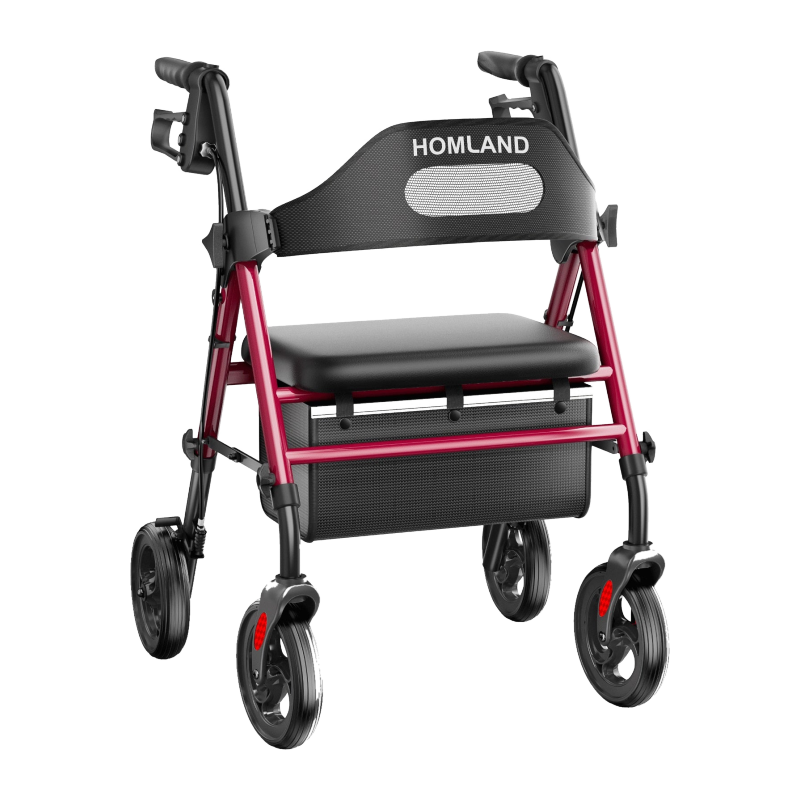
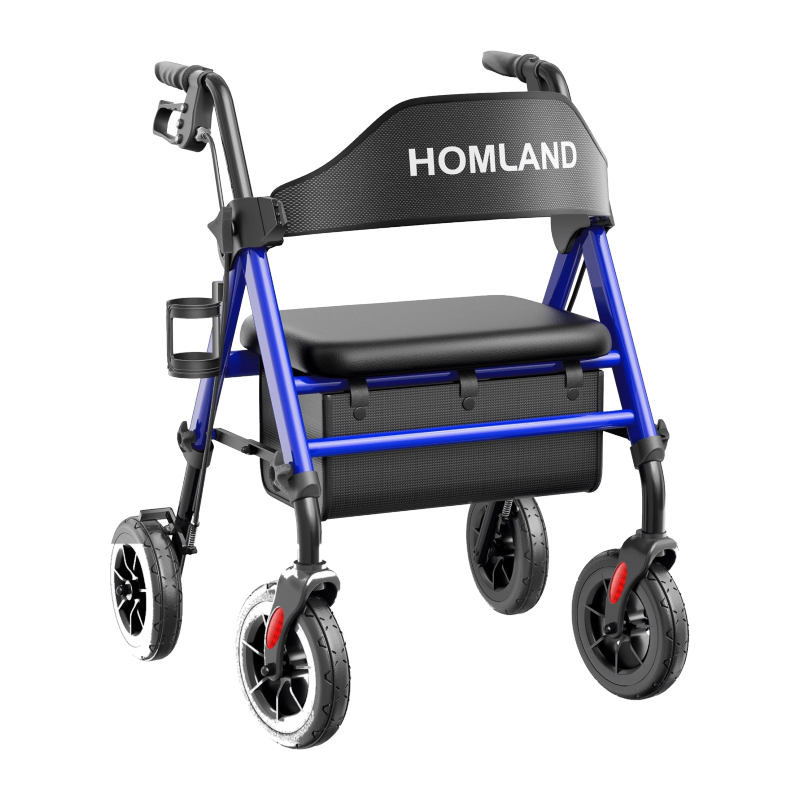
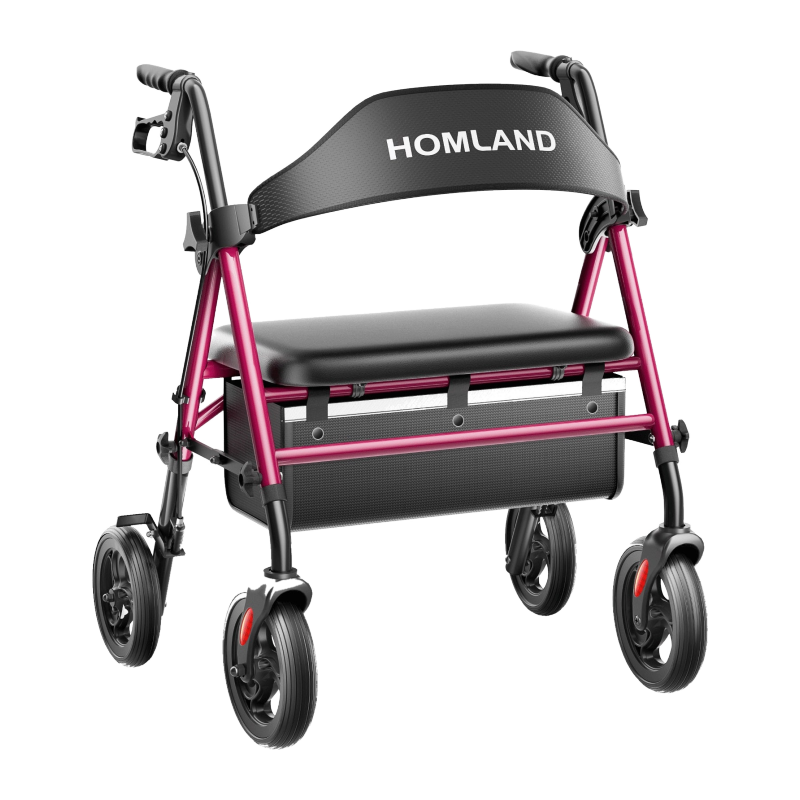
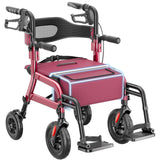
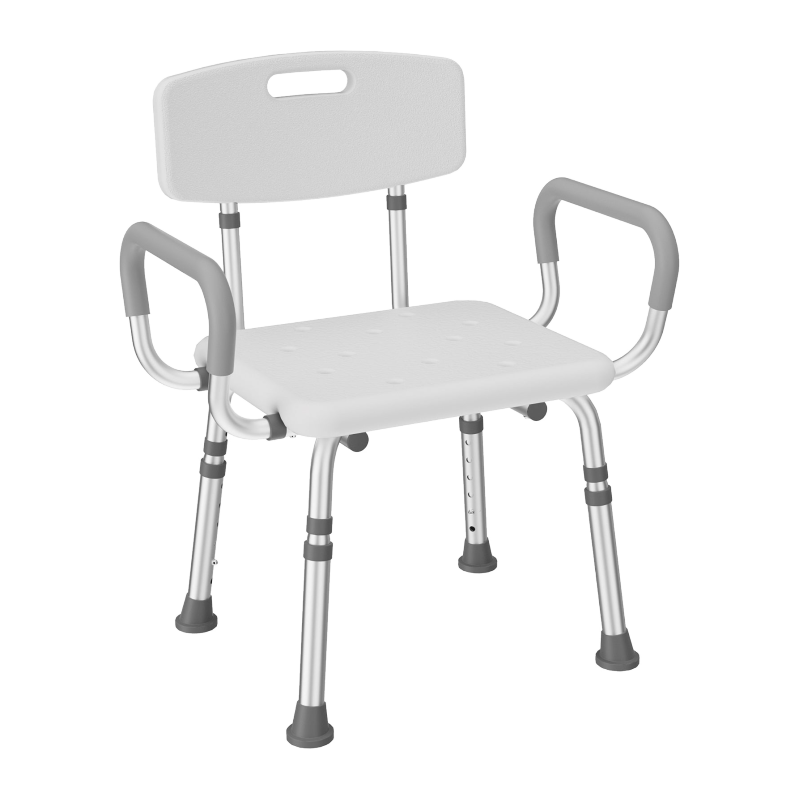
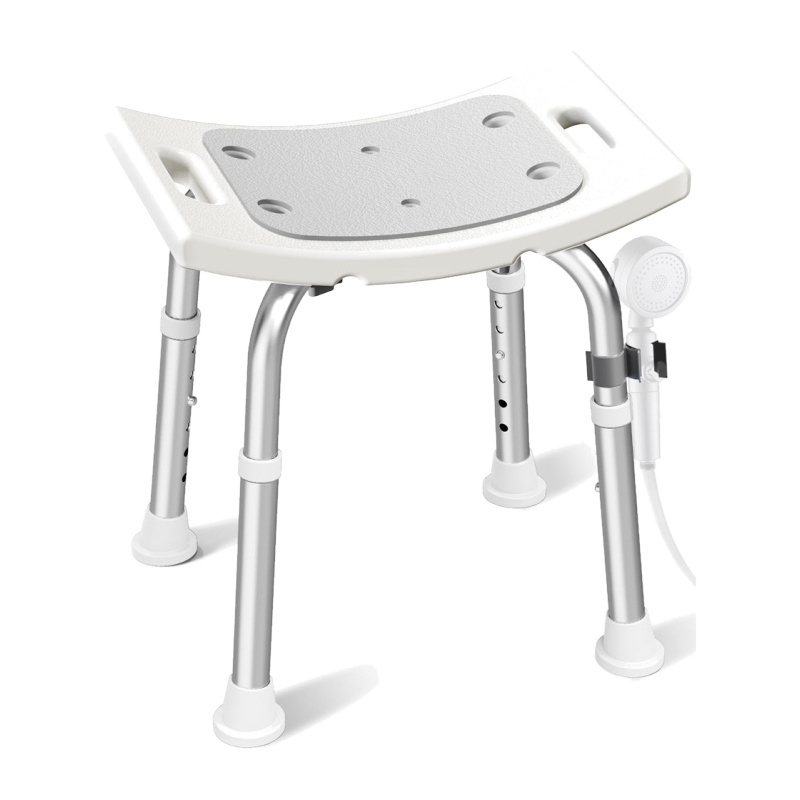
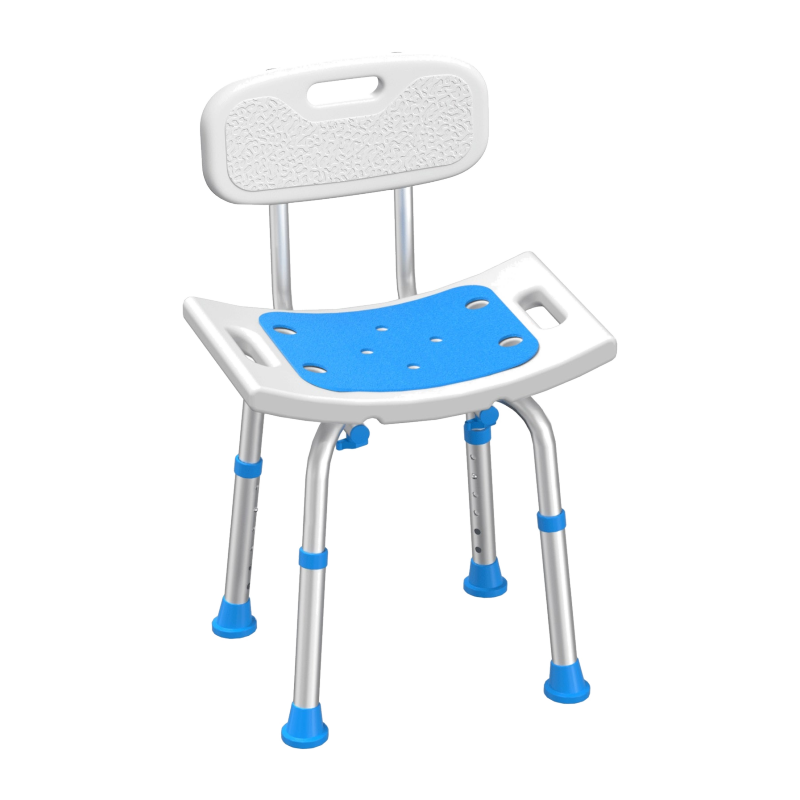
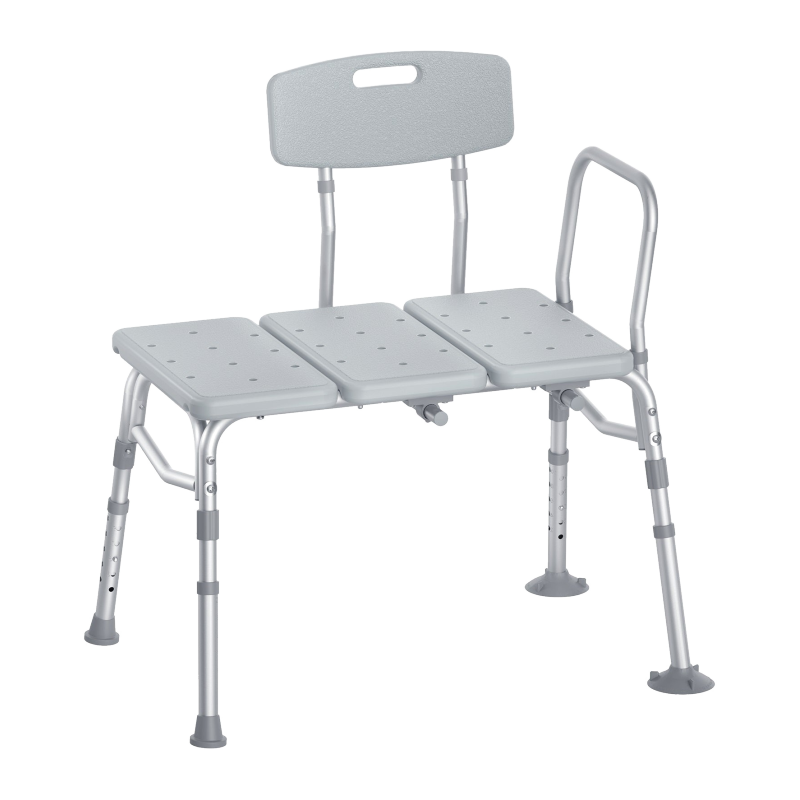
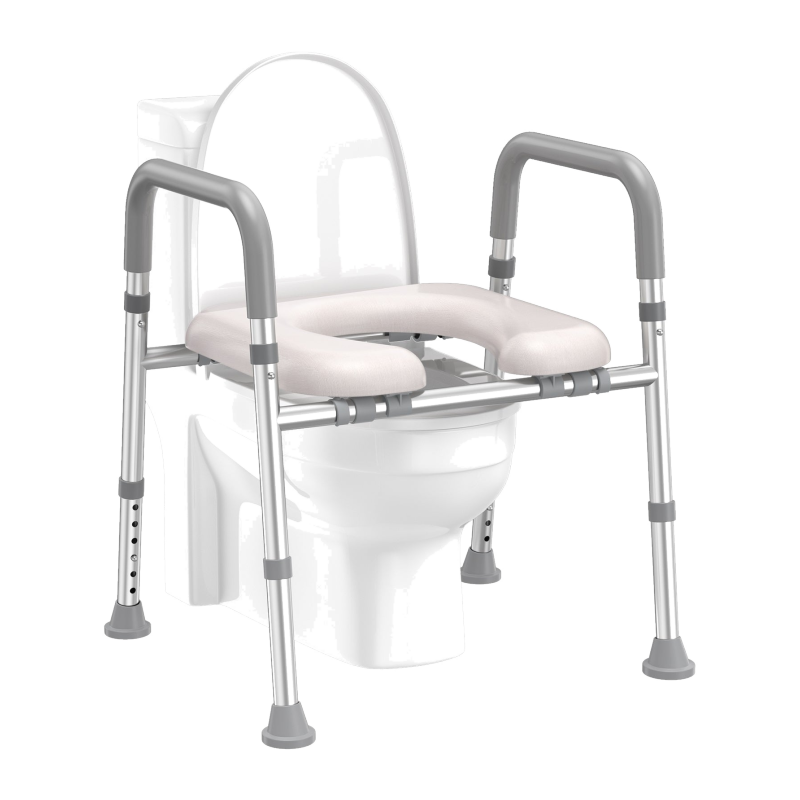
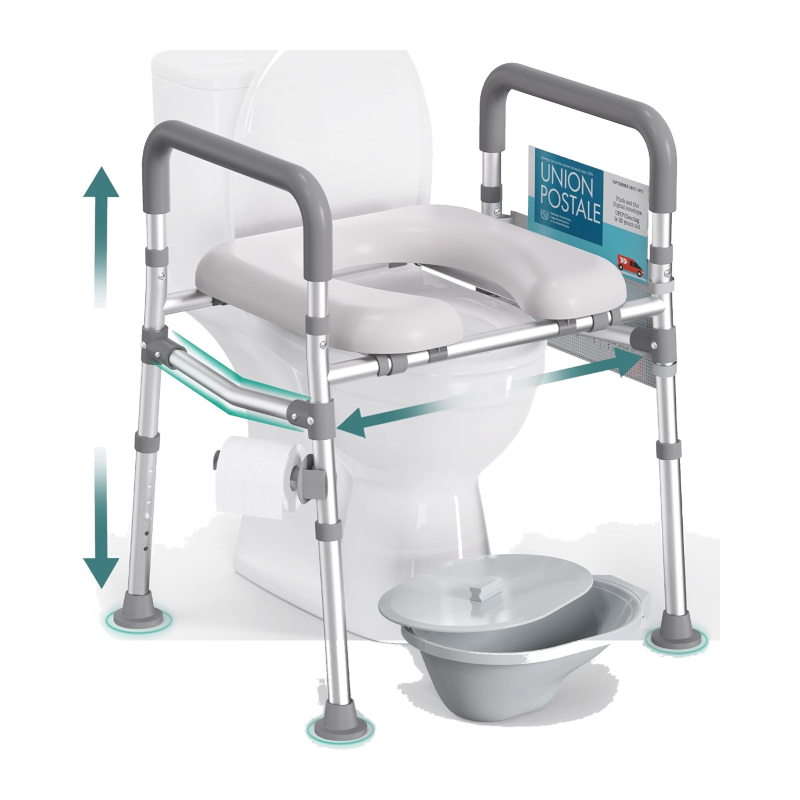
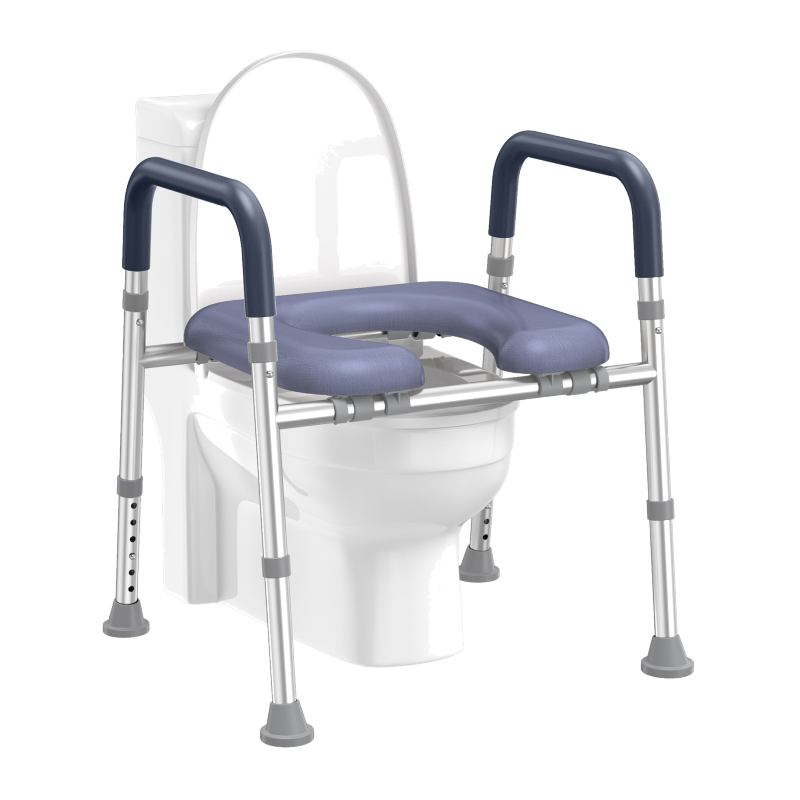
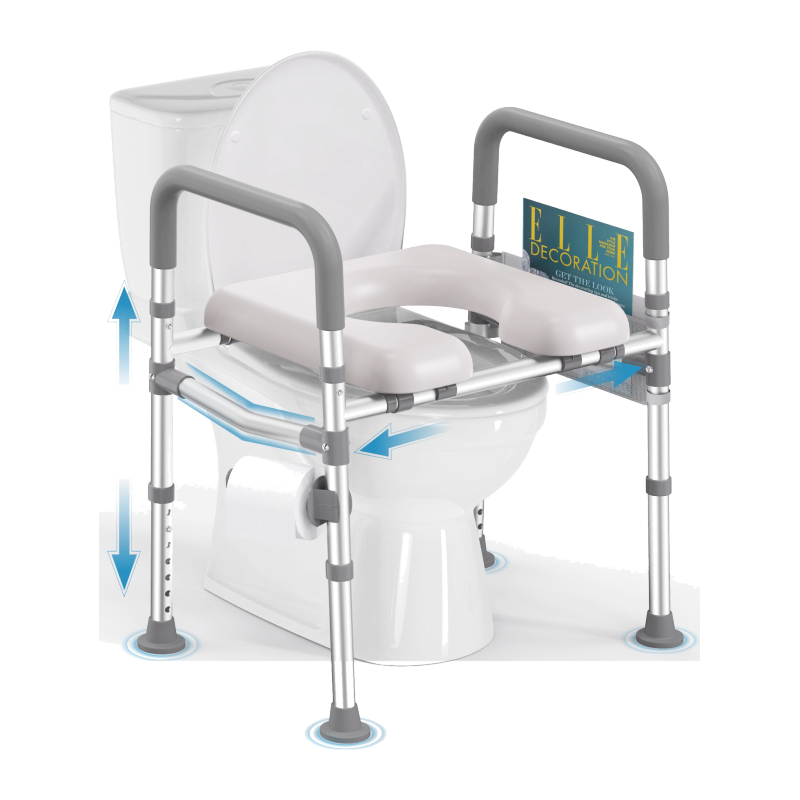
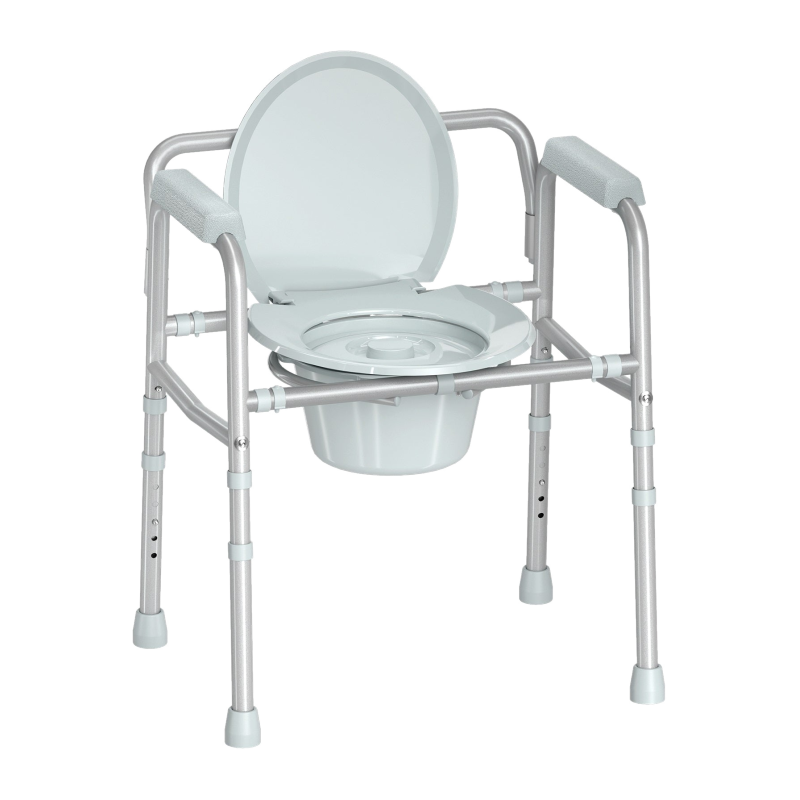
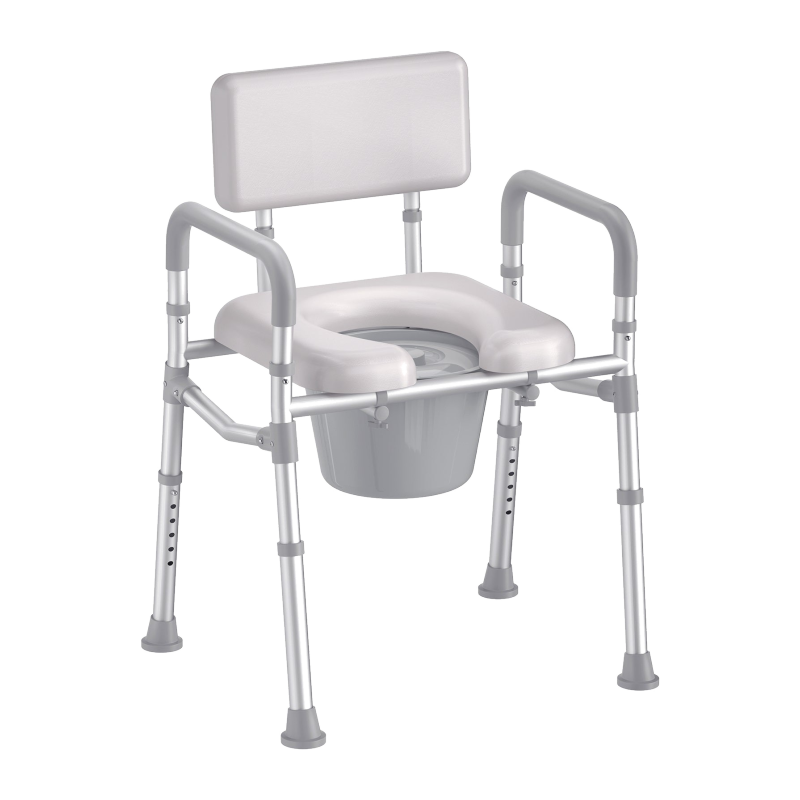
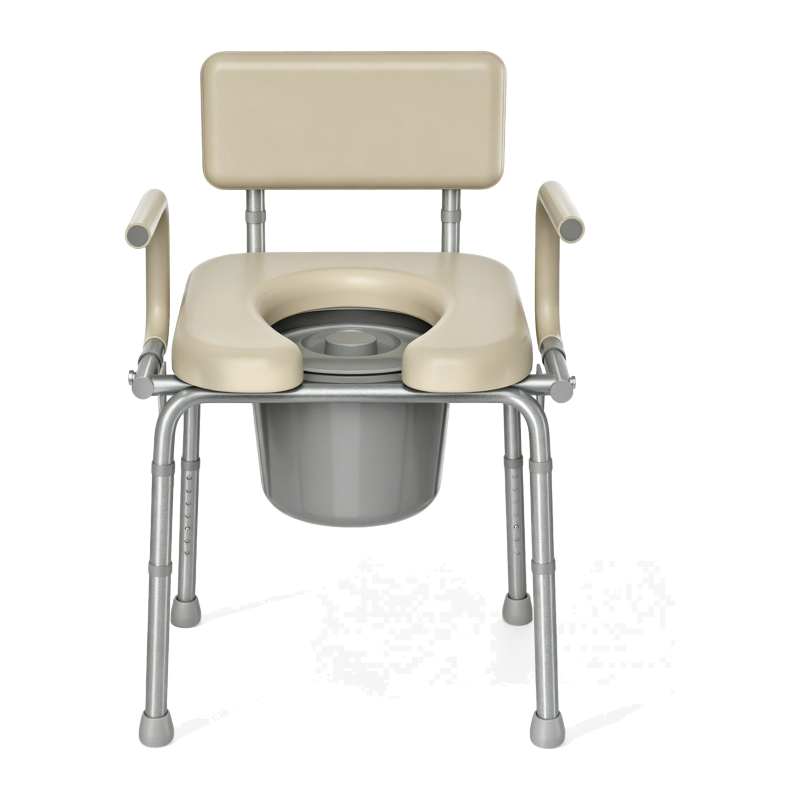
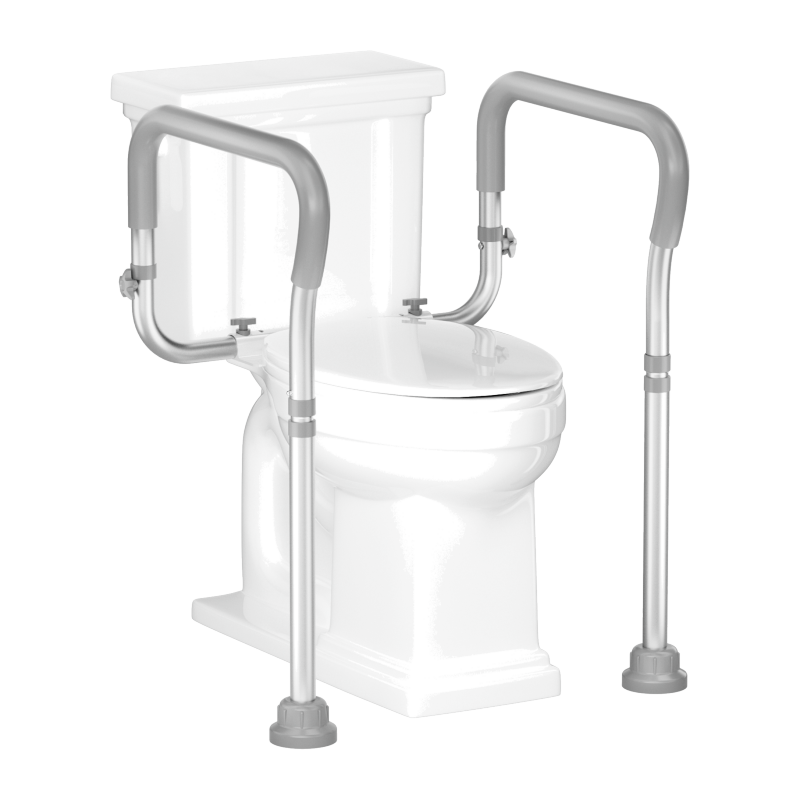
A shower chair allows you to bathe seated, removing the need to grip walls or balance on one foot — a particular relief when wet surfaces and weakened grip combine. Toilet safety rails provide sturdy side support when sitting down or standing up, taking pressure off both the hands and the knees. For those using walkers or other mobility aids, look for options designed with comfort grips in mind: HOMLAND's rolling walkers and standard walkers are built with ergonomic handles that allow a confident, comfortable grip even when hand strength is reduced. Similarly, bed rails give you a stable point of support when getting in and out of bed at night — no awkward gripping or straining required.
All HOMLAND products are FSA/HSA eligible, backed by a 1-year manufacturer warranty plus a 1-year extended warranty, and ship from a US local warehouse for fast delivery — so you're not waiting weeks for the support you need today. Every product is also authorized by licensed Doctors of Physical Therapy (DPT), which means the design choices behind each item are rooted in real clinical understanding of how the body moves and where support matters most.
If you're a family member or adult child researching options for a parent with hand arthritis, the HOMLAND full product lineup offers a practical starting point — tools that let your loved one keep doing things for themselves, while giving you genuine peace of mind about their safety at home.
Writing and Office Tools
Thick-grip pens, ergonomic keyboard trays, and wrist cushions can reduce the strain of extended writing or typing. Voice-to-text technology has also become a remarkably practical tool for reducing hand use altogether during computer-heavy tasks. These adjustments are especially helpful for those who work from home or spend significant time at a desk.
Can You Prevent Hand Arthritis?
There is no guaranteed way to prevent hand arthritis — especially for types driven by genetics or autoimmune factors. But there are meaningful steps that can lower your risk or delay onset, particularly for osteoarthritis. Physical therapists commonly advise maintaining a healthy weight, exercising regularly to keep the joints and surrounding muscles strong, and protecting the hands from injury during physical activities and sports. Quitting smoking is one of the most impactful things you can do for RA risk specifically. Using ergonomic tools at work, performing regular hand stretches, and avoiding prolonged repetitive hand tasks without breaks can also help protect the joints over time.
When to See a Doctor
If you're experiencing hand pain, swelling, or stiffness that has lasted more than a few weeks, getting a professional evaluation is worthwhile. This is especially true if your symptoms are affecting your ability to perform daily tasks, if you notice joint deformity developing, or if you have a family history of rheumatoid arthritis. The earlier the diagnosis, the more treatment options are available and the better the long-term outcome is likely to be. Don't wait for symptoms to become severe before seeking help — catching arthritis early is one of the most effective things you can do for your long-term hand health.
Living Well with Hand Arthritis Starts at Home
Arthritis in the hands is a real challenge — but it doesn't have to define your daily life. With early awareness of symptoms, a thoughtful combination of treatments, and the right everyday tools in your corner, most people with hand arthritis are able to stay active, independent, and comfortable at home. Physical therapists consistently emphasize that small, consistent actions — daily hand exercises, heat therapy in the morning, joint-protecting aids in the kitchen and bathroom — add up to a meaningful difference in quality of life over time.
Whether you're managing hand arthritis yourself or helping a parent or loved one do so, the goal is the same: staying home, on your own terms, with confidence and dignity. The right support makes that possible.
Ready to Make Daily Life Easier?
Explore HOMLAND's full range of DPT-authorized home safety and mobility products — from shower chairs and toilet safety rails to rolling walkers and bed rails. All FSA/HSA eligible, covered by a 2-year warranty, and shipped fast from our US warehouse.
Have questions about which products are right for your situation? Our team is here to help.
Contact Us Shop All Products