

It usually doesn't happen all at once. It's the third night in a row you've gotten up to help someone to the bathroom. It's skipping your own doctor's appointment because you couldn't find coverage. It's realizing you can't remember the last time you did something just for yourself. If that sounds familiar, you're not alone — and you're not failing. You're simply running on empty.
Caregiving is one of the most meaningful things a person can do. Whether you're looking after an aging parent, a partner recovering from surgery, or a family member with limited mobility, the love behind that role is real and deep. But so is the toll it takes. The physical demands, the emotional weight, the endless logistics — over time, these can quietly drain even the most dedicated caregiver.
This guide is written for you: the person who spends so much energy caring for someone else that your own needs end up at the bottom of the list. Inside, you'll find honest, practical strategies for avoiding burnout — including how the right home-safety tools can actually reduce your physical workload and give you more space to breathe.
What Is Caregiver Burnout — And Why Does It Happen?
Caregiver burnout is a state of physical, emotional, and mental exhaustion that develops when the demands of caregiving consistently outpace the resources available to meet them. It's not a character flaw or a sign that you love someone less. It's what happens when you keep pouring from a cup without ever refilling it.
Several patterns tend to drive caregivers toward burnout. Many take on far more than they can realistically manage alone, either because help isn't offered or because asking feels like a burden to others. Others enter the role with expectations that don't account for the unpredictability of illness or aging — expecting improvement in a situation that may be slowly declining. Some caregivers lose their own identity in the process, becoming so consumed by the role that they forget they're also a person with needs, relationships, and a life of their own.
Financial stress, lack of professional support, and not knowing what resources are available can compound all of the above. Add in disrupted sleep, limited exercise, and little social connection, and burnout isn't a possibility — it's practically inevitable without intervention.
Warning Signs You're Running on Empty
Burnout rarely announces itself clearly. More often, it creeps in gradually — and many caregivers don't recognize it until they're deep in it. Knowing the warning signs early is one of the most important things you can do for both yourself and the person in your care.
Pay attention if you're noticing:
- Constant fatigue that doesn't improve with rest
- Feeling resentful or irritable around the person you're caring for
- Withdrawing from friends, family, or activities you used to enjoy
- Getting sick more often than usual
- Difficulty concentrating or making decisions
- Changes in sleep — either sleeping too much or not enough
- A nagging sense that caregiving has consumed your entire life
- Feeling like nothing you do is ever enough
If several of these feel true right now, that's important information — not a reason for shame. It's a signal that something needs to change, and the strategies below are a good place to start.
Practical Self-Care Strategies That Actually Work
Self-care for caregivers isn't about bubble baths and weekend retreats (though rest is genuinely important). It's about building small, sustainable habits that protect your energy, your health, and your ability to keep showing up. Here's what that can look like in practice.
Ask for Help Without Guilt
This one is harder than it sounds, but it may be the single most important shift you can make. Many caregivers carry the belief — often unconscious — that asking for help is a sign of weakness or an admission that they can't handle things. In reality, distributing the load is what makes long-term caregiving sustainable.
Think about who in your circle could realistically step in, even for small tasks. A sibling who could handle medical appointments or insurance calls. A neighbor who might drop off a meal once a week. A friend who could sit with your loved one for a few hours so you can have an afternoon to yourself. Respite care — whether in-home for a few hours or at a facility for a few days — is also a legitimate and valuable option worth researching in your area. You don't have to do this alone, and accepting help is not the same as giving up.
Protect Your Sleep Like It's Non-Negotiable
Sleep deprivation is one of the fastest routes to physical illness, emotional volatility, and cognitive decline. Yet many caregivers are up multiple times a night — responding to falls, bathroom needs, confusion, or pain. Over time, this kind of chronic disruption is genuinely harmful to your health.
Some of the anxiety around nighttime care eases significantly when the home environment itself is safer. Physical therapists often recommend bed rails to help a loved one reposition or rise safely without calling for assistance — which means fewer nighttime interruptions for everyone. A safer sleep environment for your loved one is, quite directly, a better night's sleep for you. HOMLAND's bed rails are designed with exactly this in mind: tool-free setup, adjustable fit, and sturdy support so your loved one can move with more confidence during the night.
Beyond reducing nighttime disruptions, try to protect sleep windows by setting a consistent schedule, limiting screens before bed, and making your own sleep space as comfortable as possible.
Move Your Body, Even in Small Ways
Regular physical activity does more than keep your body healthy — it's one of the most reliable mood regulators we have. Exercise releases endorphins, reduces cortisol (the stress hormone), and improves sleep quality. For caregivers, it also helps maintain the physical strength needed to assist with transfers, lifting, and mobility support.
You don't need to carve out an hour at the gym. A 20-minute walk while a neighbor sits with your loved one, a gentle stretching routine in the morning, or an online yoga class during a quiet window can all make a meaningful difference. The goal is consistency over intensity — movement that happens reliably, even if it's brief.
Build a Stress-Management Habit
Stress is unavoidable in caregiving — but letting it accumulate unchecked is where the real damage happens. Building even a small daily stress-release habit can help prevent the kind of buildup that leads to burnout.
Some caregivers find relief in journaling — particularly writing about what went well in a given day, rather than what went wrong. Others benefit from five-minute breathing exercises, which are well-documented to activate the body's parasympathetic nervous system and reduce the physical symptoms of stress. Meditation apps designed for busy people can work in short windows. Even something as simple as sitting outside for ten minutes with a cup of coffee, away from caregiving tasks, can serve as a genuine reset. The specific activity matters less than the consistency of the habit.
Nourish Yourself the Way You'd Nourish Them
Caregivers are often meticulous about their loved one's meals while completely neglecting their own nutrition. Skipping meals, relying on caffeine and convenience food, and eating at irregular times are common patterns — and they take a real toll on energy, immunity, and emotional resilience.
The simplest solution is to cook in larger batches and portion out meals for the week, so that eating well doesn't require extra daily effort. Keeping the kitchen stocked with foods that are easy to grab — fruit, nuts, yogurt, whole grain crackers — reduces the temptation to skip eating altogether during busy stretches. Hydration matters too; dehydration is a surprisingly common contributor to fatigue and poor concentration.
Reduce Physical Strain with the Right Tools
The physical demands of caregiving are real and often underestimated. Helping someone in and out of the shower, supporting them as they move through the house, assisting with bathroom transfers — done repeatedly without proper tools, these activities strain the caregiver's back, shoulders, and joints. Over time, caregiver injury is a genuine risk that can end a caregiving relationship entirely.
This is where the right home-safety equipment makes a tangible difference — not just for the person being cared for, but for the person doing the caring. When your loved one can do more independently and safely, your physical workload decreases and your peace of mind increases.
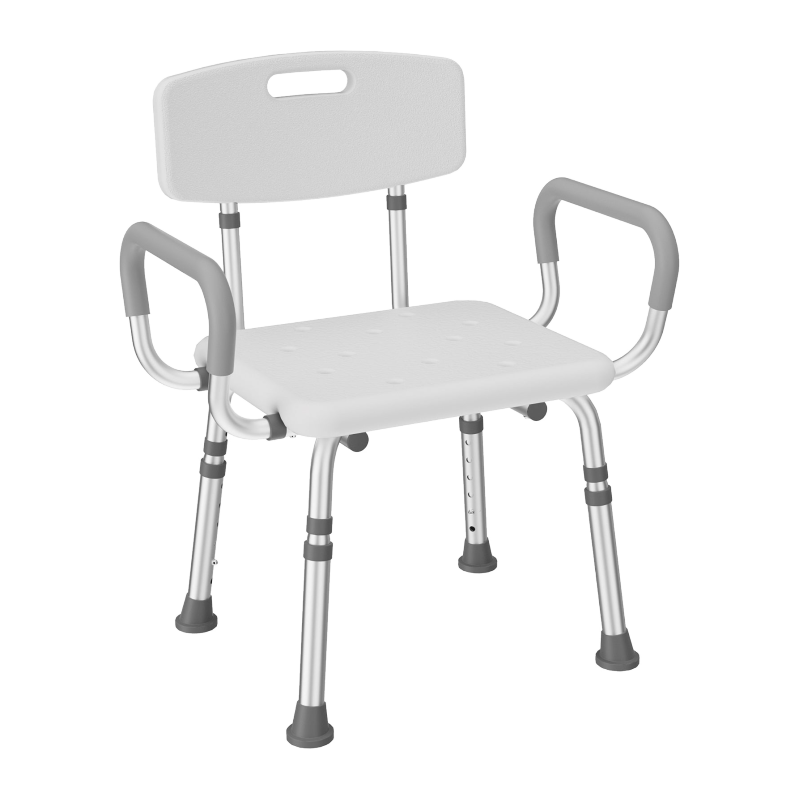
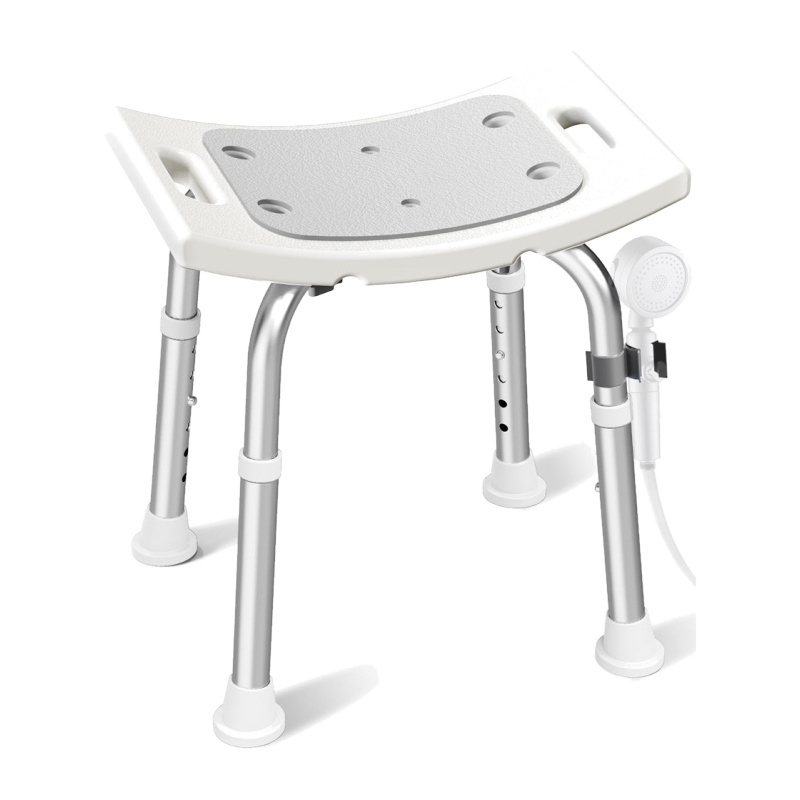
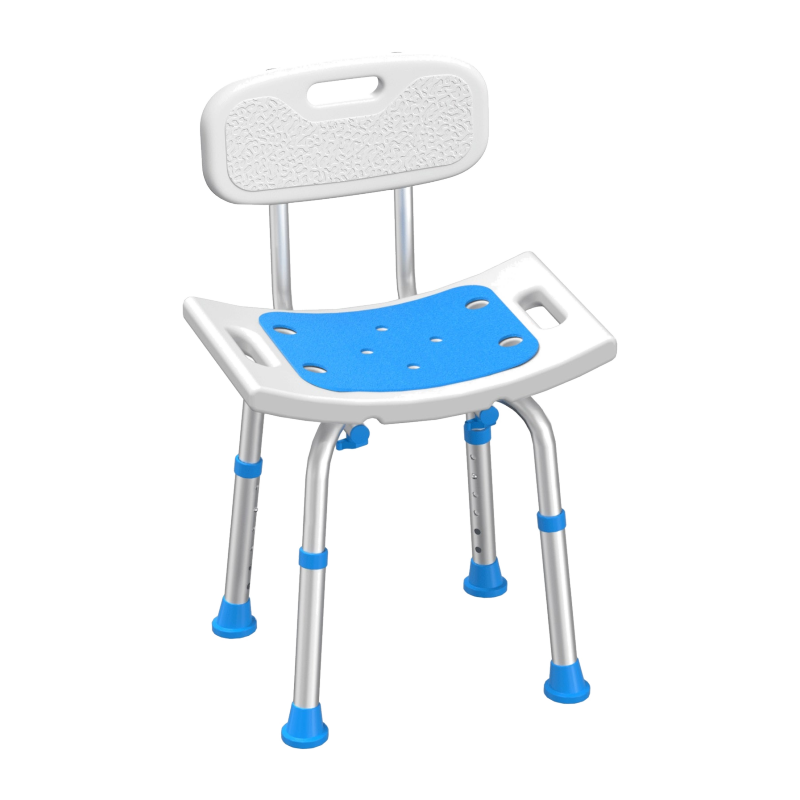
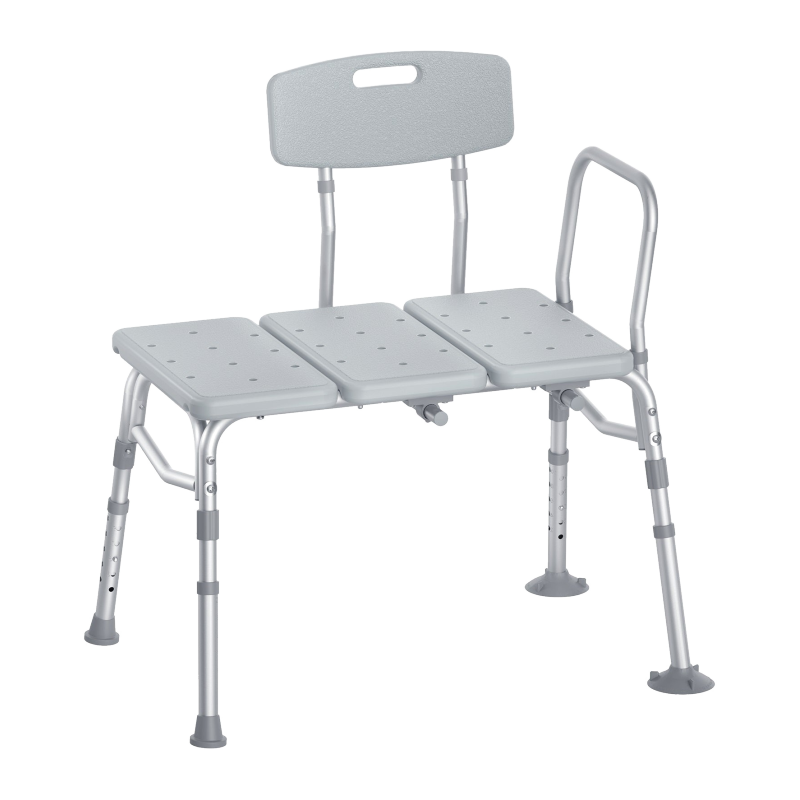
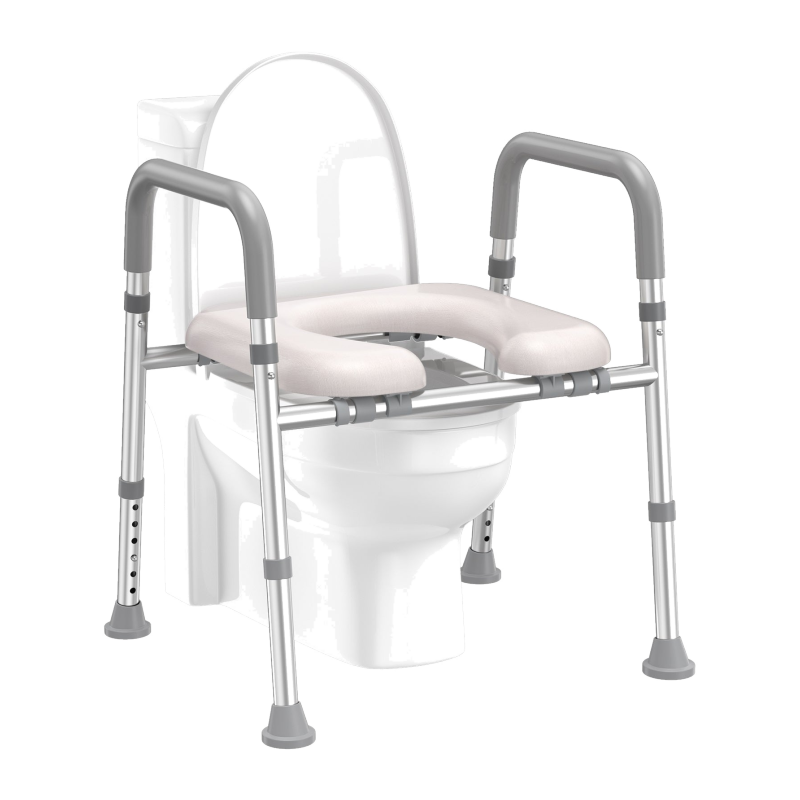
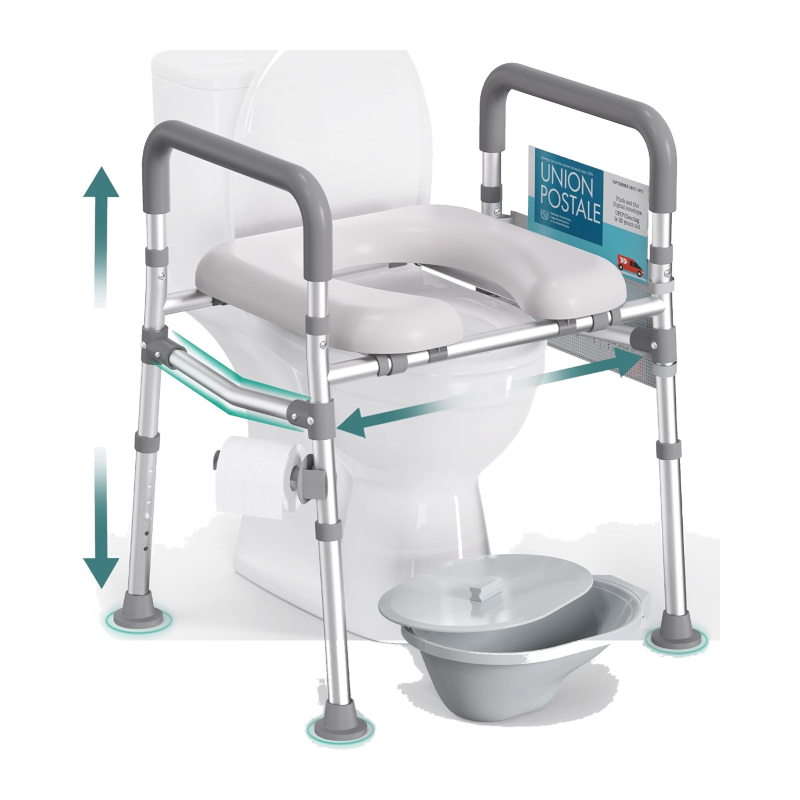
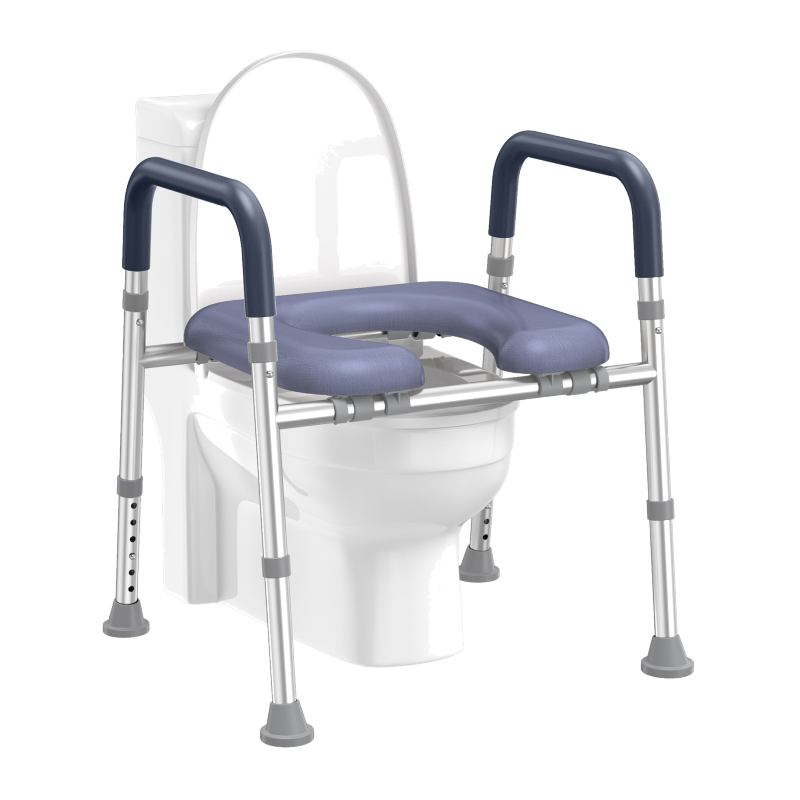
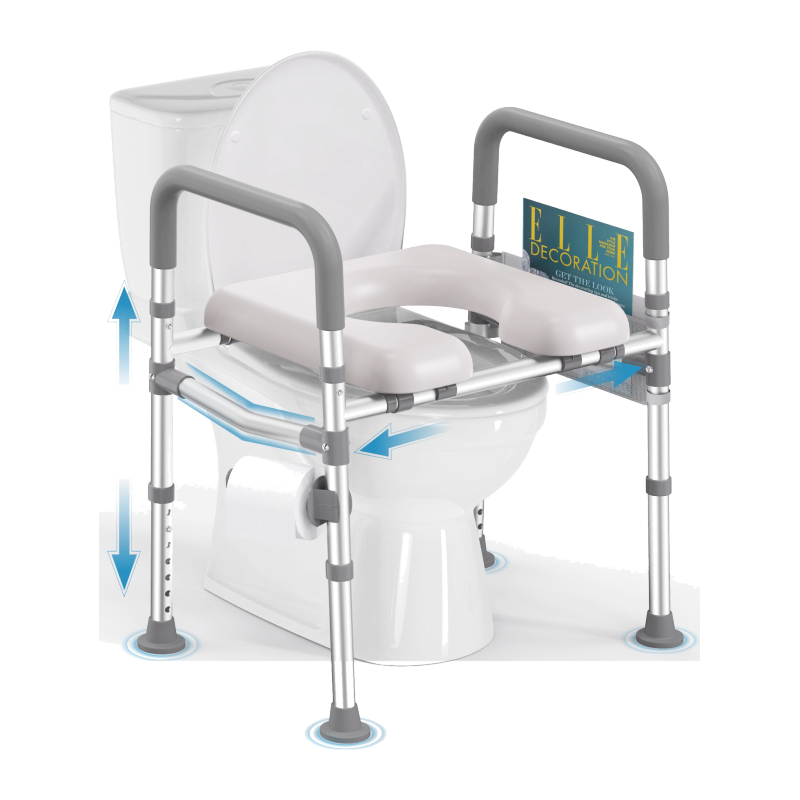
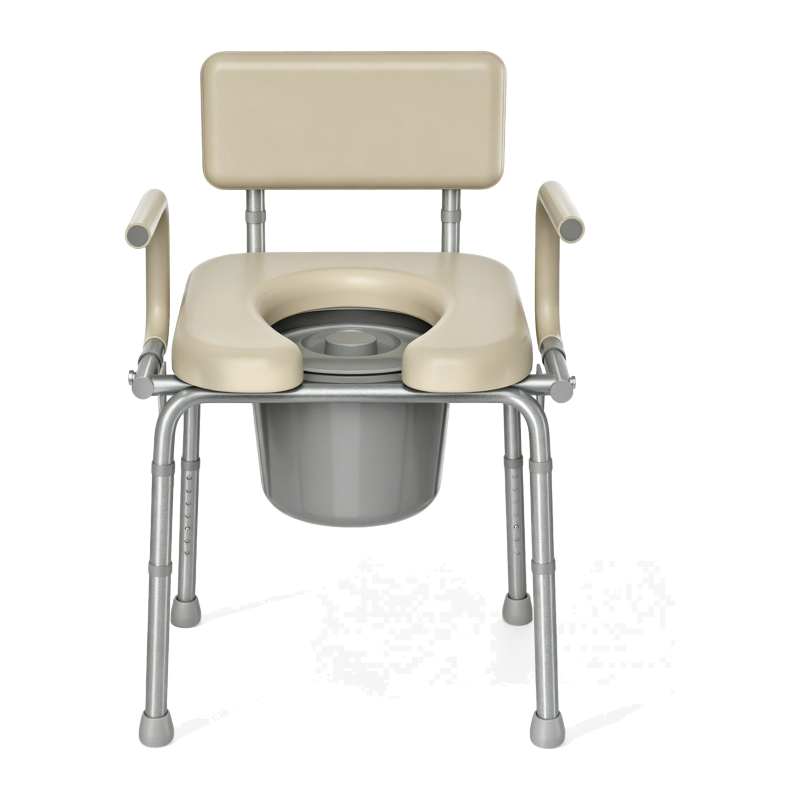
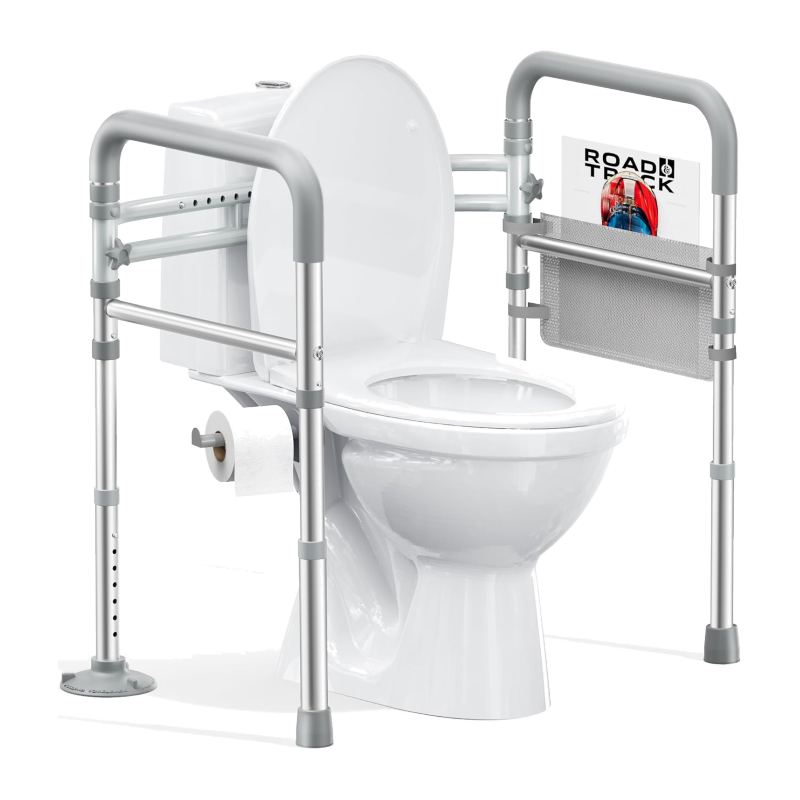
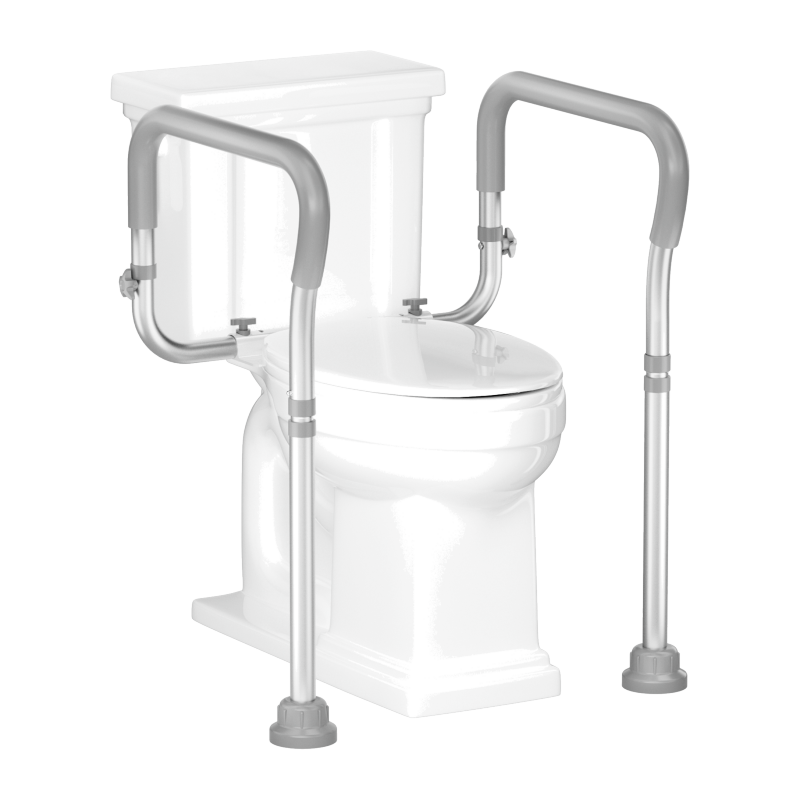
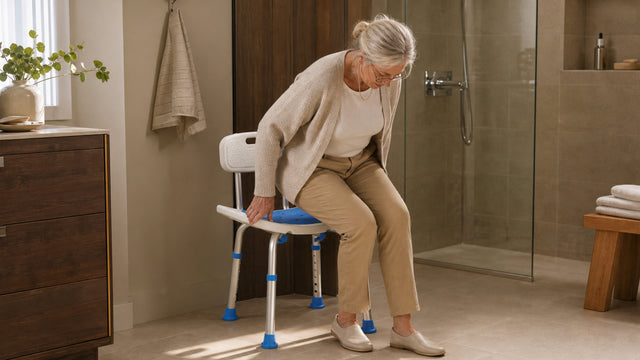
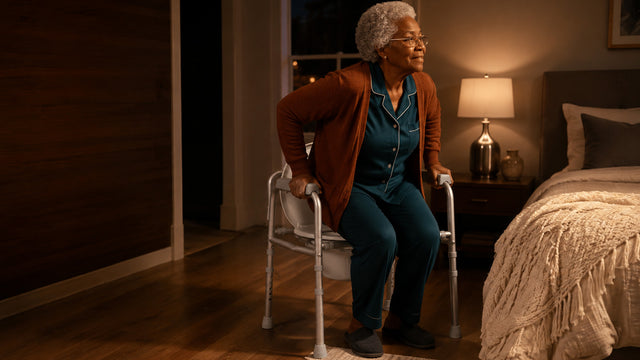
For bathroom routines, which often require the most hands-on caregiver support, a few well-chosen tools can dramatically shift the dynamic. A sturdy shower chair lets a loved one bathe seated and safely, reducing the need for a caregiver to spot every step. A toilet safety rail gives users the leverage to sit and rise with confidence, minimizing the lift-and-assist work that strains caregivers' backs.
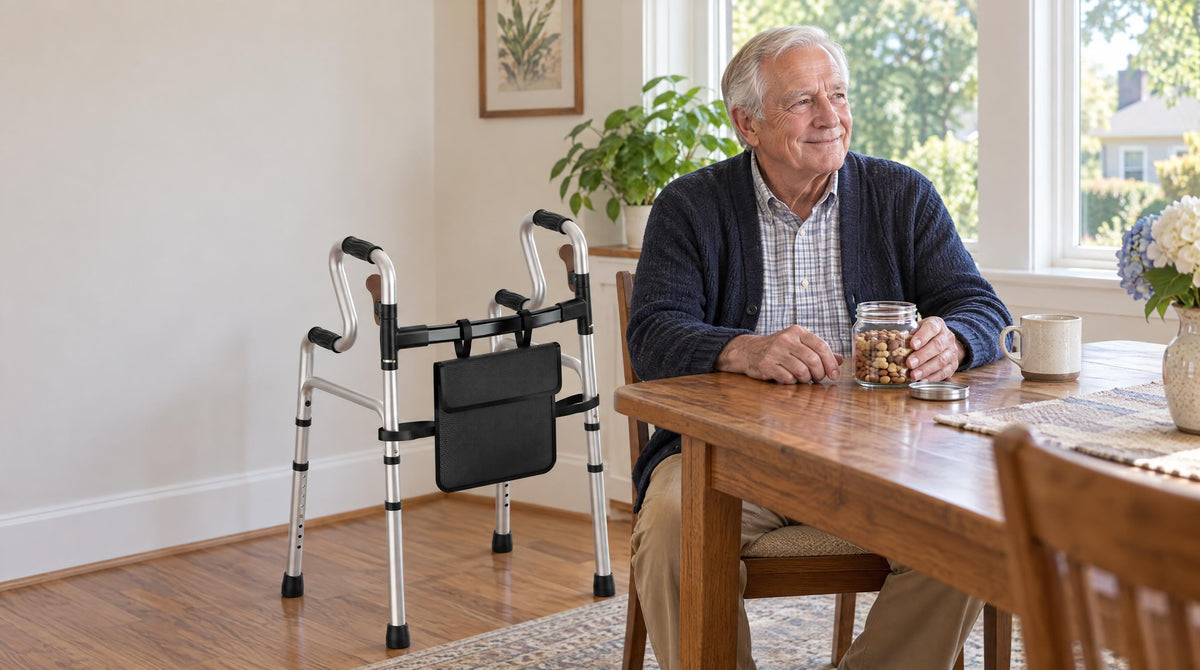
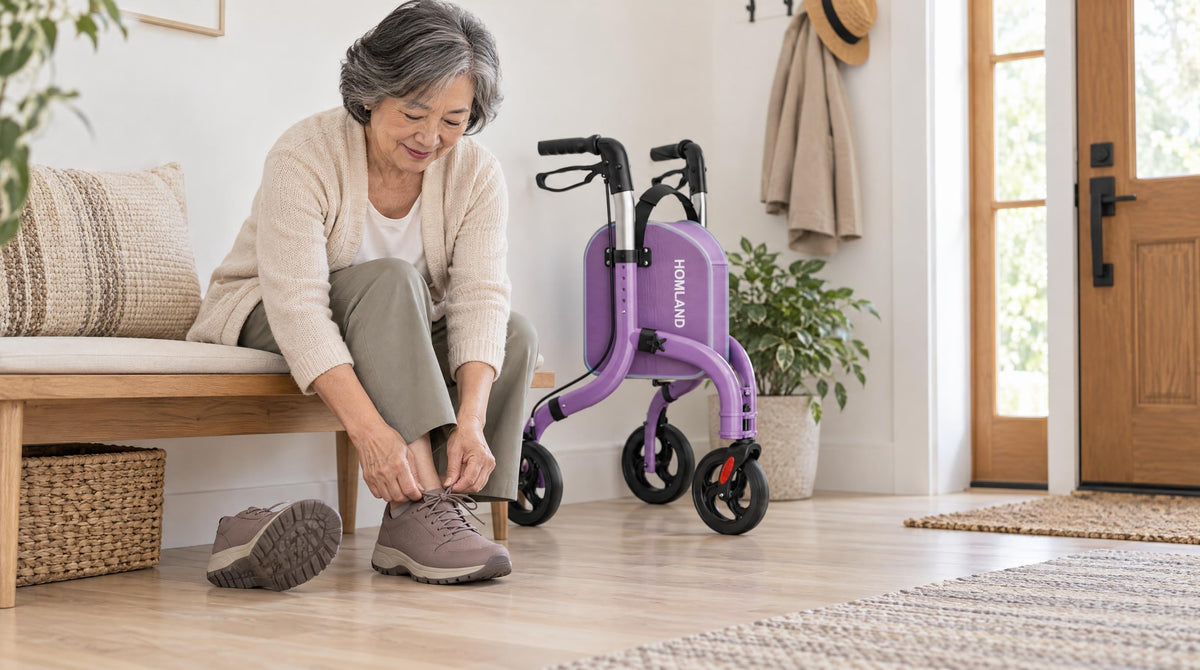
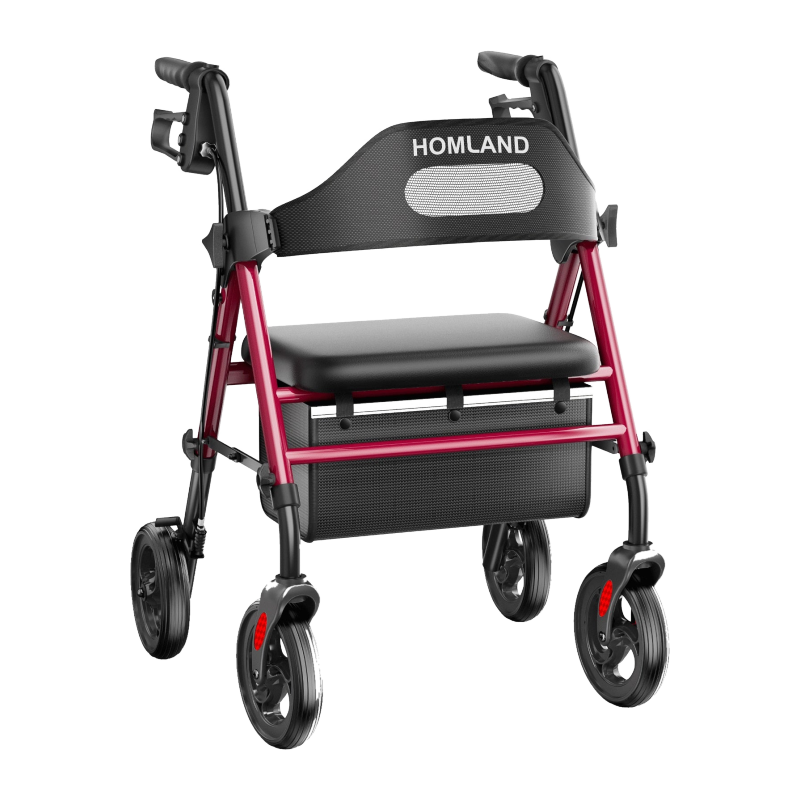
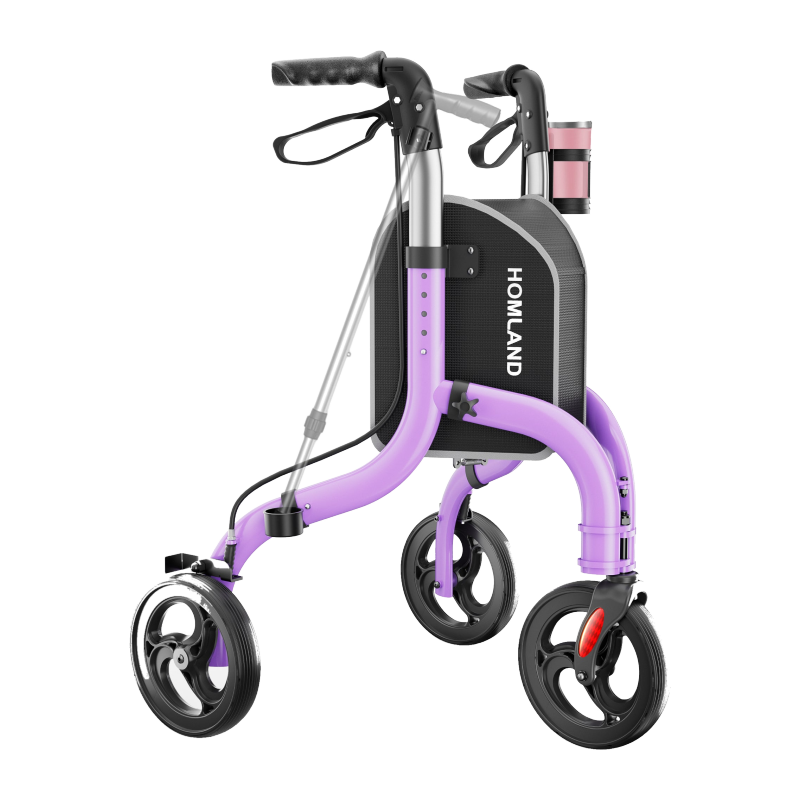
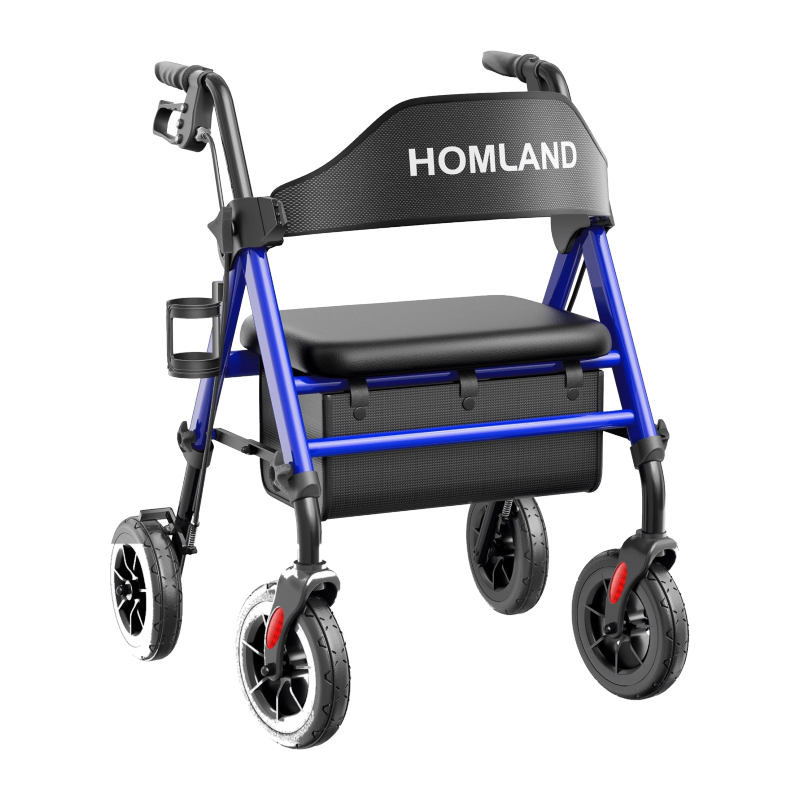
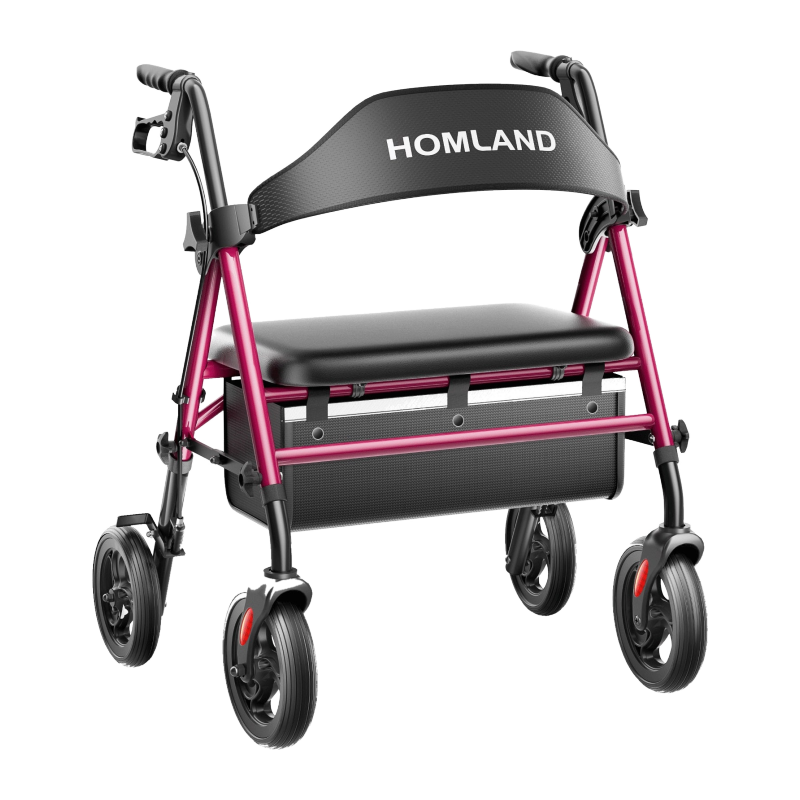
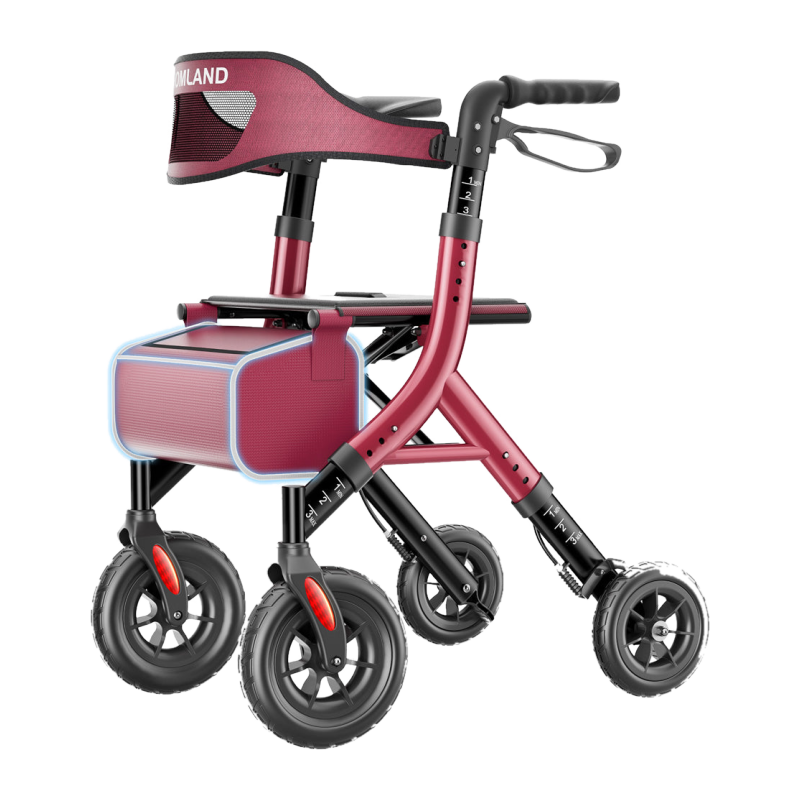
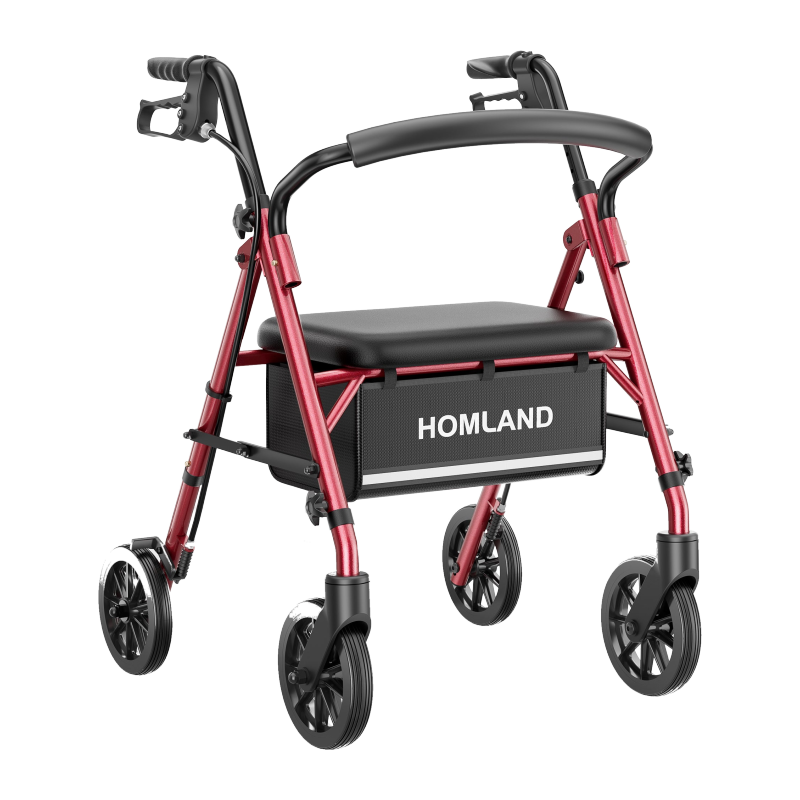
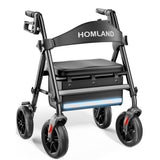
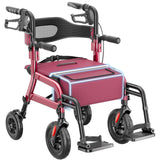
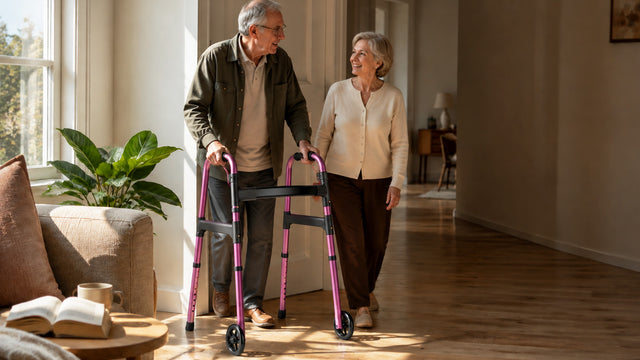
For mobility around the home, a rolling walker provides the balance support that lets a loved one move from room to room more independently — which means fewer moments where you need to drop everything and guide them across the living room. When someone can navigate their home with more confidence, the caregiver's role shifts from constant physical support to watchful presence. That's a meaningful change.
All HOMLAND products are FSA/HSA eligible, backed by a 1-year manufacturer warranty plus a 1-year extended warranty, and ship from a US local warehouse for fast delivery — so you're not waiting weeks to get relief.
Set Realistic Expectations
One of the quieter sources of caregiver suffering is the gap between what they hope to achieve and what is realistically possible — especially when caring for someone with a progressive condition. Hoping that love and effort will reverse the course of Parkinson's, dementia, or advanced arthritis is a completely human response, but it can lead to a corrosive sense of failure when things don't improve or gradually worsen.
Physical therapists and home-care professionals often encourage caregivers to reframe success: not as improving someone's condition, but as helping them live as fully and comfortably as possible within it. Some days, a good day is one where your loved one felt safe, comfortable, and not alone. That is enough. You are enough.
How a Safer Home Eases the Caregiver's Load
There's a direct connection between the safety of a loved one's home environment and the stress level of the person caring for them. Every potential hazard — a slippery shower floor, a toilet that's hard to rise from, a hallway that's difficult to navigate with limited balance — is a source of background anxiety for caregivers. Reducing those hazards doesn't just protect the person with mobility challenges; it reduces the mental load their caregiver carries around all day.
Creating a safer home doesn't require a full renovation. Strategic additions — a shower chair, bed rails, a toilet safety rail, a rolling walker for indoor and outdoor movement — can address the most common risk points and meaningfully increase independence. When someone can move safely through their own home with greater confidence, it's a win for everyone in the household.
HOMLAND's full lineup of home-safety and mobility products is designed around the "Home, not hospital" philosophy — functional, home-friendly, and built to support real daily life. You can browse the complete collection here.
Caregiver Support Resources
You don't have to figure this out entirely on your own. There is a wide network of support designed specifically for people in your role — and reaching out is one of the strongest things you can do.
- Family Caregiver Alliance (caregiver.org): A national organization offering education, resources, and referrals to local services for caregivers of all kinds.
- AARP Caregiver Resource Center: Practical tools, community forums, and local agency referrals for caregivers supporting older adults.
- Area Agency on Aging (AAA): Local agencies that connect caregivers with community resources including respite care, adult day programs, and in-home support services.
- Caregiver support groups: Both in-person and online groups where you can connect with others who understand exactly what you're going through — and share strategies that help.
- Your loved one's medical team: Doctors, nurses, and physical therapists can provide guidance on condition-specific caregiving, refer you to community resources, and advocate for additional support if needed.
If you're feeling overwhelmed, anxious, or depressed, speaking with a mental health professional is not a luxury — it's part of taking care of yourself so you can keep taking care of someone else.
You Are Not Alone — And You Deserve Care Too
Caregiving is an act of love, but love alone isn't a sustainable fuel source. You need sleep, nourishment, movement, connection, and moments that belong entirely to you. These aren't indulgences — they're what make it possible to keep showing up with patience, presence, and genuine care for another person.
The strategies in this guide aren't about doing more. They're about doing things differently — so that the work of caregiving doesn't quietly consume the person doing it. Start with one change. Ask for one small form of help. Make one investment in a tool that reduces your physical load. And give yourself credit for the extraordinary thing you're already doing every single day.
Caregiver self-care isn't selfish — it's essential. By protecting your sleep, moving your body, eating well, setting realistic expectations, and leaning on the right tools and community, you give yourself the best chance of sustaining this role without burning out. The people who love you need you healthy and whole, not exhausted and running on fumes.
If reducing the physical demands of daily caregiving is part of your strategy — a safer bathroom, better overnight support, more independent mobility for your loved one — HOMLAND's home-safety products are designed to help. Explore the full range, from shower chairs and toilet safety rails to rolling walkers and bed rails — all FSA/HSA eligible, backed by a two-year total warranty, and available for fast delivery from a US local warehouse.
Have Questions? We're Here to Help.
Whether you're choosing the right product for a loved one or looking for guidance on home-safety solutions, our team is ready to support you. Contact HOMLAND today and let us help you create a safer, more comfortable home — for everyone in it.