

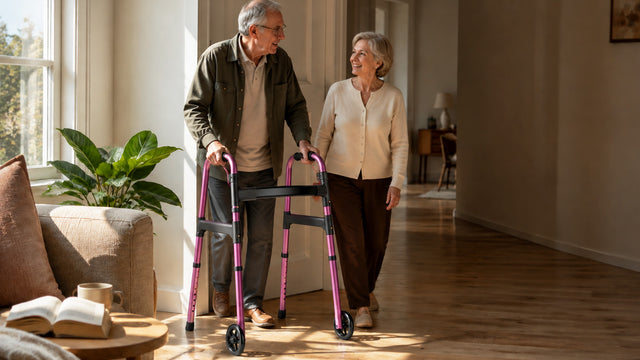

There's a moment many families know well. A parent comes home from the hospital after a hip replacement, or a spouse starts needing a steadying hand in the bathroom, or a fall happens — and suddenly the home that always felt safe doesn't feel safe anymore. The good news: the right medical equipment for home care can change that picture significantly, and quickly.
This checklist was built for two people at once — the senior who wants to stay home and do things their own way, and the family member who wants to help without hovering. It covers every room, every stage of need, and every key product category: from grab bars and shower chairs to rolling walkers, bed rails, and health monitors. Each section tells you not just what to get, but why it matters in the context of real daily life.
HOMLAND products are FSA/HSA eligible, authorized by licensed Doctors of Physical Therapy (DPT), and ship from a US local warehouse — so you can get what you need without the wait. Every item also comes backed by a 1-year manufacturer warranty plus a 1-year extended warranty. Whether you're setting up for a hospital discharge next week or gradually building a safer home over time, this guide gives you a clear, confident starting point.
Why the Right Equipment Changes Everything at Home
Most home accidents don't happen because of carelessness — they happen because the environment hasn't kept up with the person living in it. A standard toilet is too low for someone recovering from knee surgery. A slippery tub is a genuine hazard for someone whose balance has shifted with age. A bed that's too high or too low makes every morning transfer harder than it needs to be. These aren't medical problems; they're design problems — and they have practical, affordable solutions.
Physical therapists often point out that the home environment itself is one of the biggest controllable risk factors for falls and re-injury. Equipping a home thoughtfully doesn't signal decline — it signals smart planning. It's the difference between spending every evening worrying about a parent in the next room and actually relaxing, knowing the space is set up to support them. That peace of mind is what good home care equipment is really for.
The sections below are organized by area of the home and type of need, so you can work through them in whatever order makes sense for your situation. Each category connects back to what matters most: Safety, Comfort, Ease of Use, Independence, and Trust — the five values that should guide every equipment decision.
Bathroom Safety Equipment: The First Priority
Ask any experienced caregiver or physical therapist which room to address first, and the answer is almost always the bathroom. Wet surfaces, low toilet seats, and the physical demands of getting in and out of a tub or shower create more daily risk than almost any other part of the home. The good news is that a few well-chosen pieces of equipment can transform the bathroom from the most dangerous room into one of the most confidently navigated ones.
Shower Chairs and Transfer Benches
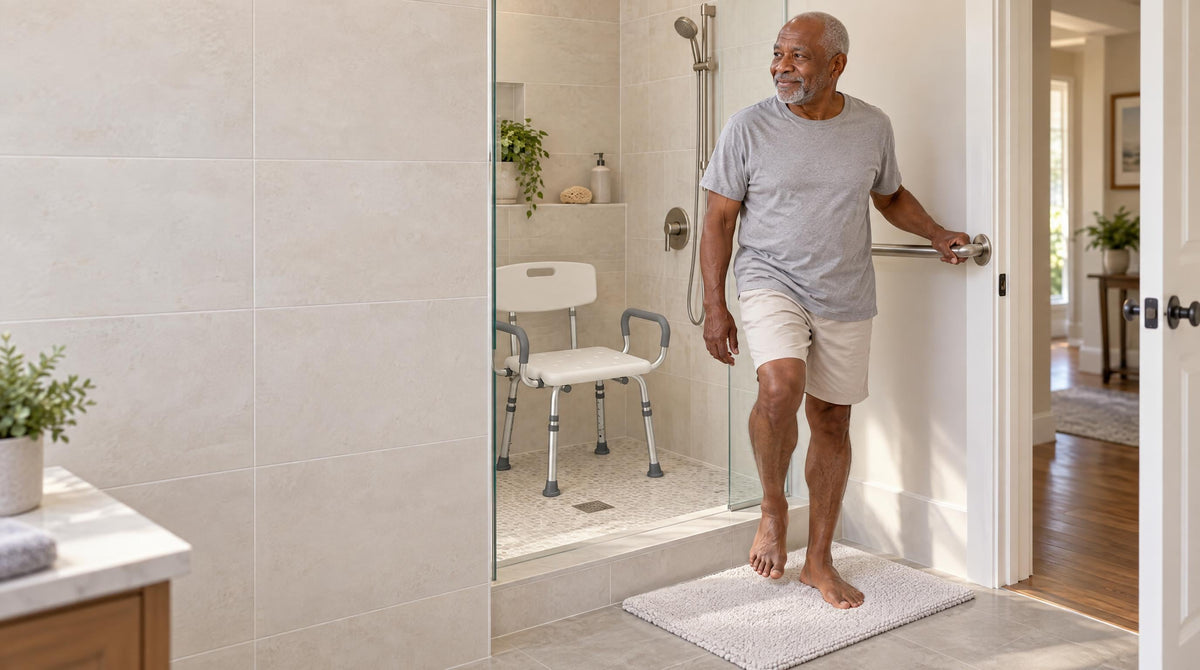
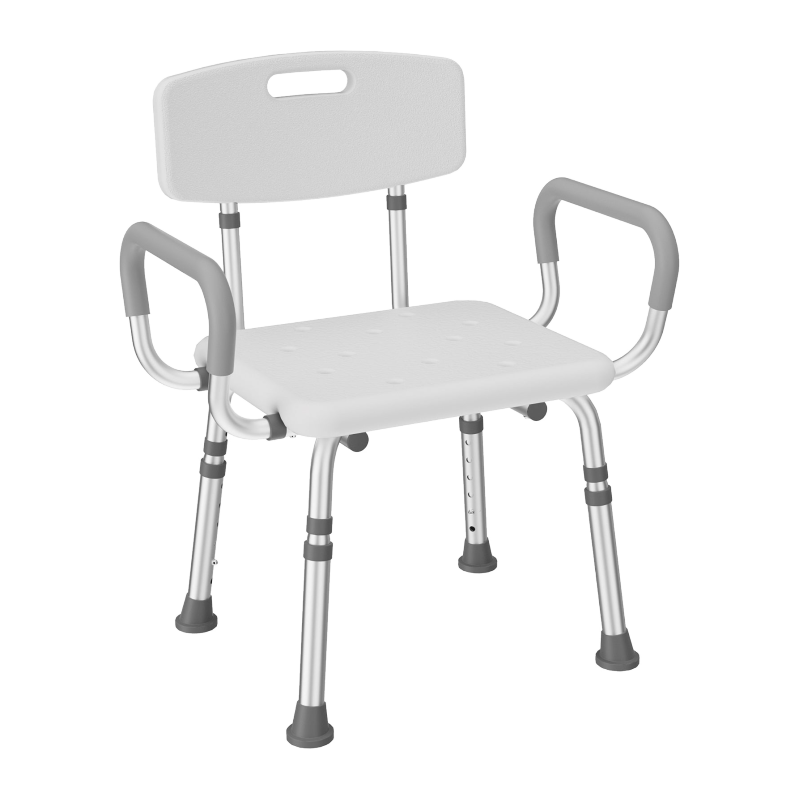
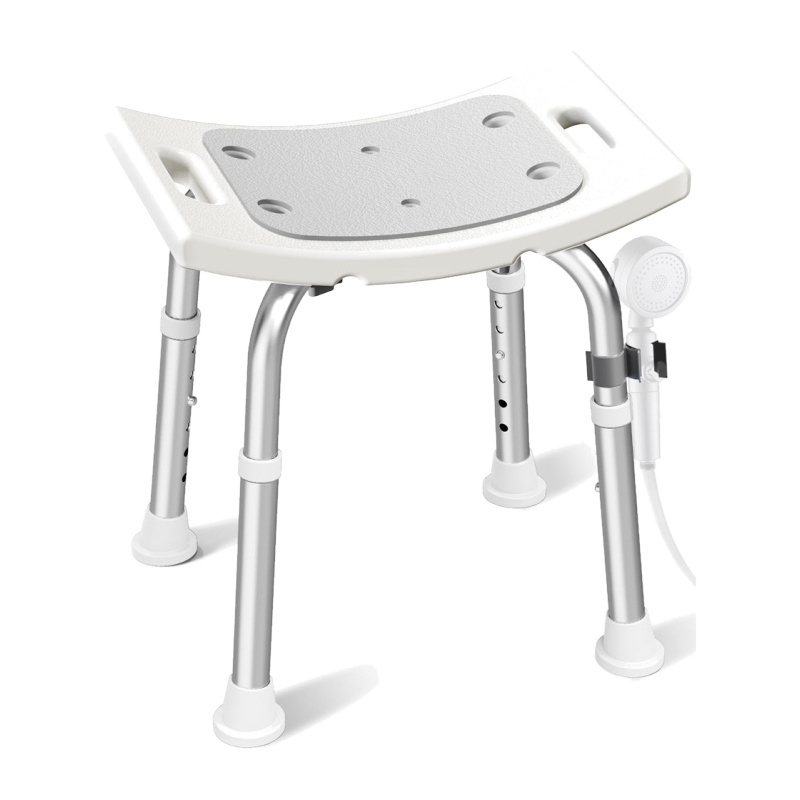
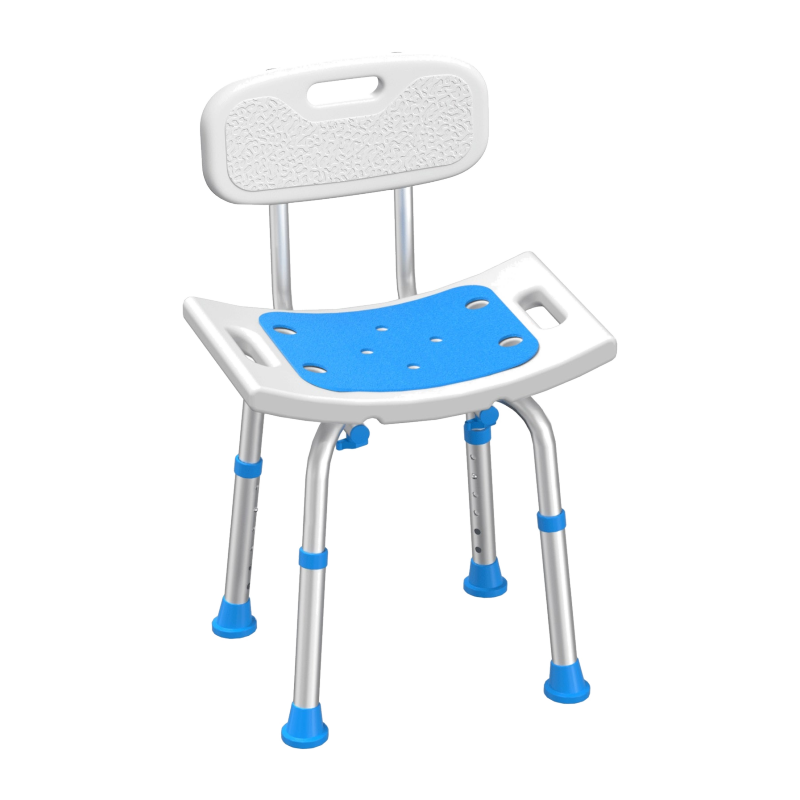
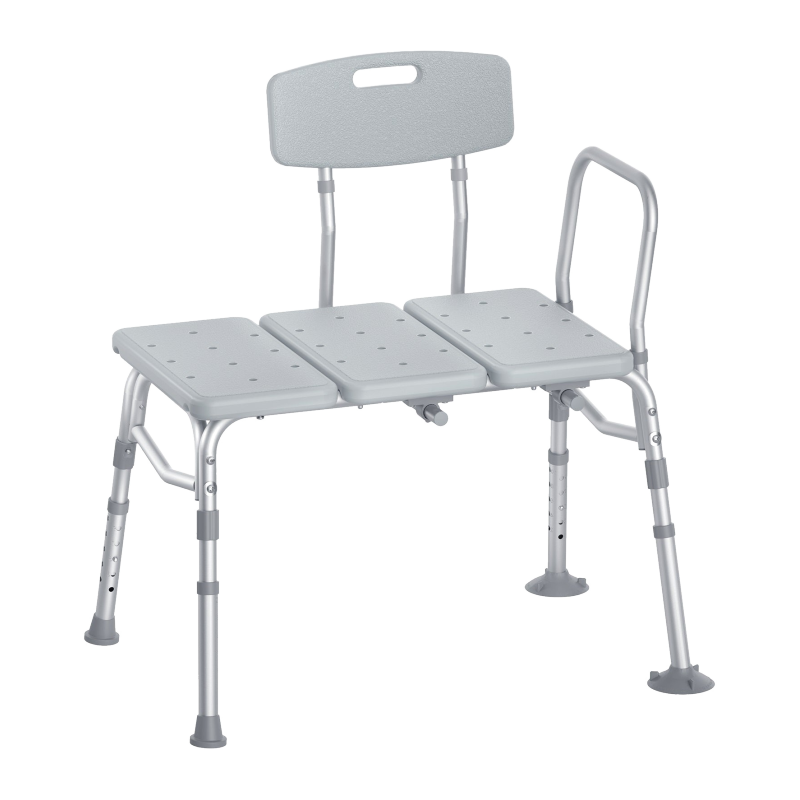
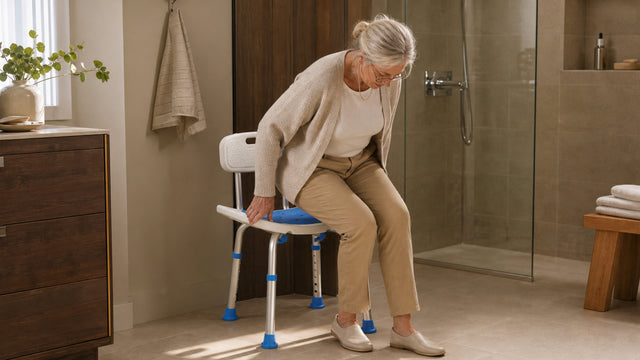
Seated bathing eliminates one of the most demanding balance challenges in daily life. A shower chair provides a stable, non-slip seat inside the shower, so there's no need to stand on a wet surface while managing soap, water, and movement at the same time. For those who use a tub, a transfer bench is even more practical — it straddles the tub wall so a person can sit on the dry side and slide across into the tub without any step-over. Physical therapists consistently recommend transfer benches for anyone returning home after hip or knee surgery. Explore HOMLAND's shower chair collection, engineered with tool-free assembly and adjustable height settings that fit most standard tubs and showers.
Raised Toilet Seats and Toilet Safety Rails
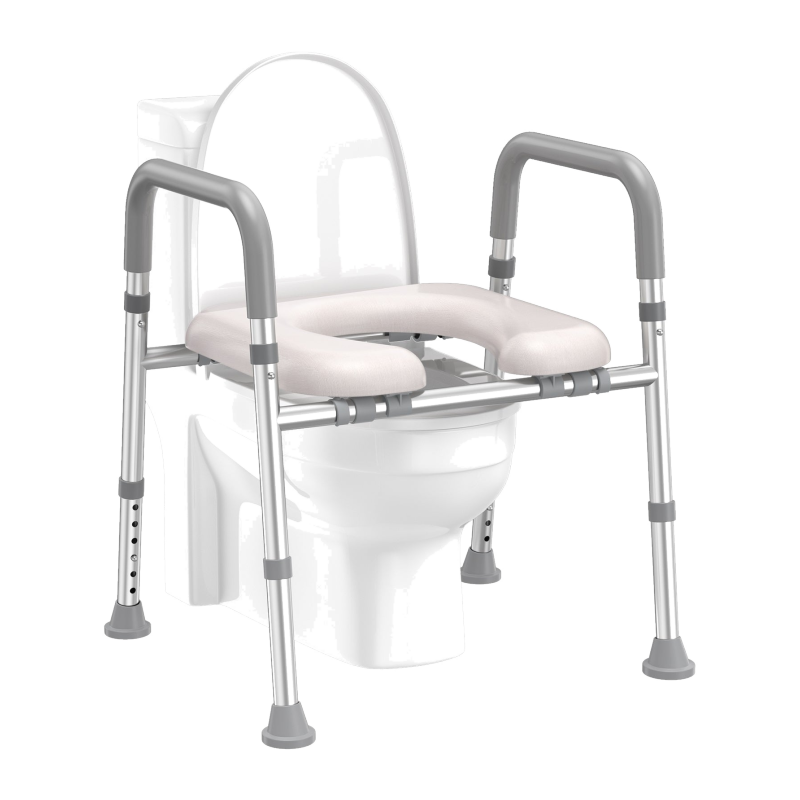
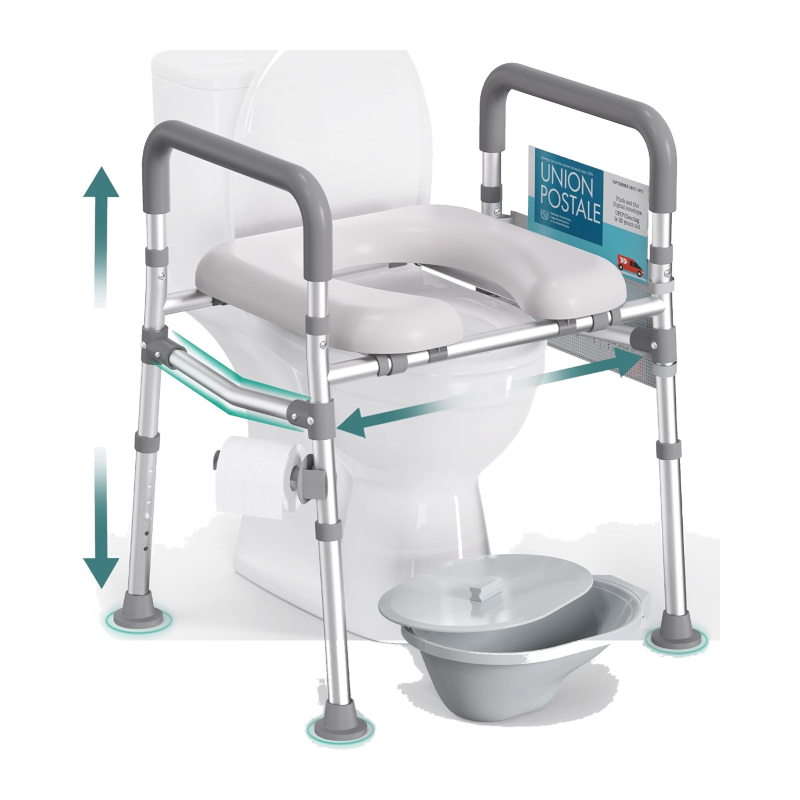
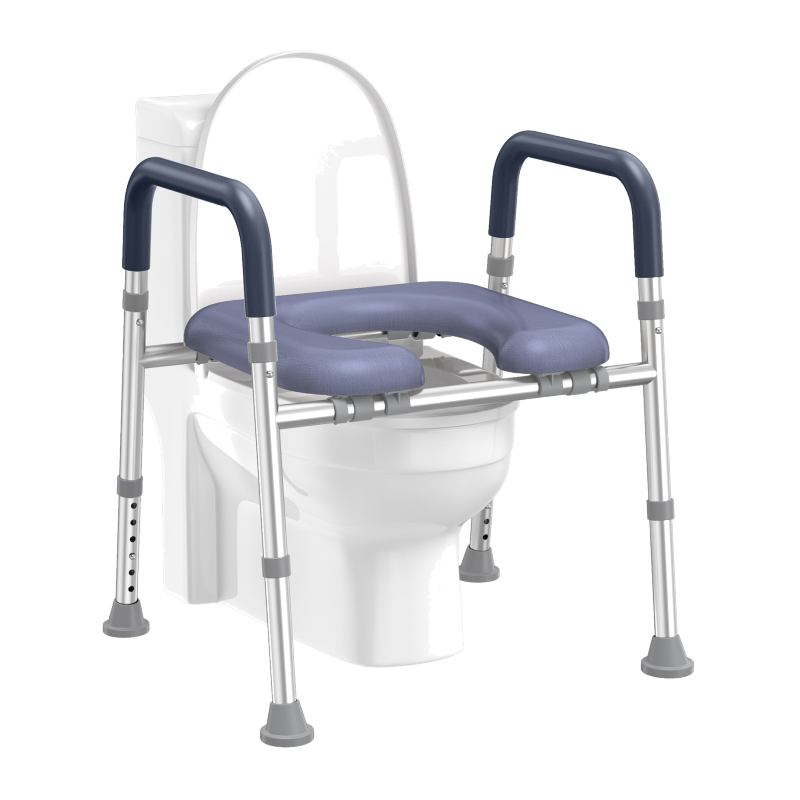
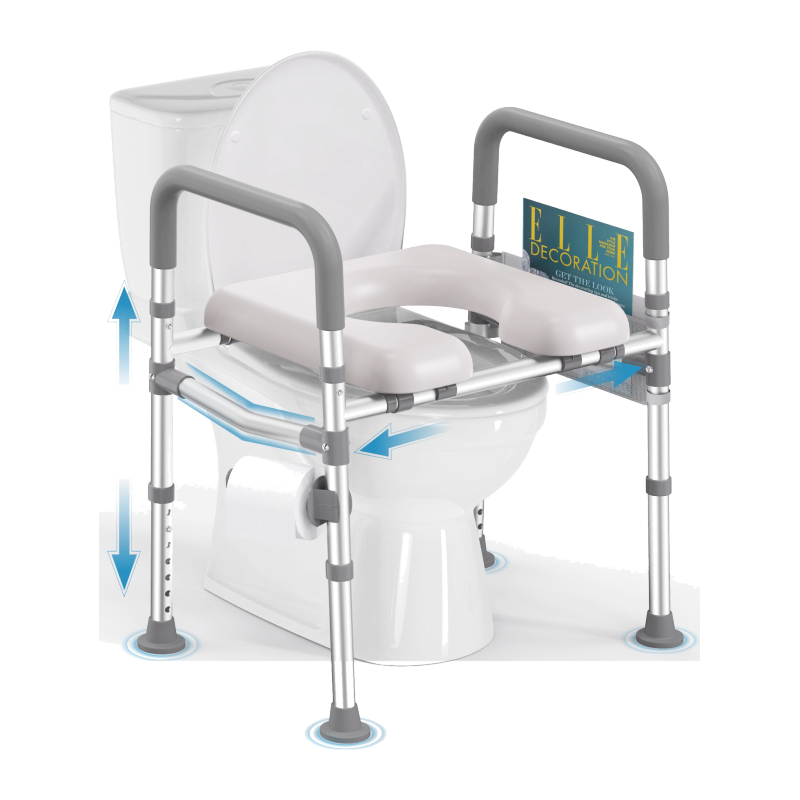
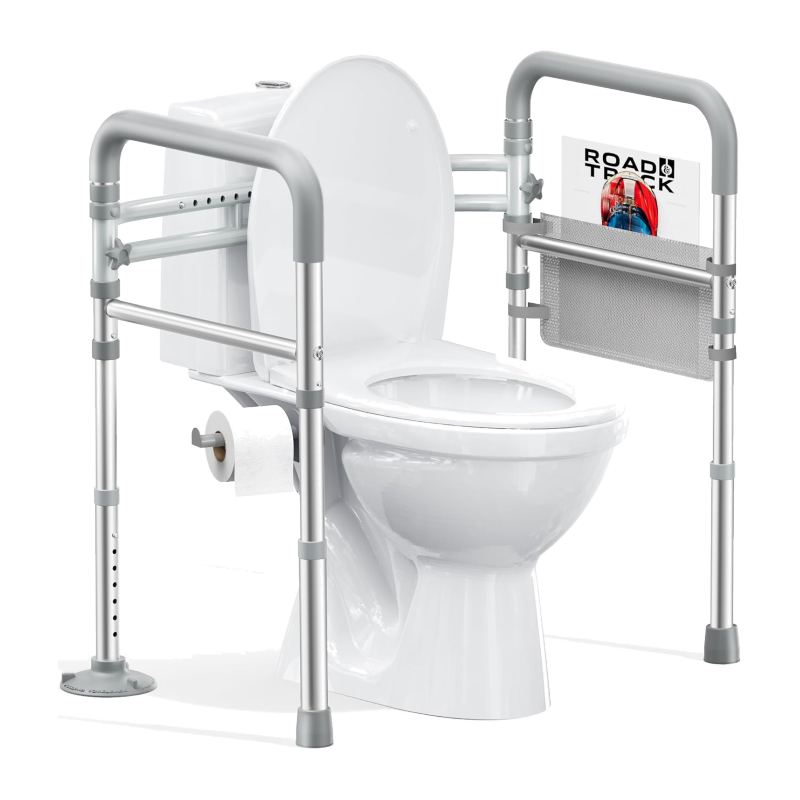
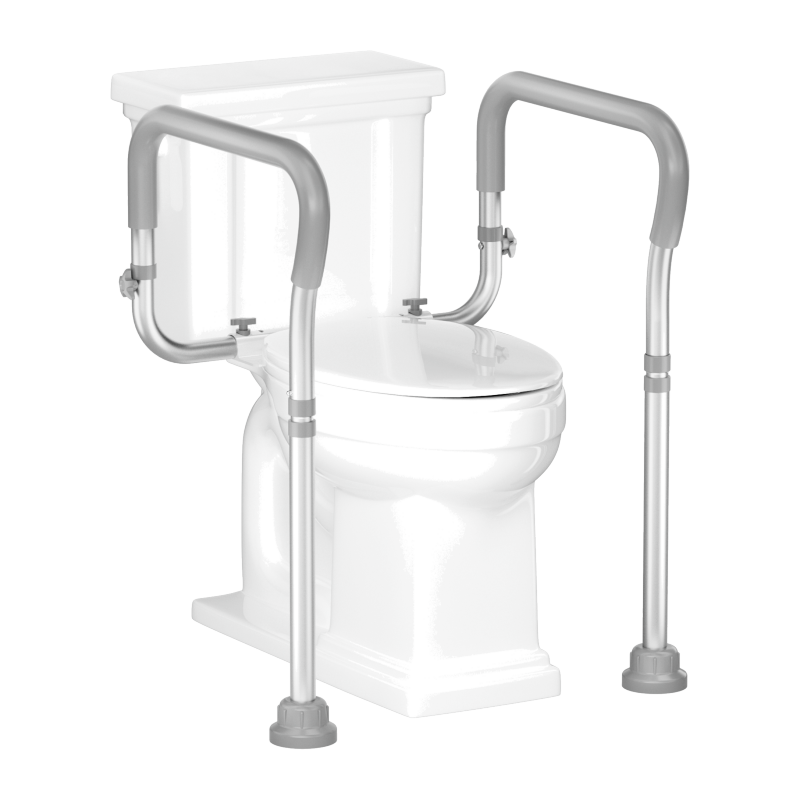
Standard toilets sit at roughly 15 to 17 inches from the floor — a height that forces the hips into a deep bend that's genuinely challenging (and sometimes medically restricted) for anyone with hip, knee, or lower back issues. A raised toilet seat adds 2 to 6 inches of height, making the sit-to-stand motion dramatically easier and far less painful. Models with integrated armrests go a step further, giving users something to push against when rising — which is often what makes the difference between needing help and doing it independently. Toilet safety rails are another excellent layer of support, fitting around or alongside the toilet without any wall installation required.
Grab Bars and Non-Slip Surfaces
Wall-mounted grab bars, anchored into studs, are among the highest-value modifications any home can have — but they require a contractor for proper installation. In the meantime, freestanding toilet rails and shower chairs offer immediate, installation-free safety. Non-slip adhesive strips inside the tub and a rubber-backed mat on the bathroom floor address the most immediate slip risk and cost very little. These are the first things to put in place, even before anything else is ordered.
Mobility and Walking Aids for Daily Independence
Walking aids aren't a sign that someone is losing independence — they're tools that protect it. The right aid, properly fitted, gives a person the confidence to move through their own home and neighborhood on their own terms. An improperly fitted one, however, can actually increase fall risk, which is why physical therapists recommend a professional fitting whenever possible.
Rolling Walkers (Rollators)
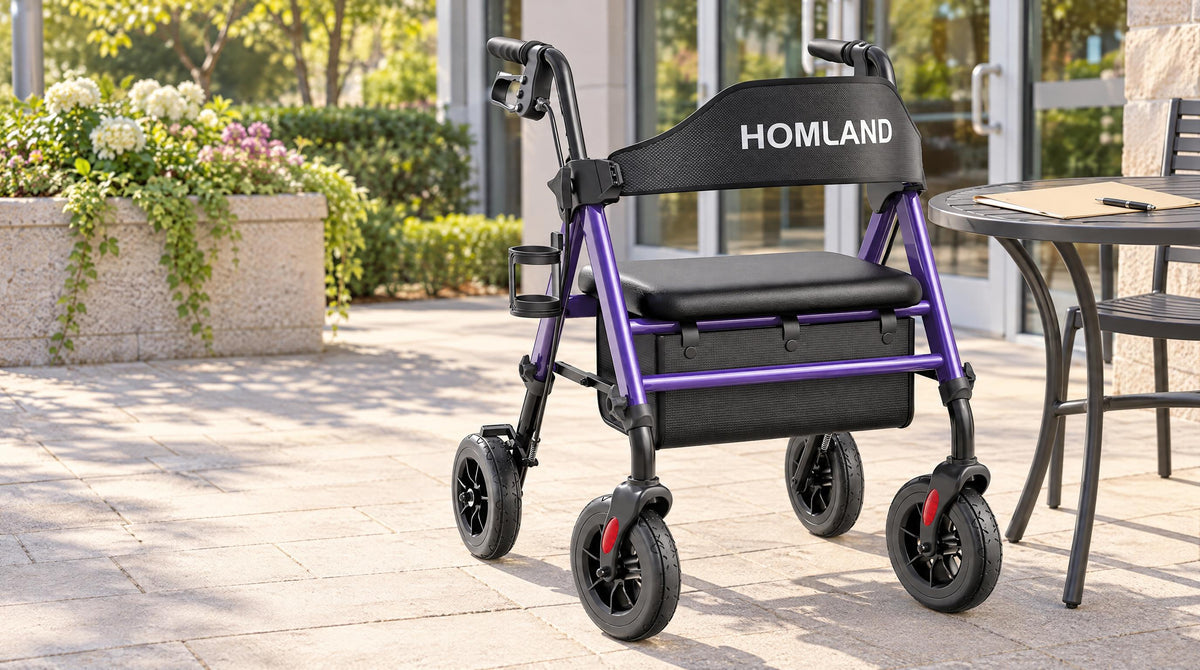
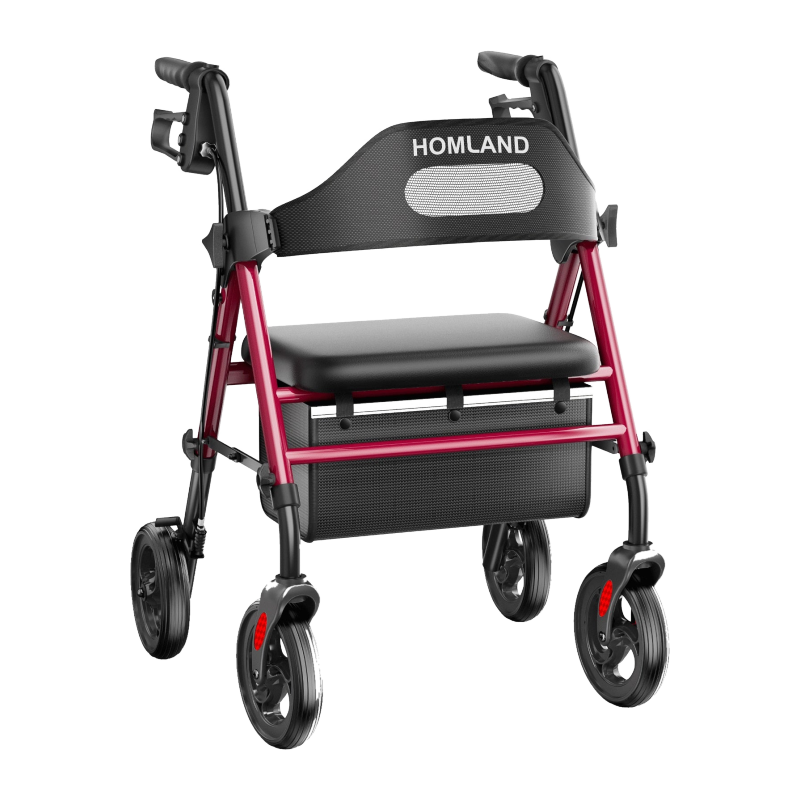
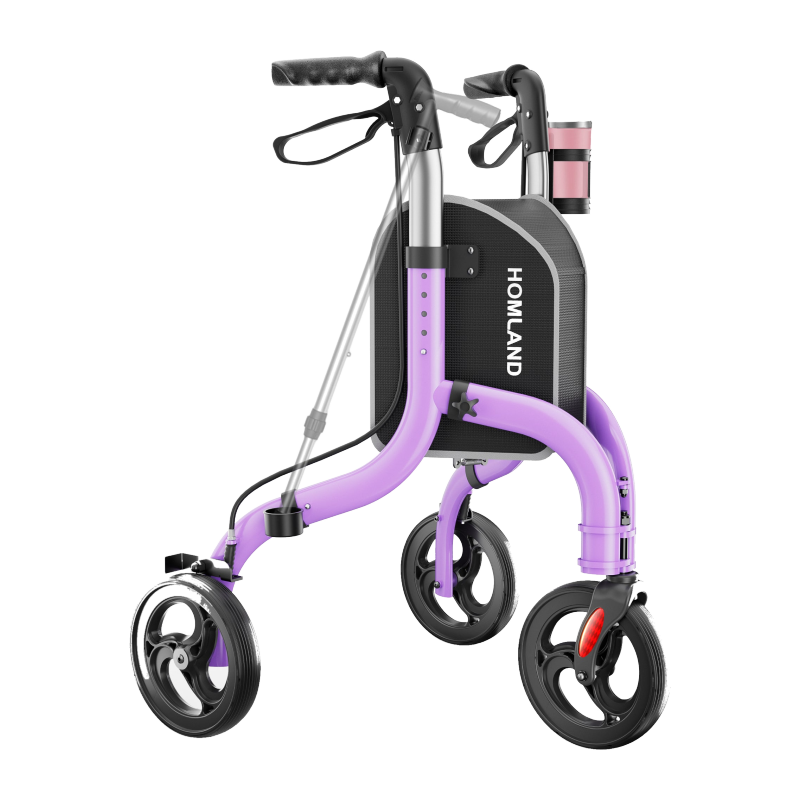
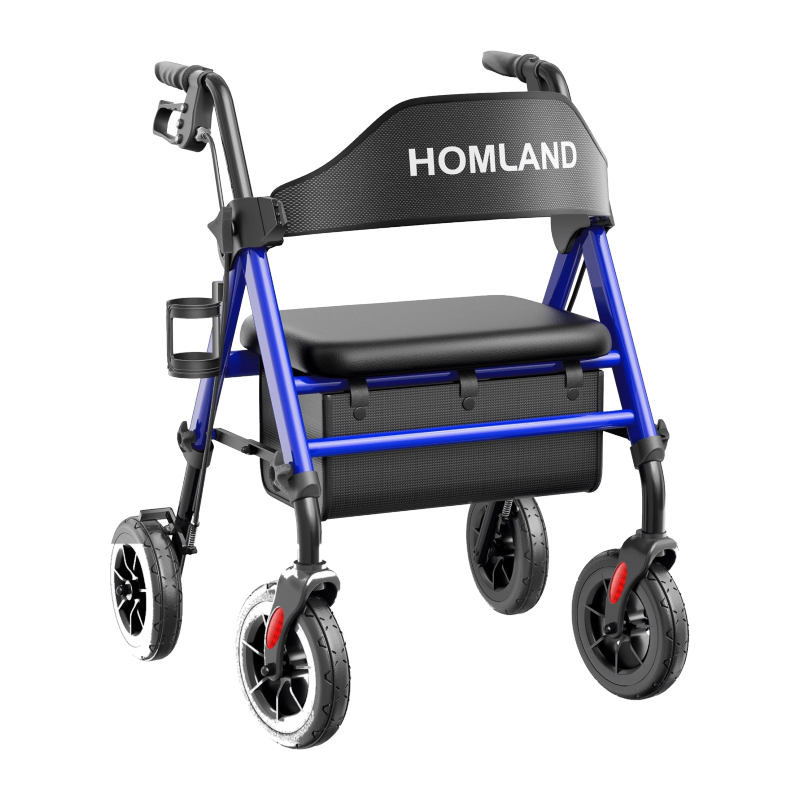
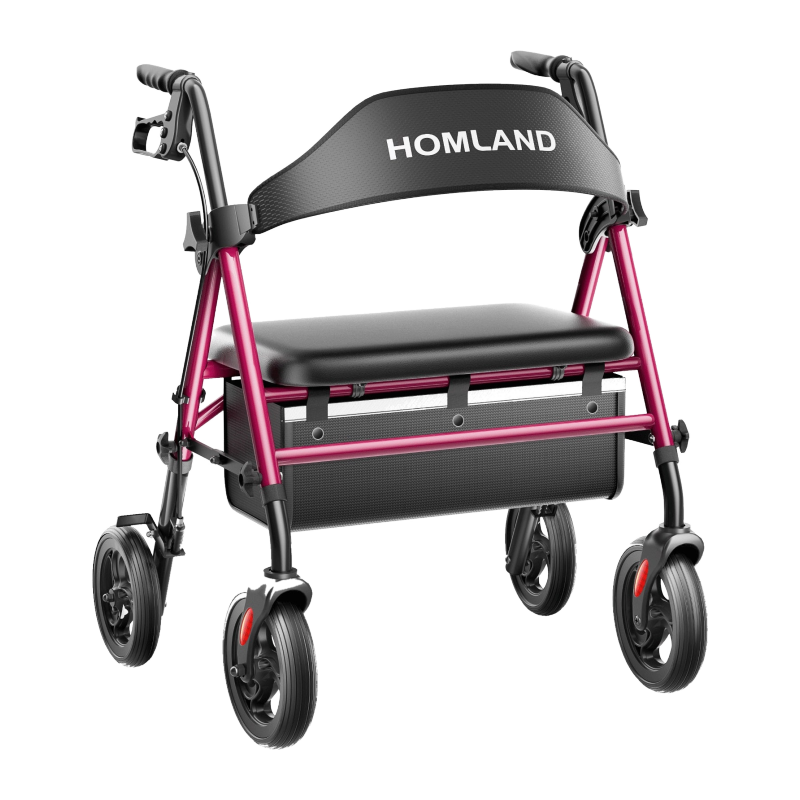
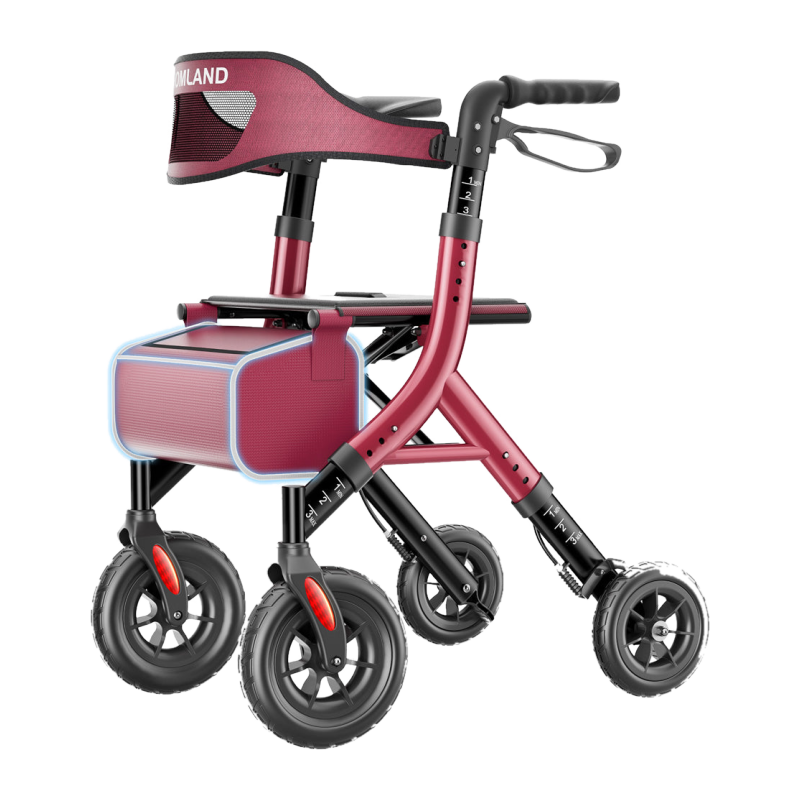
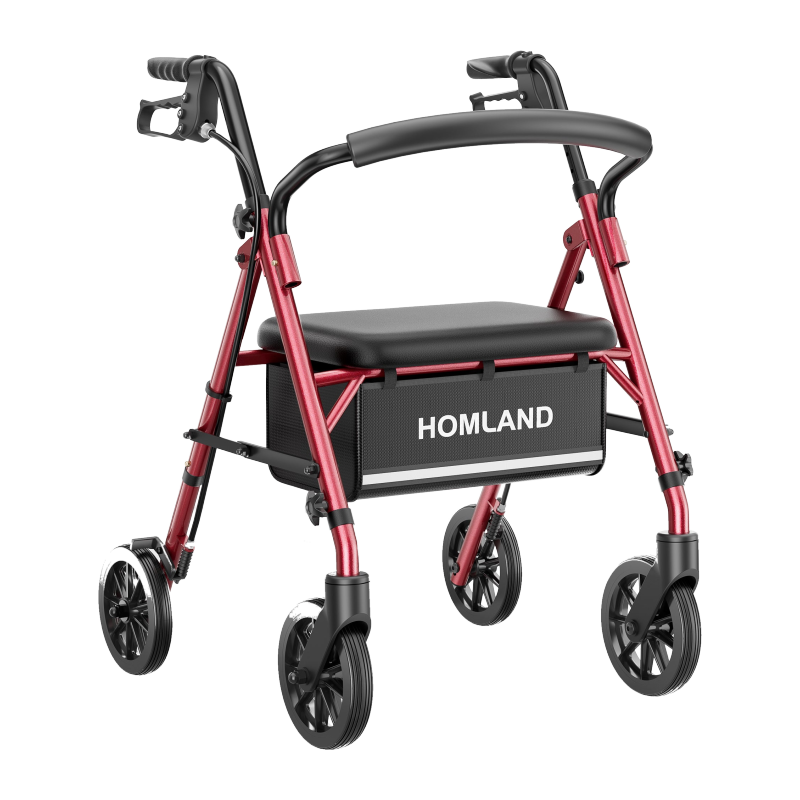
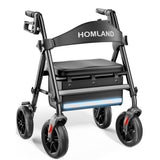
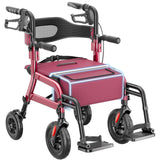
A rolling walker — often called a rollator — is one of the most versatile mobility aids available. Unlike a standard walker that requires lifting with each step, a rollator rolls smoothly and includes a built-in seat for resting whenever needed. HOMLAND offers a full range of rolling walkers, including 3-wheel, 4-wheel, upright, and bariatric models — with select options supporting up to 500 lbs. Every model is designed for tool-free assembly and adjustable handle heights, so setup takes minutes, not hours. For someone who gets winded on longer walks or simply wants to feel more secure, a rollator with a padded seat and cable-operated brakes provides safety and a rest spot in one package.
Standard Walkers
For situations where more stability is needed than a rollator provides — particularly during post-surgery recovery when weight-bearing instructions are strict — a standard (non-wheeled) walker offers a firmer, more controlled support point. HOMLAND's standard walker collection includes lightweight, foldable designs that are easy to transport and store. These are a common recommendation from physical therapists in the early weeks after joint replacement surgery, before a person progresses to a rollator or cane.
Knee Scooters
For anyone recovering from a foot or lower leg injury — a broken ankle, foot surgery, or a stress fracture — a knee scooter is a game-changer. Rather than putting weight on the injured foot, the user rests their knee on a padded platform and propels themselves with the other foot. Knee scooters are far more practical for getting around the home and running errands than crutches, and they're significantly less exhausting. They're also FSA/HSA eligible, making them an accessible option for most families.
Bedroom and Sleep Safety Essentials
The bedroom is where most people spend roughly a third of their lives — and for someone recovering from surgery or managing a mobility challenge, it's where the day truly begins and ends. Getting in and out of bed safely, repositioning during the night, and having the right support to stand up in the morning all depend on having the right setup.
Bed Rails
Bed rails serve two distinct purposes: they help prevent accidental rolling or falling out of bed during sleep, and they provide a sturdy grip point for getting up in the morning. For someone who gets up at night to use the bathroom — perhaps without turning on a light to avoid waking a partner — a bed rail is a quiet, practical safety net. HOMLAND's bed rails collection features designs that fit most standard and adjustable bed frames, with easy installation that doesn't require tools.
Bedside Organization and Lighting
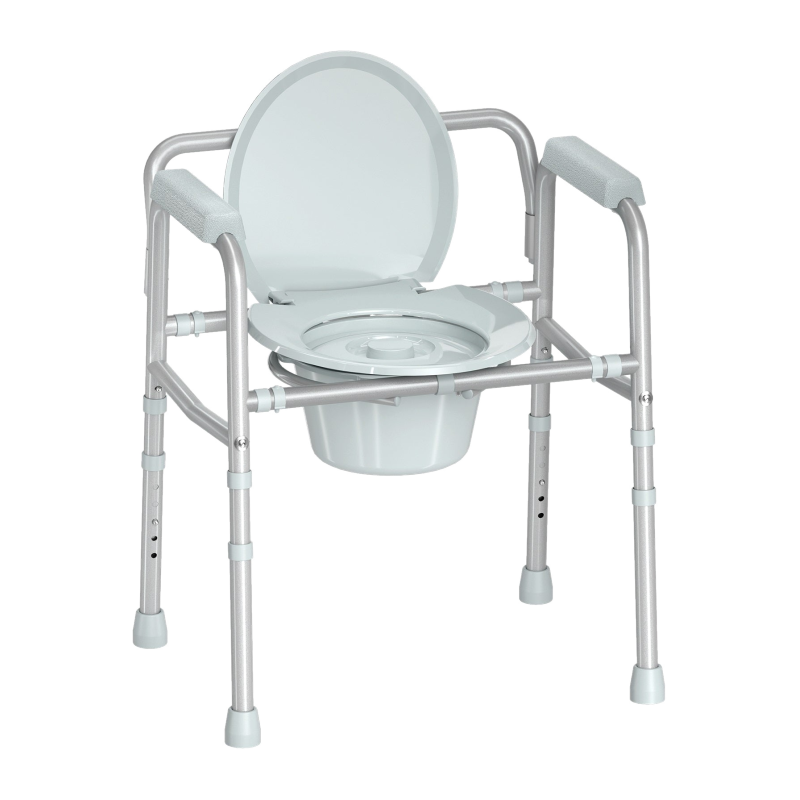
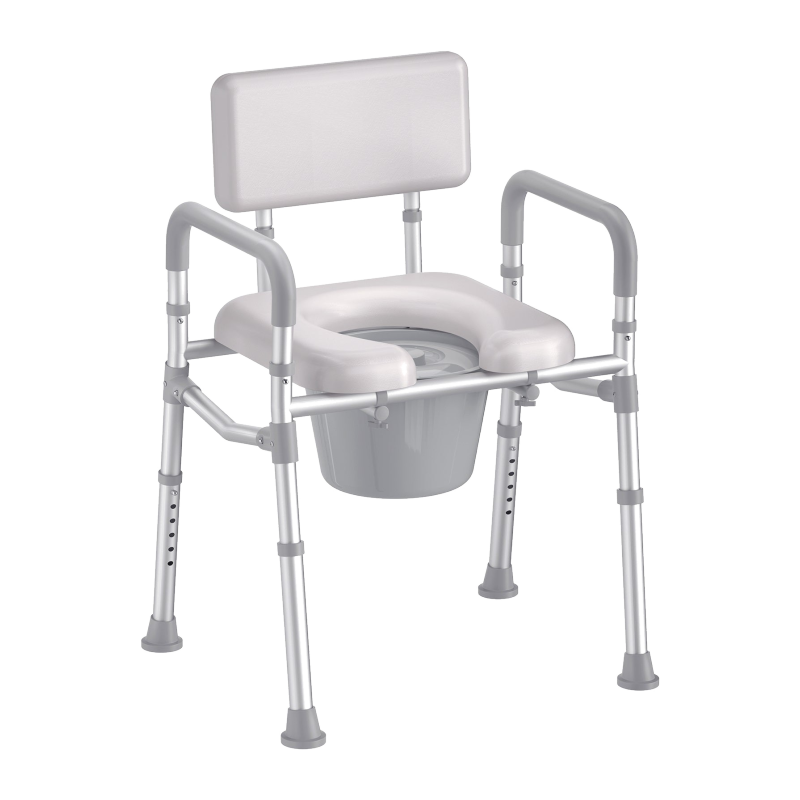
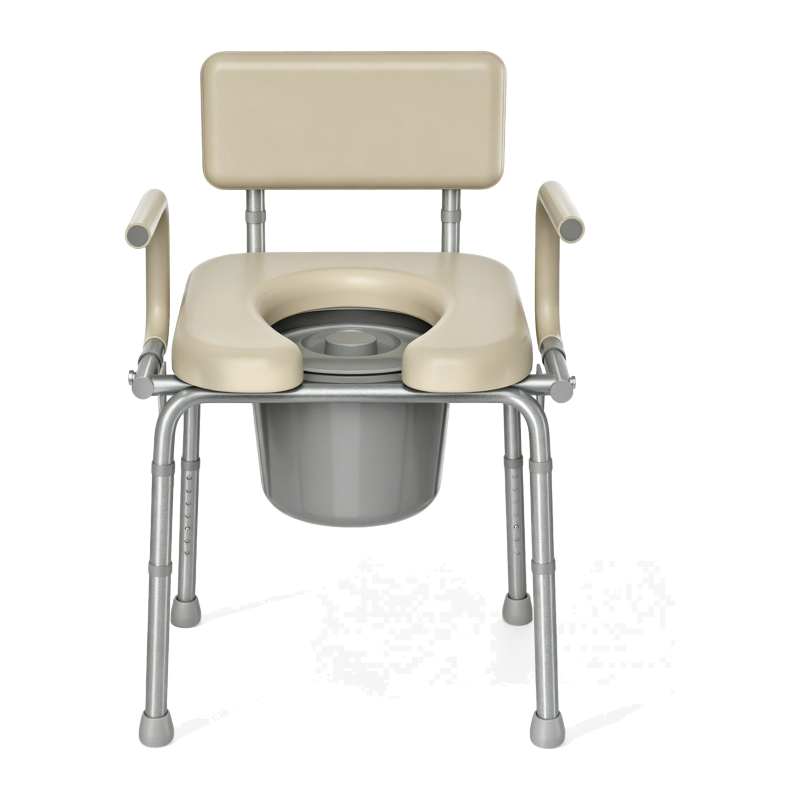
A few low-cost additions make a meaningful difference in bedroom safety: a plug-in night light in the pathway between the bed and bathroom, a small bedside table with essentials within easy reach (water, phone, glasses, medications), and clear, uncluttered pathways through the room. These cost almost nothing and address some of the most common causes of nighttime falls. If a bedside commode is needed — for someone who has difficulty making it to the bathroom at night — HOMLAND offers those as part of its broader home care lineup at HOMLAND.com.
Equipment for Post-Surgery Recovery at Home
Coming home after a joint replacement, abdominal surgery, or any procedure that affects mobility is one of the most physically demanding transitions a person can make. The home that felt perfectly fine before surgery can suddenly feel full of obstacles — low seats, slippery floors, beds that are too soft or at the wrong height. Setting things up in advance, ideally before the discharge date, makes an enormous difference to both comfort and safety.
Physical therapists often describe the first two weeks at home after surgery as the highest-risk window for setbacks. The body is healing, pain medication can affect balance and alertness, and the temptation to do too much too soon is real. The right equipment creates guardrails — not restrictions — that allow a person to move as much as they should while reducing the chance of a fall or re-injury.
For hip replacement recovery specifically, a raised toilet seat with armrests is one of the most frequently recommended items, because standard toilet height forces the hip into a bend angle that many surgeons want to avoid in the first weeks. Paired with a shower chair or transfer bench, a standard walker for early ambulation, and bed rails for nighttime security, these four items address the most common post-surgical risks at home. As recovery progresses and strength returns, a rollator becomes the natural next step before transitioning to a cane or independent walking.
Monitoring and Medication Management Tools
Safety at home isn't only about preventing falls — it's also about keeping track of health changes between doctor's appointments and managing medications correctly. These tools don't require a medical background to use, and most are straightforward enough for independent seniors to manage on their own.
- Digital blood pressure monitor — An upper-arm automatic monitor is easy to use independently and helps catch changes worth discussing with a doctor before they become urgent.
- Pulse oximeter — A small clip that measures blood oxygen levels. Particularly valuable for anyone managing a heart or lung condition.
- Digital thermometer — Essential for monitoring fevers, especially after any procedure or during illness when infection risk is higher.
- Weekly pill organizer — Simple and effective. A visible, labeled organizer reduces the risk of missed or doubled doses and gives caregivers an easy way to confirm medications were taken.
- Personal emergency response device — A wearable call button or fall-detection device gives both the wearer and their family a meaningful safety net. Models with automatic fall detection are preferable for anyone living alone.
A whiteboard in the kitchen or bedroom can also serve as a simple daily log — recording vitals, medications taken, and care notes for anyone else helping. Low-tech, but consistently praised by experienced caregivers for keeping everyone on the same page.
Your Complete Home Care Equipment Checklist
Use this as a room-by-room reference to assess what's already in place and what still needs attention. Not every item will apply to every situation — start with what's most relevant to your specific needs and build from there.
Bathroom
- Shower chair or transfer bench
- Raised toilet seat (with or without armrests)
- Toilet safety rails
- Non-slip adhesive strips inside the tub
- Rubber-backed mat outside the tub
- Handheld showerhead
- Wall-mounted grab bars (professionally installed)
Bedroom
- Bed rails (full-length or half-rail)
- Pathway night light
- Bedside essentials within easy reach
- Bedside commode (if bathroom access at night is difficult)
- Bed wedge pillow (for reflux, breathing, or comfort support)
Mobility and Movement
- Standard walker (early recovery or high-stability needs)
- Rolling walker / rollator (everyday independence, longer outings)
- Knee scooter (foot or lower leg injury recovery)
- Cane (mild balance support)
- Non-slip footwear for indoor use
Home Safety Modifications
- Trip hazards removed (throw rugs, cords, clutter)
- Bright lighting in hallways, stairways, and key rooms
- Sturdy handrails on both sides of all staircases
- Furniture arranged to create clear, walkable pathways
Health Monitoring
- Digital blood pressure monitor
- Pulse oximeter
- Digital thermometer
- Weekly pill organizer or automated dispenser
- Personal emergency response device
Paying for It: FSA, HSA, and What to Know
One of the most commonly overlooked ways to pay for home care equipment is through a Flexible Spending Account (FSA) or Health Savings Account (HSA). Both are tax-advantaged accounts that let you use pre-tax dollars on qualified health-related expenses — and the category of eligible items is broader than most people realize.
Mobility aids such as walkers, canes, and rollators are generally FSA/HSA eligible. Bathroom safety equipment, including shower chairs and raised toilet seats, also typically qualifies. This means many of the most essential items on this checklist can be purchased with pre-tax money, effectively reducing their cost by 20 to 37 percent depending on your tax bracket.
All HOMLAND products are FSA/HSA eligible, so you can use your benefit card directly at checkout. One practical note: FSA funds often expire at year-end and don't roll over the way HSA funds do, so it's worth using them intentionally before they disappear. Every HOMLAND purchase also comes with a 1-year manufacturer warranty plus a 1-year extended warranty, shipped from a US local warehouse for fast delivery — so there's no waiting weeks for something you need now.
What to Buy First: A Practical Prioritization Guide
If everything on this checklist feels overwhelming at once, the most effective approach is to work in phases. Here's how physical therapists and experienced caregivers typically recommend sequencing equipment purchases:
This Week (Zero Cost or Very Low Cost)
- Remove throw rugs, loose cords, and anything on the floor that could catch a foot
- Add night lights in the bedroom hallway and bathroom
- Replace dim bulbs with brighter ones throughout the home
- Check that handrails on stairs are tight and reliable
This Month (Core Equipment)
- Shower chair or transfer bench
- Raised toilet seat with armrests
- Toilet safety rails
- Walker or rollator, properly fitted
- Bed rails
- Non-slip mats for bathroom floor and tub
- Weekly pill organizer
Over the Next Few Months (Structural and Longer-Term)
- Professionally installed grab bars in bathroom and shower
- Handrails added to both sides of staircase
- Personal emergency response device set up and worn consistently
- Blood pressure monitor and pulse oximeter for regular health tracking
If a hospital discharge is coming up in the next week or two, prioritize the bathroom and bedroom first. Those are the two rooms that create the most friction — and the most risk — immediately after coming home. Everything else can be added as needs become clearer.
Building a Home That Works for You
The right home care equipment doesn't change who someone is — it changes what they can do on their own. Getting through a shower without worrying about balance. Standing up from the toilet without needing help. Taking a walk around the block with the confidence that there's a seat whenever it's needed. These are small things that add up to a very large thing: living at home, on your own terms, with the people and routines that matter to you.
HOMLAND's full product lineup — from shower chairs and toilet safety rails to rolling walkers and bed rails — is built around exactly this philosophy. Every product is DPT-authorized, FSA/HSA eligible, and backed by a two-year warranty with fast delivery from US local stock. The goal is never to turn your home into a medical facility. It's to give you the tools to keep it feeling like home.
Browse the complete HOMLAND collection to find what fits your needs — or reach out to the team if you'd like guidance on which products are right for your specific situation.
Not Sure Where to Start?
Every home and every situation is different. If you'd like a hand figuring out exactly which equipment makes the most sense for your needs — whether it's a first-time setup or adding to what's already in place — HOMLAND's team is here to help.