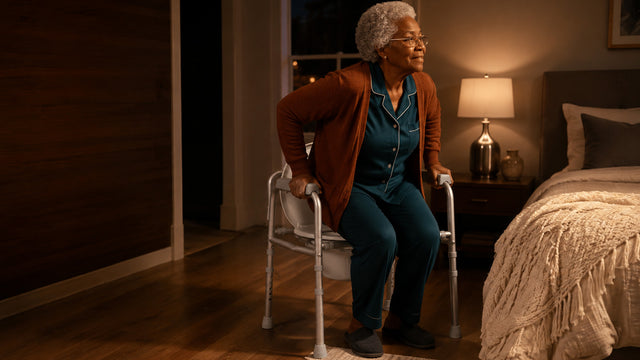


Picture this: it's 2 a.m. and your father gets up to use the bathroom. The hallway is dark, there's a throw rug by the bedroom door, and the toilet seat sits lower than his knees will comfortably allow. None of those details felt dangerous when the house was first set up decades ago — but for someone navigating age-related changes in balance, vision, and strength, each one is a quiet risk.
The good news is that home modifications for elderly residents don't require a full renovation or a dramatic change in lifestyle. Many of the most effective changes cost very little, take an afternoon to complete, and deliver immediate, lasting safety benefits. According to the CDC, falls are the leading cause of both fatal and nonfatal injuries among adults aged 65 and older — yet research consistently shows that targeted home modifications can meaningfully reduce that risk. This guide walks through every key area of the home, room by room, so you and your family know exactly where to start and what will make the biggest difference.
Why Home Modifications Matter More Than You Think
Most homes were never designed with aging in mind. Aging in place allows older adults to stay in the comfort of their own homes, but safety becomes increasingly important as mobility, balance, and physical strength change — and many household environments were never designed with aging in mind. The gap between the home people love and the home they actually need can grow quietly over time, well before any obvious crisis. That's precisely why getting ahead of the problem matters so much.
According to the CDC, one in four adults aged 65 or older experiences a fall each year, and these incidents are the leading cause of both fatal and nonfatal injuries in this age group. Beyond the physical toll, falls carry both physical and psychological consequences — including fractures, loss of mobility, and a growing fear of falling that can reduce self-confidence and social participation. Older adults who fall often lose autonomy and may experience a decline in quality of life or increased risk of nursing home admission.
The research on what works is encouraging. A 2025 systematic review published in Healthcare found that targeted home modifications — especially those addressing mobility, lighting, and bathroom safety — significantly reduced fall risk and helped older adults remain independent at home. And the benefits extend beyond the person living there: a before-and-after comparison of care recipients revealed that home modifications reduced hours of care provided by 42% per week. That's not just a safety story — it's a quality-of-life story for the whole family.
Start With a Safety Walk-Through
Before buying anything or hiring anyone, spend 30 minutes walking slowly through every room of the home — ideally with the older adult alongside you. Move at their pace, try to see through their eyes, and pay attention to anything that requires a sudden grip, an awkward step, or extra effort. Physical therapists often recommend this kind of informal assessment as the starting point for any modification plan, because what matters most is the specific layout of this specific home.
As you move through the space, look for these common hazards:
- Loose or bunched area rugs and carpet edges that can catch a foot
- Furniture placed in natural walking paths between rooms
- Light switches that are hard to reach or in dark corners
- Steps or raised thresholds at doorways
- Bathroom fixtures that require lowering, bending, or balancing on one foot
- Stairways without handrails on both sides
Write down everything you notice. Don't try to fix it all at once — the goal of the walk-through is simply to build a prioritized list. Most families find it helpful to separate items into three categories: things that can be changed today for free (like moving furniture), small purchases that take an hour to install (like grab bars), and larger renovations that require planning and a contractor.
Bathroom Safety: The Highest-Risk Room in the House
The CDC reports that bathrooms are where most falls occur, making them a priority assessment area. Think about what a typical bathroom visit involves: stepping over a tub lip, lowering onto a toilet seat, standing on a wet floor, and reaching for a towel while shifting weight. Each of those motions asks for balance and strength that may have quietly declined. The good news is that a few targeted additions can completely transform how safe and manageable that space feels.
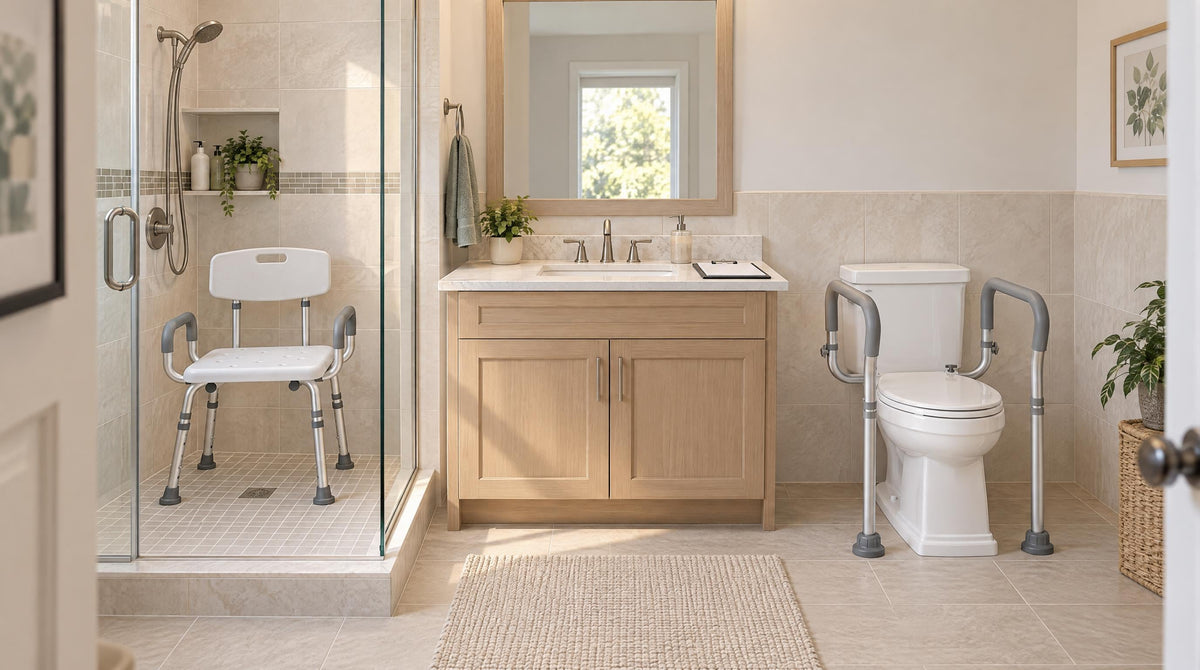
Grab bars are the single most impactful bathroom upgrade. Professionally installed near the toilet, inside the shower, and along the tub entry, they give something solid to hold during transitions. Grab bars in a bathroom are one of the CDC's recommendations for older adults, and falls in the home primarily occur in the bathroom. Look for bars rated to support at least 250 lbs and secured into wall studs, not just drywall.
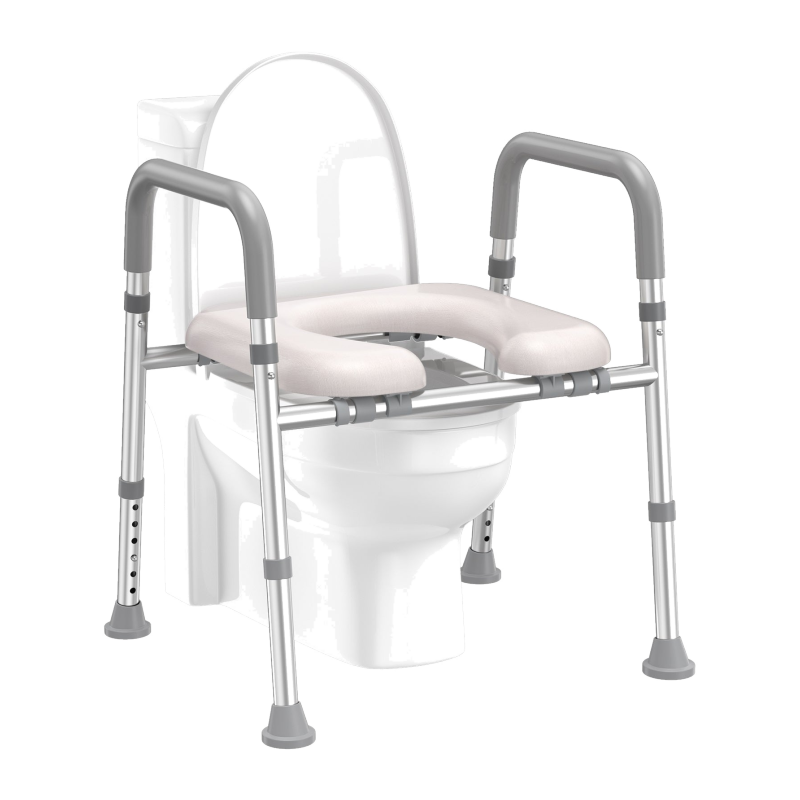
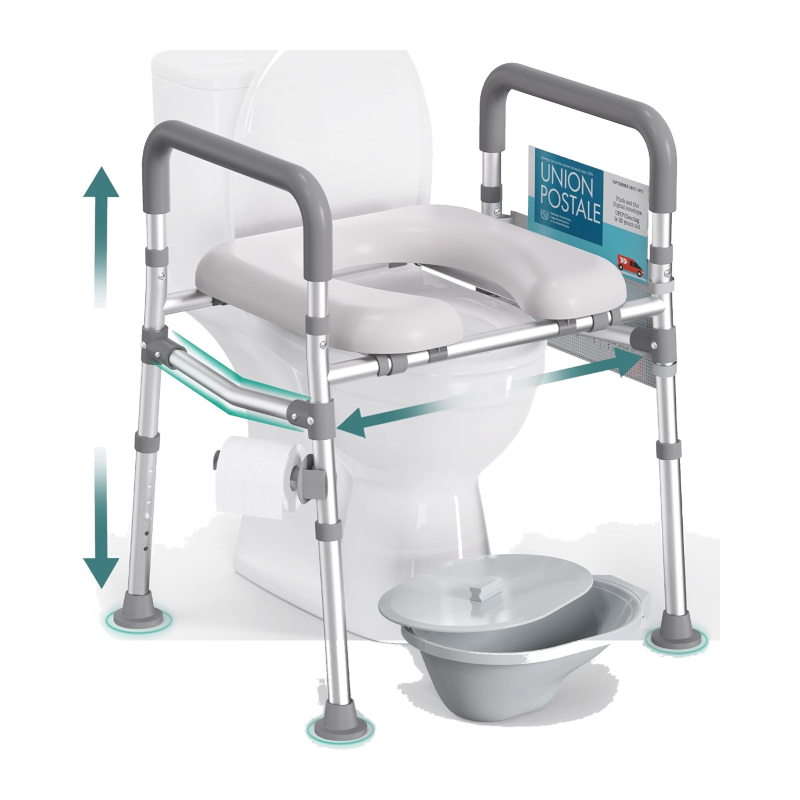
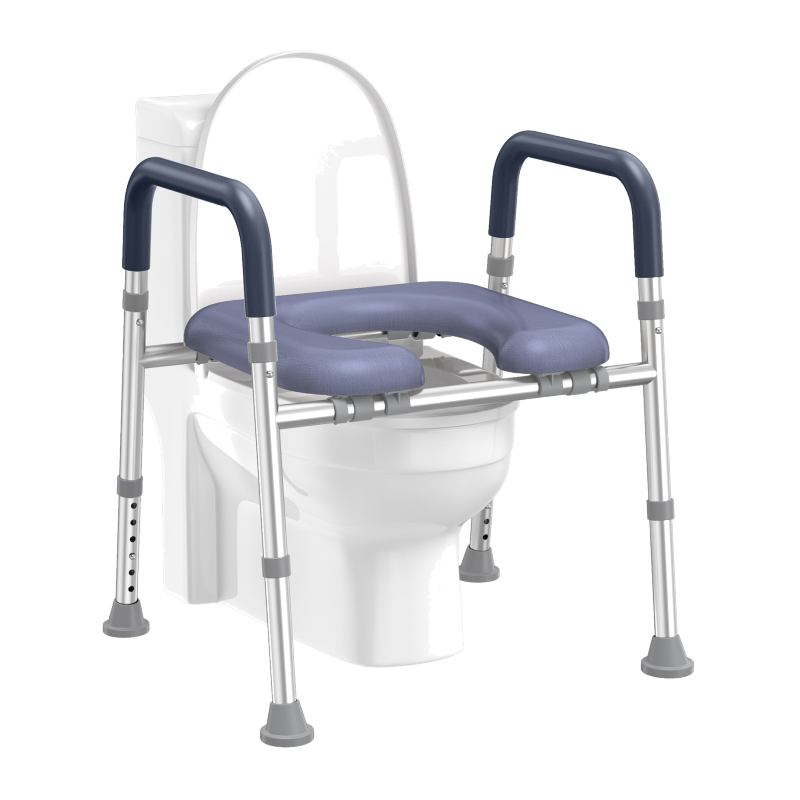
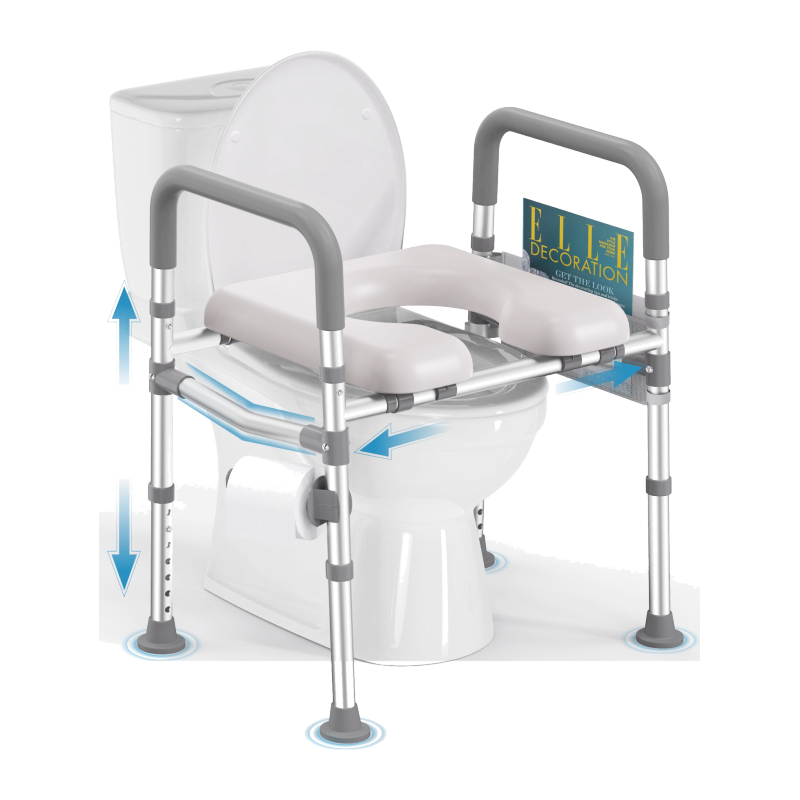
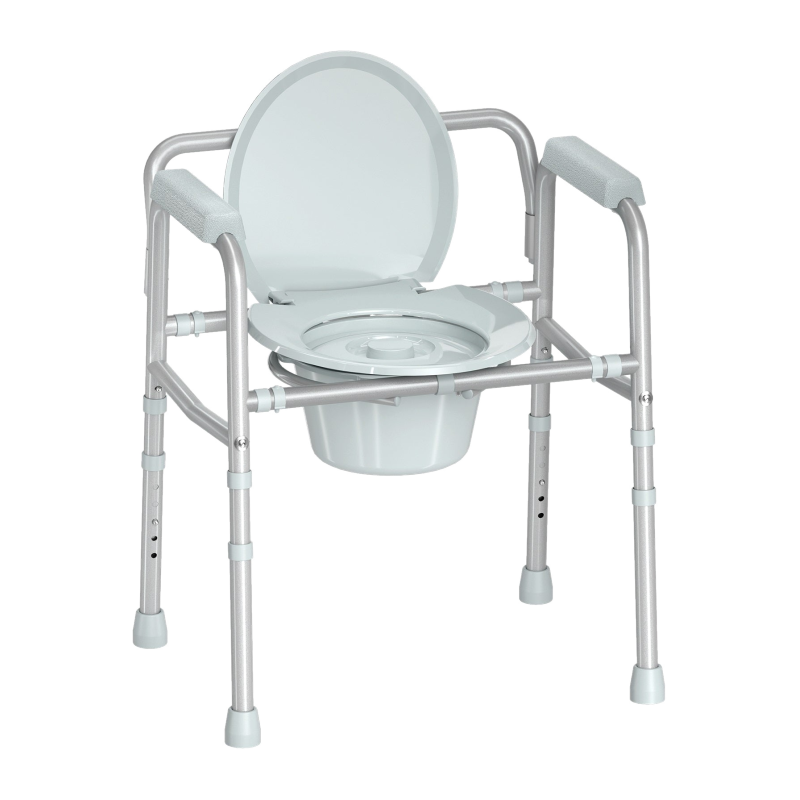
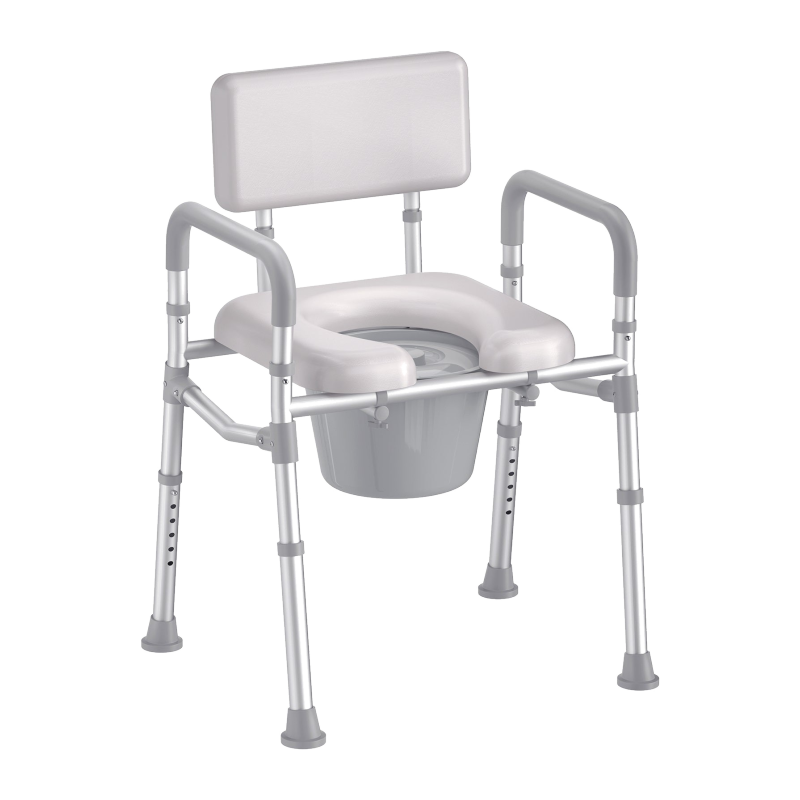
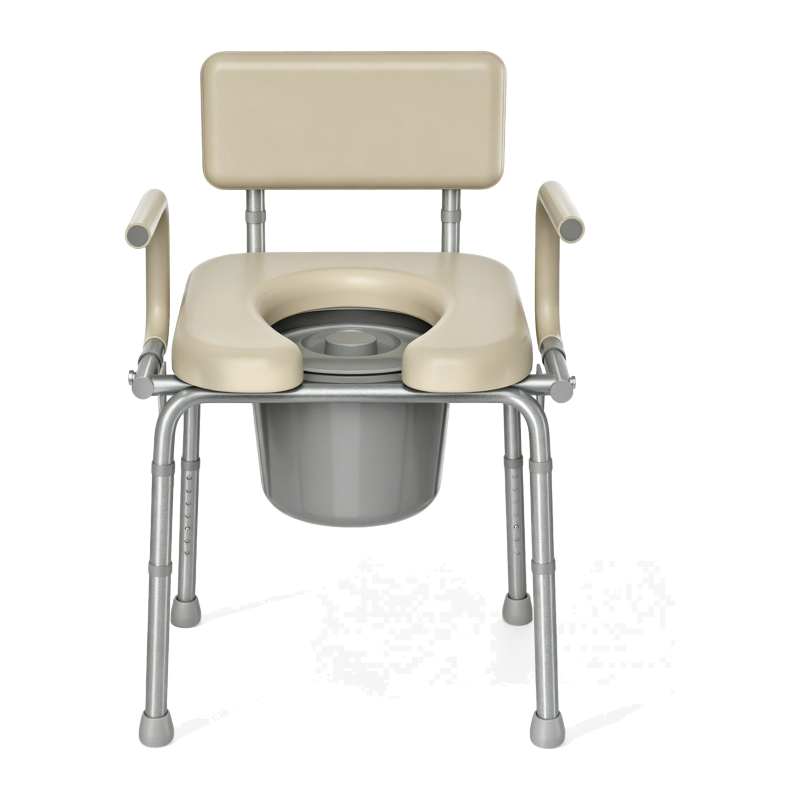
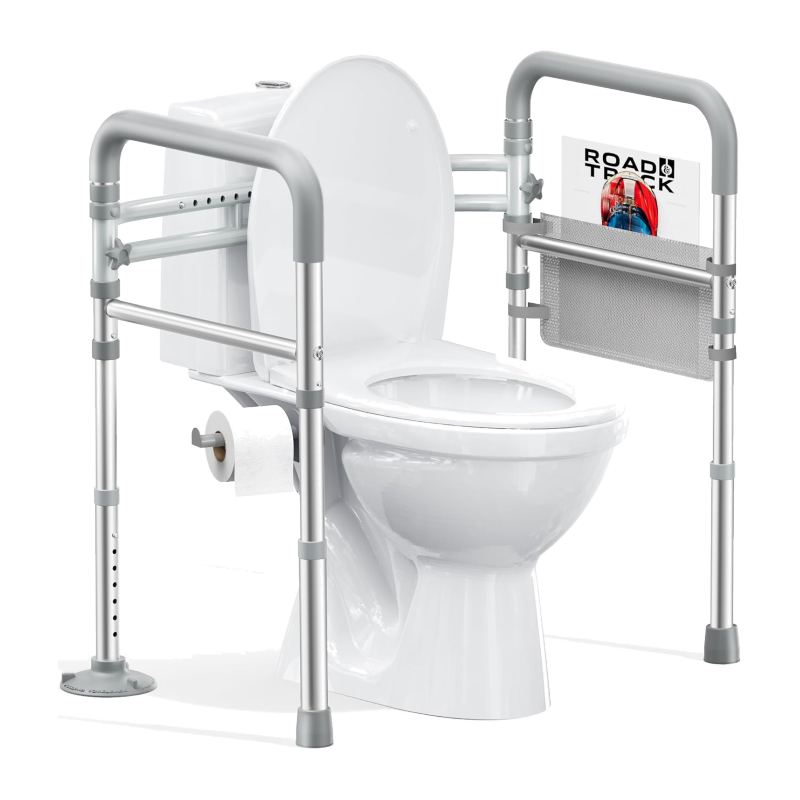
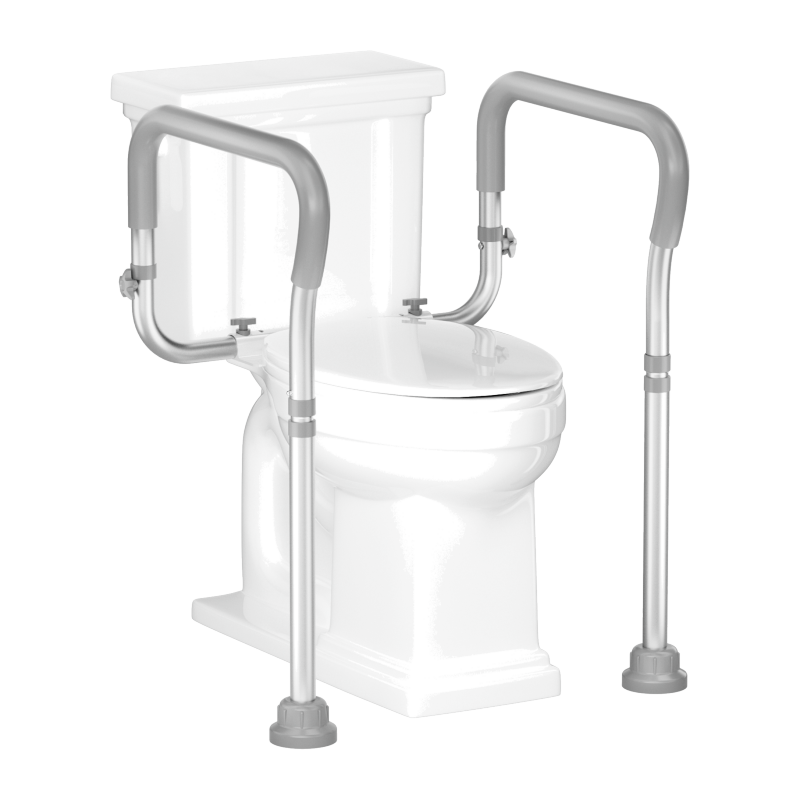
Raised toilet seats address one of the most underestimated daily challenges. Lowering down and rising up from a standard toilet height requires significant knee and hip strength — something that diminishes naturally with age. A raised toilet seat adds several inches of height, reducing the range of motion required and making each visit noticeably easier and safer. HOMLAND's Toilet Safety Rail collection also pairs rails with raised seats so users have a sturdy handhold during the sit-to-stand transition — one of the moments when falls are most likely.
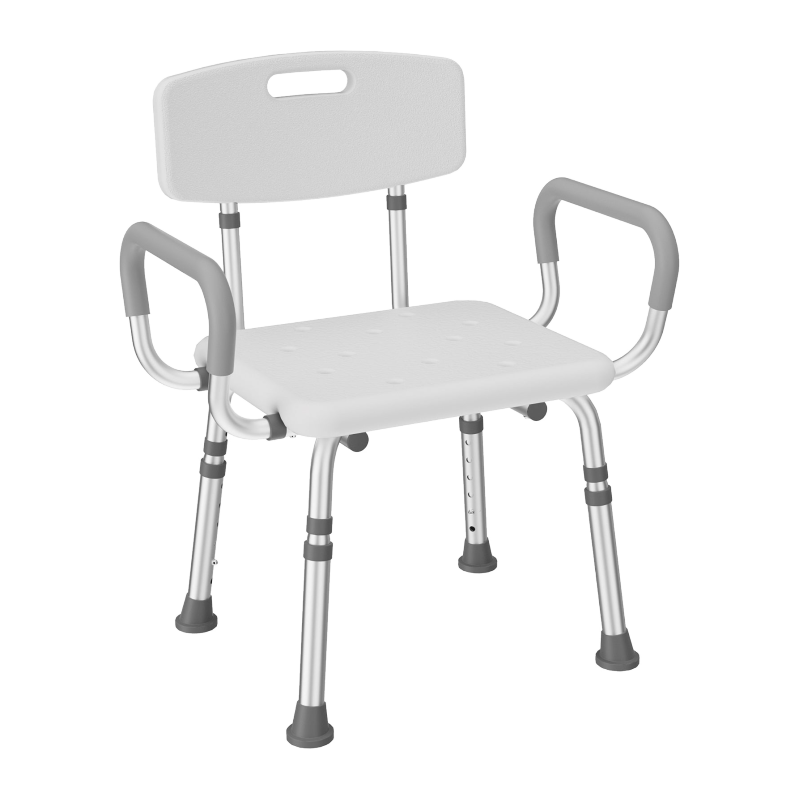
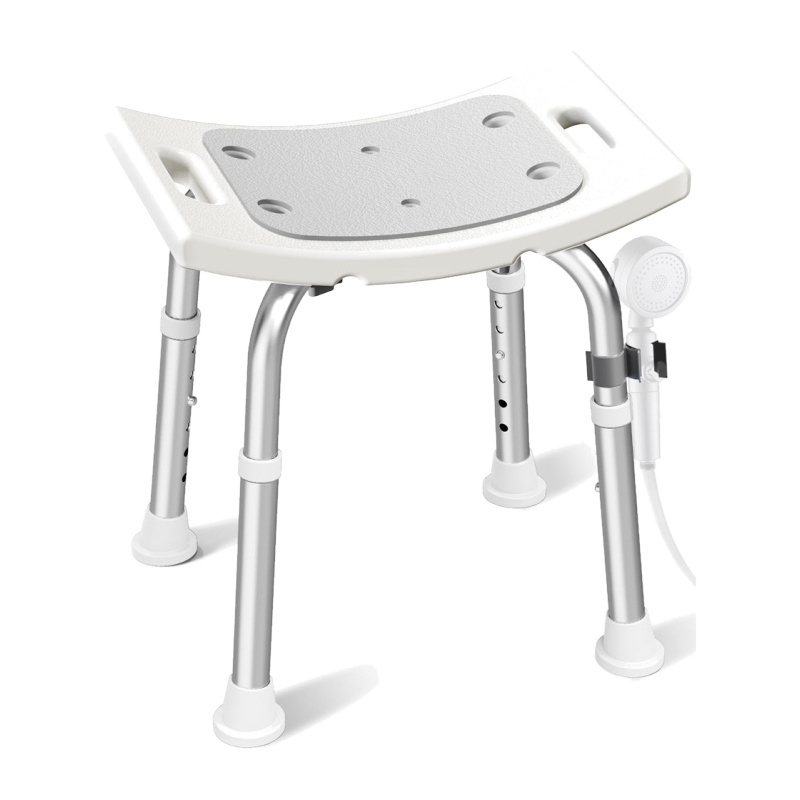
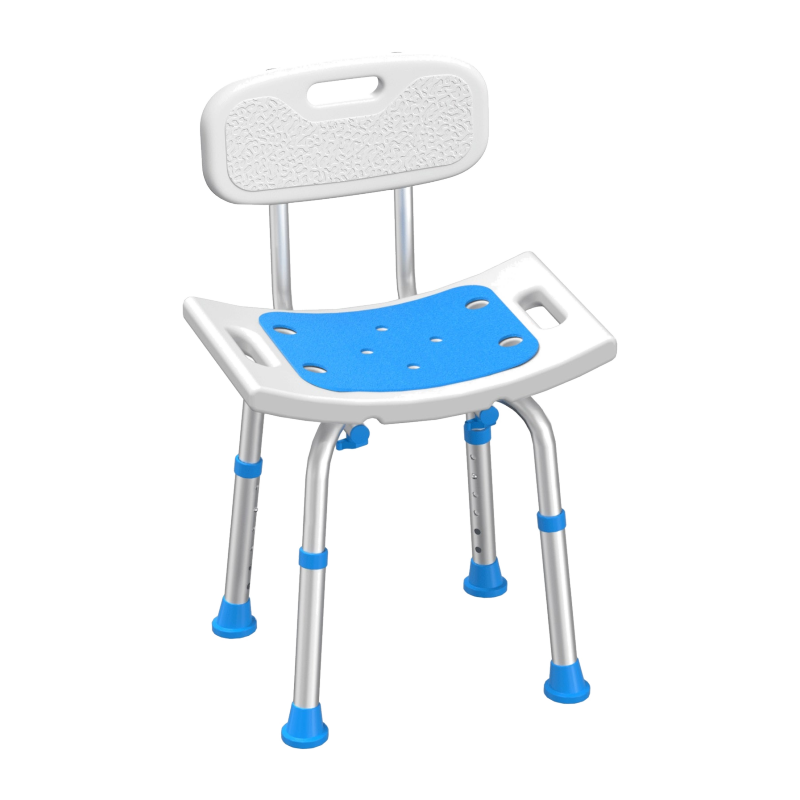
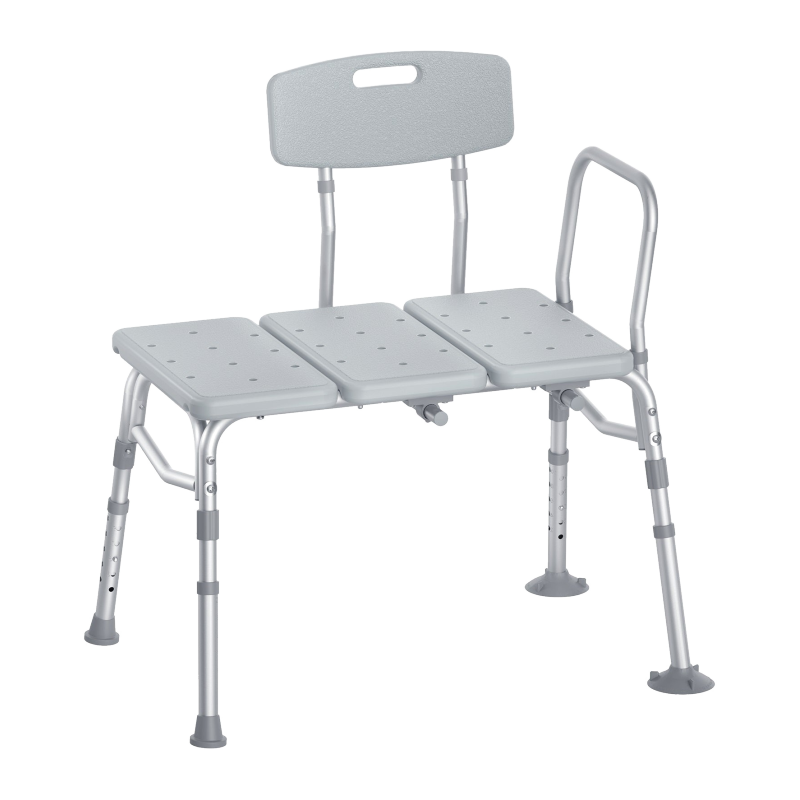
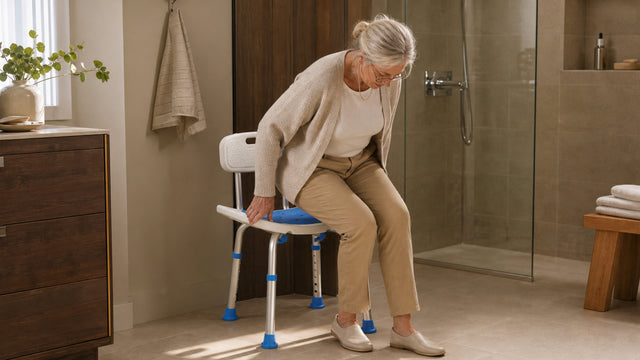
Shower chairs and transfer benches allow seated bathing, which removes the need to stand on a wet surface for the full duration of a shower. According to the CDC, more than half of bathroom injuries are directly related to using the shower and getting into or out of the bathtub. A well-designed shower chair — with non-slip feet, tool-free height adjustment, and a weight capacity that inspires real confidence — turns a high-risk moment into a comfortable routine. Physical therapists often recommend this type of seating after hip or knee surgery, when standing for extended periods is painful or unwise.
Additional bathroom modifications to consider:
- Non-slip adhesive strips or textured mats on the shower floor and just outside the tub
- A handheld showerhead on a slide bar, which allows bathing while seated
- Lever-style faucet handles instead of round knobs (easier for arthritic hands)
- A nightlight or motion-activated light for safe navigation during the night
Bedroom Modifications: Safe Starts and Ends to Every Day
The bedroom is where most people spend nearly a third of their lives, and it's also where the day begins and ends with two of the riskiest transitions: getting in and out of bed. For someone who has had hip surgery, lives with arthritis, or simply finds their balance less reliable than it used to be, those moments deserve real attention.
Bed rails give a reassuring handhold for sitting up and swinging legs over the side of the mattress. A quality bed rail fits most standard mattress depths, installs without tools, and doesn't require modifying the bed frame. For adult children worried about a parent getting up alone at night, a bedside rail offers real peace of mind — the kind that comes from knowing there's something solid to hold at 3 a.m.
For many people, the bedroom is the place they want to feel the most comfortable and safe — and one of the first modifications to consider is moving a bedroom to the main floor of the house, if possible. Eliminating a nightly trip up and down stairs removes one of the most significant fall risks in the home. If a ground-floor bedroom isn't an option, installing secure handrails on both sides of the staircase becomes even more important.
Bedroom modifications worth prioritizing:
- Bed rails or a half-rail that doesn't restrict movement but supports transitions
- A bed height adjusted so feet rest flat on the floor when seated at the edge
- A clear, wide path from bed to bathroom with no loose rugs or furniture obstacles
- Motion-activated nightlights placed low along the floor for nighttime trips
- A phone or alert device within easy reach of the bed
Living Areas and Hallways: Clearing the Path
Living rooms and hallways tend to accumulate hazards gradually — a side table nudged a bit too far into the walking path, a power cord stretched across the floor, a decorative rug that looks beautiful but has curled edges. None of these feel dangerous in isolation, but together they create an obstacle course that can be genuinely difficult to navigate safely, especially at night or when carrying something.
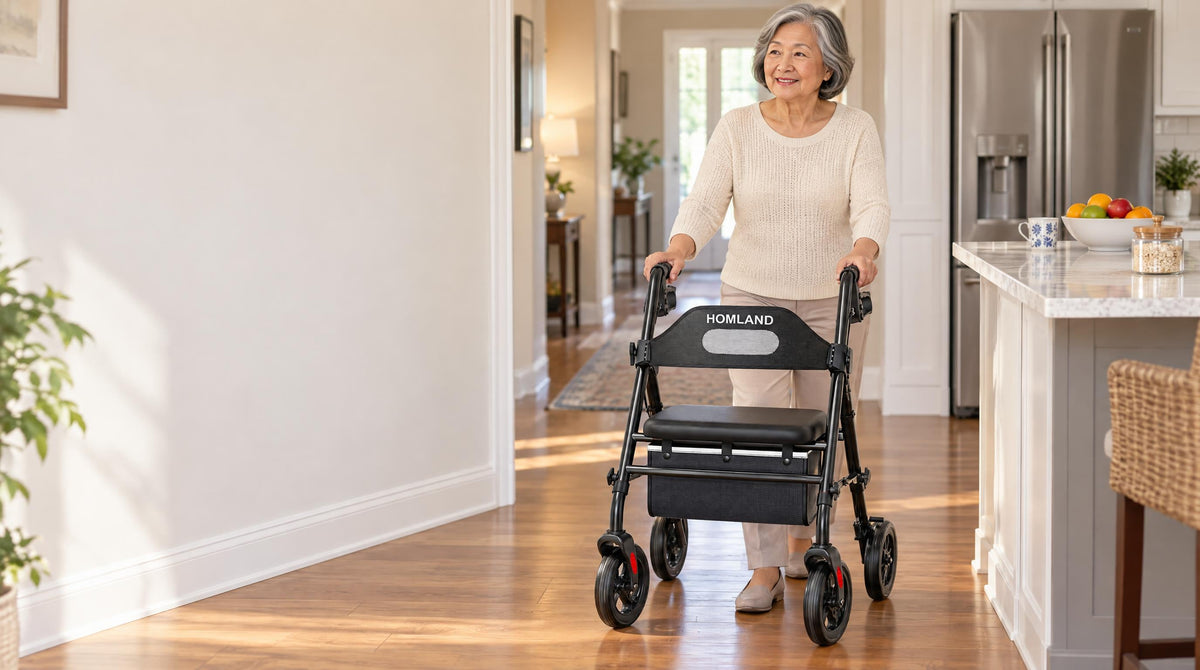
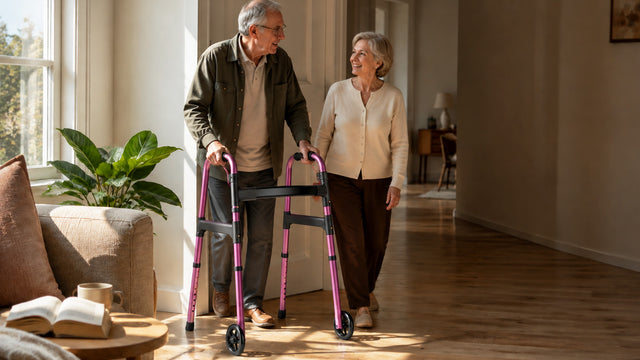
Removing clutter constitutes a no-cost yet high-impact modification. Clearing pathways minimizes tripping hazards while creating space for mobility aids. Consider rearranging furniture to create wider walkways of at least 36 inches, and remove area rugs or secure them with non-slip backing. If a rolling walker is part of the daily routine, 36 inches of clear path isn't just comfortable — it's necessary.
Hallways deserve particular attention because they're transitional spaces — people move through them quickly, often in low light, and sometimes when their attention is elsewhere. International literature recommends installing zero-step entrances, short hallways with motion-sensor lighting, removing rugs, adding grab bars or ramps, and reorganizing furnishings as effective fall-prevention interventions. Even a few strategically placed handrails along a long hallway can make a meaningful difference.
Kitchen Safety: Staying Independent at the Heart of the Home
For many older adults, the kitchen represents more than a place to cook — it's where morning routines happen, where grandchildren gather, and where a sense of self-reliance lives. Keeping it safe and accessible directly supports that independence. The kitchen is the heart of every home, but aging can make it harder to move around easily — smart kitchen updates help older adults cook and enjoy their meals safely while staying independent.
The most impactful kitchen modifications focus on reducing the need for reaching, bending, and standing for long periods. Pull-out shelves and lazy Susans bring items forward so nothing requires awkward overhead stretching. Standard knobs can be difficult for those with arthritis or reduced hand strength — D-shaped or C-shaped pull handles make cabinets and drawers much easier to open, letting users grip naturally with less stress on the joints. Anti-scald devices on faucets are also worth considering, since scald burns are a real risk for older adults, whose skin is more easily damaged by hot water.
A tall stool or perch near the counter allows someone to work while partially seated, reducing fatigue during meal prep. Good task lighting over work surfaces — bright enough to clearly distinguish the colors of ingredients and see what's on the stovetop — is just as important as any physical change to the layout.
Mobility Aids: Moving Through the Home With Confidence
Home modifications to the structure of a space can only do so much. For many older adults, a well-chosen mobility aid is the change that makes everything else work — the thing that turns a trip down the hallway from a calculated risk into a confident, easy routine. Physical therapists often describe mobility aids not as signs of decline, but as tools that preserve independence by keeping people moving safely.
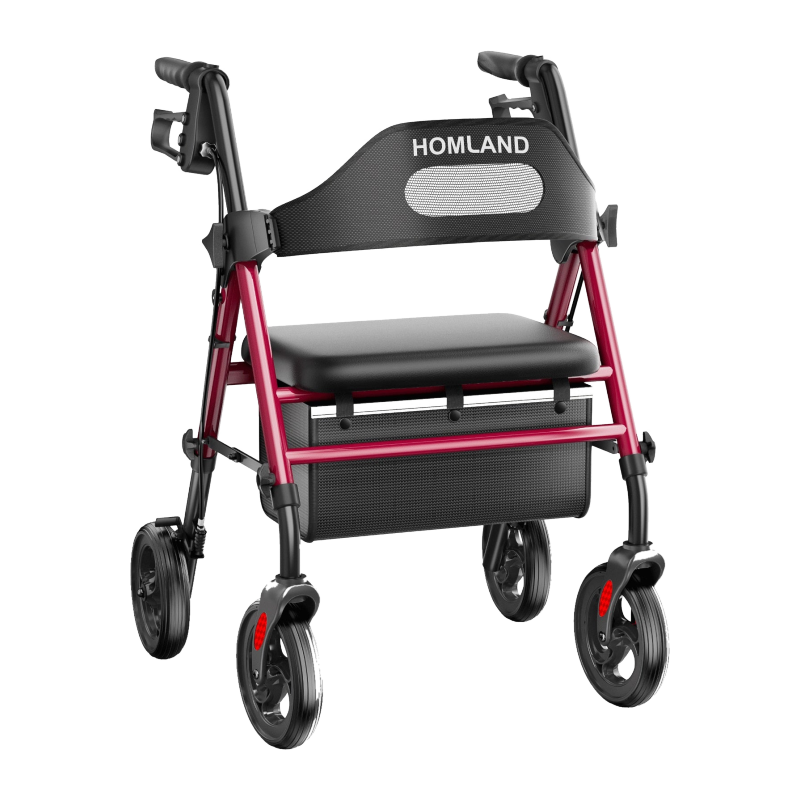
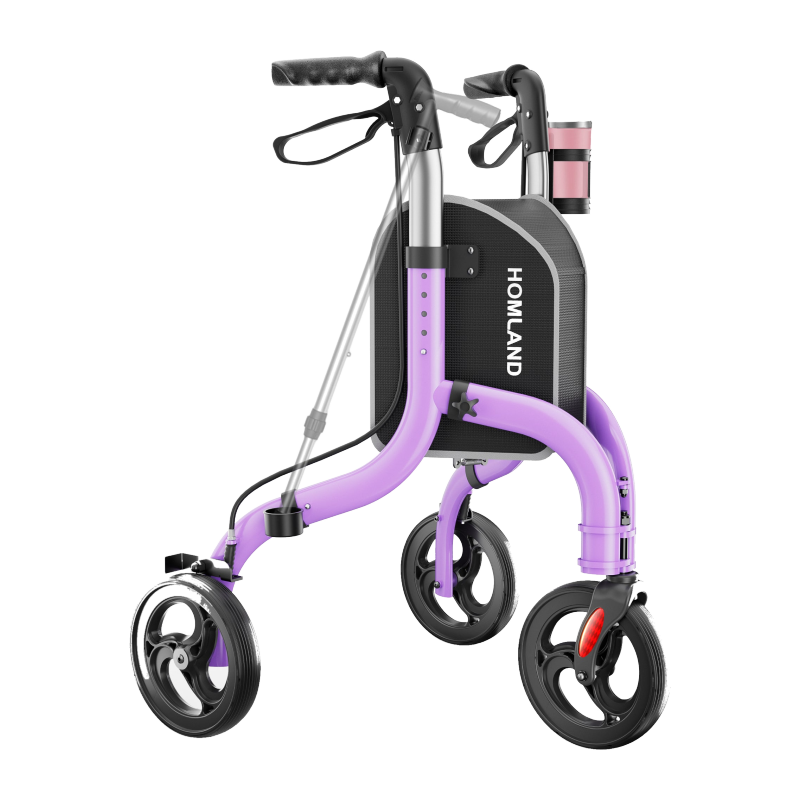
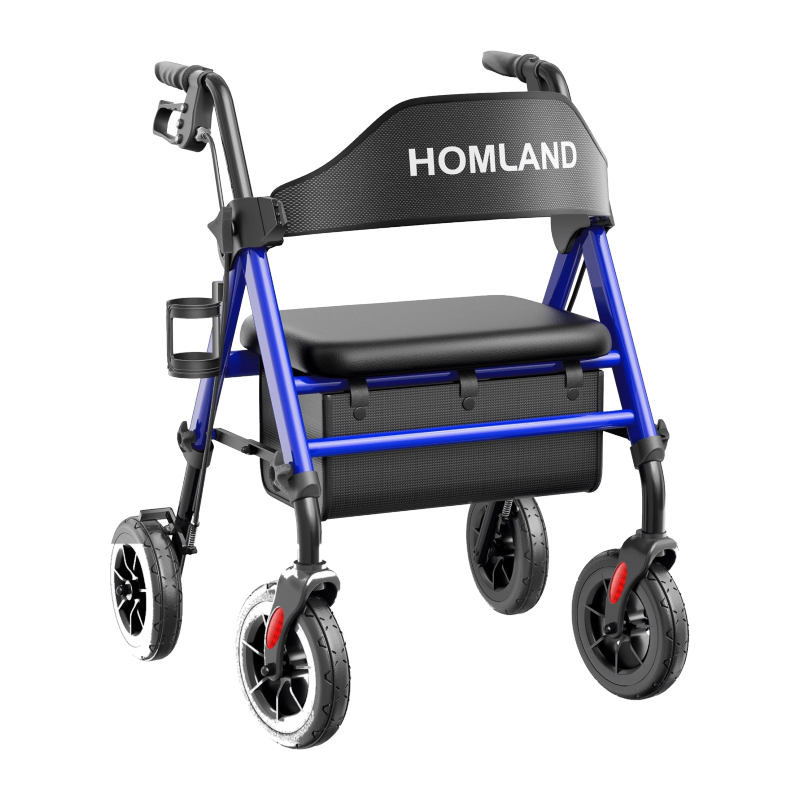
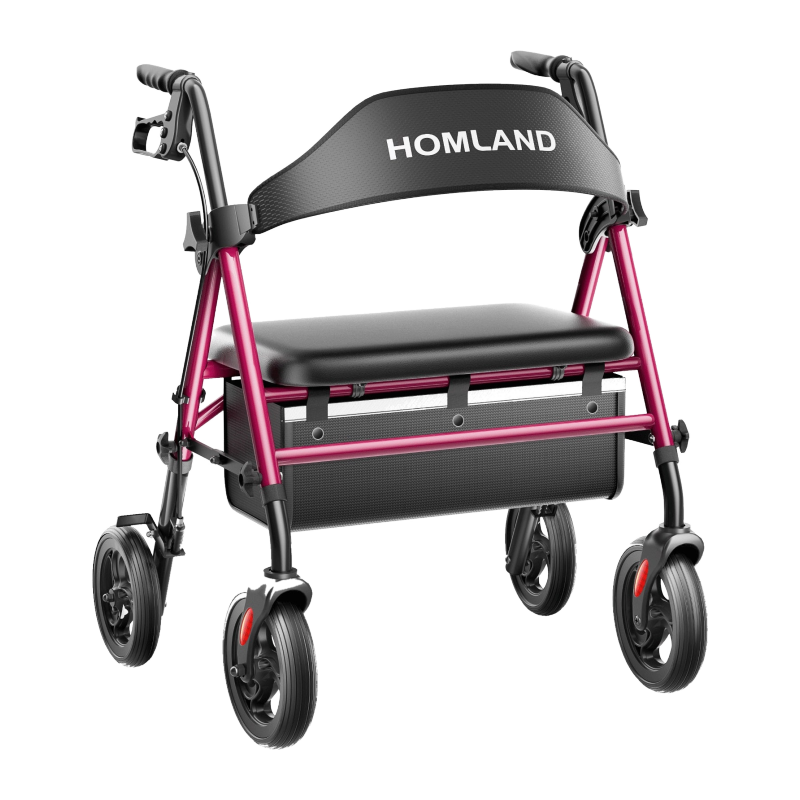
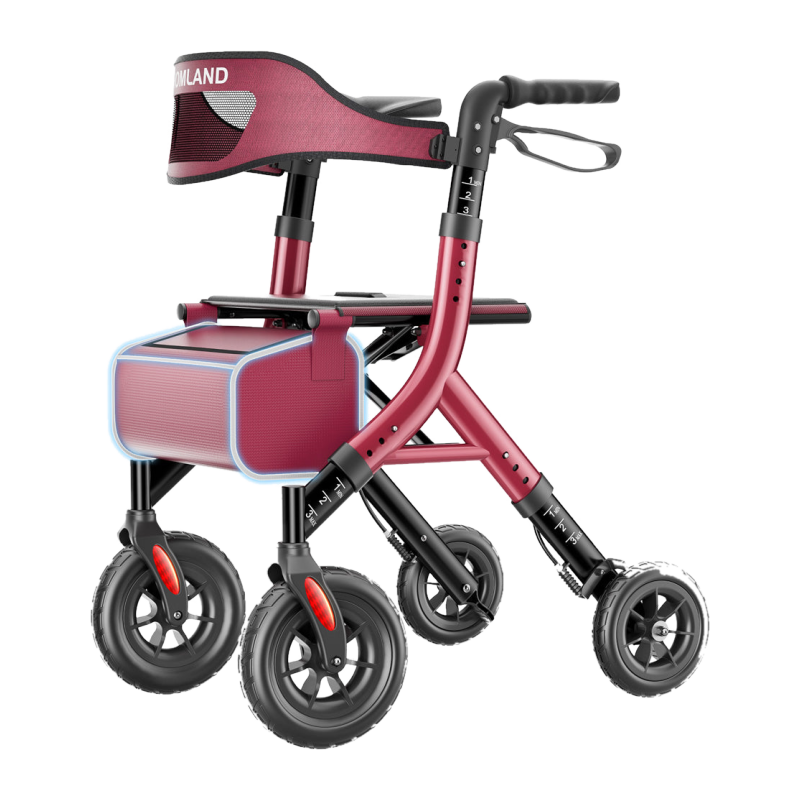
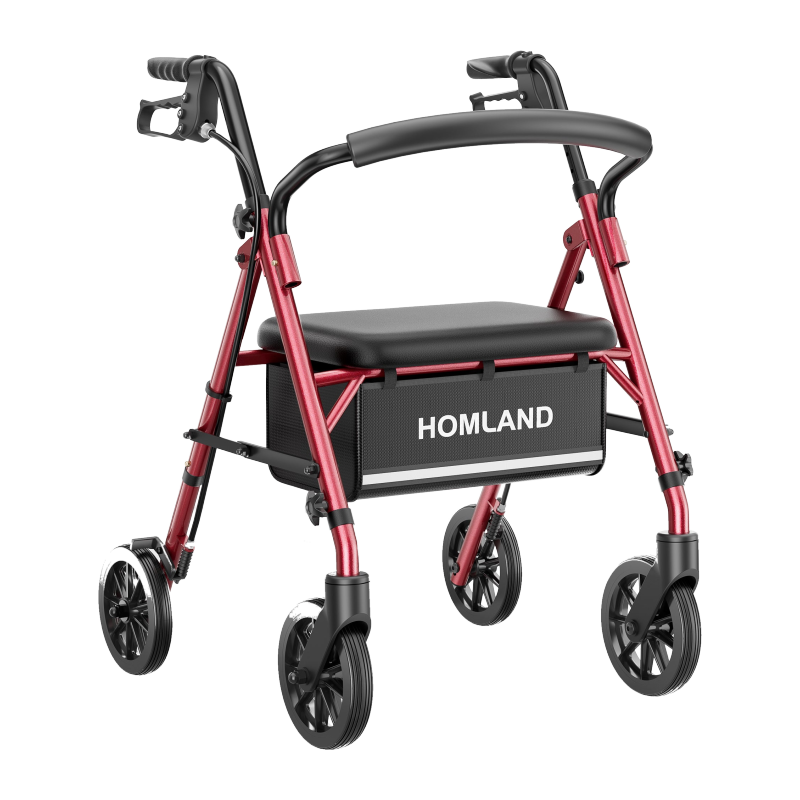
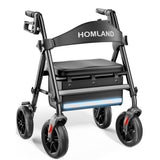
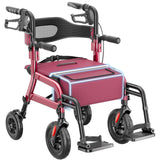
A rolling walker (rollator) is one of the most versatile tools available. Unlike a standard walker, a rollator moves with the user rather than requiring a lift-and-plant motion with every step. HOMLAND's rolling walker collection includes 3-wheel, 4-wheel, upright, and bariatric models — all with tool-free assembly and adjustable heights — so there's a configuration suited to the layout and needs of virtually any home. For someone recovering from surgery or managing a chronic condition, a rollator can be the difference between navigating a home independently and needing assistance for every room-to-room trip.
A standard walker offers maximum stability for those who need more solid, four-point contact with the floor. HOMLAND's standard walker lineup is built to support demanding daily use with straightforward height adjustment and a sturdy frame. For anyone returning home after a hospital stay or orthopedic procedure, having the right walker in place before discharge can make the first days home dramatically safer and more comfortable.
For those recovering from a foot or lower-leg injury, a knee scooter offers a hands-free alternative to crutches, keeping weight off the injured limb while allowing real freedom of movement around the home. These are especially popular after foot surgeries and ankle fractures, where months of non-weight-bearing recovery can otherwise make even a short walk to the kitchen feel difficult.
All HOMLAND mobility products are FSA/HSA eligible, backed by a 1-year manufacturer warranty plus a 1-year extended warranty, and ship from a US local warehouse so delivery is fast when it matters most. They're also authorized by licensed Doctors of Physical Therapy — which means the design decisions behind each product reflect how people actually move and recover, not just how equipment looks on a spec sheet.
Lighting and Flooring: Two Low-Cost, High-Impact Changes
One of the most overlooked home modifications is lighting upgrades. An American Family Physician study finds that about a third of seniors over 65 have reduced vision, and dim, outdated lighting can worsen the problem. The fix doesn't have to be expensive. Replacing incandescent bulbs with brighter LEDs, adding plug-in nightlights along the path from bedroom to bathroom, and installing motion-activated lights in hallways are all changes that cost under $50 and take minutes to implement.
Motion-activated lights between bedrooms and bathrooms help guide nighttime trips — these automatic fixtures make it easy to see without fumbling for switches in darkness, and they switch off automatically once the area is empty. For someone who gets up multiple times a night, that automatic illumination removes a significant hazard without any effort from the user.
Flooring choices matter too, particularly in high-traffic areas. Older homes may have cracked tiles, curled carpet edges, or other flooring hazards that make them unsafe for older adults. To reduce the risk of falls, low-impact flooring that absorbs more energy than standard materials is worth considering — rubber and cork are good choices, as they're soft and slip-resistant. Where full replacement isn't practical, securing any loose edges with carpet tape and removing throw rugs entirely (or replacing them with rugs that have non-slip backing) addresses the most common flooring hazards at minimal cost.
Paying for Modifications: What You Need to Know
Cost is a real consideration for many families, and it helps to know that the range of options is wide. Many of the most effective changes — removing rugs, repositioning furniture, adding nightlights — cost nothing at all. Grab bars, shower chairs, raised toilet seats, bed rails, and walkers are relatively affordable purchases, and many qualify for reimbursement through FSA and HSA accounts, which means pre-tax dollars can cover them.
For larger structural changes, federal, state, and nonprofit programs can help offset costs, and some health-related upgrades qualify for rebates or coverage that reduces out-of-pocket expenses.Some Medicare Advantage Plans come with extra benefits that may include coverage for walk-in showers, medical alert systems, and devices used to help seniors complete daily activities. Contacting your local Area Agency on Aging is a good starting point for identifying programs available in your area.
Where to Start: A Simple Priority Framework
It can feel overwhelming to look at the whole list of possible changes at once. The most practical approach is to think in three tiers: what you can do today, what you can add in the next few weeks, and what to plan for over the coming months. Most families find that working through the bathroom first — since it carries the highest fall risk — provides the quickest, most meaningful improvement.
Here's a simple way to sequence your efforts:
- This week (free or low cost): Remove throw rugs, clear furniture from walking paths, add plug-in nightlights between bedroom and bathroom, move frequently used items to reachable shelves.
- This month (small purchases): Install grab bars near the toilet and in the shower, add a raised toilet seat or toilet safety rail, place non-slip mats in the bathroom, install a bed rail for nighttime transitions.
- Next few months (larger investments): Assess the need for a rollator or standard walker, consider a shower chair or transfer bench for safer bathing, evaluate stairway handrails, and look into smart lighting or a medical alert system.
Physical therapists often recommend starting with a home safety consultation — someone trained in movement and mobility can spot hazards that aren't obvious to the eye and suggest modifications matched to the individual's specific strengths and limitations. The goal isn't a perfect home. It's a home that keeps someone doing what they love, on their own terms, for as long as possible.
Home, Not Hospital: The Right Changes Make All the Difference
The most important thing to understand about home modifications is that they aren't about giving something up — they're about holding onto what matters most. Staying home. Cooking your own meals. Getting up at night without waking anyone. Showering without worry. Home safety modifications do more than prevent accidents — they empower seniors to live with dignity and independence. That's the whole point.
Some of the changes in this guide require a contractor. Many don't. But all of them share a common purpose: making the familiar feel safe again, so the home remains a place of comfort rather than caution. Whether you're making these decisions for yourself or helping a parent plan ahead, the best time to start is before something goes wrong — not after.
HOMLAND products are designed with exactly this philosophy in mind. Every shower chair, toilet safety rail, bed rail, and walker in the HOMLAND lineup is built for real people living real lives at home — not for clinical settings. Tool-free assembly, adjustable heights, and heavy-duty load capacities mean each product works the way you need it to, right out of the box. And with FSA/HSA eligibility, a 1-year manufacturer warranty plus 1-year extended warranty, and fast delivery from US local warehouses, getting the right equipment in place doesn't have to be complicated.
Ready to Make Your Home Safer?
Not sure which products are right for your situation? The HOMLAND team is here to help you find the best fit — whether it's a shower chair, a toilet safety rail, a bed rail, or a rolling walker. Our products are authorized by licensed Doctors of Physical Therapy, FSA/HSA eligible, and backed by a 2-year total warranty.