
For most seniors, home is far more than four walls. It is independence, routine, and the freedom to move through the day on their own terms. But as physical needs change with age, the same familiar spaces can quietly become more hazardous — a slippery bathroom floor, a poorly lit hallway, or a bed that's too low to rise from safely.
According to the CDC, falls are the leading cause of injury among adults 65 and older, and the majority happen at home. The encouraging news is that most fall risks are preventable with a thoughtful, room-by-room home safety assessment. You don't need a professional to get started. You just need a clear process, an honest eye, and the willingness to make a few practical changes.
This step-by-step walkthrough will guide you — or your family member — through every key area of the home, highlight what to look for, and show you which tools and support products physical therapists often recommend to close the gaps. Whether you are a senior taking stock of your own space or an adult child doing this for a parent, this guide is built for both of you.
Why a Home Safety Assessment Matters
A home safety assessment is simply a structured walk-through of your living space designed to spot hazards before they cause harm. Think of it as a wellness check for your home rather than for your body. The goal isn't to transform your space into something clinical — it's the opposite. It's about keeping your home feeling like home while quietly removing the small risks that accumulate over time.
Physical therapists often point out that most home hazards are not dramatic. They're mundane: a loose rug at the base of the stairs, a light switch that's hard to reach in the dark, a bathtub with nothing solid to hold onto. These things go unnoticed until they become a problem. A proactive assessment puts you ahead of that moment and gives both seniors and their families genuine peace of mind.
When to Do a Home Safety Assessment
There's no single right moment, but several situations make an assessment especially timely. A good rule of thumb: if anything significant has changed — in the person or in the home — it's time for a fresh look.
- After a fall, surgery, or hospital stay
- When a new diagnosis affects balance, vision, or mobility
- When a senior moves into a new home or apartment
- At the start of each year, as a routine check-in
- Whenever a family member notices the senior moving more cautiously than before
Doing the assessment alongside the senior — rather than for them — keeps them involved and respects their knowledge of their own space and needs. They may flag risks you would never notice as a visitor.
Step 1: Start in the Bathroom
The bathroom is statistically the highest-risk room in the home for seniors, and it deserves the most thorough attention. Wet surfaces, hard edges, and the need to shift weight in awkward positions create a challenging environment — especially first thing in the morning or late at night.
What to look for in the bathroom:
- Slippery tub or shower floor with no non-slip mat or grip strips
- No grab bars near the toilet or inside the shower
- Toilet height that makes sitting down or standing up a strain
- No place to sit while bathing or showering
- Soap, shampoo, or towels stored in hard-to-reach spots that require stretching
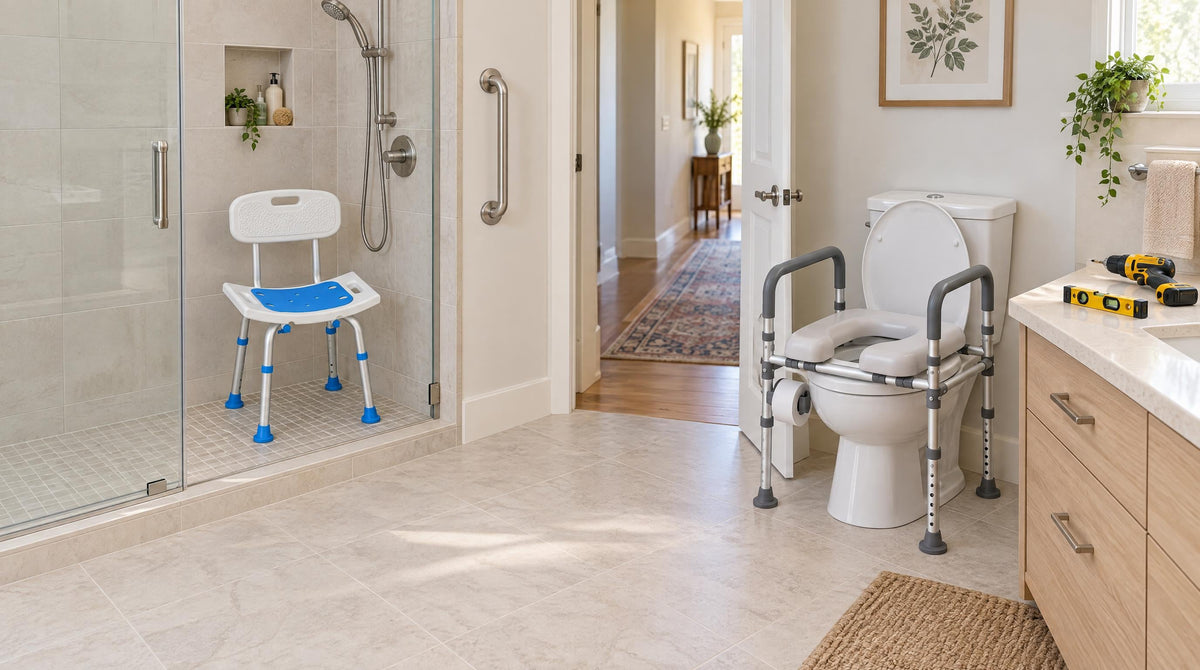
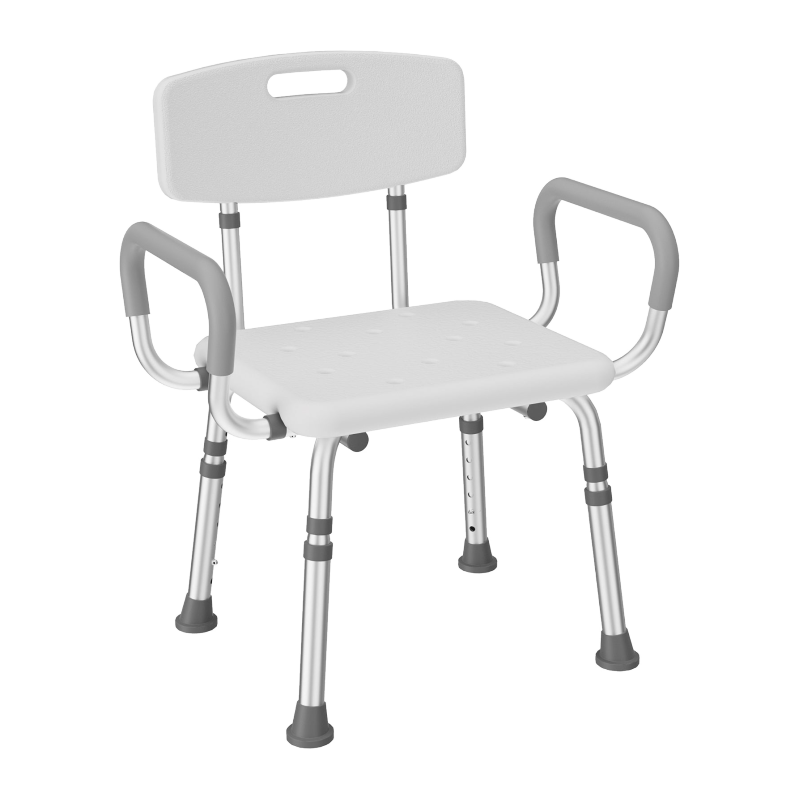
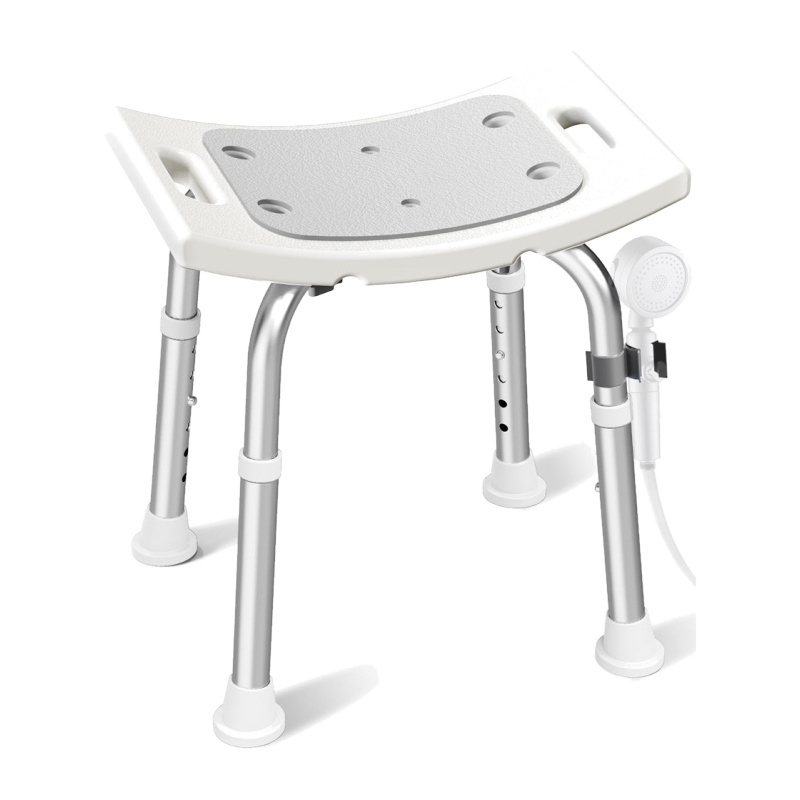
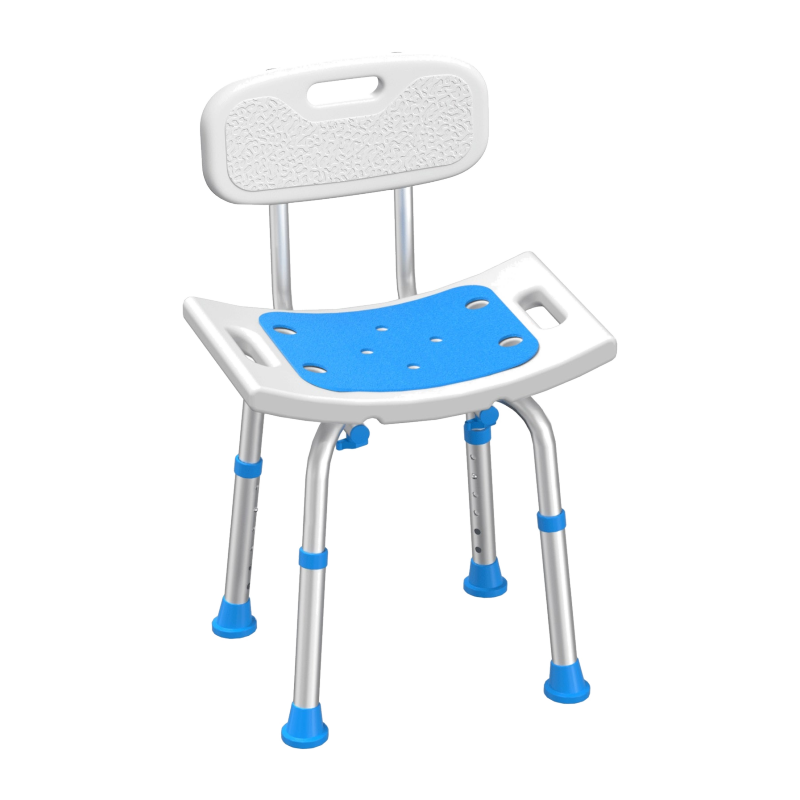
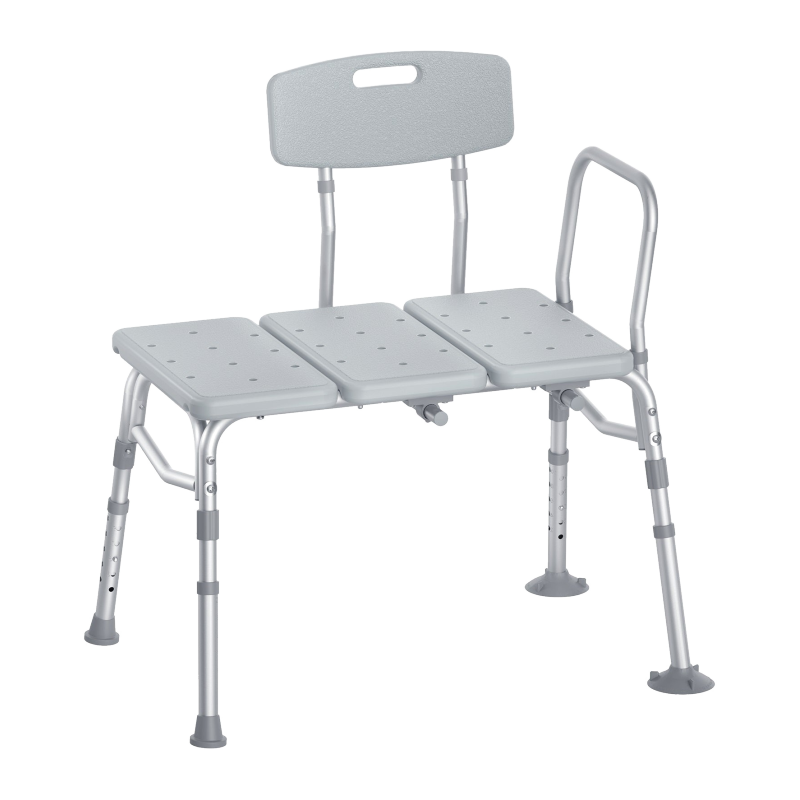
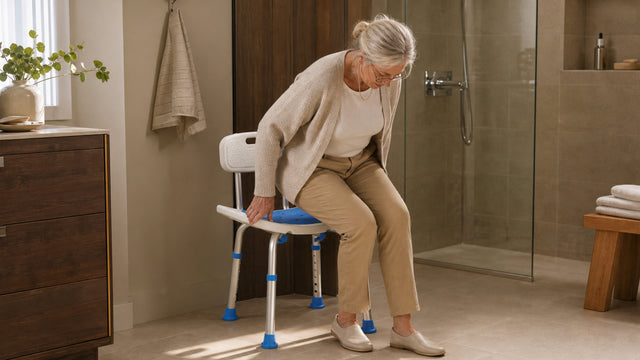
A shower chair is one of the most practical additions a senior can make. Rather than standing on a wet surface, you sit securely and bathe with full control. Physical therapists often recommend them for anyone recovering from surgery or managing balance challenges. HOMLAND's shower chair collection includes height-adjustable, tool-free options built to support users with confidence rather than compromise.
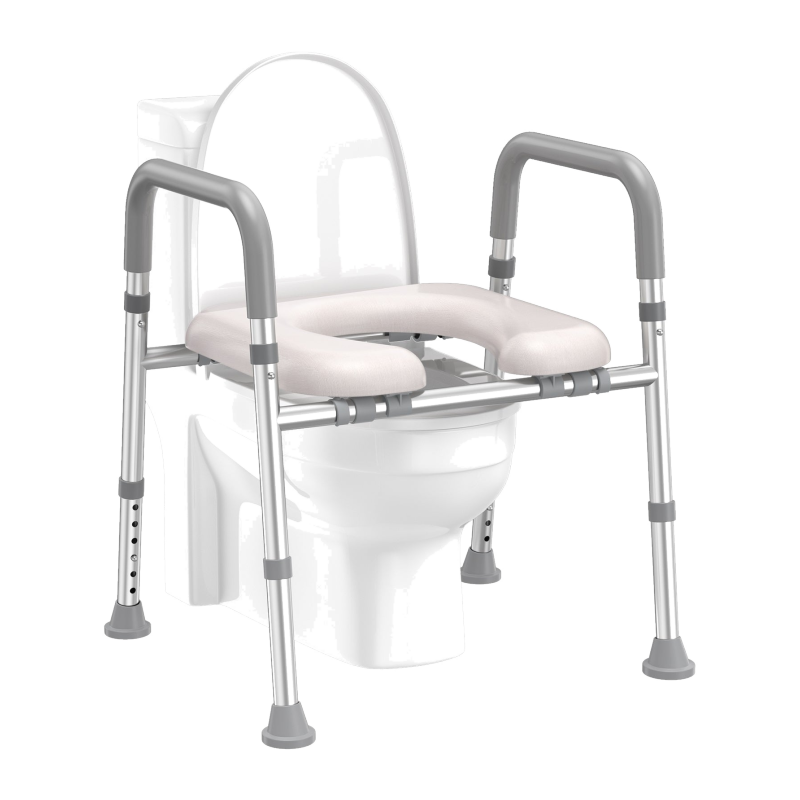
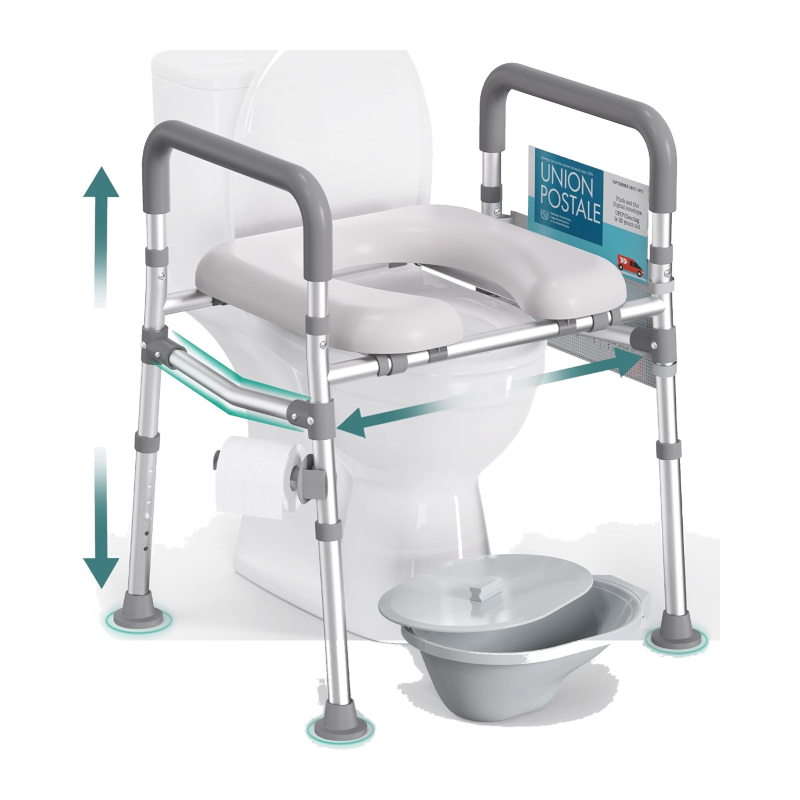
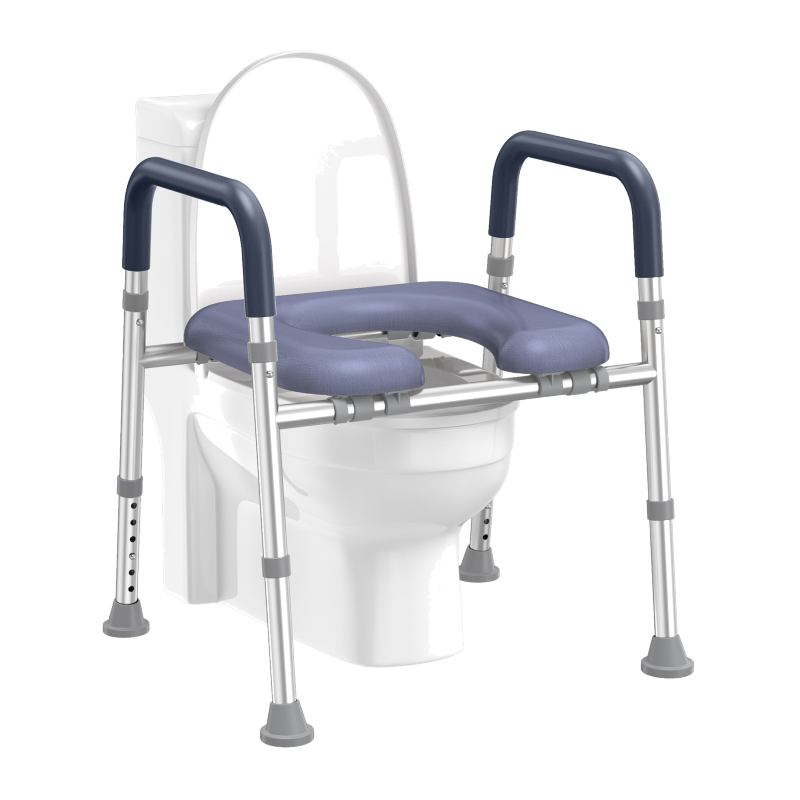
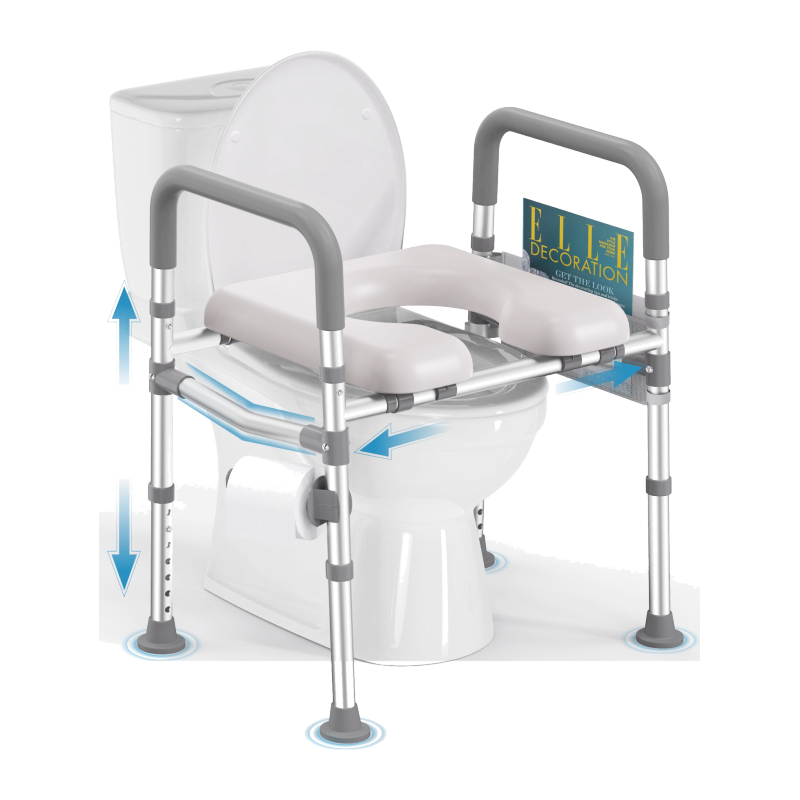
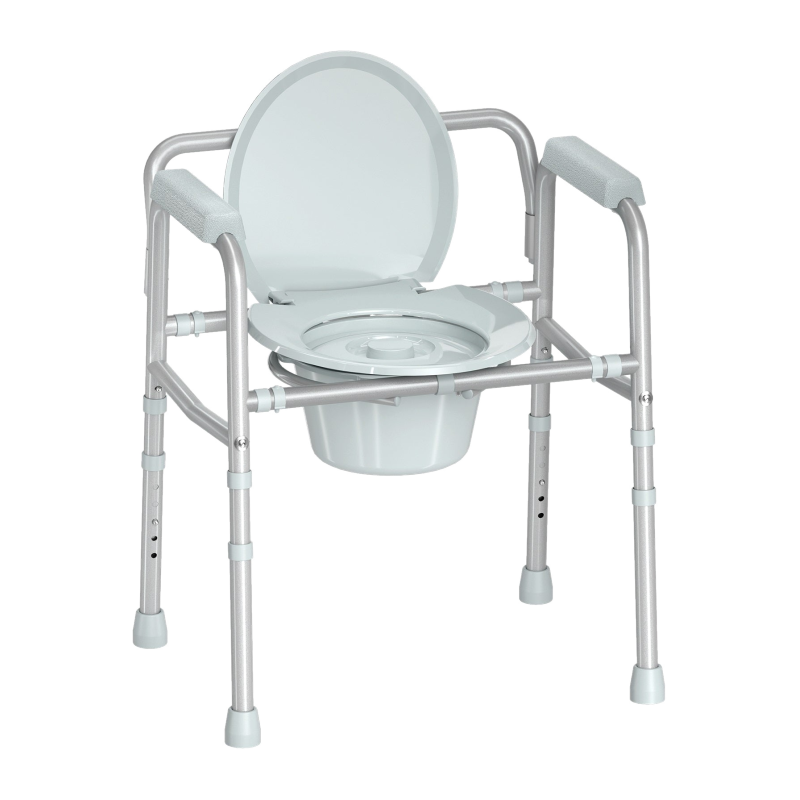
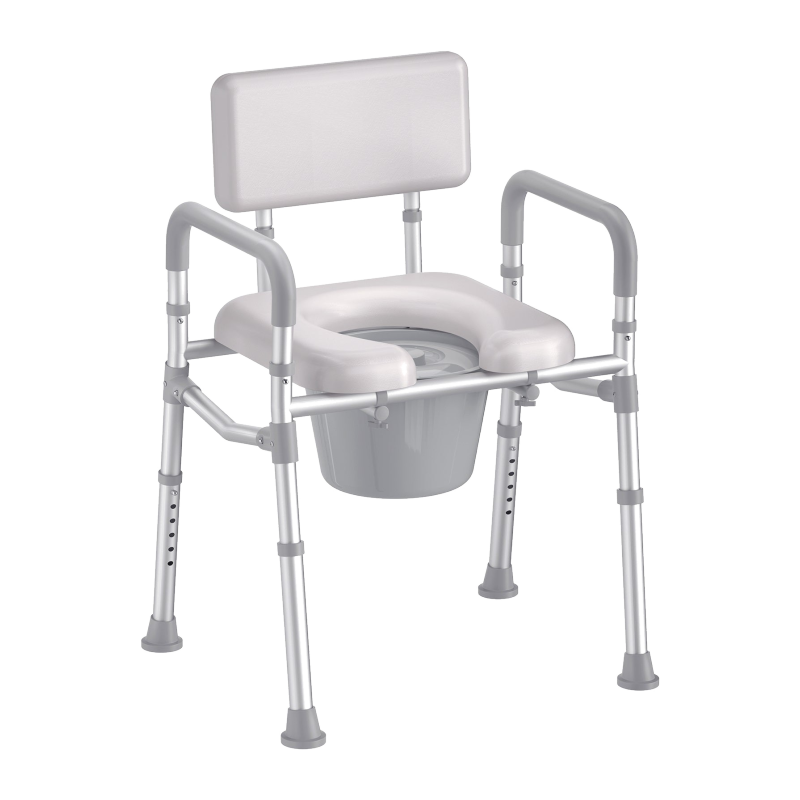
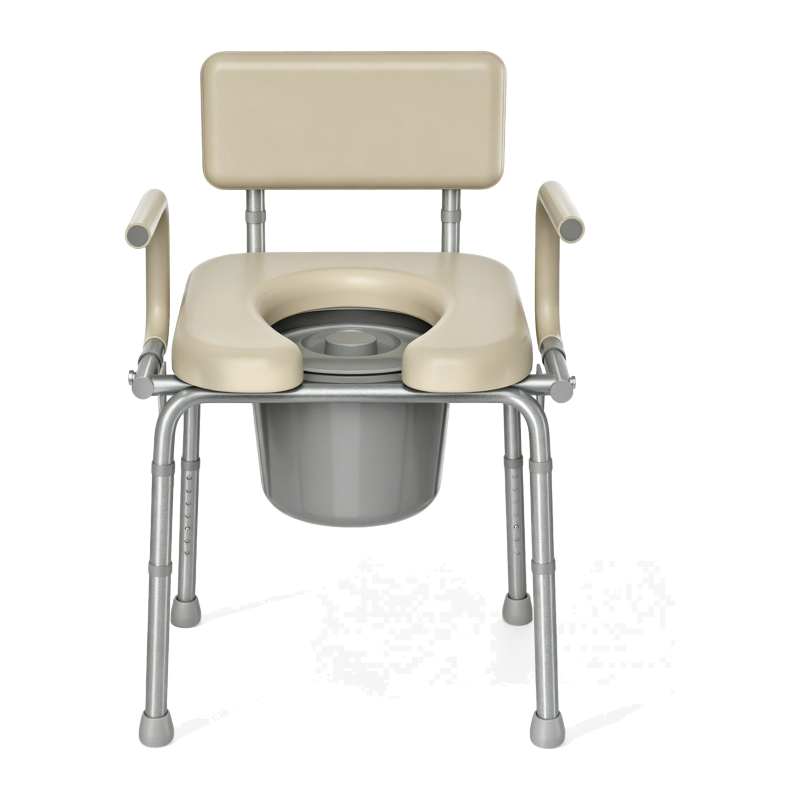
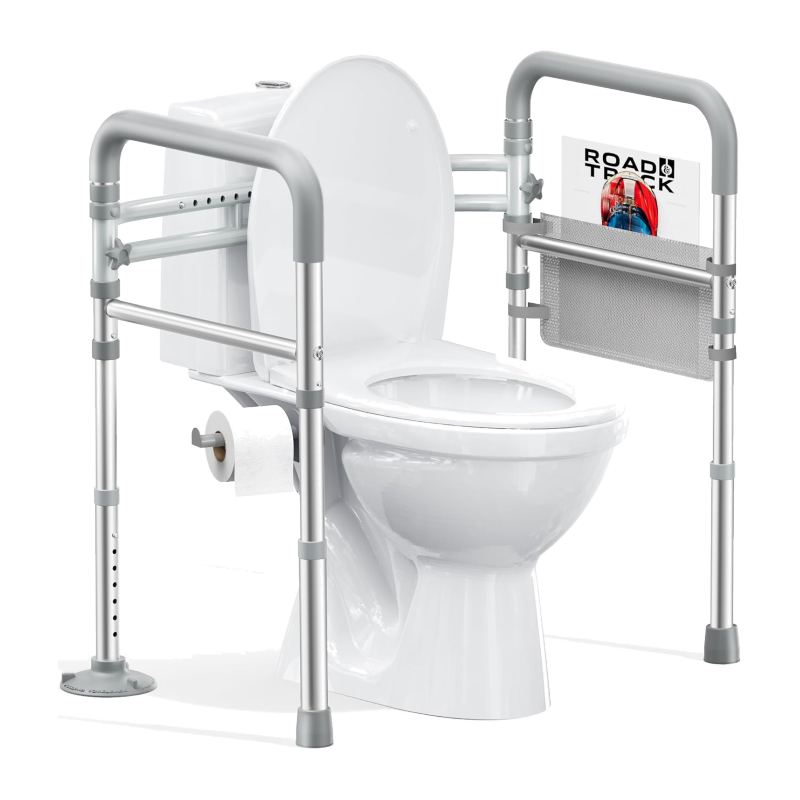
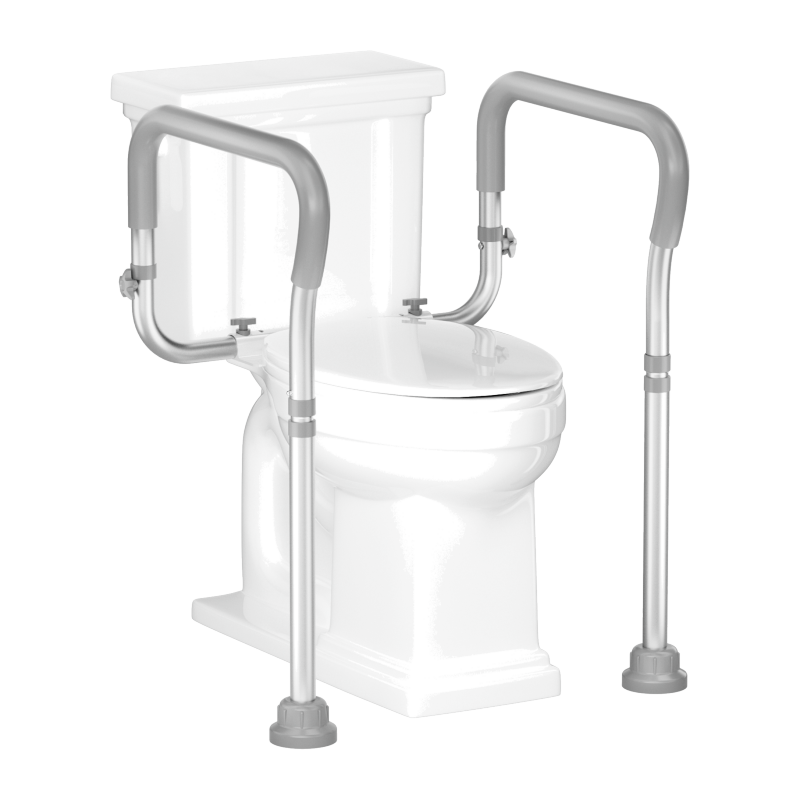
For the toilet area, a raised toilet seat reduces the distance you need to lower and raise yourself, which matters enormously for anyone with hip, knee, or lower back issues. Pair it with a toilet safety rail that gives you a solid grip point on both sides, and that daily routine becomes significantly easier and safer.
Step 2: Move to the Bedroom
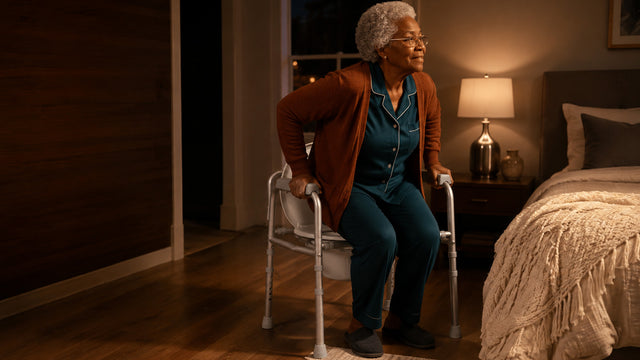
The bedroom presents its own set of risks, particularly during the night when lighting is low and the body is transitioning from sleep to wakefulness. Getting in and out of bed is a movement that requires balance and leg strength — and it's one of the most common moments when seniors experience a fall or a sudden sense of instability.
What to look for in the bedroom:
- Bed height that makes standing up from a seated position difficult
- No support rail or handhold near the bedside
- Rugs or clutter between the bed and the bathroom that create trip hazards at night
- A phone or call device out of reach from the bed
- Poor lighting between the bed and the door
A bed rail gives seniors a stable anchor point when shifting position, sitting up, or swinging their legs to the floor. Rather than waking a partner or calling for help, they can manage the transition independently. HOMLAND's bed rails collection is designed for home use — sturdy enough to rely on, simple enough to install without tools, and proportioned to fit naturally beside any standard bed frame.
Step 3: Walk Through Living Areas and Hallways
Living rooms and hallways tend to accumulate clutter gradually — a magazine stack here, an extension cord there, a decorative rug that slowly starts to curl at the corners. These are easy to overlook because they blend into the background of everyday life. For someone with a wider walker or slightly reduced peripheral vision, they become genuine obstacles.
What to check in living areas and hallways:
- Loose or curling area rugs — remove them or secure with non-slip backing and double-sided tape
- Cords from lamps, TVs, or chargers crossing walkways
- Furniture that is too low (soft sofas can be hard to rise from) or too close together to navigate comfortably
- Narrow hallways that may not accommodate a walker or rollator with ease
- Handrails in hallways or along longer interior passages
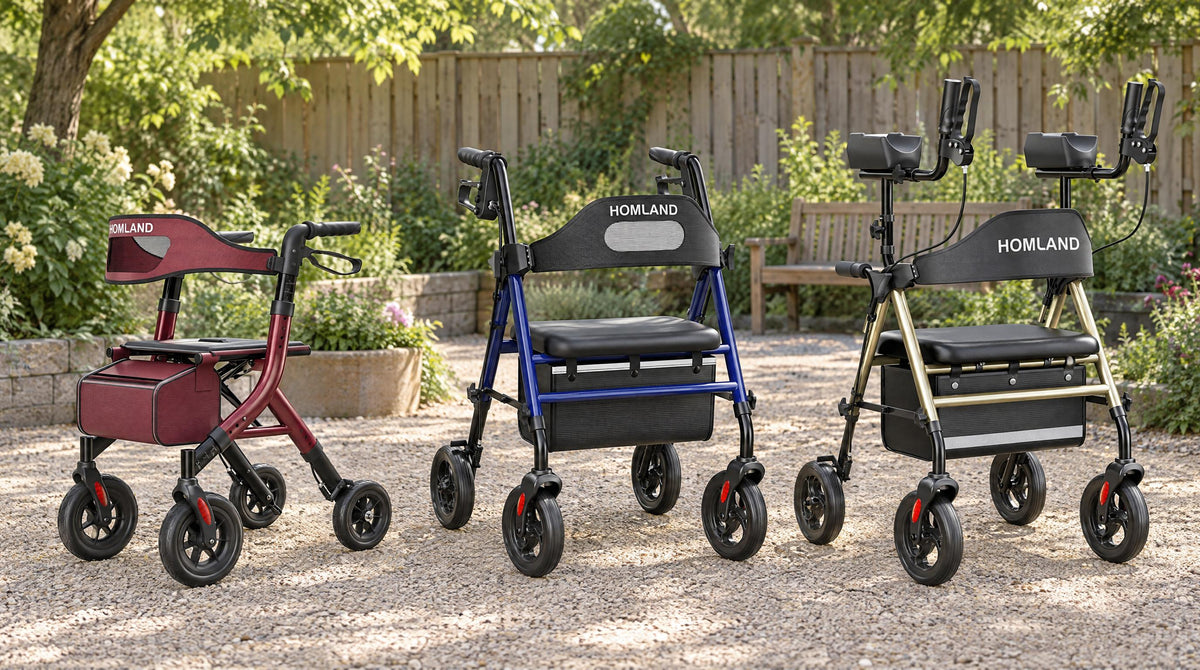
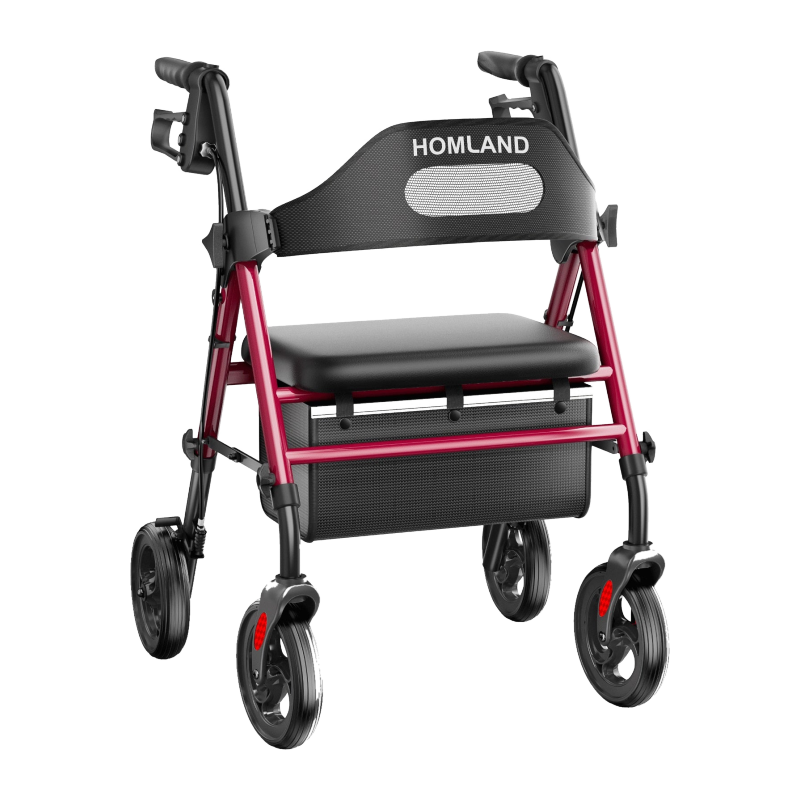
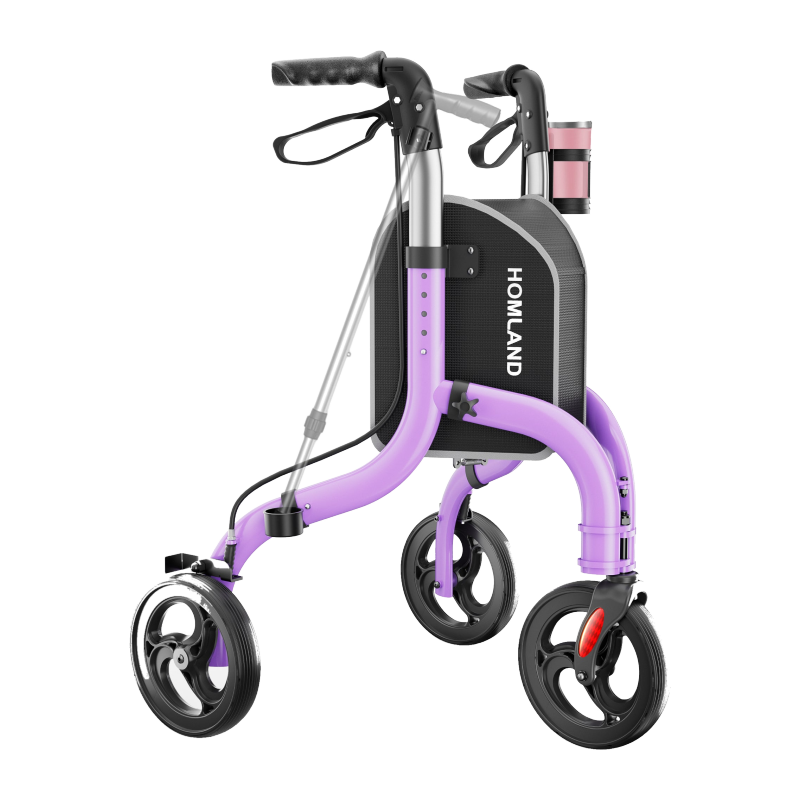
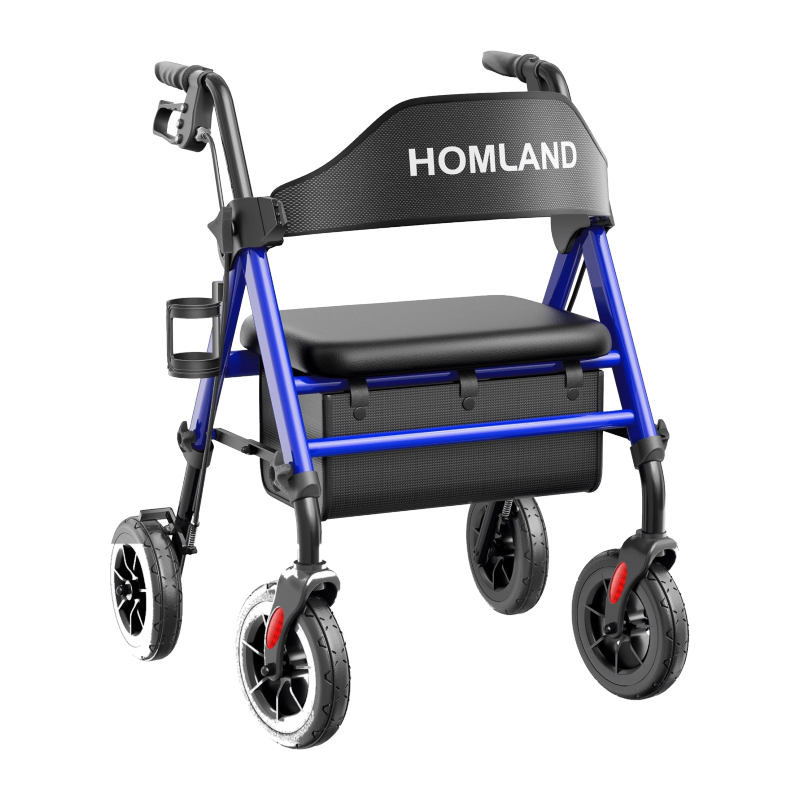
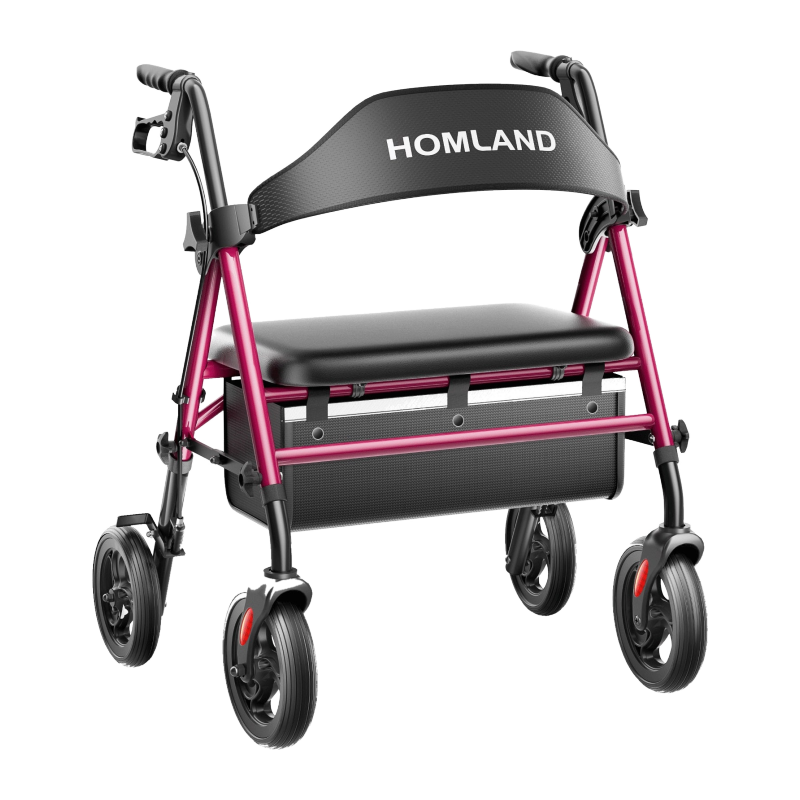
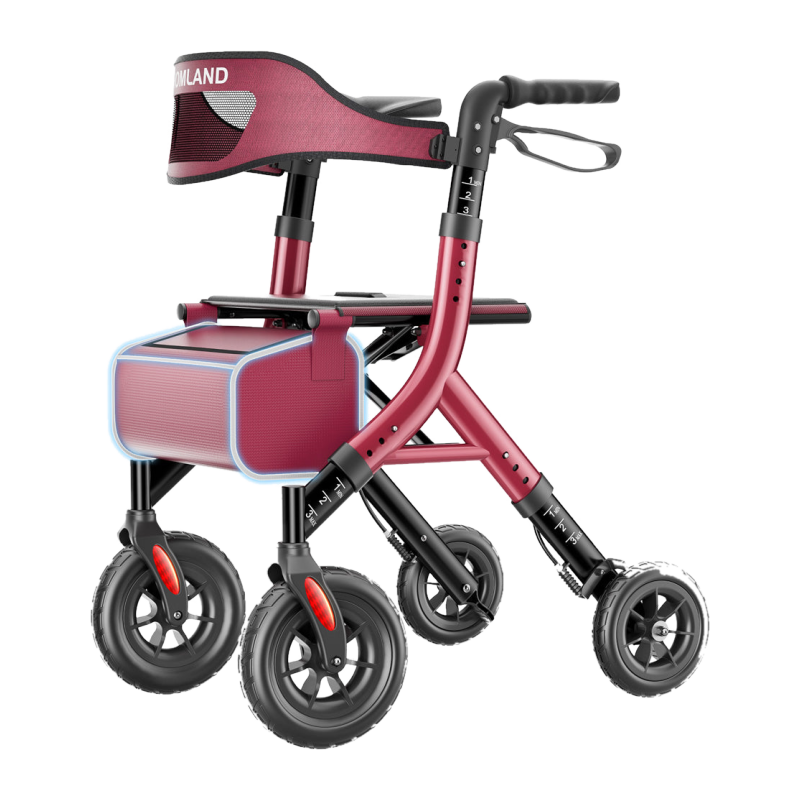
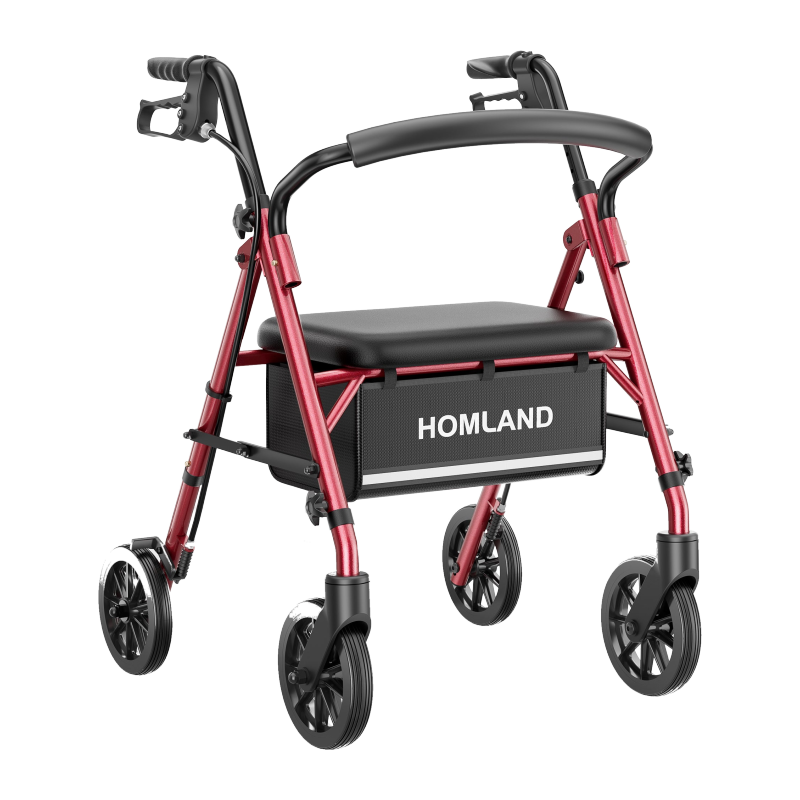
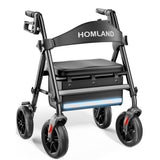
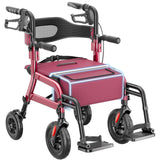
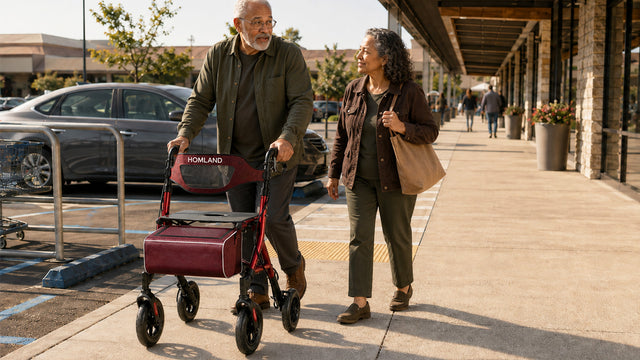
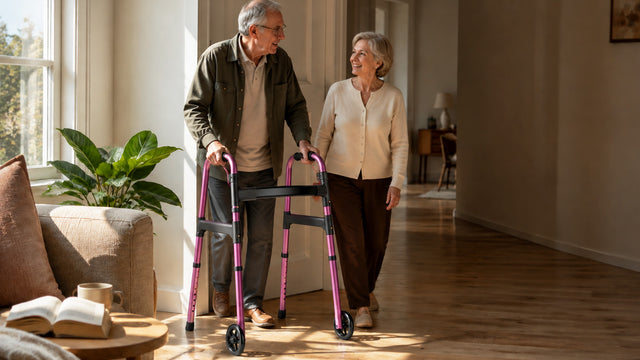
If a senior uses a walker to move through the home, make sure the pathways are wide enough and clear of obstacles. HOMLAND's rolling walkers are built with a thoughtful footprint designed to navigate home interiors comfortably — and they provide a place to rest when crossing a longer stretch of hallway becomes tiring.
Step 4: Assess the Kitchen
The kitchen is where independence and safety intersect most visibly. Cooking, preparing coffee, washing dishes — these are deeply personal routines that many seniors want to maintain on their own terms. The goal here isn't to limit activity but to make the space work better for the person using it.
Kitchen safety priorities:
- Items used daily stored between waist and shoulder height — no reaching overhead or bending down to low cabinets
- A sturdy stool or perch available for tasks that require standing for extended periods
- Non-slip mats in front of the sink and stove
- Clear counter space that allows for leaning or bracing if needed
- Appliances with easy-grip handles and visible controls
For seniors who use a rollator walker, a model with a built-in seat and storage basket can be particularly useful in the kitchen — allowing them to roll items from counter to table rather than carrying them while trying to balance. It's the kind of practical detail that makes a real difference in daily comfort.
Step 5: Check Stairs and Entryways
Stairs and home entryways are transition points — places where you shift between environments — and they concentrate risk in a small amount of space. A step down from the front porch, a staircase with a loose handrail, or a threshold that catches the toe of a walker are all worth addressing directly.
What to examine at stairs and entryways:
- Handrails on both sides of every staircase, running the full length of the stairs
- Adequate lighting at the top and bottom of stairways
- Non-slip treads on every step
- A threshold ramp at any entry where there's a lip or step that could catch a walker or create a trip hazard
- A place to sit near the front door when putting on or removing shoes
For seniors managing outdoor mobility, a standard walker or rollator with reliable brakes gives the confidence to navigate driveways, pathways, and transitions between indoor and outdoor surfaces safely.
Step 6: Review Lighting and Emergency Readiness
Adequate lighting is one of the most underestimated safety factors in a senior's home. Vision naturally changes with age, and low-light environments that feel fine to a younger adult can be genuinely disorienting for a senior navigating their home at 2 a.m. This is a quick, inexpensive area to improve with significant impact.
- Install night lights in hallways, the bathroom, and the bedroom
- Use motion-activated lights in high-traffic nighttime paths
- Replace any burned-out bulbs with higher-lumen options throughout the home
- Make sure light switches are accessible at both ends of every hallway and staircase
- Keep a charged phone or personal emergency response device within easy reach at all times — especially in the bathroom and bedroom
Emergency preparedness also means having a clear plan. Make sure important contacts are written down and accessible, that at least one family member or neighbor has a key, and that the senior knows how to reach help quickly if needed.
Step 7: Match the Right Mobility Support to Each Area
One of the most valuable outcomes of a home safety assessment is identifying which mobility tools would genuinely help — not as a concession, but as a practical upgrade that expands what a person can do comfortably and safely on their own. Physical therapists often recommend starting with the highest-risk areas identified during a home walkthrough and working outward from there.
Here's a simple matching guide based on the most common needs:
- Shower and tub safety: A height-adjustable shower chair provides a safe, comfortable place to bathe without depending on balance alone.
- Toilet transfers: A toilet safety rail gives a confident grip point for sitting and standing, easing strain on the hips and knees.
- Getting in and out of bed: A bed rail from HOMLAND's bed rails collection provides a secure handhold without requiring any major furniture changes.
- Moving through the home: A rolling walker offers stability, a resting point, and the confidence to move freely through living spaces.
- Post-surgery or recovery mobility: A knee scooter is ideal for lower-leg injuries or procedures, keeping the person mobile and upright without putting weight on the healing limb.
All HOMLAND products are FSA/HSA eligible, arrive from a US local warehouse for fast delivery, and are covered by a 1-year manufacturer warranty plus a 1-year extended warranty. They're also authorized by licensed Doctors of Physical Therapy — so families can feel confident they're choosing tools built around real clinical experience, not just aesthetics.
Making Home Safety an Ongoing Habit
A home safety assessment isn't a one-time event. Needs evolve, seasons change, and homes shift in subtle ways over time. The most effective approach is to revisit the assessment at least once a year — or any time there's a meaningful change in health or living situation. Some families make it a natural part of holiday visits, when adult children are already in the home and can take a fresh look alongside their parent.
The key is to approach these conversations and walkthroughs with curiosity rather than alarm. The goal isn't to highlight everything that could go wrong. It's to make the home work better for the person who lives in it — preserving their independence, reducing unnecessary worry, and making the place they love feel just as welcoming as it always has. That's the spirit of home safety done right.
A thorough home safety assessment takes less than an hour, but the changes it inspires can make an enormous difference in day-to-day confidence and long-term wellbeing. By moving through the home room by room — bathroom, bedroom, living areas, kitchen, stairs, and entryways — you give yourself or your loved one the best possible foundation for independent living.
Small adjustments add up. A shower chair, a bed rail, better lighting, a cleared hallway, a reliable walker — none of these things signal limitation. They signal intelligence. They're the choices that keep a person in the home they love, on their own terms, for as long as possible. That's exactly what HOMLAND is built to support.
Explore the full range of HOMLAND home safety and mobility products — all DPT-authorized, FSA/HSA eligible, and backed by a two-year total warranty — and take the next step toward a safer, more confident home.
Ready to Make Your Home Safer?
Have questions about which products are right for your home or your loved one's needs? Our team is here to help you find the right fit — with no pressure and no guesswork.
Contact Us — We're Happy to Help