
There is something deeply grounding about being at home — the familiar smell of the kitchen, the particular creak of the hallway floor, the chair that is just right. For most older adults, home is not just a place to sleep; it is where life happens. And for the vast majority, the desire to stay there as they age is not just a preference — it is a priority.
The challenge, of course, is that the home that felt perfectly manageable at 55 can start presenting real obstacles at 75. A bathroom that seemed fine becomes a slipping hazard. A flight of stairs that was never a thought becomes a daily negotiation. These challenges are real — but they are also solvable. Smart home technology, paired with thoughtfully designed mobility and safety products, is quietly making it possible for millions of seniors to live independently, comfortably, and confidently in the homes they love.
This guide covers the most effective smart home tools and physical safety upgrades available today — written for seniors who want practical solutions and for the family members who want to help without overstepping. Because the goal is always the same: home, not hospital.
Why Staying Home Matters More Than Ever
According to the AARP, nearly 90% of adults aged 65 and older want to remain in their own homes as they age. This preference is not simply sentimental. Research consistently shows that seniors who age in place tend to maintain stronger social connections, experience better mental health outcomes, and report higher overall life satisfaction. Familiar surroundings reduce confusion and anxiety, especially for those experiencing early cognitive changes. Home is not just comfortable — it is therapeutic in ways that no facility can fully replicate.
The growing ecosystem of smart home technology is making this choice more realistic than ever before. From lights that turn on automatically in the dark to mobility aids that make getting in and out of bed genuinely safe, the tools available today are designed around one central idea: people deserve to live on their own terms, for as long as possible, in the place they call home.
Smart Lighting: Small Change, Big Difference
Of all the smart home upgrades available, improved lighting may offer the highest return on investment for the least effort. Poor lighting — especially in hallways, staircases, and bathrooms at night — is one of the most commonly overlooked fall risks. A senior waking up at 2 a.m. to use the bathroom and reaching for a light switch in the dark is already in a precarious situation before they have taken a step.
Motion-activated lighting solves this quietly and automatically. When someone gets out of bed, the path to the bathroom lights up without any fumbling required. Voice-controlled lighting (through devices like Amazon Alexa or Google Home) adds another layer of convenience — a simple spoken command handles the rest. Smart bulbs also allow caregivers to adjust brightness remotely and can be set to gradually brighten in the morning, which supports healthier sleep-wake cycles. This is one of the lowest-cost, highest-impact places to start when making a home safer for an older adult.
Fall Prevention Starts Before a Fall Happens
The CDC reports that falls are the leading cause of injury among older adults in the United States, with one in four adults aged 65 and older experiencing a fall each year. The physical consequences — fractures, head injuries, prolonged recovery — are serious. But the psychological impact is often just as significant: a fear of falling can lead to reduced activity, social withdrawal, and a faster decline in overall function.
The good news is that most falls are preventable, and prevention starts with the environment. Smart home tools like fall detection wearables and sensor-based monitoring systems can alert caregivers immediately if something goes wrong. But physical modifications to the home — grab bars, non-slip mats, proper bed rail support — remain the foundation of any effective fall prevention plan. Physical therapists consistently emphasize that combining environmental changes with the right assistive equipment is the most effective approach to keeping older adults safe at home.
If you are an adult child helping a parent think through home safety, this is a great place to start the conversation: walk through their home with fresh eyes and ask where the tricky moments happen. The answer is usually the bedroom, the bathroom, and the top of the stairs.
The Bathroom: Making the Riskiest Room Feel Safe Again
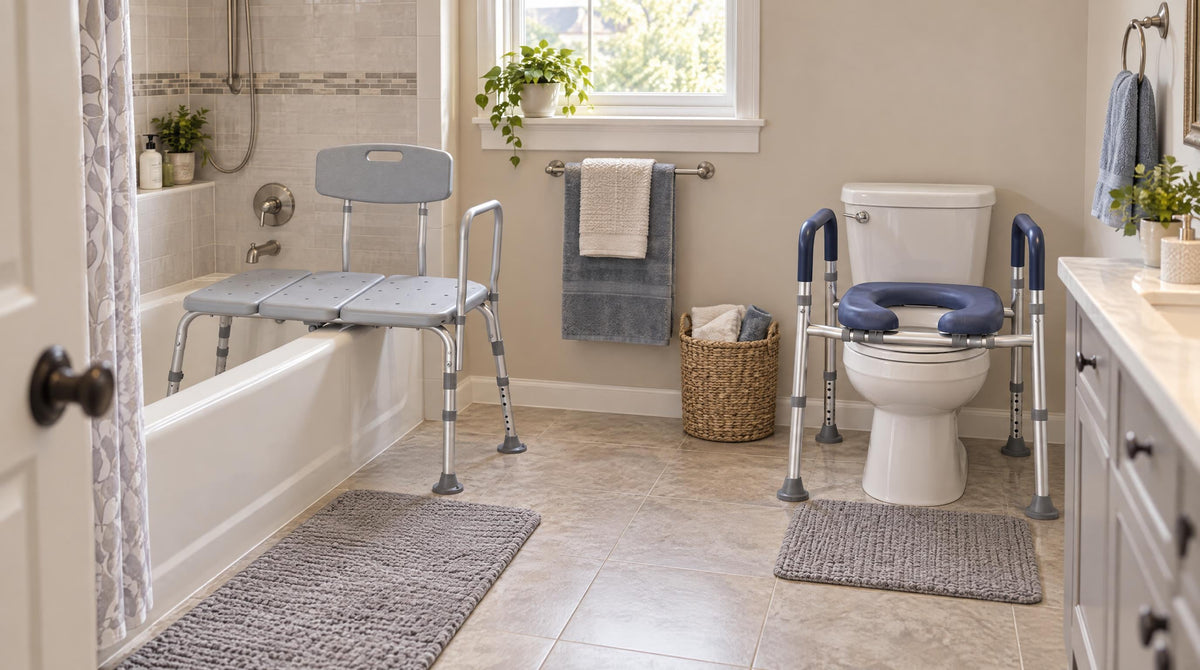
The bathroom is statistically the most dangerous room in the home for older adults. Wet surfaces, confined spaces, and the physical demands of bathing and toileting combine to create real risk. But with the right setup, it can also become one of the easiest rooms to make dramatically safer — and that transformation does not require a renovation.
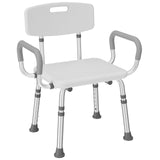
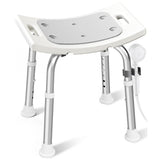
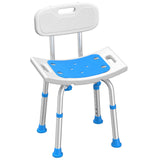
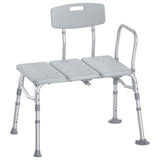
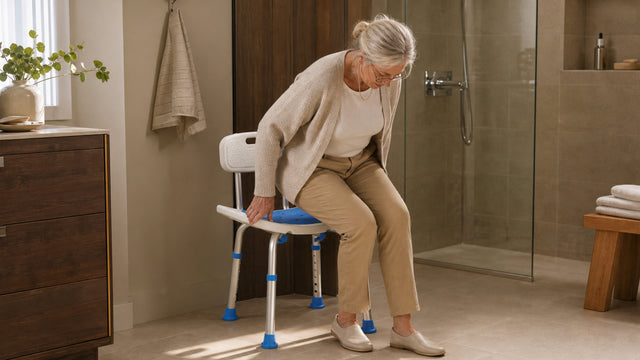
A shower chair is one of the most effective tools available. Rather than standing through an entire shower — which requires balance, endurance, and strength — a sturdy, height-adjustable shower chair lets someone bathe comfortably and securely. Physical therapists often recommend them for anyone recovering from surgery, managing balance issues, or simply finding that standing showers have become more tiring than they used to be. Paired with a handheld showerhead, the difference in confidence and comfort is immediate.
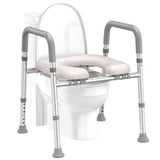
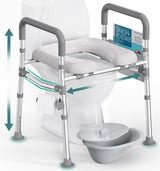
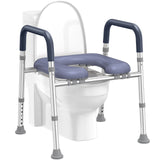
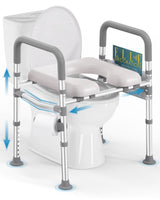
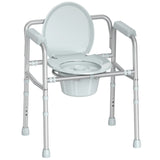
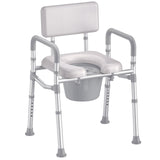
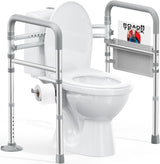
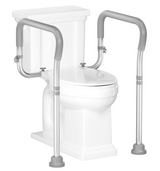
For toilet access, toilet safety rails provide the support needed to sit down and stand up without strain. These are especially valuable for anyone with hip, knee, or lower back concerns — movements that seem simple can require significant effort when joints are stiff or painful. HOMLAND's toilet safety rails are FSA/HSA eligible and backed by a 1-year manufacturer warranty plus a 1-year extended warranty, so families can invest with confidence. All products ship from a US local warehouse, which means fast delivery when you need it most.
Voice Assistants: Helpful at Every Hour
Voice assistants have become genuinely useful companions for older adults living independently. Devices like the Amazon Echo or Google Nest Hub can do far more than answer trivia questions — they manage medication reminders, make phone calls, control smart home devices, and provide immediate connection to family or emergency services, all without requiring a senior to find and navigate a smartphone.
For someone with arthritis in their hands, being able to say "Alexa, call my daughter" or "Hey Google, turn on the living room lights" removes a meaningful amount of daily friction. These devices also provide a degree of companionship — the ability to ask a question, hear the weather, or play a favorite piece of music — that matters more than it might seem for someone spending significant time alone at home. They are not a replacement for human connection, but they fill the quiet moments in a way that feels genuinely supportive.
Mobility Aids That Belong in Every Smart Home
A truly senior-friendly home is not just about connected technology — it is also about having the right physical support in the right places. A smart thermostat does not help someone who cannot safely walk from the bedroom to the kitchen. Mobility aids are the physical infrastructure that makes everything else possible, and the best ones are designed to fit naturally into a home without looking clinical or institutional.
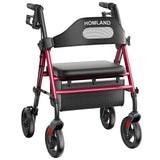
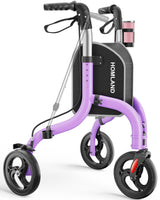
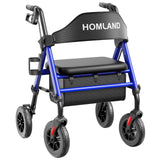
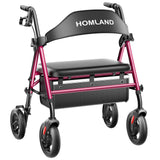
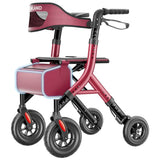
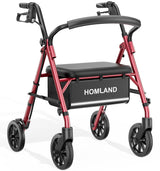
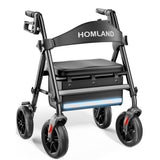
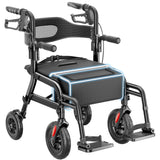
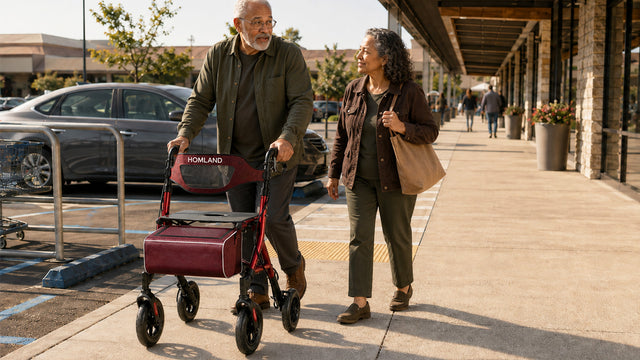
HOMLAND's rolling walkers are a good example of this philosophy in practice. Available in 3-wheel, 4-wheel, upright, and bariatric configurations — with weight capacities up to 500 lbs on select models — they provide real support without broadcasting "medical equipment" to every visitor. They assemble without tools, adjust to the user's height, and are built to feel like part of the home rather than something borrowed from a facility. For someone recovering from a joint replacement or managing a balance condition, a rolling walker can mean the difference between confidently moving through their own home and feeling anxious about every step.
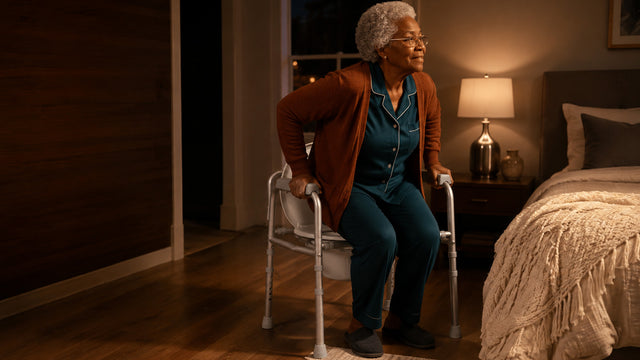
For those managing a lower leg injury or recovering from foot surgery, a knee scooter offers a hands-free alternative to crutches that is far less fatiguing and much easier to use indoors. And for anyone who has struggled to get safely in and out of bed, bed rails provide the consistent, reliable support that makes that transition feel safe rather than precarious — particularly important for people who wake frequently at night.
All HOMLAND mobility products are authorized by licensed Doctors of Physical Therapy and are FSA/HSA eligible, making them an accessible choice for families planning ahead.
Home Monitoring Without Losing Privacy
One of the most common tensions in senior care is the balance between safety and privacy. Adult children want to know their parent is okay; older adults — reasonably — do not want to feel surveilled in their own home. The good news is that modern monitoring technology has become sensitive to this balance, and the best solutions prioritize dignity alongside safety.
Passive monitoring systems use sensors placed on doors, appliances, and key areas of the home to track daily routines without cameras. If someone has not opened the refrigerator by a certain time of morning, or if a door that is usually opened by 8 a.m. stays closed, a caregiver receives a gentle alert. This kind of monitoring detects disruptions in routine without constant surveillance, which most seniors find far more acceptable than a camera in the living room. Wearable fall detection devices offer another layer of protection — worn as a watch or pendant, they can automatically contact emergency services if a fall is detected, even if the user cannot press a button.
Health Tech That Keeps Doctors in the Loop
The integration of health monitoring into everyday devices is one of the most meaningful developments in recent years. Smartwatches now track heart rate, blood oxygen levels, and sleep quality in real time. Connected blood pressure cuffs sync readings directly to a smartphone app that can be shared with a physician. Smart pill dispensers provide audible alerts at medication time and can notify a caregiver if a dose is missed.
For seniors managing chronic conditions, these tools reduce the burden of self-monitoring while improving accuracy. A reading taken at home under normal conditions is often more representative than one taken in a clinic under the stress of travel and waiting rooms. Telehealth platforms can now receive this data directly, allowing doctors to make more informed decisions between in-person visits. This kind of connected health management supports both independence and better outcomes — a combination that matters deeply for anyone committed to aging well at home.
How to Get Started Without Overwhelming Anyone
The biggest barrier to adopting smart home technology is often not cost or availability — it is the feeling of being overwhelmed by too many options at once. The most effective approach is to start with the areas of highest risk and lowest complexity, then build from there as comfort grows.
A practical starting point for most homes looks something like this:
- Lighting first: Motion-activated night lights in the bedroom, hallway, and bathroom are inexpensive, easy to install, and immediately impactful.
- Bathroom safety next: A shower chair and toilet safety rail address the highest-risk room in the house with no technology required — just smart, well-designed equipment.
- Mobility support: Assess which transitions in the home are most difficult (getting in and out of bed, moving between rooms, navigating steps) and introduce the appropriate aid.
- Voice assistant: A single smart speaker placed in the most-used room provides immediate access to reminders, communication, and home control.
- Monitoring layer: Once the physical environment is secure, passive sensors or a wearable fall detector add a safety net without intruding on daily life.
When introducing any new tool or device, take time to practice using it together. Confidence comes from familiarity, and a senior who has used a shower chair a few times before relying on it alone will feel far more comfortable than one who was handed a box and left to figure it out. The same is true for voice assistants and monitoring apps — a short setup session with a family member goes a long way.
FAQs: Smart Home Technology for Independent Senior Living
What is the most important smart home upgrade for senior safety?
Most physical therapists would point to the bathroom first. A shower chair, grab bars, and a toilet safety rail address the highest-risk area in the home before any technology is even considered. Once the physical environment is safe, smart lighting and fall detection wearables are excellent next steps.
Are smart home products covered by FSA or HSA?
Many assistive mobility and safety products — including shower chairs, toilet safety rails, bed rails, and walkers — are FSA/HSA eligible. HOMLAND products qualify, which can make managing the cost significantly easier for families. Always confirm with your plan administrator for specific eligibility details.
How do I introduce smart home technology to a parent who is resistant?
Start with something low-stakes and immediately beneficial — a motion-activated night light, for example. Frame it as a convenience rather than a safety concern. Once they experience the benefit firsthand, introducing additional tools becomes much easier. Involving them in the selection process also helps; people are far more receptive to changes they helped choose.
Do I need a lot of technical knowledge to set up a smart home?
Most modern smart home devices are designed to be set up in minutes with no technical background required. HOMLAND's mobility and safety products assemble without tools. Voice assistants walk you through setup with spoken instructions. Start simple, and build confidence gradually.
What is the difference between a standard walker and a rolling walker?
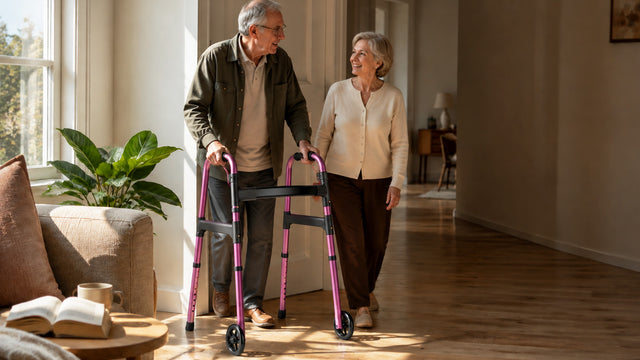
A standard walker is lifted and moved with each step, offering maximum stability for those who need it. A rolling walker glides forward continuously, making it better suited for those who can maintain a steady gait and want to move more freely. A physical therapist can help determine which style best matches someone's strength, balance, and daily movement patterns.
The Right Support Changes Everything
Aging at home is not about settling for less — it is about choosing the life you want and putting the right support in place to make it possible. Smart home technology and well-designed mobility aids are not concessions to age; they are tools for living fully, on your own terms, in the place that matters most to you.
Whether you are a senior thinking through your own home setup or an adult child helping a parent plan ahead, the most important thing is to start. Small changes compound quickly. A bathroom that feels safe again, a bed that is easy to get in and out of, a hallway that lights up when you need it — these are not small things. They are the building blocks of a life lived with confidence and dignity, right where you belong.
Every HOMLAND product is designed with this in mind: authorized by licensed Doctors of Physical Therapy, FSA/HSA eligible, backed by a 1-year manufacturer warranty plus a 1-year extended warranty, and shipped from a US local warehouse so you get what you need quickly. Explore the full HOMLAND product collection and find the tools that fit your home and your life.
Ready to Make Your Home Work for You?
Our team is here to help you find the right products for your needs — no guesswork, no pressure. Whether you have a question about a specific product, need guidance on what a physical therapist recommends, or want help choosing between options, we are happy to help.