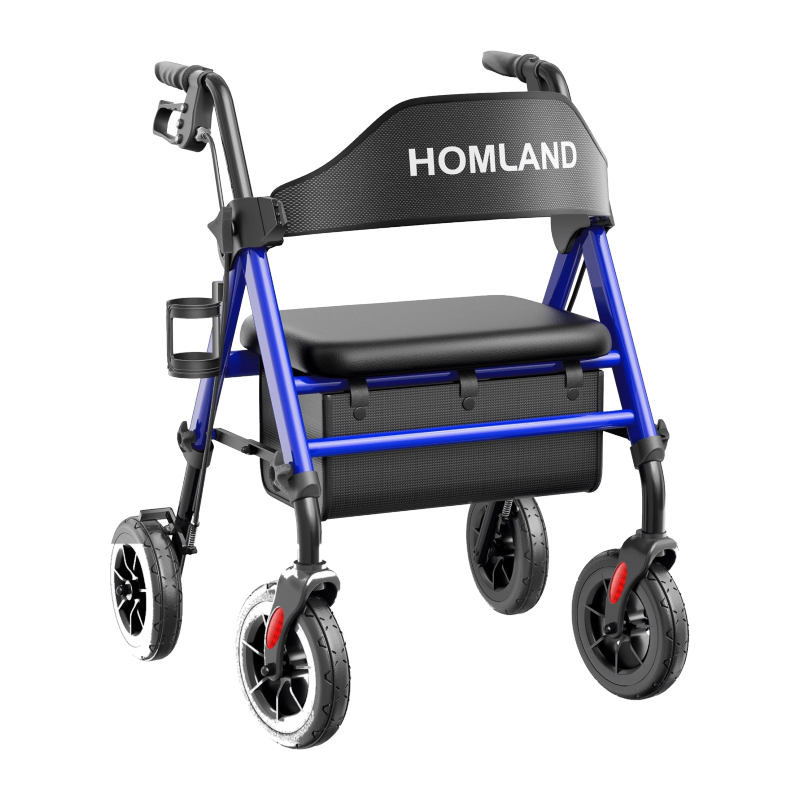
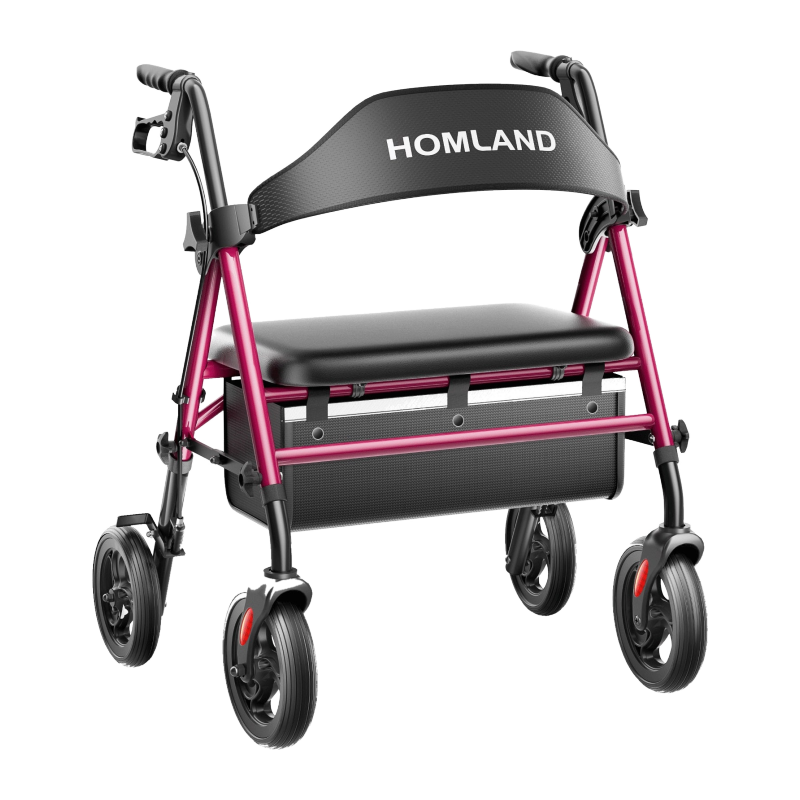
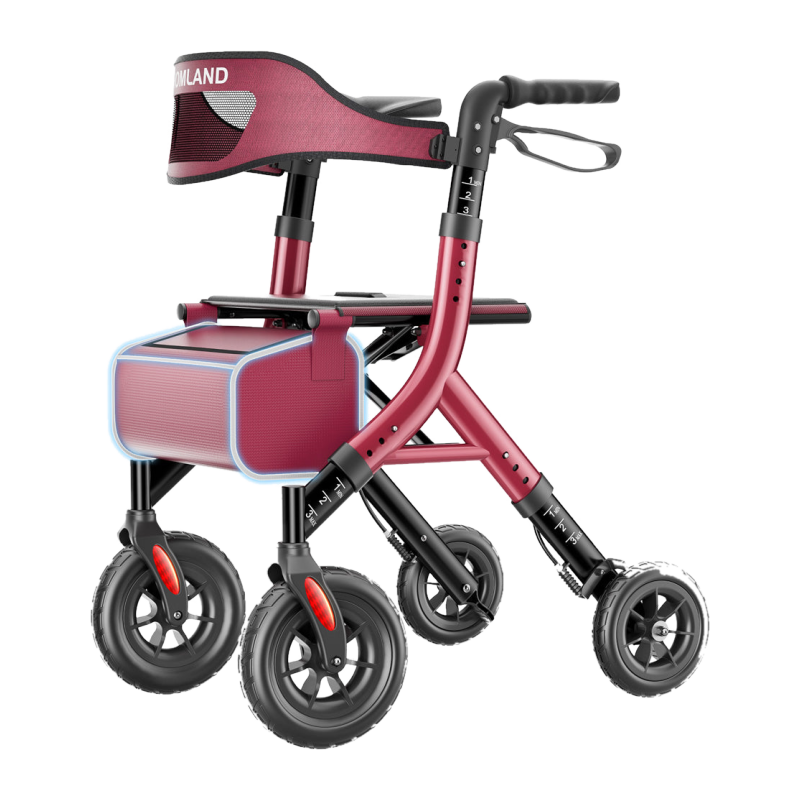
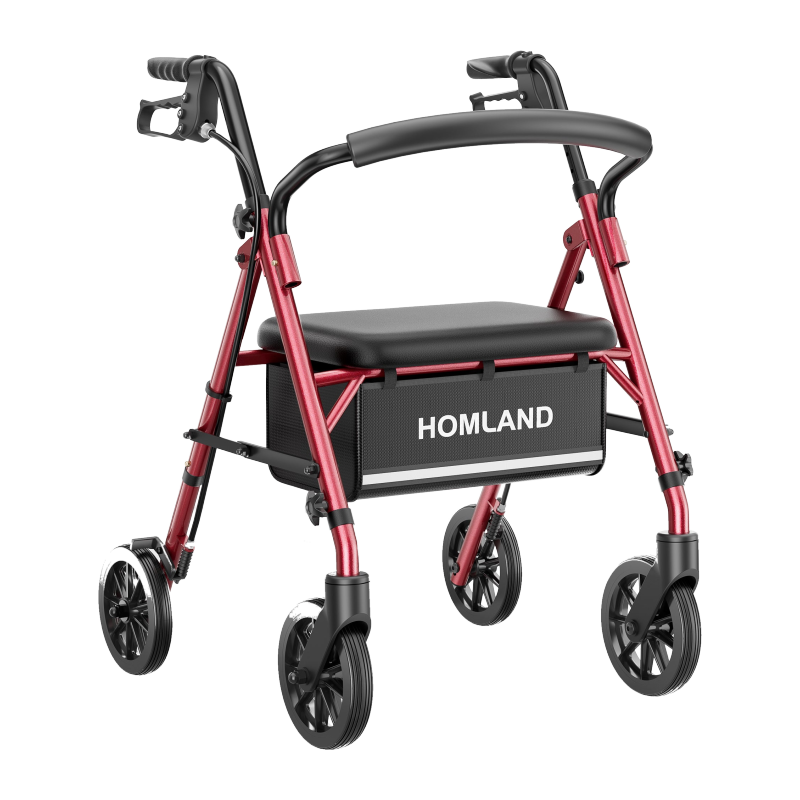


A foot injury, ankle surgery, or stress fracture can bring daily life to a standstill almost overnight. Suddenly, the kitchen, the bathroom, and even the hallway feel like obstacles. If your doctor has told you to keep weight off your lower leg while you heal, you're probably weighing your options — and if crutches are already feeling awkward or exhausting, a knee scooter might be exactly what you need.
Knee scooters (sometimes called knee walkers) have become one of the most recommended tools for non-weight-bearing recovery at home. They're stable, relatively easy to maneuver, and — most importantly — they let you get on with your day without leaning on someone else for every step. This guide breaks down when a knee scooter makes sense, how it compares to the alternatives, and what to look for so you or your loved one ends up with the right fit the first time.
Knee Scooters Explained
Everything you need to know about when to use one, how to choose the right fit, and what features matter most for a safe, comfortable recovery.
When You Need One
Foot & Ankle Fractures
Post-Surgery Recovery
Achilles Tendon Injury
Diabetic Foot Wounds
Severe Sprains
Knee Scooter vs. Crutches
Knee Scooter
Recommended- Four-wheel stability — no balancing required
- No upper-body strain on wrists or armpits
- Easier to navigate home environments
- Fewer falls, greater daily independence
- Not suited for stairs or very tight spaces
Crutches
- Work on stairs and all terrain
- Compact and portable
- Require significant upper-body strength
- Pressure on wrists and armpits
- Exhausting and difficult for many users
Key Features to Look For
What Separates a Good Knee Scooter from a Great One
Adjustable Height
Knee rest & handlebars both adjustable for your proportions
Weight Capacity
Standard up to 300 lbs; bariatric models go higher
Wheel Type
Smaller for indoors; pneumatic tires for outdoor surfaces
Dual Hand Brakes
Smooth, controlled stopping on both sides
Padded Knee Rest
Thick contoured cushion prevents pressure sores
Storage Basket
Carry items hands-free for daily independence
Foldable Frame
Easy transport and compact storage at home
Tool-Free Setup
Ready to use quickly — no toolbox needed
5 Safety Tips for Home Use
Clear pathways — remove rugs, cords, and floor obstacles
Always brake when stopping — don't rely on your standing leg
Slow transitions — on/off is when most stumbles happen
Wear proper shoes — supportive footwear on your healthy foot
Follow doctor's orders — your care team's guidance always comes first
What Is a Knee Scooter?
A knee scooter is a wheeled mobility device designed to support your injured leg while you use your healthy leg to propel yourself forward. Instead of bearing weight on your foot or ankle, you rest your lower leg — from the knee down — on a cushioned platform mounted on a sturdy frame with four wheels. Handlebars give you steering control, and most models include a hand brake for stopping safely on flat surfaces.
Think of it as a low-to-the-ground scooter designed specifically for recovery. You're not sitting — you're kneeling on one leg and gliding, which keeps you upright, mobile, and engaged with your environment rather than confined to a couch or a room. Physical therapists often recommend knee scooters as a practical, confidence-building alternative to crutches for injuries that require weeks or months of non-weight-bearing healing.
When Do You Need a Knee Scooter?
A knee scooter is designed for anyone who needs to keep weight off one foot, ankle, or lower leg while staying mobile at home. Your doctor or physical therapist is the right person to confirm whether one is appropriate for your specific situation, but knee scooters are commonly used during recovery from:
- Foot or ankle surgery (bunionectomy, tendon repair, ankle reconstruction)
- Fractures of the foot, ankle, or lower leg that require strict non-weight-bearing rest
- Severe sprains that need extended offloading to heal properly
- Diabetic foot wounds or ulcers where pressure relief is essential to prevent complications
- Achilles tendon injuries during the early, non-weight-bearing phase of recovery
The common thread is this: you need your injured lower leg completely off the ground, but you still want to move through your home, get to the bathroom independently, prepare a simple meal, or interact with your family. A knee scooter makes all of that possible without asking for help with every step — and that independence matters, both for your recovery mindset and your daily dignity.
Knee Scooter vs. Crutches: Why So Many People Make the Switch
If you've already spent a day on crutches, you know how quickly they wear you out. Crutches require significant upper-body strength, put pressure on your wrists and armpits, and demand constant balance with every step. For many people — especially older adults or those who aren't at peak physical fitness — crutches are genuinely difficult and sometimes risky to use safely at home.
Knee scooters offer a very different experience. Your arms rest naturally on the handlebars for steering, your healthy leg does the pushing, and the four-wheel frame handles the balancing. You're not fighting gravity with every move — you're gliding. Most people find they can navigate kitchen floors, living rooms, and hallways with far more confidence on a knee scooter than on crutches. That confidence translates directly into fewer falls and a more active recovery.
That said, knee scooters do have some limitations. They're less suited for stairs, very tight spaces, or highly uneven outdoor terrain. If your home has a lot of doorways under 24 inches wide, or if you need to carry items while moving, those are factors worth thinking through before you decide. For many everyday home environments, though, a knee scooter is the clear winner for comfort and ease.
How to Choose the Right Knee Scooter
Not every knee scooter is the same, and finding the right fit makes a meaningful difference in both safety and comfort during recovery. Here are the most important factors to consider before you buy.
Your Height and Leg Length
The knee platform height needs to match your body proportions. If the platform is too low, you'll hunch and strain your back. If it's too high, your injured leg won't rest naturally and you'll feel off-balance. Look for a knee scooter with an adjustable knee rest height so the platform can be set to the right position for your leg. A good rule of thumb: when you're kneeling on the pad, your thigh should be roughly parallel to the ground, and your hip shouldn't feel tilted to one side.
Weight Capacity
Always check the weight rating and make sure it comfortably exceeds your own weight — not just meets it. Standard knee scooters typically support up to 300 lbs, while heavy-duty or bariatric models can go higher. Choosing a frame with capacity to spare means the structure remains stable and secure throughout the full recovery period, with no stress on joints or welds over time.
Indoor vs. Outdoor Use
If you'll primarily be using your knee scooter inside the home — moving between rooms, getting to the bathroom, working in the kitchen — a standard four-wheel model with smaller wheels is perfectly suited. If you'll occasionally need to navigate driveways, sidewalks, or patio surfaces, look for slightly larger, pneumatic (air-filled) tires that absorb more surface variation and roll more smoothly over uneven ground.
Turning Radius and Maneuverability
In a home environment, tight turns matter. A knee scooter with a wider turning radius can feel clumsy in hallways and around furniture. Look for a model that steers responsively and can turn in a reasonably compact space. Some models are specifically designed for indoor use with a tighter turning radius — worth prioritizing if your home has narrower hallways or a smaller floor plan.
Handlebar Height Adjustment
Just like the knee platform, the handlebars should be adjustable so your arms sit comfortably at a natural angle — not raised too high or dropped too low. Proper handlebar height reduces shoulder and wrist strain, especially important if you'll be on the scooter for several weeks.
Key Features to Look For
Once you've matched the basics to your body and environment, these features separate a good knee scooter from a great one:
- Padded knee rest: A thick, contoured cushion prevents pressure sores and keeps your knee comfortable during longer stretches of use. Thin or firm pads become a real problem after the first few hours.
- Dual hand brakes: Reliable braking on both sides gives you smooth, controlled stopping without jerking — important for safety on smooth floors and slight inclines.
- Basket or storage pouch: A front or side basket means you can carry items — a coffee mug, phone, medication — without needing to ask someone else to bring things to you. That small convenience makes a big daily difference.
- Foldable frame: If you'll need to transport the scooter in a car or store it in a smaller space, a folding frame saves significant hassle.
- Non-marking wheels: For hardwood, tile, or vinyl flooring, non-marking rubber wheels protect your floors while you recover.
- Tool-free assembly: You shouldn't need a toolbox to get started. Look for models that set up quickly without special equipment — especially important if you're managing assembly yourself or with a family member.
HOMLAND's knee scooter collection is built with all of these considerations in mind — tool-free assembly, adjustable heights, and thoughtful design choices that make life at home genuinely easier during recovery.
Tips for Using a Knee Scooter Safely at Home
Getting used to a knee scooter takes a little practice, but most people feel comfortable within a day or two. A few habits will help you stay safe from the start:
- Clear your pathways. Remove loose rugs, power cords, and anything on the floor that a wheel could catch. A tidy path between the rooms you use most — bedroom, bathroom, kitchen — makes a real difference.
- Always engage the brake when stopping. Don't rely on your standing leg to hold the scooter still. Get in the habit of applying the brake anytime you pause, especially before reaching for something.
- Don't rush transitions. Moving on and off the knee scooter — sitting down, standing up, getting into a chair — is when most stumbles happen. Take it slow and use a stable surface for support if you need it.
- Wear supportive footwear on your standing leg. A supportive shoe or sneaker (not a sock or slipper) gives your healthy foot better grip and reduces fatigue over the course of a day.
- Follow your doctor's weight-bearing instructions exactly. A knee scooter keeps the injured leg off the ground — but your care team's guidance on what you can and can't do with that leg always takes priority.
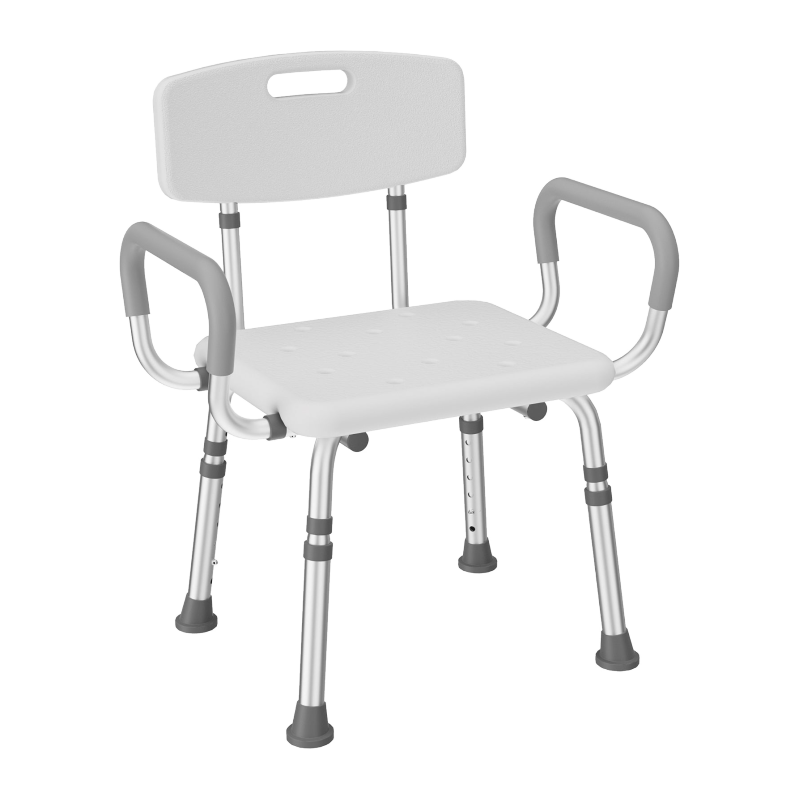
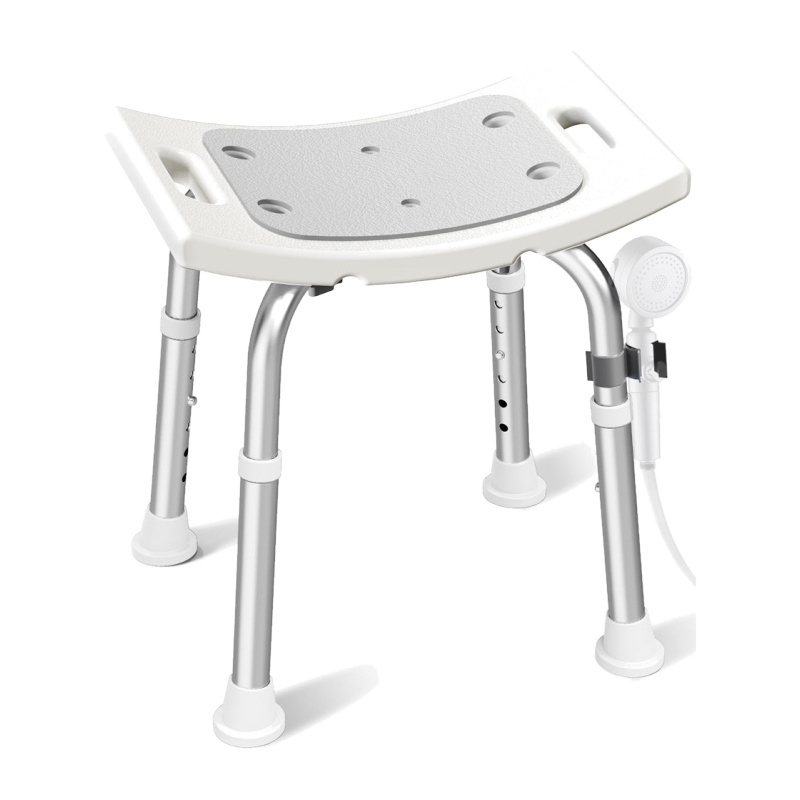
If you're also navigating bathroom access or transfers during recovery, it's worth looking at shower chairs and toilet safety rails that can be paired with your knee scooter to make the whole home safer and easier to move through.
FSA/HSA Eligibility and Buying With Confidence
One of the most practical things to know before you purchase: knee scooters are generally FSA/HSA eligible, which means you can use your pre-tax flexible spending or health savings account funds to cover the cost. If you have either account, using those dollars for a knee scooter is a smart way to reduce out-of-pocket expenses during an already stressful recovery period. HOMLAND's knee scooters qualify, so check your account before you buy.
Beyond the cost, peace of mind matters when you're purchasing something you'll rely on every single day. Every HOMLAND knee scooter is backed by a 1-year manufacturer warranty plus a 1-year extended warranty, and ships from a US local warehouse so you're not waiting weeks for delivery when you need mobility support right now. The products are also authorized by licensed Doctors of Physical Therapy, which means the design and functionality have been evaluated by professionals who understand what recovering bodies actually need.
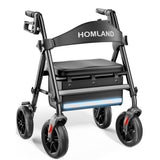
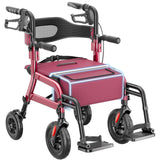
If you're also exploring other mobility or safety products for your home — whether for yourself or a family member — HOMLAND's full lineup includes rolling walkers, standard walkers, bed rails, and more, all designed around the same principle: helping you move through your home on your own terms.
The Right Knee Scooter Lets You Focus on Healing, Not Struggling
Recovery from a foot or ankle injury is already demanding enough without fighting your mobility aid every day. A well-chosen knee scooter removes the friction — letting you get to the bathroom independently, make yourself a cup of tea, and move through your home with the kind of ease that makes the weeks ahead feel manageable rather than overwhelming.
The key is matching the scooter to your body, your home, and your daily routine. Think about adjustability, weight capacity, indoor maneuverability, and the small comfort details that matter over a long recovery. And if you have an FSA or HSA, use it — there's no reason to pay out of pocket when pre-tax dollars are available.
You deserve a recovery that feels like home. Browse HOMLAND's knee scooter collection to find the right fit, or explore our full range of home mobility products designed to keep you moving safely and independently through every stage of recovery.
Have Questions? We're Here to Help.
Not sure which knee scooter is right for your situation? Our team is happy to help you find the best fit. Reach out anytime — we're here to make your recovery as smooth as possible.
Contact Us