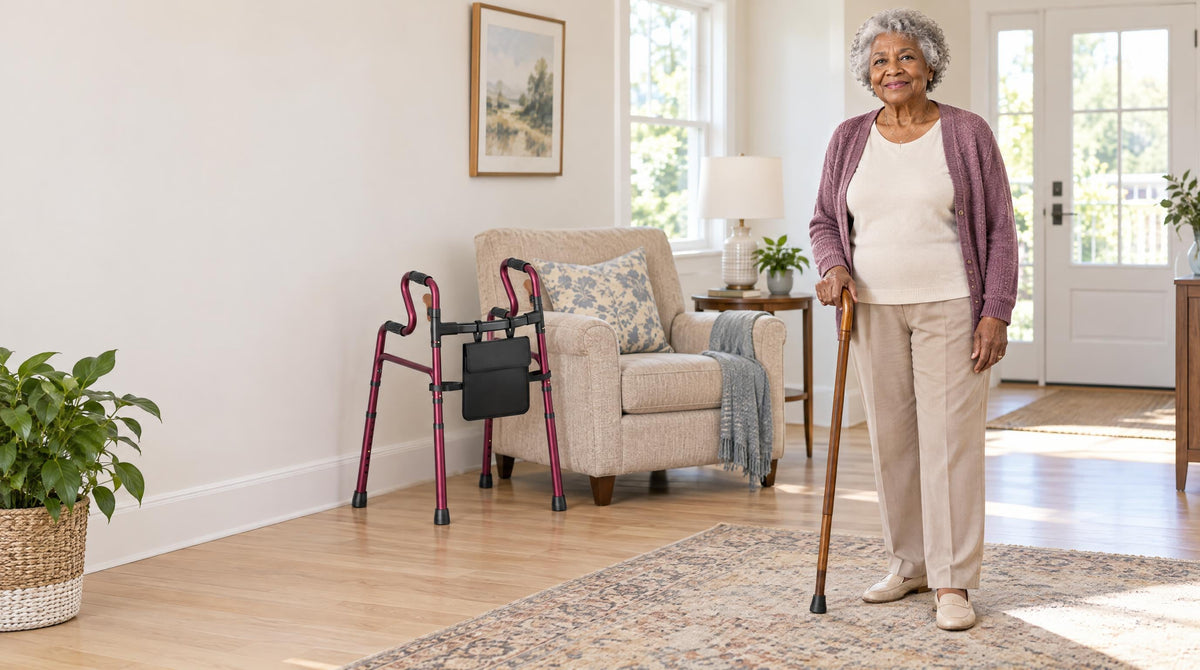




Coming home after surgery is a milestone worth celebrating — but the first few weeks back in your own space are when healing is most fragile. The familiar comfort of home is genuinely good for recovery. What matters is making sure your home is as ready for you as you are to be in it.
Whether you're the one recovering from a hip replacement, a knee surgery, or an abdominal procedure — or you're the son, daughter, or partner setting things up before discharge day — this guide walks you through the equipment and habits that make a real difference. You'll find room-by-room recommendations informed by physical therapy best practices, honest guidance on what to prioritize, and a straightforward look at the tools that keep people moving safely and independently at home. Because healing well shouldn't feel like living in a hospital — it should feel like coming home.
Why Home Recovery Matters — and Why Preparation Makes All the Difference
There's a reason doctors and physical therapists increasingly support going straight home after surgery rather than spending days in a facility. Recovering in familiar surroundings — your own bed, your own bathroom, the people you love nearby — offers emotional benefits that genuinely support physical healing. Home environments also carry a lower risk of infection compared to shared clinical settings. But recovering at home safely requires one thing: preparation.
The weeks immediately following surgery are when balance is compromised, strength is reduced, and even a short walk to the bathroom can feel like a challenge. Medication side effects, swelling, and restricted weight-bearing all affect how safely someone moves around. This isn't a sign of weakness — it's simply the body doing the work of healing. The right environment and the right equipment don't slow that process down; they protect it.
Physical therapists often remind their clients that the most common post-surgery setback isn't the wound — it's the fall. Setting up your home thoughtfully before you return from the hospital is one of the highest-impact things you can do for a smooth recovery. The good news is that most of the changes are straightforward, affordable, and — with the right products — require no tools and no contractor.
Prepare Before You Arrive Home
The best time to set up your recovery space is before surgery day, not the morning after discharge. Energy is low, mobility is limited, and thinking through logistics while managing discomfort is genuinely hard. A little advance planning removes that pressure entirely. Walk through your home — or have a caregiver do it — with one question in mind: What could cause a trip, a fall, or an unnecessary strain?
Here's a practical pre-return checklist to work through:
- Remove loose rugs, extension cords, and low furniture from main walkways
- Add nightlights along the path between the bedroom and bathroom
- Move your recovery essentials — medications, water, phone charger, and reading material — within arm's reach of where you'll rest
- If your bedroom is upstairs, consider setting up a temporary recovery zone on the main floor for the first two to four weeks
- Confirm that your mobility equipment has arrived and is assembled before you walk through the door
For caregivers: ordering equipment in advance isn't just a convenience — it's a safety measure. Waiting until after discharge to source a shower chair or raised toilet seat means navigating those spaces without support in the meantime. That's a risk worth eliminating entirely.
The Bathroom: Your Most Important Room to Get Right
Ask any physical therapist which room demands the most attention during post-surgery recovery and the answer is almost always the same: the bathroom. Wet surfaces, tight spaces, and the physical demands of sitting down and standing back up create a perfect storm for instability — especially in the first few weeks when strength and balance are diminished. Getting the bathroom right isn't about over-medicalizing your home. It's about making your most-used room genuinely safe to use on your own terms.
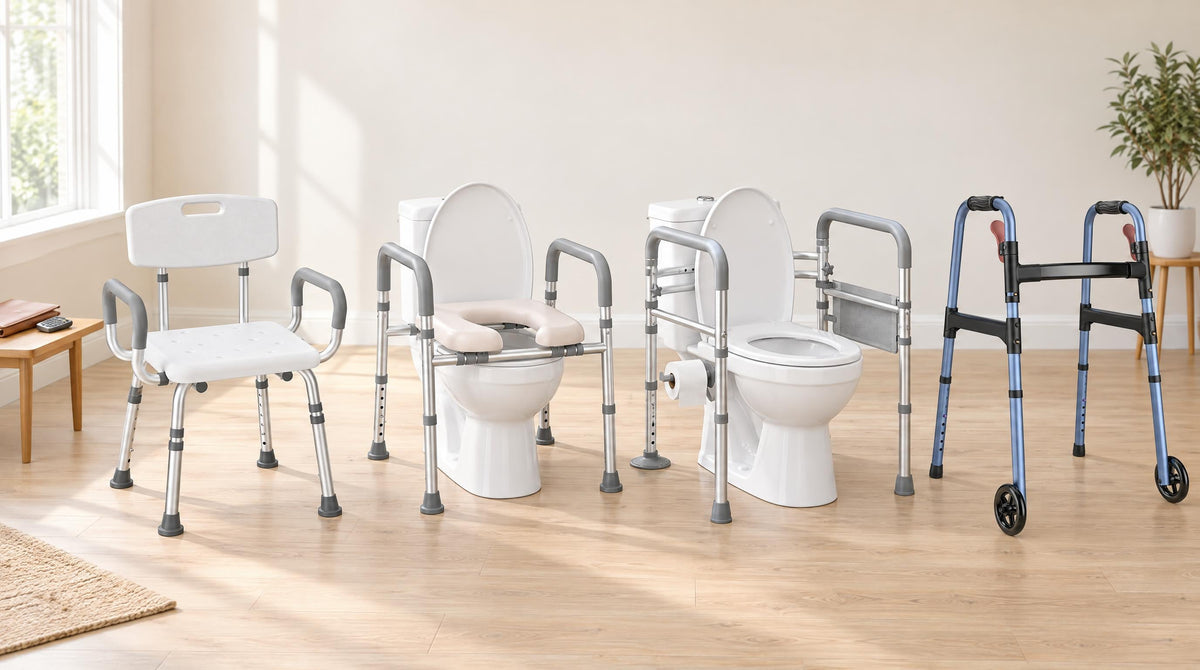
Shower Chairs and Transfer Benches
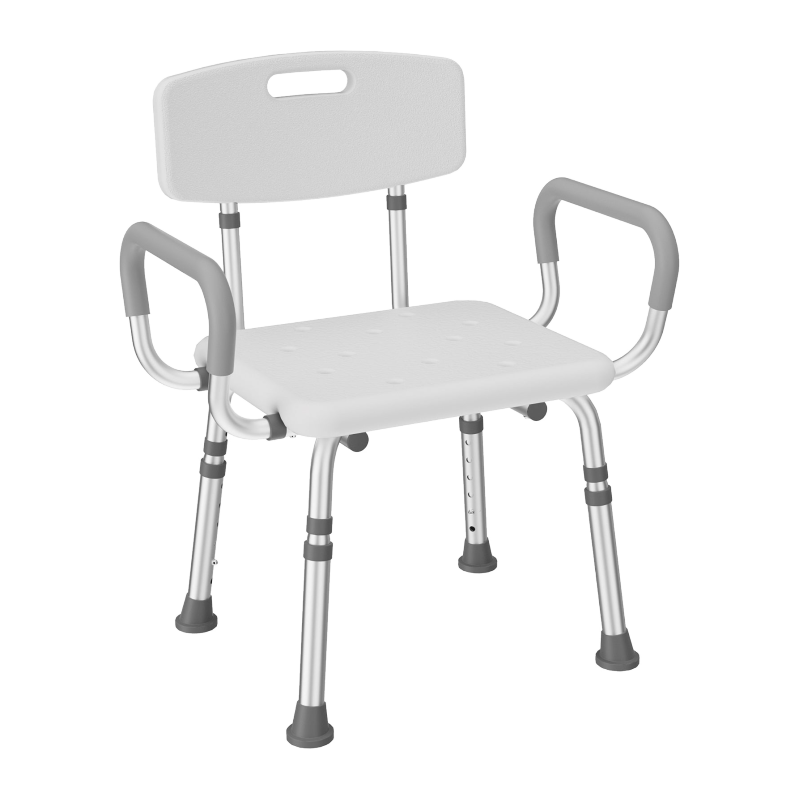
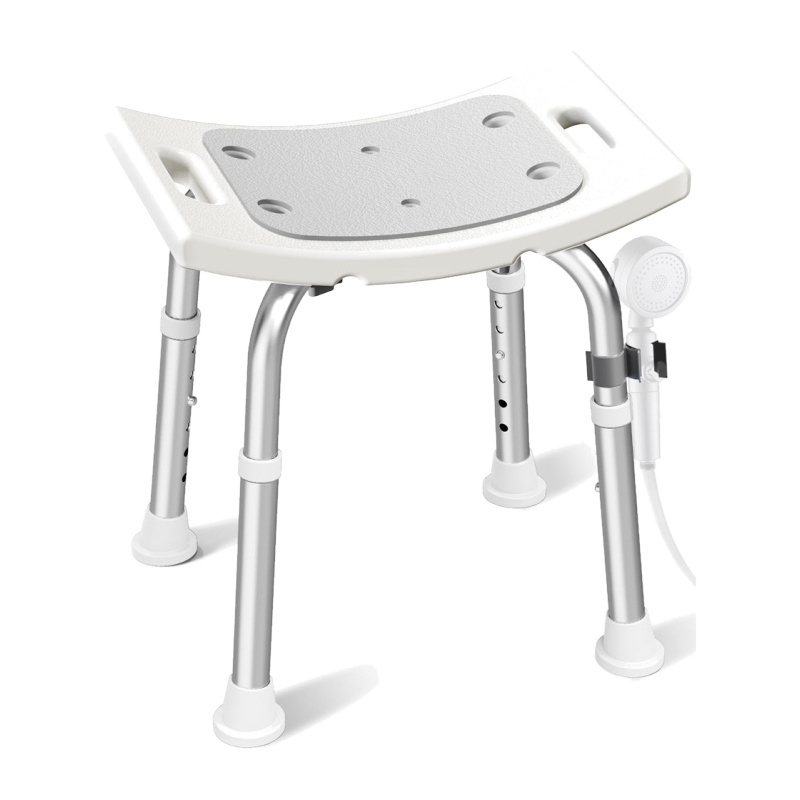
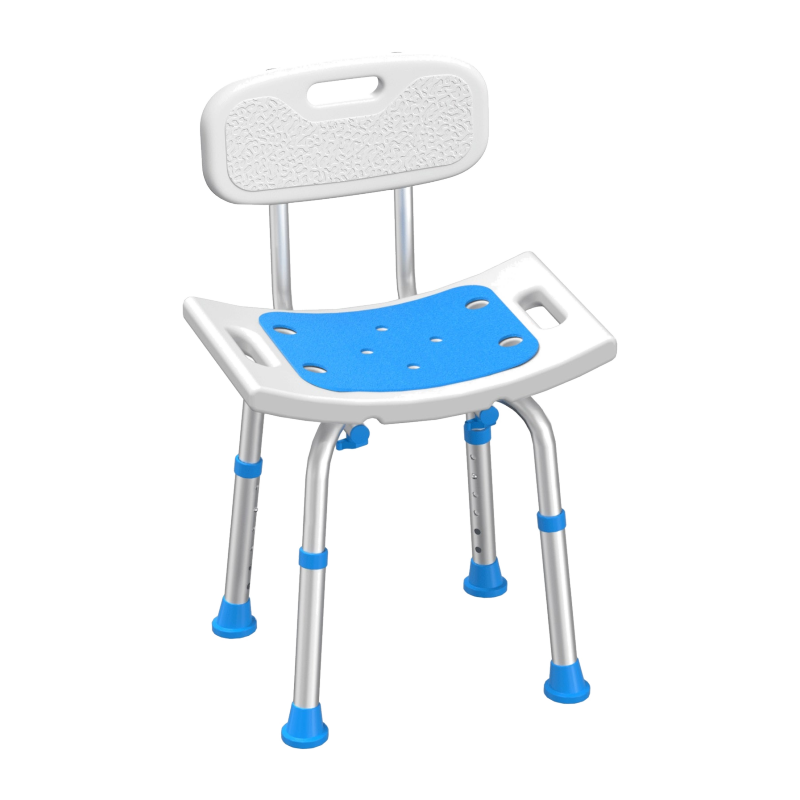
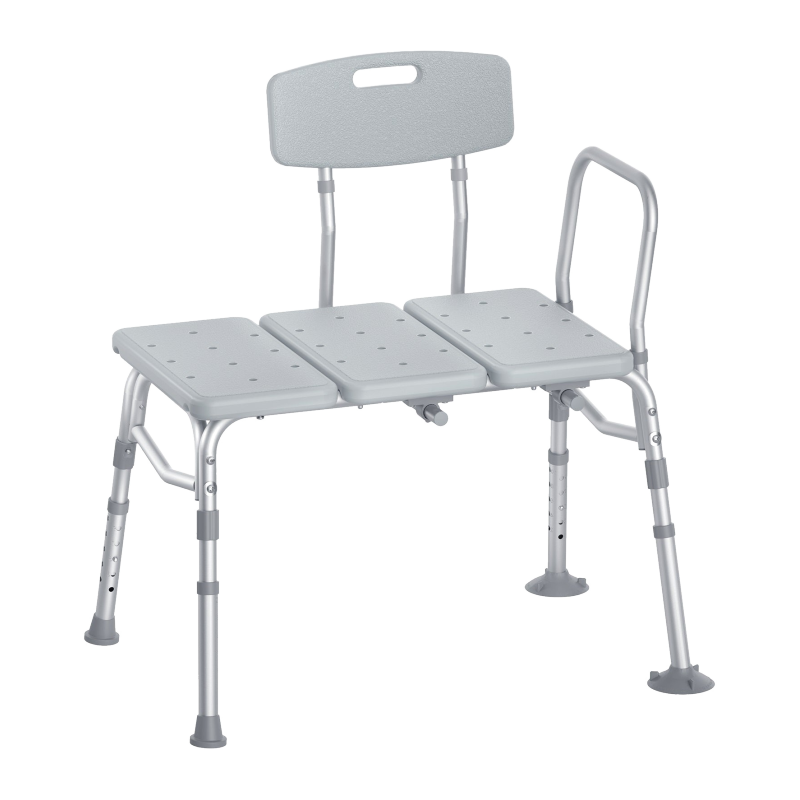
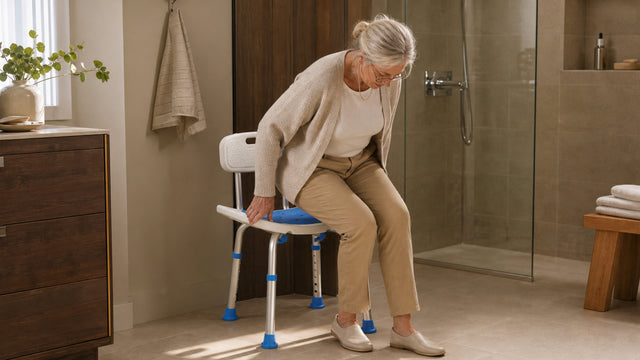
Standing in a shower after surgery — holding your balance, managing soap and water, protecting a surgical site — is far more demanding than it sounds. A shower chair lets you bathe seated, reducing fatigue and the risk of slipping on wet tile. For anyone who needs to step over a tub wall, a transfer bench is the safer solution: it straddles the edge of the tub so you can slide in without lifting your leg over a high barrier. Physical therapists frequently recommend transfer benches for hip and knee surgery recovery specifically because they eliminate the hip-flexion risk that comes with stepping over a tub edge.
Raised Toilet Seats and Toilet Safety Rails
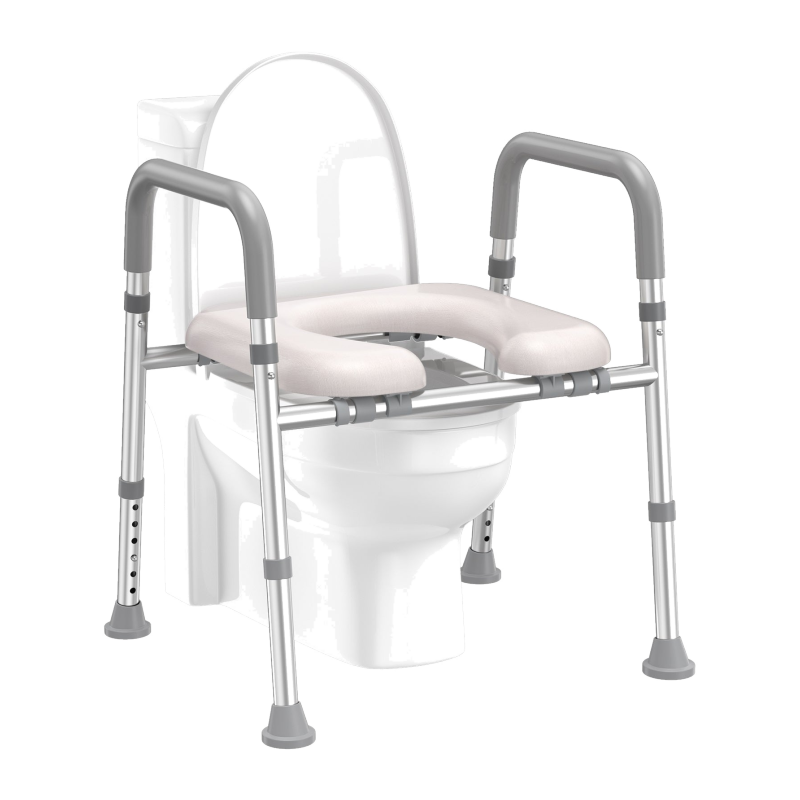
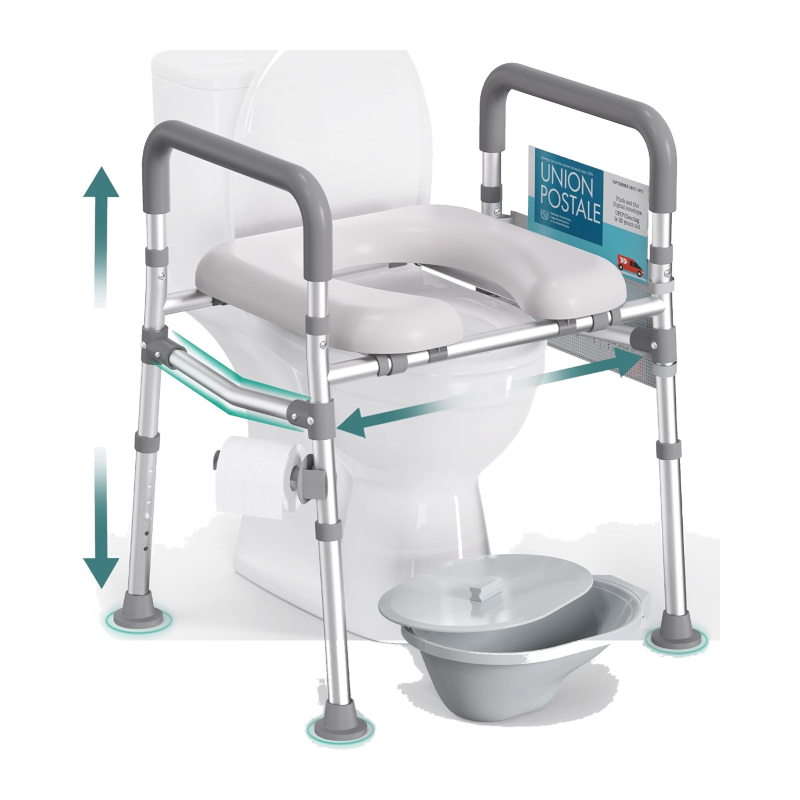
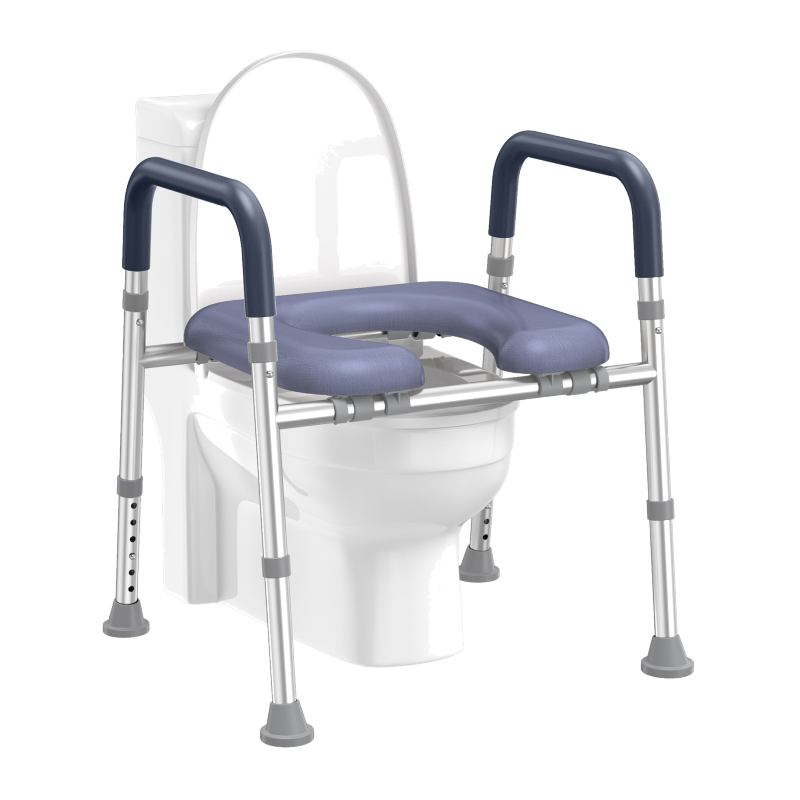
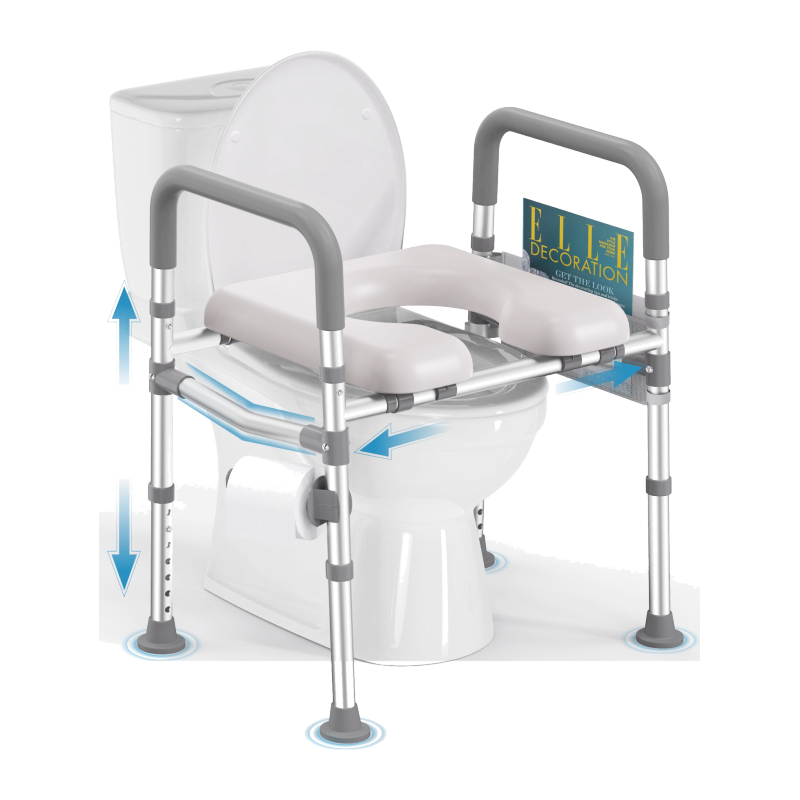
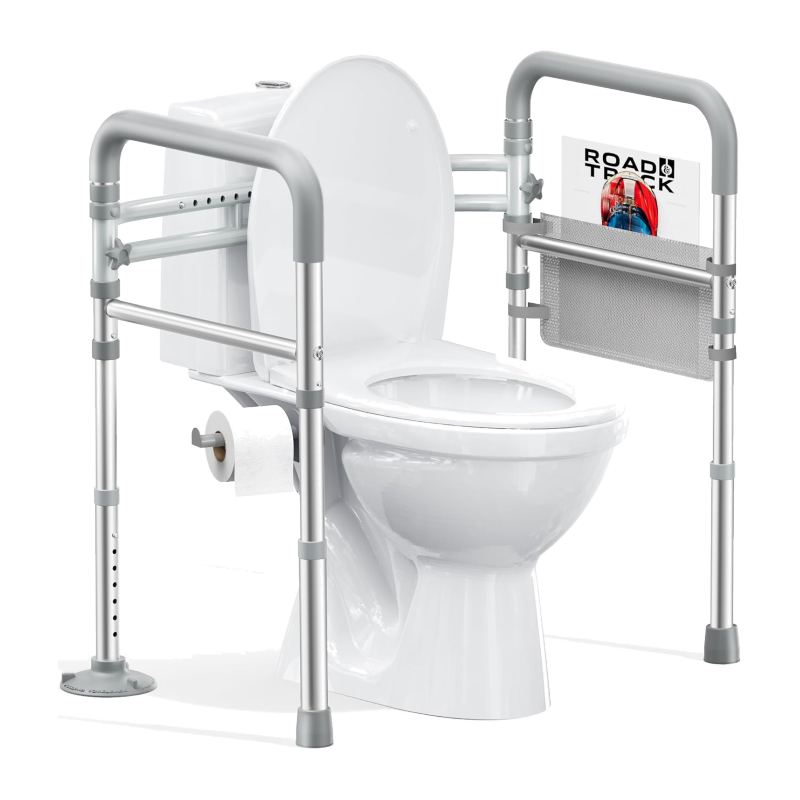
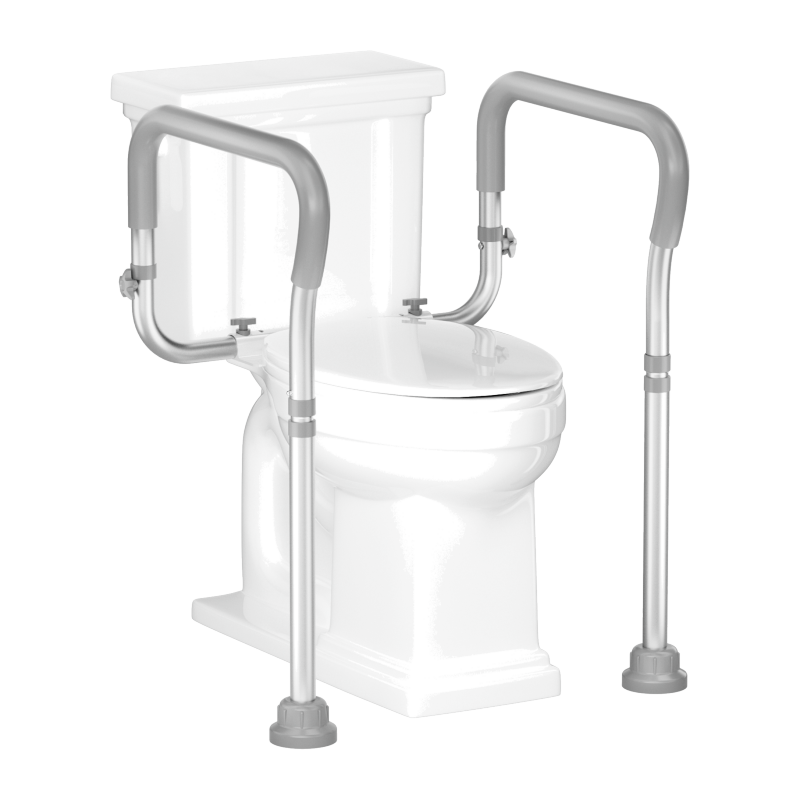
Sitting down on a standard-height toilet and pushing back up is one of the most physically demanding movements in daily home life — and one of the highest-risk for post-surgical strain. A toilet safety rail gives you something solid to push from and lower yourself onto, turning a potentially risky transition into a controlled one. For hip and knee procedures in particular, a raised toilet seat reduces the depth of the sit-to-stand movement, which physical therapists identify as the most demanding daily transfer. Together, these two additions make the bathroom meaningfully safer without changing how the space looks or functions for anyone else in the home.
When the Bathroom Feels Too Far Away
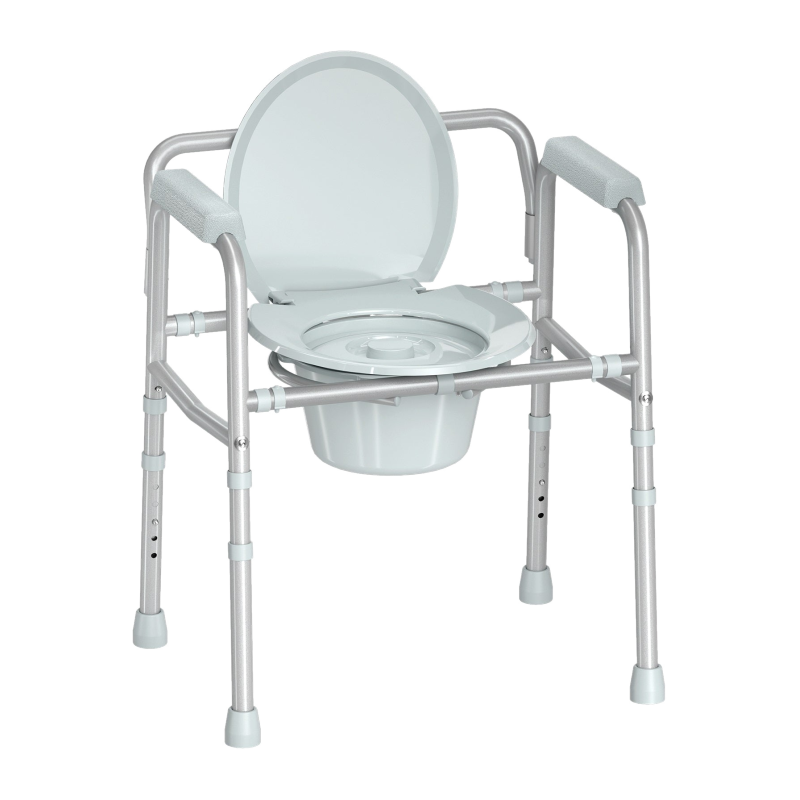
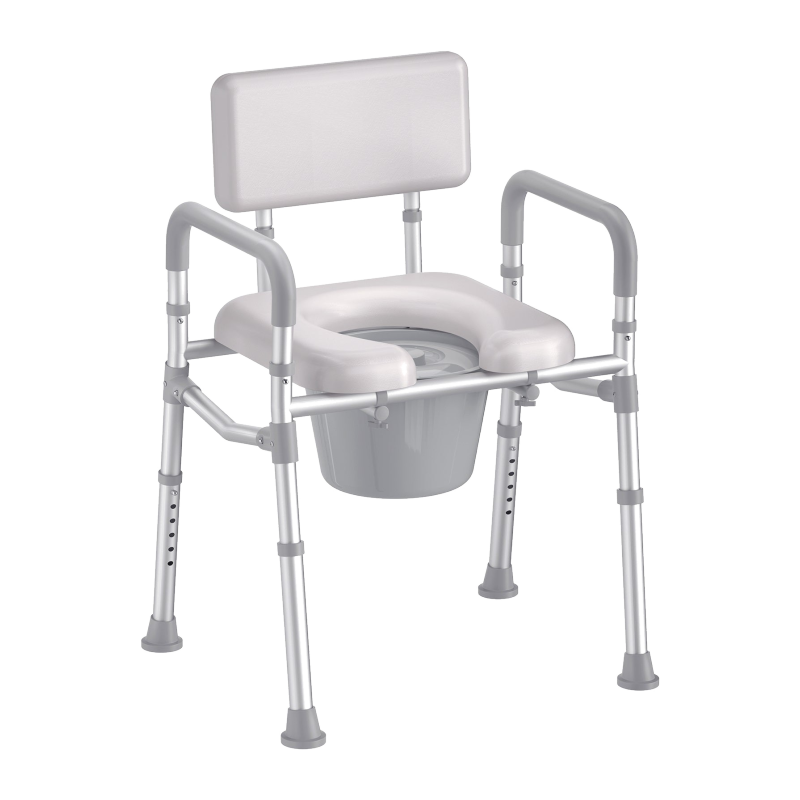
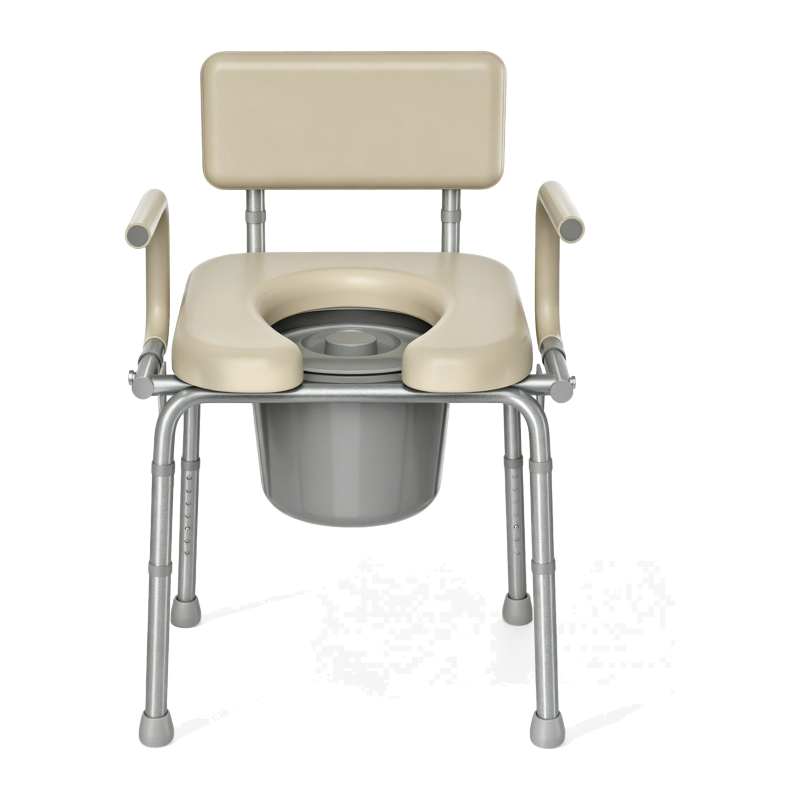
For the first few nights after surgery — when getting up at 2 a.m. and navigating a dark hallway feels genuinely risky — a bedside commode can eliminate the most hazardous trips of the recovery period entirely. It's discreet, easy to clean, and keeps nighttime bathroom needs within safe reach. Many families find this one addition alone provides enormous peace of mind during the first week home.
The Bedroom: Rest Well, Move Safely
Your bedroom becomes the center of your recovery, and a few small changes make it work much harder for you. The height of your bed matters more than most people realize: clinical guidelines generally suggest the mattress surface should sit at approximately knee height when standing, allowing feet to rest flat on the floor when seated on the edge. A bed that's too low forces you into a deep squat to stand — straining surgical sites. A bed that's too high leaves feet dangling, creating instability when trying to rise.
A bed rail is one of the most underrated recovery tools. It gives you something to grip and push from when getting in and out of bed — a movement that happens dozens of times a day and carries real fall risk without support. Bed rails are particularly valuable for anyone recovering alone or who doesn't want to wake a partner every time they need to reposition at night. They install without tools on most standard mattresses and remove just as easily when they're no longer needed.
Keep everything you might need overnight within arm's reach: water, medications, your phone, and a small light. The fewer reasons to get up and navigate in the dark, the better. Caregivers setting up the room should think like a night nurse — anticipate the 3 a.m. needs before they happen.
Moving Around the Home: Walking Aids for Every Recovery Stage
Staying mobile during recovery is important — not just for physical health, but for mental well-being too. The goal isn't to push through pain; it's to move with support and confidence, in a way that protects the surgical site while keeping the rest of the body active. Physical therapists often describe the right walking aid as one that gives you just enough assistance to move safely without creating dependency.
Standard Walkers
A standard walker is the go-to recommendation in the earliest and most limited stage of recovery — typically the first one to two weeks after major orthopedic surgery. It provides a stable four-point base that supports full weight-bearing and helps retrain balance. The key is choosing one that's properly height-adjusted so you're not hunching or overreaching, both of which create secondary strain.
Rolling Walkers (Rollators)
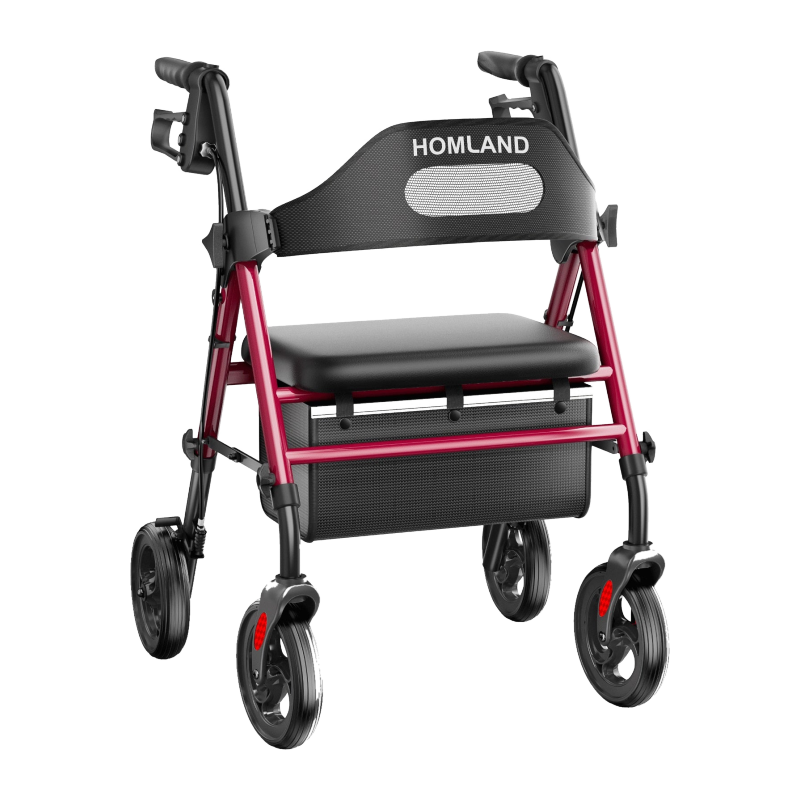
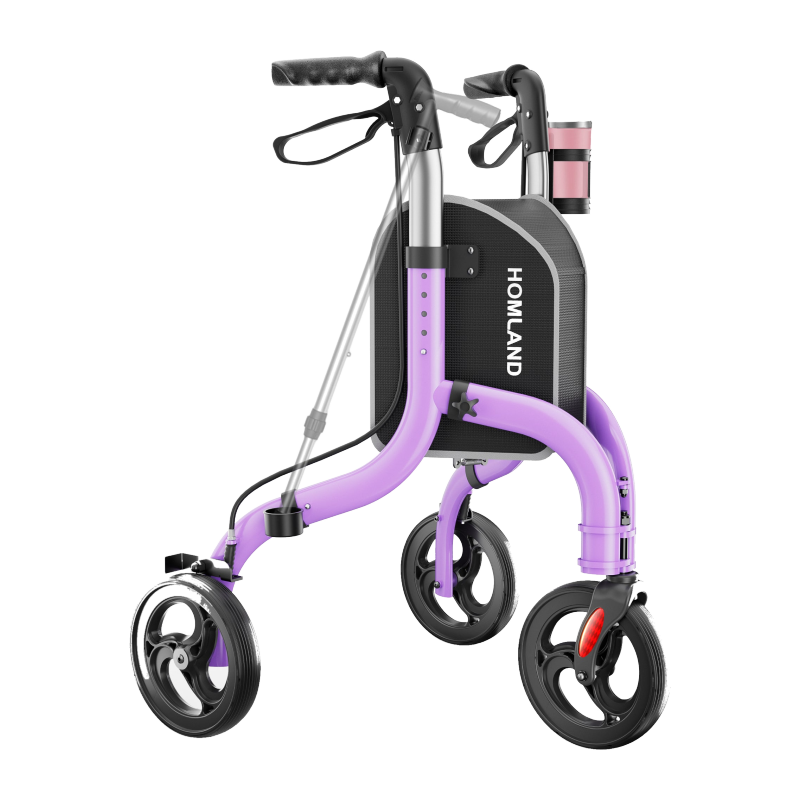
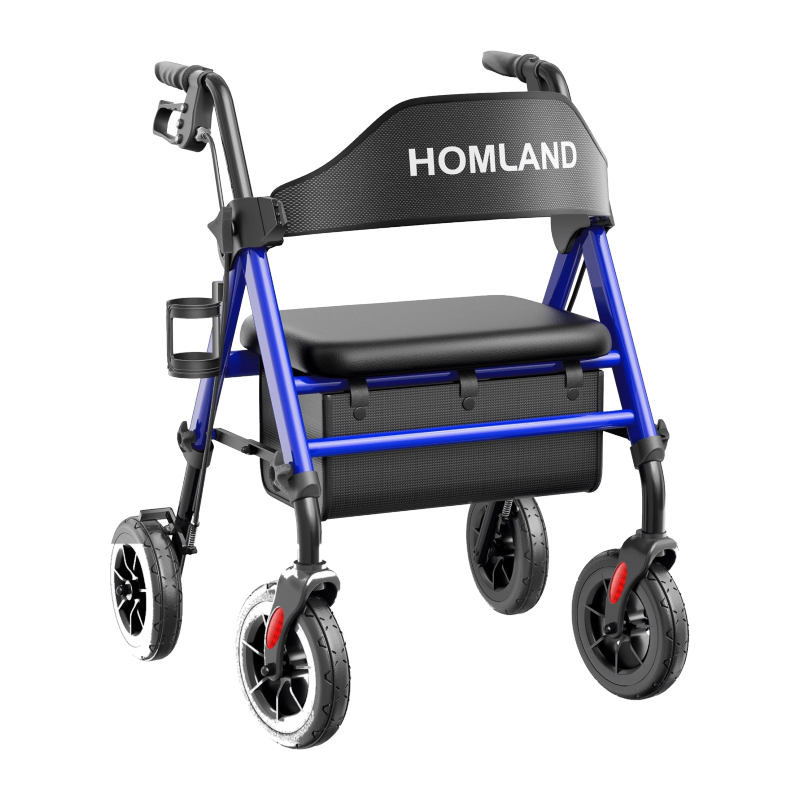
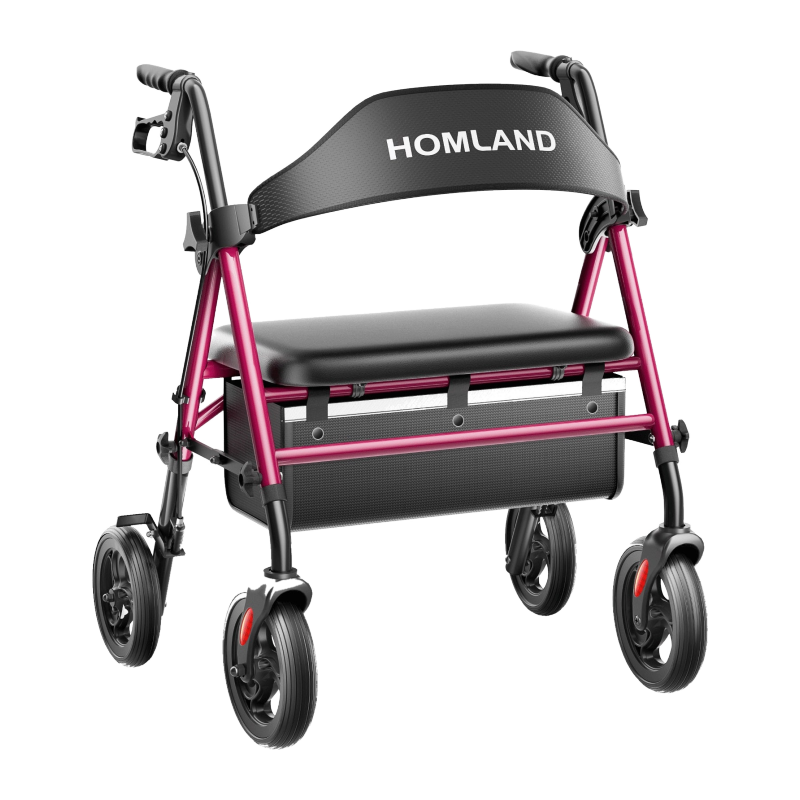
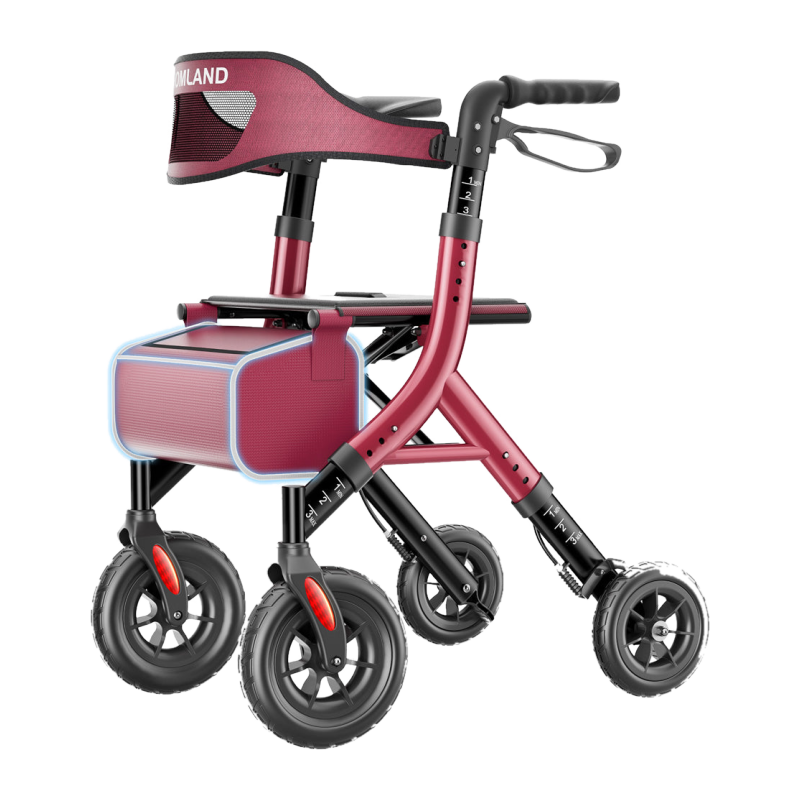
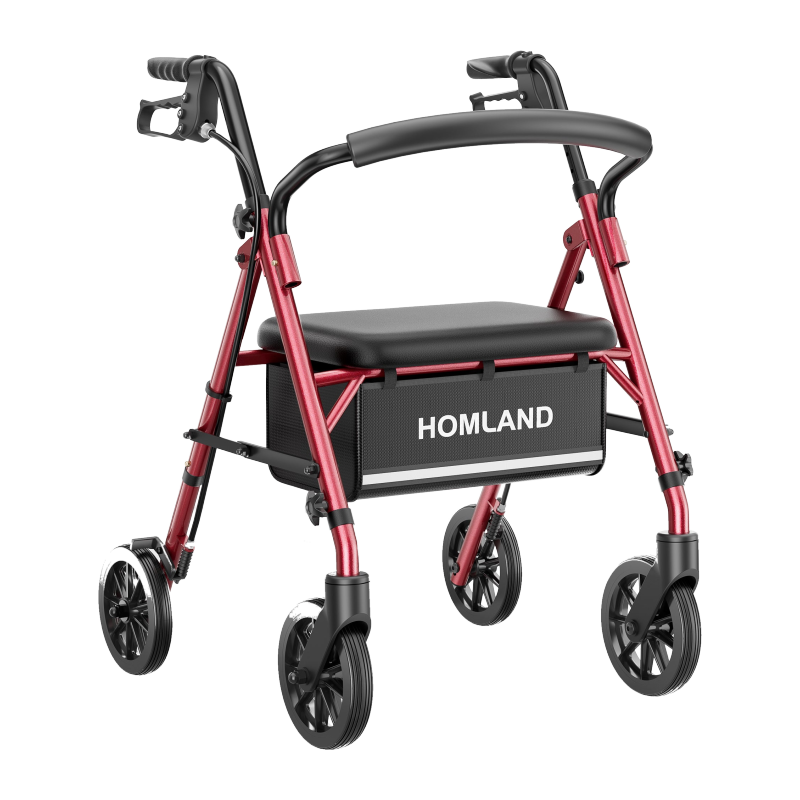
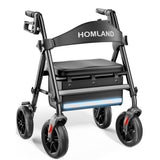
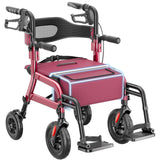
As strength returns and balance improves, many people transition to a rolling walker, or rollator. Unlike a standard walker that must be lifted with each step, a rolling walker moves with you — reducing the energy cost of each stride and making longer distances around the home (or to the mailbox and back) genuinely manageable. Four-wheel rollators with a built-in seat are particularly popular among people recovering from hip, knee, and cardiac surgeries because they allow you to stop and sit whenever you need a rest, without having to find a chair. Upright rollators are recommended by physical therapists for users who tend to hunch forward, as the higher handles encourage a more natural, upright posture that reduces back strain.
Knee Scooters
For lower-leg and foot surgeries — ankle procedures, bunion corrections, or lower-limb fractures — a knee scooter offers a level of freedom that crutches simply can't match. You rest the surgical leg on a padded platform and propel yourself with the other foot, keeping full weight off the healing limb while moving around naturally. Most people find them far less exhausting than crutches and far more stable. Physical therapists often recommend knee scooters as the preferred non-weight-bearing solution for active individuals who need to manage an entire floor of their home.
Five Recovery Tips Physical Therapists Recommend
Having the right equipment in place is the foundation — but how you use your days during recovery shapes how quickly and fully you heal. These five habits are consistently recommended by physical therapists as the pillars of a strong home recovery.
1. Move a little, often. Staying in bed all day may feel like the safest choice, but it works against you. Short, frequent movement — even just walking to the kitchen and back — keeps circulation healthy, reduces stiffness, and lowers the risk of complications like blood clots. The goal is gentle, regular motion, not distance or speed.
2. Prioritize sleep quality over quantity. The body does most of its healing during sleep, but post-surgery sleep is often disrupted by discomfort, medication schedules, and environmental changes. A consistent sleep schedule, a supportive pillow arrangement, and a cool, dark room all help. If nighttime trips to the bathroom are disrupting sleep, revisit the bedside commode option — protecting uninterrupted rest is worth it.
3. Eat to rebuild. The body uses protein to repair tissue, vitamin C to support wound healing, and hydration to keep everything moving efficiently. A recovery-focused diet doesn't need to be complicated: lean proteins like fish and legumes, colorful fruits and vegetables, and at least eight glasses of water a day go a long way. If appetite is suppressed from medications, small, frequent meals are easier to manage than three large ones.
4. Keep your mind engaged. Physical recovery and mental well-being are deeply connected. Boredom, isolation, and anxiety about recovery progress are real challenges — and they can slow healing. Reading, calling a friend, gentle puzzles, or even a favorite TV series all count. Don't underestimate the role that a positive, occupied mind plays in physical healing.
5. Follow up and speak up. Your care team can only help with what they know about. Keep scheduled follow-up appointments, write down questions as they come up, and don't hesitate to call if something feels wrong. Post-surgery recovery rarely follows a perfectly straight line, and early communication prevents small setbacks from becoming larger ones.
Buying with Confidence: FSA/HSA, Warranties, and Fast Delivery
For caregivers researching equipment before a loved one comes home — or for anyone preparing ahead of their own procedure — knowing you're buying from a trustworthy source matters as much as choosing the right product. HOMLAND's full lineup of post-surgery recovery equipment is FSA/HSA eligible, meaning you can use pre-tax healthcare dollars to cover the cost. Every product is also authorized by licensed Doctors of Physical Therapy (DPT), so you're getting tools that are grounded in clinical expertise, not just marketing language.
All HOMLAND products come backed by a 1-year manufacturer warranty plus a 1-year extended warranty — two full years of coverage, because recovery timelines aren't always predictable. And because the days right after surgery are when equipment is needed most urgently, every order ships from a US local warehouse for fast delivery. No waiting weeks for a shower chair to arrive from overseas when you need it the day after you get home. Browse the full HOMLAND product lineup to find everything from shower chairs and toilet safety rails to walkers, knee scooters, and bed rails — all designed for tool-free assembly and everyday home use.
Frequently Asked Questions
How soon before surgery should I set up my home recovery equipment?
Ideally, have everything in place at least two to three days before your procedure. That gives time for delivery, assembly, and a trial run before you need to rely on it. Physical therapists recommend identifying your equipment needs in advance — sometimes as part of a pre-discharge assessment — so there's no scramble on the day you return home.
Do I need all of this equipment, or just some of it?
Every recovery is different. Your surgeon and physical therapist will have the clearest picture of what your specific procedure requires. That said, bathroom safety equipment — a shower chair or transfer bench, a raised toilet seat or safety rail — is almost universally recommended after any surgery that affects balance or lower-body mobility. A walking aid is typically needed for any procedure that involves the lower limbs or spine.
How long will I need this equipment?
Some equipment, like a walker, may only be needed for a few weeks during the most limited phase of recovery. Others, like grab bars or a raised toilet seat, often remain in place permanently once people experience how much easier daily life is with them. The good news is that HOMLAND's products are designed to integrate naturally into a home environment — they don't look or feel institutional, and many people find they continue using them long after the recovery phase ends.
Are these products covered by FSA or HSA funds?
Yes. HOMLAND's mobility and bathroom safety products are FSA/HSA eligible, which means you can use pre-tax health savings dollars to purchase them. This can meaningfully reduce the out-of-pocket cost of setting up a complete home recovery environment. Check your specific FSA/HSA plan details, as coverage can vary by provider.
Healing at Home, on Your Own Terms
The weeks after surgery are not the time to figure things out as you go. They're the time to lean on good preparation, the right tools, and the people around you — so that every day at home feels a little more normal, a little more confident, and a little more like you. Whether you're setting up a shower chair before a hip replacement, installing a bed rail to feel secure at night, or choosing a knee scooter that makes moving around the house genuinely possible, each piece of equipment is a step toward independence, not a concession to limitation.
HOMLAND exists to make that transition — from hospital to home — as smooth and dignified as possible. Every product in the lineup is built with that philosophy at its core: Home, not hospital. And with the support of licensed physical therapists, FSA/HSA eligibility, and a warranty that covers two full years, you can invest in your recovery knowing the right foundation is in place.
Ready to Set Up Your Home Recovery Space?
Browse HOMLAND's full range of post-surgery recovery equipment — from shower chairs and toilet safety rails to walkers, knee scooters, and bed rails. Every product is DPT-authorized, FSA/HSA eligible, and backed by a 2-year warranty. Fast delivery from our US warehouse means it'll be there when you need it.
Shop All Recovery Equipment → | Contact Us with Any Questions →