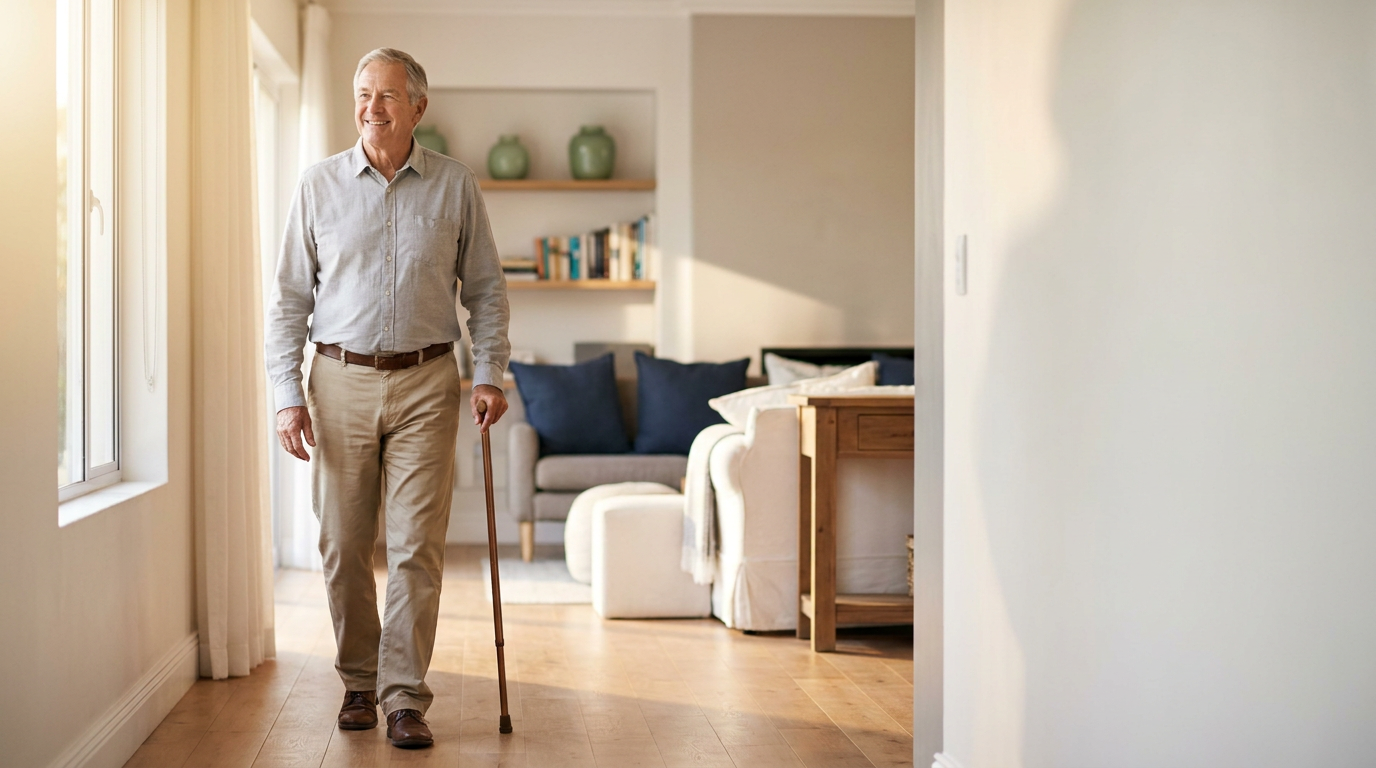

Picture this: it's 2 a.m. and you get up for a glass of water. The hallway is dark, a rug shifts underfoot, and in a split second, everything changes. Falls like this happen to 1 in 4 adults aged 65 and older every single year in the United States — and yet, most are entirely preventable.
A fall risk assessment is the first and most important step toward keeping yourself — or someone you love — safe and independent at home. It doesn't require a clinic visit or complicated equipment. It requires honest attention to a few key areas: your body, your environment, and the daily routines that might quietly be putting you at risk. This guide walks you through exactly how to evaluate your risk level, what warning signs to look for, and the practical steps physical therapists recommend to reduce the likelihood of a fall. Because staying home shouldn't mean accepting danger — it should mean living on your own terms.
Fall Risk Assessment:
Evaluate & Reduce Your Risk at Home
1 in 4 adults aged 65+ falls every year — but most falls are entirely preventable. Here's what you need to know.
Internal Risk Factors
- Muscle weakness or poor balance
- Slow reaction time or gait changes
- Vision changes (uncorrected)
- Taking 4+ medications
- Dizziness-causing medications
- History of a previous fall
- Chronic conditions affecting mobility
Environmental Risk Factors
- Loose or unsecured throw rugs
- Poor lighting in halls & bathrooms
- No grab bars in shower/toilet area
- Stairs without full-length handrails
- Cluttered floors and walkways
- Slippery bathroom surfaces
- Bed too high or too low
The Danger Zone: When Risks Combine
Falls rarely have a single cause. When body-related factors (like reduced balance) meet environmental hazards (like a wet floor in the dark), risk spikes dramatically. Addressing both sides is essential.
Fix the Lighting
Add night lights to hallways, bathrooms & stairways for safe nighttime navigation.
Secure the Bathroom
Install grab bars, non-slip mats, and a shower chair to prevent the #1 fall location.
Build Strength
Tai Chi, heel-to-toe walks & leg lifts improve balance and reaction time daily.
Clear Hazards
Remove loose rugs, secure cords along walls, and keep all walkways clutter-free.
Use the Right Aids
Walkers, bed rails & raised toilet seats are tools for independence — not limitations.
Self-Assess
Answer key questions about balance, medications & home hazards honestly
Walk the Home
Inspect every room for rugs, cords, lighting gaps & bathroom safety
Get PT Eval
A physical therapist uses TUG Test & Berg Scale for personalized insights
Take Action
Modify hazards, add safety equipment, and start a movement routine
Review Often
Reassess annually or after any fall, health change, or medication update
Walkthrough
Check every room for loose rugs, cords & clutter blocking pathways
Lighting
Test halls, stairs & bathrooms — add plug-in night lights where dim
Bathroom
Verify grab bars, non-slip surfaces & manageable toilet height
Bed Safety
Check bed height & consider a bed rail for safe nighttime transfers
Medications
Review with a doctor — many common drugs increase dizziness & fall risk
Ready to Make Your Home Safer?
HOMLAND's home safety products — shower chairs, walkers, bed rails, and more — are authorized by licensed Doctors of Physical Therapy and FSA/HSA eligible.
Shop All Safety Products →Why Fall Risk Matters — And Why It's Not Inevitable
Falls are the leading cause of injury for adults aged 65 and older, and the numbers behind that fact are striking. According to the CDC, more than 14 million older adults report falling each year — and about 37% of those falls result in an injury serious enough to require medical attention or restrict activity for at least a day. What's equally sobering is that falling once doubles your chances of falling again. Many people don't tell their doctor when it happens, which means the underlying risks go unaddressed.
But here's the reassuring part: falls are not an unavoidable part of getting older. They are largely the result of identifiable, addressable risk factors. When those factors are caught early and managed thoughtfully, the picture changes dramatically. The goal of any fall risk assessment isn't to alarm you — it's to give you and your family the information you need to act before a fall happens, not after.
What Is a Fall Risk Assessment?
A fall risk assessment is a structured process of evaluating the factors that make a person more or less likely to fall. It looks at two broad categories: things happening inside the body (like muscle strength, balance, and medications) and things happening in the environment (like loose rugs, poor lighting, and bathroom layout). A thorough assessment also considers your daily routines — how you get in and out of bed, how you navigate the bathroom at night, whether you tend to rush when you hear the phone.
Physical therapists often use standardized tools for formal assessments, such as the Timed Up and Go (TUG) Test — where you time yourself rising from a chair, walking a short distance, turning around, and sitting back down — or the Berg Balance Scale, which evaluates balance across a series of everyday tasks. These tests give a reliable picture of mobility and balance that can guide a personalized plan. But a meaningful assessment can also begin right at home, with careful self-reflection and a room-by-room walkthrough.
Understanding Your Risk: Intrinsic vs. Extrinsic Factors
Research consistently divides fall risk factors into two categories, and understanding both is key to a complete picture of your safety at home.
Intrinsic factors are those that originate within the body. These include muscle weakness, gait and balance problems, vision changes, reduced reaction time, certain chronic conditions, and the effects of medications — especially those that cause dizziness or drowsiness. A history of previous falls is considered one of the strongest predictors of future falls. Intrinsic factors may change over time, and many of them can be improved with the right exercises and medical management.
Extrinsic factors are those found in the surrounding environment. Research has identified a long list of home hazards that contribute to slips and trips: slippery surfaces, inadequate lighting, loose or worn carpets, staircases without railings, cluttered walkways, and poorly designed bathroom fixtures. Studies suggest that approximately 80% of homes contain at least one identifiable fall hazard — and nearly 40% contain five or more. The bathroom, in particular, stands out: absent non-slip mats, missing grab bars, and slick surfaces consistently appear among the top hazards found in household assessments.
Falls rarely happen because of just one factor. More often, they occur when multiple risks converge — for example, when a person with reduced balance (intrinsic) steps onto a wet bathroom floor in the dark (extrinsic). That interaction is exactly why a complete assessment looks at both sides of the equation.
A Simple At-Home Self-Assessment
You don't need a professional appointment to begin evaluating your risk. The following questions can help you and your family identify areas that deserve closer attention. Answer honestly — this is about building a clearer picture, not passing a test.
About your body and movement:
- Have you fallen in the past 12 months, even once?
- Do you feel unsteady when walking, especially on uneven surfaces or after standing up quickly?
- Do you hold onto furniture or walls to steady yourself more than you used to?
- Has your walking pace slowed noticeably, or do you feel uncertain on stairs?
- Do you take four or more medications, or any that cause dizziness or affect alertness?
- Have you noticed changes in your vision that haven't been recently evaluated?
About your home environment:
- Are there loose rugs, power cords, or clutter on floors and walkways?
- Is lighting adequate in hallways, stairways, and bathrooms — especially at night?
- Does the bathroom have grab bars near the toilet and in the shower or tub area?
- Are stairways equipped with sturdy handrails on both sides?
- Is your bed at a height that allows you to sit and stand comfortably without straining?
If you answered "yes" to one or more of the body-related questions, or identified multiple hazards in your home, it's worth taking action. The more risk factors present at once, the more important it is to address them systematically.
When to Ask for a Professional Assessment
A self-assessment is a powerful starting point, but there are times when a professional evaluation adds important depth. Physical therapists are specifically trained to identify fall risk and help people address the contributing factors. In fact, the American Physical Therapy Association recommends that everyone receive an annual assessment from a physical therapist. If you've already experienced a fall, working with a physical therapist is a particularly meaningful step — they can help identify why the fall happened and reduce the chances of it happening again.
During a professional assessment, a physical therapist will evaluate your strength, gait, balance, and coordination through standardized tests. They'll review your medical history, current medications, and daily routines. They may also conduct a home safety evaluation — recommending changes to furniture arrangement, lighting, and the placement of assistive equipment. The outcome is a personalized plan that addresses your specific combination of risk factors rather than a one-size-fits-all approach. If you're recovering from surgery, managing a chronic condition, or noticing increased unsteadiness, don't wait for a fall to seek this kind of guidance.
Practical Ways to Reduce Your Fall Risk at Home
Once you've identified your risk factors, the next step is acting on them. The good news is that many of the most effective strategies are things you can start today, in your own home.
Clear the Hazards You Can See
Start with a methodical walkthrough of every room. Remove loose throw rugs or secure them with non-slip backing. Keep floors and walkways free of clutter, including shoes, bags, and pet toys. Secure electrical cords along walls so they never cross a walking path. Add night lights to hallways, bathrooms, and stairways so that nighttime trips — to the bathroom, to the kitchen — don't happen in the dark. Make sure handrails on any stairs are solid and extend the full length of the staircase. These are straightforward changes, but they address some of the most common causes of trips and slips at home.
Make the Bathroom Safer
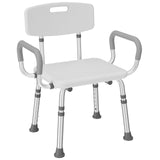
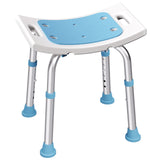
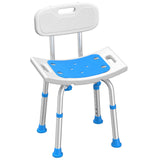
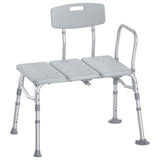
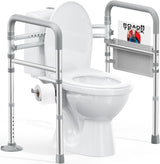
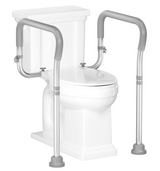
The bathroom is where a disproportionate number of home falls occur, and it's one of the highest-return areas for safety investment. A wet floor, a high tub edge, or the challenge of lowering onto a standard toilet can all create serious risk — especially first thing in the morning or late at night when you're less alert. Physical therapists frequently recommend adding grab bars near the toilet and in the shower or tub, placing non-slip mats on all wet surfaces, and using a shower chair or transfer bench to reduce the effort of bathing while keeping you stable.
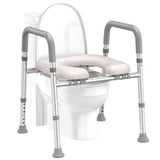
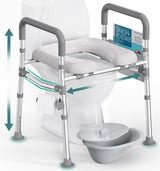
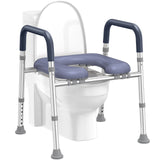
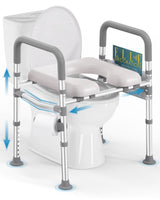
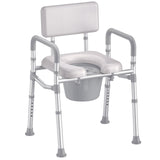
HOMLAND's shower chair collection and toilet safety rails are designed with exactly these scenarios in mind — tool-free assembly, adjustable height settings, and sturdy construction that lets you lean in with full confidence. Raising toilet seat height is another small change with a big payoff: it reduces the effort of sitting and standing, which is one of the movements most likely to cause a loss of balance. Explore HOMLAND's full range of home safety products to find what fits your space and routine.
Build Strength and Balance
Improving your body's own stability is one of the most effective long-term strategies for fall prevention. Physical therapy programs typically include balance and strength-training exercises that improve muscle strength, coordination, and reaction time over consistent practice. Activities like Tai Chi, heel-to-toe walking, single-leg stands (done near a sturdy surface), and seated leg lifts can all be incorporated into daily routines without special equipment. Without regular movement, older adults naturally lose muscle mass over time — which makes these kinds of exercises not just beneficial, but genuinely important for maintaining independence.
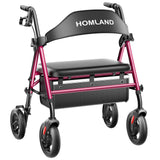
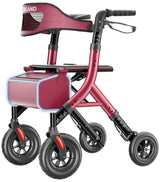
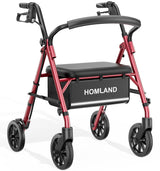
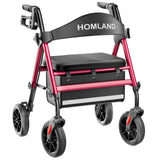
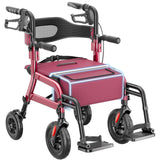
If you're returning to activity after surgery or a period of reduced mobility, a walking aid can provide the confidence and stability to keep moving safely. HOMLAND's rolling walkers and standard walkers are authorized by licensed Doctors of Physical Therapy and built for everyday home use — not clinical corridors. Getting back on your feet, even slowly, is one of the best things you can do for your long-term fall risk.
Choose the Right Mobility Support
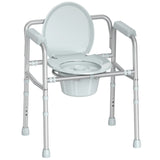
The right mobility aid isn't a concession — it's a tool for staying active and independent. Physical therapists regularly recommend assistive devices to improve stability during daily activities, and correctly using them can reduce fall risk significantly. A rolling walker with hand brakes offers support during longer walks and community outings. Bed rails provide a secure grip for getting in and out of bed safely — an often-overlooked transition that carries real fall risk, especially at night. A bedside commode or raised toilet seat can eliminate one of the most physically demanding movements of the day.
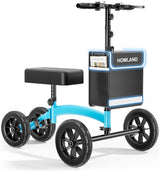
HOMLAND's bed rails are designed for exactly this: that quiet 3 a.m. moment when you need to get up without disturbing a partner, without turning on every light, and without wondering if your footing is solid. And for anyone recovering from a lower-leg injury, the knee scooter collection offers a stable, hands-free way to stay mobile without bearing weight. All HOMLAND products are FSA/HSA eligible, ship from a US local warehouse for fast delivery, and are backed by a 1-year manufacturer warranty plus a 1-year extended warranty — so your family can feel confident in the purchase.
A Caregiver's Quick-Start Checklist
If you're an adult child or family caregiver helping a parent or loved one assess their safety at home, here's a practical starting point for your next visit. You don't need to overhaul everything at once — even addressing two or three items from this list can meaningfully reduce risk.
- Walk every room and note loose rugs, cords on the floor, and cluttered pathways
- Test the lighting in hallways, bathrooms, and near stairs — add plug-in night lights where needed
- Check the bathroom for grab bars, non-slip surfaces, and whether the toilet height is manageable
- Assess the bed — is it easy to get in and out of without struggling? Consider a bed rail for nighttime support
- Review medications with a doctor or pharmacist — some common medications increase dizziness and fall risk
- Ask about recent stumbles — a near-fall is an early warning sign worth taking seriously
- Schedule a physical therapy assessment if balance, strength, or recent falls are a concern
Small changes, done with care, add up to a genuinely safer home. And when your loved one can move through their day with confidence — getting up from a chair, stepping into the shower, heading to the kitchen at midnight — that peace of mind belongs to both of you.
The Bottom Line: Assess, Act, and Stay Independent
A fall risk assessment isn't something to put off until after something goes wrong. It's a proactive, empowering step — a way of saying, "I know my environment and my body, and I'm choosing to stay in control of both." The combination of honest self-evaluation, targeted home modifications, regular movement, and the right supportive tools gives most people a real, meaningful edge against the risk of falling.
Whether you're a senior looking to stay confidently independent or a caregiver helping someone you love navigate their home more safely, the path forward is the same: start with an honest look at the risks, address the ones you can change, and get professional guidance when you need it. Home should feel safe. With the right knowledge and the right tools, it can.
Ready to Make Your Home Safer?
Explore HOMLAND's full range of home safety and mobility products — authorized by licensed Doctors of Physical Therapy, FSA/HSA eligible, and backed by a 2-year warranty. From shower chairs and toilet safety rails to walkers and bed rails, every product is built for real life at home.
Shop All ProductsHave questions? Contact us — we're here to help.